Zoo & Wildlife Cremation in Australia
Aftercare for an animal in your care is part pathology, part logistics and part grief. Here's the practical picture for Australia, written for the people who have to arrange it.
- From songbirds to hoofstock, sized honestly
- Records matched to your animal IDs
- Local weather and timing built into the plan
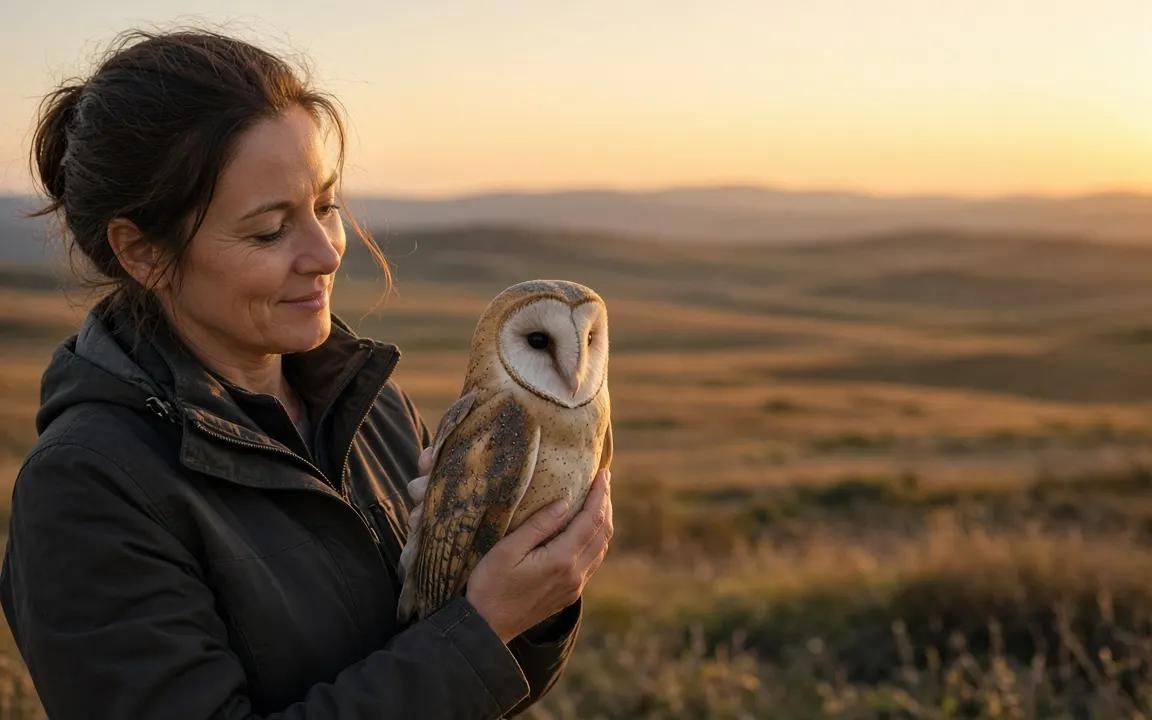
Australia
Zoo & Wildlife Cremation in Australia: what to know
In Australia, smaller collection animals, from birds and reptiles to mid-size mammals, can usually go to a pet crematorium. Hoofstock and very large animals are often handled through approved collectors, incinerators or labs under animal by-products or disease rules. Knowing which applies to each species before a death saves time and money.
Prices in Australia follow weight and service more than species. Small collection animals are priced much like household pets; the biggest get a bespoke quote, with collection, handling and any testing added. The table on this page shows published figures; use them to check the quotes you receive in local currency.
We cover 29 communities in Australia, from Sydney, Melbourne and Brisbane to smaller towns.

Browse Australia by region
Pick your state or region to see every community we cover there, or jump straight to one of the largest cities.
Local attitudes to cremation and memorials
Cremation is routine in Australia, with about 71%[1] of people cremated, and plenty of keepers have been through it with their own pets. That experience can shape expectations in ways that don't fit a zoo animal: a quick turnaround, a paw print, ashes back within the week. Explain early that necropsy, sectioning or disease testing can add days or weeks, and that a large animal may not return as one sealed urn.
We take the Australia percentage from FuneralSmart (2023). It refers to people; attitudes to cremating a pet tend to follow it.
How providers near Australia price large and exotic animals
In New Zealand, one Auckland provider lists individual cremation at NZD 625 for a 70 to 95 kg animal [2], a useful benchmark for mid-size zoo and sanctuary species. Anything heavier is quoted per job. Summer heat in much of Australia and New Zealand makes prompt collection a real cost factor.
Queensland shows how wide Australian prices run: listed cremation ranges from about AUD 165 to AUD 3,670 depending on weight and service [3]. The top of that range is the relevant end for large marsupials, big reptiles and hoofstock in a collection. Wildlife carers with many small patients should ask about communal pricing and a regular pickup instead.
| Animal size | Price | Where |
|---|---|---|
| Up to 5 kg | AUD 412 median[4] | Australia, median |
| 40 to 60 kg / over 60 kg | AUD 624 / AUD 650 | Australia, medians |
| 70 to 95 kg | NZD 625 | Auckland, individual |
| Over 100 kg | Quoted per job | Few providers; ask about chamber size |

Free tool
Cremation cost calculator
Estimate a realistic price range for your pet's size, location and the type of cremation.
Disposal, disease and permit rules in Australia
An inspector's question after a death is usually simple: show me where this animal went. Keep the death record, necropsy report, custody signatures and the provider's certificate together, filed by animal ID, for as long as your license or permit requires. The disposal rules for Australia below set the legal minimum; your records prove you met it.
In Australia, state and territory rules govern disposal of large animals, and summer heat makes cold storage and fast transport essential for any useful necropsy. Wildlife carers handle large volumes of native animals, many of which go to communal cremation or council-approved disposal. Ask your state wildlife authority about protected species and any conditions on remains.
A practical sequence for keepers, vets and rehabbers
- Call the attending vet or pathologist first, and keep everyone away from the body until they've answered. It's their call whether a necropsy happens, which samples get taken and whether something reportable might be involved.
- Start the record now: animal ID, species, time of death, who found it and who moved it. Every later hand-off gets a signature.
- Get the body cold using a cooler or a refrigerated trailer. Hold off on freezing until the vet confirms no samples are wanted.
- Give keepers a few minutes alone with the animal, if that's what they'd like, ahead of the pathology work.
- Confirm the route in writing: disposal through the lab, individual cremation with the ashes coming back, digestion or burial. If ashes are wanted, that request belongs on the lab submission form itself.
- Book transport and any heavy-lift equipment, and settle beforehand how the body will be brought out of the habitat.
- File the certificate against the animal's ID and note any tissues or skeleton retained.
After the paperwork: remembering them
Rehabilitators rarely memorialize every patient, but the long-term ones, an education owl or a non-releasable fox, deserve a moment. Many centers keep a small memorial garden, a plaque listing names or a photo wall. Volunteers who raised the animal often appreciate being asked before anything is decided.
Compare every option on our services page, try the free planning tools or see how other readers answered in our polls. You can also go back to all locations.

Reader polls
What would you choose?
Vote anonymously and see how other readers answered. The results are live counts from people who visit this site, so they show real opinions, not a scientific sample.
After a death in your collection, how often is there a necropsy before aftercare?
Tap an answer to vote and see how others answered. Anonymous.
How does your organization arrange aftercare today?
Tap an answer to vote and see how others answered. Anonymous.
If you had to decide today, which aftercare would you choose for your pet?
Tap an answer to vote and see how others answered. Anonymous.

Free tools to help you plan
Cremation cost calculator
Estimate a realistic price range for your pet's size, location and the type of cremation.

Livestock mortality planner
Plan disposal capacity and costs for farm losses, from one animal to a herd.

Ashes weight estimator
See roughly how much ash to expect back, by species and body weight.
Questions people ask
How is zoo animal aftercare handled in Australia?
Smaller species usually go to pet crematoria, and larger or diseased animals follow national animal health rules through approved collectors, labs or government routes. The attending vet is the best first call, because they'll know which providers accept exotic species locally.
How should a sanctuary in Australia plan the euthanasia of a large resident?
Book the vet, the provider and any lifting equipment for the same morning, confirm the euthanasia drug so the disposal route fits and prepare firm, screened ground where a vehicle can reach. Give the caregivers time to say goodbye, and settle beforehand whether the team wants ashes.
Is cremation common in Australia?
For people, about 71%[1] of deaths in Australia end in cremation, which is a fair signal of how many crematories exist for small animals. It says little about large-animal capacity, so always ask a provider about weight limits directly.
Can we get ashes back after a lab necropsy in Australia?
Yes, if you arrange it before the necropsy. Many labs dispose of remains themselves by incineration or digestion unless the submission form says the remains should be released to a crematory. Put the request in writing and confirm who collects from the lab.
How do winters in Australia affect aftercare?
In the colder parts of Australia, frozen ground can rule out burial for months and snow can block heavy vehicles. In Australia, one of the coldest places we cover, winter lows average about °F. Keep a cremation or lab fallback and don't freeze a body before necropsy unless the vet agrees.
What should we do after a death in the heat?
Get the body into a cooler or refrigerated trailer within hours, especially for a large animal, which holds heat internally. In hot parts of Australia, such as Australia where summer highs average about °F, schedule lifts and transport for early morning.

Sources and our estimates
- [1] Australian cremation rates hovered around 70-72% between 2020 and 2023, with Sydney and Melbourne often above 80%. FuneralSmart, 2023.
- [2] The same Auckland provider lists individual cremation at NZD 625 and communal at NZD 215 for a 70-95 kg dog, and NZD 305 vs NZD 55 for a 2-7 kg pet. Caring Cremations (Auckland) - Pet cremation prices, 2026.
- [3] Australian listed cremation price ranges vary by state: NSW AUD 150-1,824, VIC AUD 199-749, QLD AUD 165-3,670, WA AUD 175-750, SA AUD 400-1,980. Pet Farewell (Australia) - Pet Cremation Cost Australia (2026), 2026.
- [4] An Australian provider survey of listed prices puts the median individual cremation at AUD 412 for pets up to 5 kg (range AUD 295-612). Pet Farewell (Australia) - Pet Cremation Cost Australia (2026), 2026.
- [5] Horse rendering costs about $0.14 per pound and composting about $0.23 per pound, both well below incineration at $0.75 per pound, and composting is comparable to a biodigester at $0.25 per pound. Our estimate: $275 / 1,200 lb (composting); $137.50 / 1,000 lb (rendering); $0.25 and $0.75 per lb from extension. How we calculate.
Plan aftercare for an animal in your care
Tell us what you need and where you are. We'll reply by email with clear options and prices so you can decide in your own time.