Zoo & Wildlife Cremation in Tasmania
Whether you run a collection, a rehab center or a sanctuary in Tasmania, the order is the same: vet or pathologist first, cold storage second, cremation third. Here's how that works locally and what it costs.
- Necropsy and cold storage handled in the right order
- Capacity checked against your animal's weight
- Written custody terms before anything moves
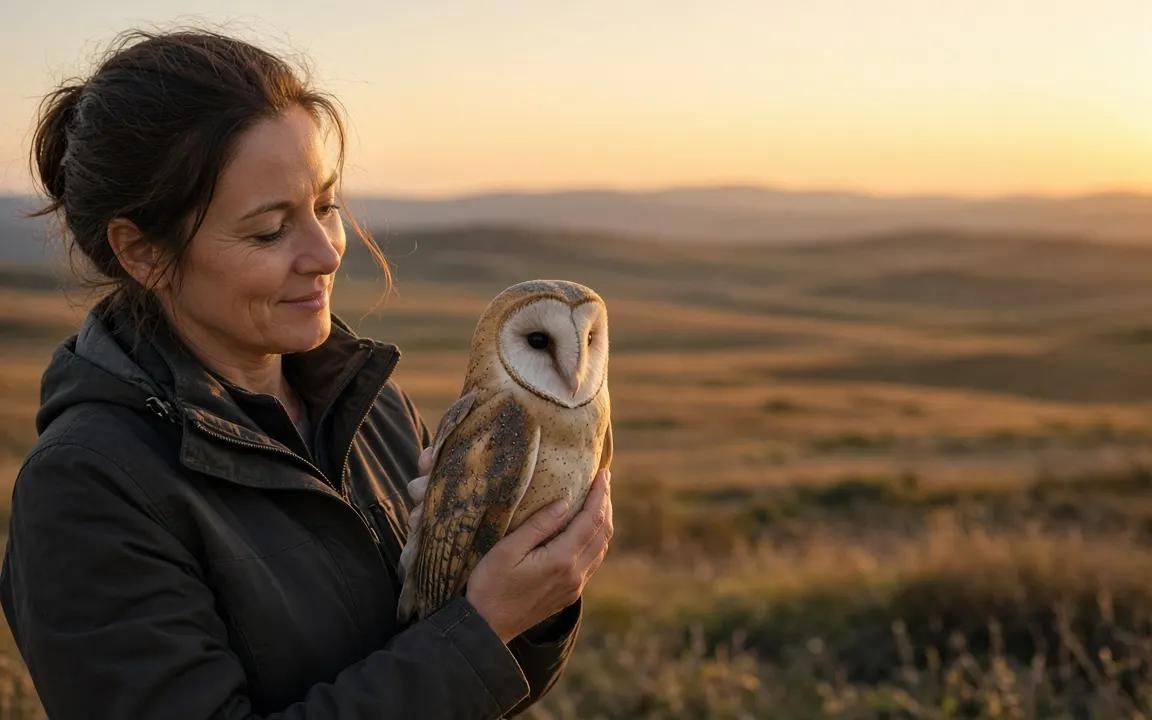
Tasmania, Australia
Zoo & Wildlife Cremation in Tasmania: what to know
If you run a collection or rehab center in Tasmania, the most useful thing you can do is write your aftercare plan before you need it: who calls whom, where bodies are kept cold, which lab and which providers you'll use by weight band and how every hand-off is recorded. The city pages below add local weather, capacity and cost notes.
Large-animal capacity in Tasmania is patchy. Pet crematories cluster around cities, equine-size chambers are fewer and often rural, and diagnostic labs may be hours away from the communities that need them. That's why the nearest provider isn't always the right one, and why we sometimes point a sanctuary to a lab two hours away or an equine provider across the state.
We cover 2 communities in Tasmania, from Hobart and Launceston.

Every Tasmania community we cover
Choose your city or town for local prices, weather and timing, and rules. 2 communities in Tasmania, largest first below.
How Tasmania thinks about cremation, and what that means for your animals
Cremation is well established in Tasmania, where about 71%[1] of people are cremated. That broad acceptance helps when a zoo or sanctuary wants to explain its choices to donors and visitors, and it means individual cremation for smaller animals is easy to find. It doesn't settle disease cases, though: when avian influenza or another reportable condition is suspected, the state veterinarian decides the route, not local custom.
The cremation figure for Tasmania comes from FuneralSmart (2023). It counts people, not pets, so treat it as a guide to local attitudes rather than a pet statistic.
How providers near Tasmania price large and exotic animals
For small patients, the gap between communal and individual cremation is large. One Auckland provider lists NZD 55 communal against NZD 305 individual for a 2 to 7 kg animal [2]. For routine native birds and small carer cases, communal makes sense; keep individual cremation for long-term residents and education animals.
In Australia, a survey of listed prices puts the median individual cremation at about AUD 412 median[3] for animals up to 5 kg, rising with weight. That covers most birds, reptiles and small mammals in a collection. Hoofstock, large marsupials and big carnivores are quoted per job, and the provider list shortens quickly.
| Animal size | Price | Where |
|---|---|---|
| Up to 5 kg | AUD 412 median[3] | Australia, median |
| 40 to 60 kg / over 60 kg | AUD 624 / AUD 650 | Australia, medians |
| 70 to 95 kg | NZD 625 | Auckland, individual |
| Over 100 kg | Quoted per job | Few providers; ask about chamber size |

Free tool
Cremation cost calculator
Estimate a realistic price range for your pet's size, location and the type of cremation.
Rules in Tasmania that can decide the route for you
Cremation itself rarely needs a permit. What gets regulated is everything around it: how fast a dead animal must be disposed of, whether it can be buried and where, what happens during a disease outbreak and what records protected species need. Here's the general picture for Tasmania; your state veterinarian or agriculture department has the final word.
In Australia, state and territory rules govern disposal of large animals, and summer heat makes cold storage and fast transport essential for any useful necropsy. Wildlife carers handle large volumes of native animals, many of which go to communal cremation or council-approved disposal. Ask your state wildlife authority about protected species and any conditions on remains.
- Burial at home: Confirm the rule for the actual parcel and proposed burial with the local authority and property owner.
- Scattering ashes: Ask the exact land manager about scattering before making arrangements; a general gathering permission is a separate matter.
- Who oversees it: the authority responsible for the specific activity and location; this guide does not identify a universal permit or licensing rule
- Worth knowing: Record the service method, release authority, identification and return instructions in writing.
A city's population does not establish which aftercare activities are allowed at an address. Check the actual site and activity before proceeding.
The first hours, in order
- Call the attending vet or pathologist first, before anyone moves the body. They decide whether a necropsy is needed, what samples to take and whether anything reportable is suspected.
- Start the record now: the animal's ID and species, when it died, who discovered it and who carried it. From this point on, each hand-off needs a signed name.
- Get the body cold using a cooler or a refrigerated trailer. Hold off on freezing until the vet confirms no samples are wanted.
- Give keepers a few minutes alone with the animal, if that's what they'd like, ahead of the pathology work.
- Confirm the route in writing: lab disposal, individual cremation with ashes returned, digestion or burial. Put the ashes request on the lab submission form if it applies.
- Book transport and any heavy-lift equipment, with the route out of the habitat agreed in advance.
- File the certificate under the animal's ID, and record whether any tissues or the skeleton were kept.
Remembering animals the keepers and public loved
Sanctuaries often mark a resident's death with the people who cared for them: a small gathering at the resident's favorite spot, a tree planted over ashes or a marker by the barn. For supporters, a short story about the animal's life, shared with care, can turn grief into gratitude. Our guide to staff and donor-facing remembrances has formats that work.
Next: see what each choice includes on services, run your own numbers in the tools, check the poll results, or pick another area from all locations.

Reader polls
What would you choose?
Vote anonymously and see how other readers answered. The results are live counts from people who visit this site, so they show real opinions, not a scientific sample.
After a death in your collection, how often is there a necropsy before aftercare?
Tap an answer to vote and see how others answered. Anonymous.
When a long-time animal dies, what support do the keepers get?
Tap an answer to vote and see how others answered. Anonymous.
If you had to decide today, which aftercare would you choose for your pet?
Tap an answer to vote and see how others answered. Anonymous.

Free tools to help you plan
Cremation cost calculator
Estimate a realistic price range for your pet's size, location and the type of cremation.

Livestock mortality planner
Plan disposal capacity and costs for farm losses, from one animal to a herd.

Ashes weight estimator
See roughly how much ash to expect back, by species and body weight.
Questions people ask
How do winters in Tasmania affect aftercare?
In the colder parts of Tasmania, frozen ground can rule out burial for months and snow can block heavy vehicles. In Tasmania, one of the coldest places we cover, winter lows average about °F. Keep a cremation or lab fallback and don't freeze a body before necropsy unless the vet agrees.
How is zoo animal aftercare handled in Tasmania?
Smaller species usually go to pet crematoria, and larger or diseased animals follow national animal health rules through approved collectors, labs or government routes. The attending vet is the best first call, because they'll know which providers accept exotic species locally.
Is there a large-animal crematory in Tasmania?
Often there's at least one equine-size provider, but not always close to you, and very few chambers anywhere can take an intact animal much over 1,500 lb. Send us the species and weight and we'll tell you what's realistically within reach, including labs and alternatives.
How much does zoo and wildlife cremation cost in Tasmania?
Small animals are priced like household pets, rising with weight. Larger animals are quoted per job based on weight, access, distance and after-hours work. Lab routes such as tissue digestion can cost less per pound but don't return ashes unless arranged. Ask every provider for an itemized written total.
What's the largest animal a crematory in Tasmania can take?
Large-animal incinerators are commonly rated for up to about a 1,500 lb load[5] (one manufacturer's rating). Heavier animals are usually divided and run through more than one load, or go to a lab or a legal burial instead. Ask each provider for its real limit for an intact animal.
Is cremation common in Tasmania?
For people, about 71%[1] of deaths in Tasmania end in cremation, which is a fair signal of how many crematories exist for small animals. It says little about large-animal capacity, so always ask a provider about weight limits directly.

Sources and our estimates
- [1] Australian cremation rates hovered around 70-72% between 2020 and 2023, with Sydney and Melbourne often above 80%. FuneralSmart, 2023.
- [2] The same Auckland provider lists individual cremation at NZD 625 and communal at NZD 215 for a 70-95 kg dog, and NZD 305 vs NZD 55 for a 2-7 kg pet. Caring Cremations (Auckland) - Pet cremation prices, 2026.
- [3] An Australian provider survey of listed prices puts the median individual cremation at AUD 412 for pets up to 5 kg (range AUD 295-612). Pet Farewell (Australia) - Pet Cremation Cost Australia (2026), 2026.
- [4] Midpoint horse cremation cost works out to about $0.80 per pound of body weight, versus about $0.14 per pound for rendering pickup and $0.23 per pound for on-farm composting. Our estimate: cremation $800 / 1,000 lb; rendering $137.50 / 1,000 lb; composting $275 / 1,200 lb. How we calculate.
- [5] An animal incinerator sized for agricultural and animal-control use holds up to 1,500 lb per load with a maximum burn rate of 250 lb per hour (manufacturer specification). B&L Cremation Systems (manufacturer) - BLI-1500 Animal Incinerator specifications.
Plan aftercare for an animal in your care
Tell us what you need and where you are. We'll reply by email with clear options and prices so you can decide in your own time.