Cremation and necropsy logistics for exotic and wild animals in Newcastle
Whether you run a collection, a rehab center or a sanctuary in Newcastle, the order is the same: vet or pathologist first, cold storage second, cremation third. Here's how that works locally and what it costs.
- Necropsy and cold storage handled in the right order
- Capacity checked against your animal's weight
- Written custody terms before anything moves
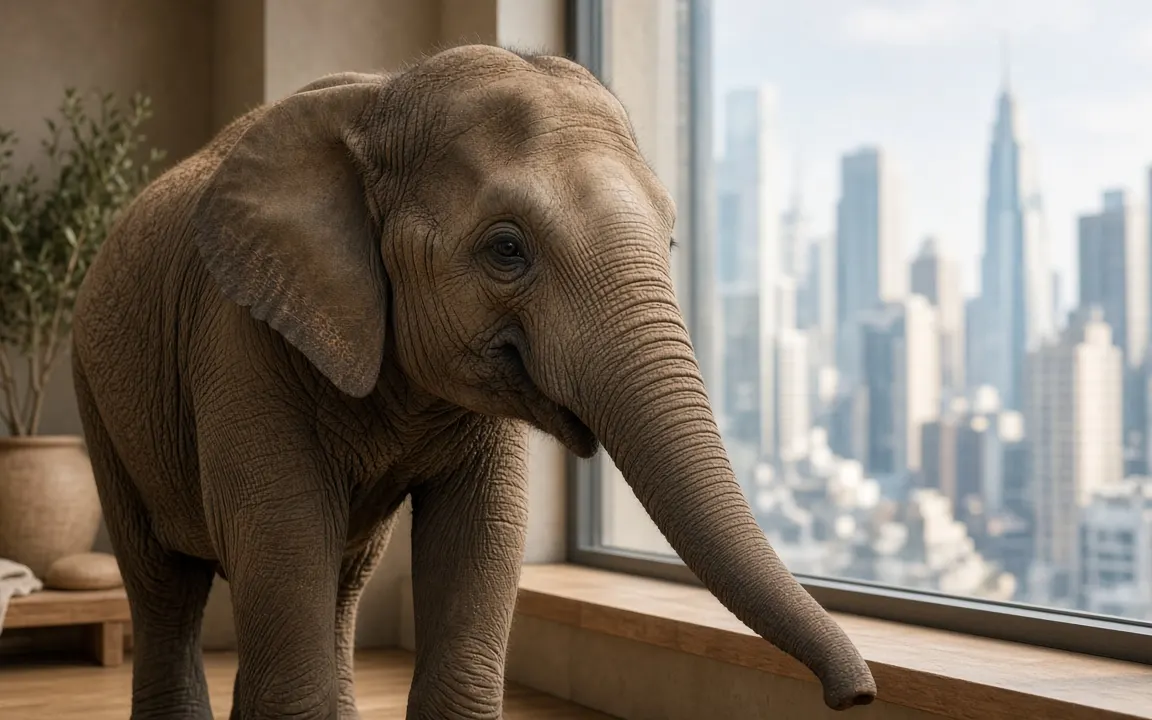
Newcastle, New South Wales
What zoo and wildlife aftercare looks like in Newcastle
Floods along the Hunter River, which have repeatedly swamped low-lying land around Maitland, and summer bushfire seasons both affect large-animal care near Newcastle. Floodwater can cut access to paddocks for days, while heat and smoke make hard days harder for older animals. If you care for an ageing horse, cattle or goats, plan ahead with your vet, including where a vehicle could reach the animal above flood level.
Newcastle is the gateway to the Hunter Valley, one of Australia's major thoroughbred breeding regions, especially around Scone in the Upper Hunter. Closer to the city, hobby farms and horse properties in Maitland, Port Stephens and the Lower Hunter keep horses, cattle, sheep and goats. If you keep large animals here, tell providers the animal's weight and access to your paddock.
Private keepers of exotic animals live in and around Newcastle too: large parrots, big constrictors, tortoises, primates where the law allows and hoofstock on acreage outside town. Most of these animals fit a standard or large pet crematory, and individual cremation works much as it does for a family dog. What changes is the paperwork, the need to find a vet who treats the species and, for protected or permitted animals, a record of what happened to the remains.
Newcastle's population is around 505,000, the 2nd-largest of the 9 New South Wales communities we cover.
If you want to compare providers, look at Mosman (70 miles), Sydney (73 miles, a larger centre) and Wollongong (116 miles). Distance matters because pickup fees and the time until the ashes come back both grow with the drive.
71%[1]
Australian cremation rates hovered around 70-72% between 2020 and 2023, with Sydney and Melbourne often above 80%.
$600-$1,000[2]
Cremating a 1,000-pound horse was reported to cost about $600-$1,000, depending on location and the price of propane.
3-5% of body weight[3]
Embrace notes cremated remains typically weigh about 3-5% of the pet's original body weight.
Sources for the statistics above: Embrace Pet Insurance and Extension Horses (eXtension national Cooperative Extension).
What the human cremation rate in Australia does and doesn't tell you
About 71%[1] of people in Australia are cremated, one of the higher rates around. For zoos and sanctuaries, that tends to mean competitive pricing for birds, reptiles and small mammals and a public that readily understands why a beloved animal's ashes might come home for a memorial. The harder part is the rare very large animal, which may still need a lab, a digester or a specialist provider further afield.
The Australia figure comes from FuneralSmart (2023). It describes people, not pets, so read it as a sign of local attitudes rather than a pet statistic.
Newcastle weather, cold storage and timing
Seasons change the workload as much as the logistics. Hot spells raise deaths among birds and older animals, migration seasons can bring disease into rehab intake, and wet or frozen ground limits burial. Review your protocol with your vet once a year so it fits the months ahead.

How providers near Newcastle price large and exotic animals
In Australia, a survey of listed prices puts the median individual cremation at about AUD 412 median[4] for animals up to 5 kg, rising with weight. That covers most birds, reptiles and small mammals in a collection. Hoofstock, large marsupials and big carnivores are quoted per job, and the provider list shortens quickly.
Prices for Newcastle track the wider New South Wales market, so use the New South Wales price table as your baseline and the services page to see what is included.

Free tool
Cremation cost calculator
Estimate a realistic price range for your pet's size, location and the type of cremation.
Legal limits worth checking in New South Wales
Rules about remains assume someone has the right to decide what happens to them. For animals on loan, on a breeding agreement or held under a government permit, that may not be you. Check the loan or permit terms before choosing a route, then look at the general rules for New South Wales below. The owning institution or agency may want the necropsy report, tissues or the whole body.
In Australia, state and territory rules govern disposal of large animals, and summer heat makes cold storage and fast transport essential for any useful necropsy. Wildlife carers handle large volumes of native animals, many of which go to communal cremation or council-approved disposal. Ask your state wildlife authority about protected species and any conditions on remains.
The rules that apply across New South Wales (home burial, scattering and who oversees pet cremation) are summarized on our New South Wales page. Newcastle may add its own conditions, so check with the city or county before digging.
From enclosure to certificate, step by step
- Call the attending vet or pathologist first, and keep everyone away from the body until they've answered. It's their call whether a necropsy happens, which samples get taken and whether something reportable might be involved.
- Start the record now: the animal's ID and species, when it died, who discovered it and who carried it. From this point on, each hand-off needs a signed name.
- Get the body cold in a cooler or refrigerated trailer. Don't freeze it unless the vet says samples aren't needed.
- Give keepers a few minutes alone with the animal, if that's what they'd like, ahead of the pathology work.
- Confirm the route in writing: disposal through the lab, individual cremation with the ashes coming back, digestion or burial. If ashes are wanted, that request belongs on the lab submission form itself.
- Book transport and any heavy-lift equipment, and settle beforehand how the body will be brought out of the habitat.
- File the certificate under the animal's ID, and record whether any tissues or the skeleton were kept.
Ways Newcastle teams mark the loss of an animal
Large-animal aftercare in the Hunter usually means a knackery or removal service, burial on your own land where council and state rules allow, or a private cremation of the individual animal with the ashes returned, which fewer providers can offer for horses or cattle. Ask what is included, especially collection from your property along rural roads, and get the total in writing before agreeing. Your vet can often recommend local options.
use the free tools before you ring anyone, For a plain comparison of the choices, open services, go deeper with the guides or catch up on recent articles, or look at how readers voted in our polls. You can also browse every city in Australia. Nearby, we also cover Sydney, Wollongong, Dubbo and Albury, and every city in New South Wales.

Reader polls
What would you choose?
Vote anonymously and see how other readers answered. The results are live counts from people who visit this site, so they show real opinions, not a scientific sample.
How should a zoo mark the death of an animal visitors loved?
Tap an answer to vote and see how others answered. Anonymous.
After a death in your collection, how often is there a necropsy before aftercare?
Tap an answer to vote and see how others answered. Anonymous.
If you had to decide today, which aftercare would you choose for your pet?
Tap an answer to vote and see how others answered. Anonymous.

Free tools to help you plan
Cremation cost calculator
Estimate a realistic price range for your pet's size, location and the type of cremation.

Livestock mortality planner
Plan disposal capacity and costs for farm losses, from one animal to a herd.

Ashes weight estimator
See roughly how much ash to expect back, by species and body weight.
Questions people ask
How do Australia attitudes to cremation compare?
FuneralSmart (2023) puts the Australia human cremation rate at about 71%[1]. We show it on the Newcastle page because pet aftercare choices tend to track it: where cremation is normal for people, communal and private pet cremation are both easy to find.
Which nearby towns can I compare with Newcastle?
The closest communities we cover are Mosman (about 70 miles), Sydney (about 73 miles) and Wollongong (about 116 miles). Providers based in those places often serve Newcastle too. Ask each one for a written total that includes collection, so the distance is priced in.
How are zoo and large animals disposed of in Australia?
State and territory rules apply, so the answer varies. Smaller collection animals and most wildlife carer cases go to pet crematoria, communal or individual. Heavier animals get a one-off price or go through council-approved disposal, and protected native species may carry conditions from your state wildlife authority. Summer heat makes same-day cold storage essential.
Do we need a standing contract with a cremation provider?
You don't have to have one, but it helps a lot. A standing arrangement settles capacity limits, after-hours response, weight-band pricing, invoicing and the custody paperwork before anyone is under pressure. Many institutions keep two: one local provider for small and mid-size animals and one with genuine large-animal capacity.
How much ash comes back from a large zoo animal?
Cremated remains typically weigh about 3-5% of body weight[3], mostly bone. A 400 lb big cat would return roughly 12 to 20 lb, and a 1,100 lb animal around 33 to 55 lb, far more than a standard urn holds. Many teams keep a portion for a memorial and scatter or bury the rest.
How do you cremate an animal as large as a giraffe or elephant?
Rarely intact. Very few chambers can take an animal much over 1,500 lb, so large cases are usually sectioned after necropsy and cremated in several loads, sent to a lab digester, rendered or buried on grounds where the law allows. If ashes matter, ask how every load will be tracked and combined, and get that promise in writing.


Sources and our estimates
- [1] Australian cremation rates hovered around 70-72% between 2020 and 2023, with Sydney and Melbourne often above 80%. FuneralSmart, 2023.
- [2] Cremating a 1,000-pound horse was reported to cost about $600-$1,000, depending on location and the price of propane. Extension Horses (eXtension national Cooperative Extension) - Horse Disposal Options, 2019, 2019.
- [3] Embrace notes cremated remains typically weigh about 3-5% of the pet's original body weight. Embrace Pet Insurance - Bury or Cremate Your Dog? Costs, Pros & Cons, 2025.
- [4] An Australian provider survey of listed prices puts the median individual cremation at AUD 412 for pets up to 5 kg (range AUD 295-612). Pet Farewell (Australia) - Pet Cremation Cost Australia (2026), 2026.
- [5] A 1,100 lb horse uses about 73% of a 1,500 lb animal incinerator load, so large-animal units generally cremate one horse at a time. Our estimate: 1,100 / 1,500 x 100. How we calculate.
Plan aftercare for an animal in your care
Tell us what you need and where you are. We'll reply by email with clear options and prices so you can decide in your own time.