Zoo & Wildlife Cremation in Queensland
Aftercare for an animal in your care is part pathology, part logistics and part grief. Here's the practical picture for Queensland, written for the people who have to arrange it.
- From songbirds to hoofstock, sized honestly
- Records matched to your animal IDs
- Local weather and timing built into the plan
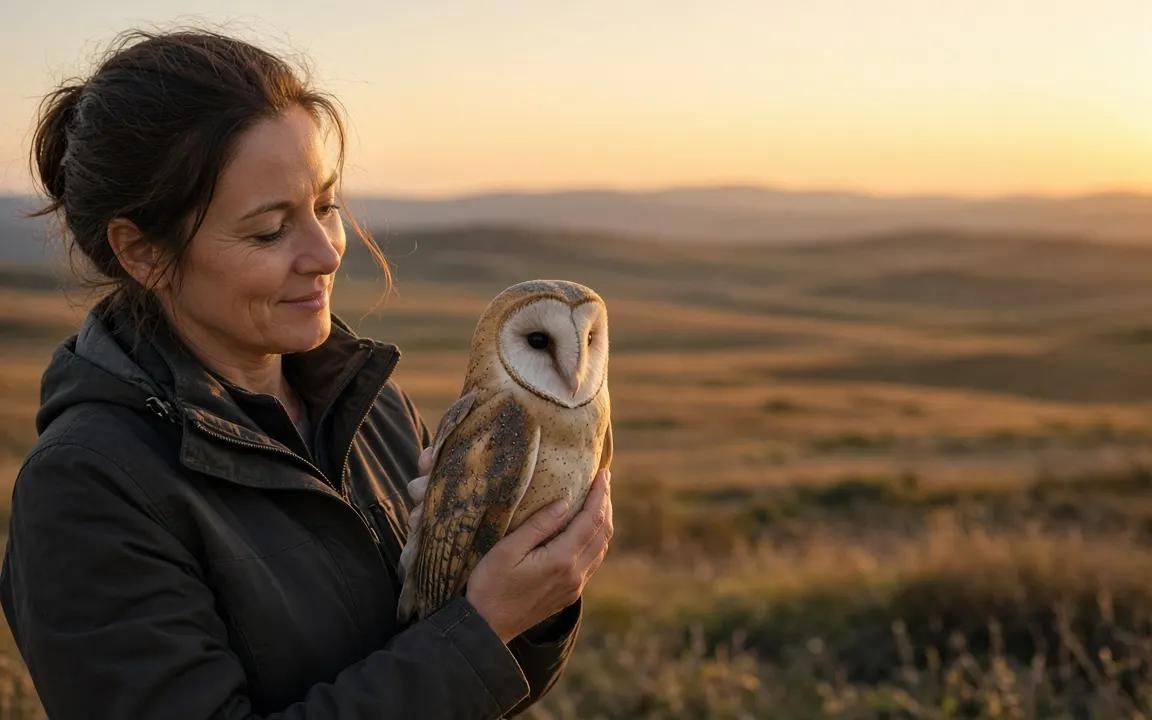
Queensland, Australia
Zoo & Wildlife Cremation in Queensland: what to know
Most of the institutions that need this service in Queensland aren't zoos. They're wildlife rehabilitators, farm and exotic sanctuaries, nature centers, university programs and private keepers of large or unusual animals. Their needs overlap more than they differ: fast cold storage, a provider with the right capacity, records that stand up to an inspection and a respectful way to remember animals people cared for.
Disease rules can decide the route before anyone calls a crematory. In Queensland, as across the country, a bird death during an avian influenza outbreak may need testing, and deer or elk remains from a chronic wasting disease area may not be allowed to leave the area whole. The state veterinarian and wildlife agency set those rules; this page explains how they affect aftercare.
We cover 8 communities in Queensland, from Brisbane, Gold Coast and Sunshine Coast to smaller towns.

Every Queensland community we cover
Choose your city or town for local prices, weather and timing, and rules. 8 communities in Queensland, largest first below.
Cremation culture in Queensland and its effect on local capacity
Cremation is the norm in Queensland: about 71%[1] of people who die there are cremated. That familiarity shows up in the pet trade too, with plenty of crematories for small and mid-size animals and staff who are used to confirming individual cremation in writing. It says nothing, though, about large-animal capacity. Even where cremation is this common, chambers big enough for hoofstock or large carnivores are few, so always ask about weight limits directly.
That Queensland rate is a human statistic published by FuneralSmart (2023); there is no pet equivalent, so we use it as a signal of how families here already think.
Reading an aftercare quote in Queensland
In Australia, a survey of listed prices puts the median individual cremation at about AUD 412 median[2] for animals up to 5 kg, rising with weight. That covers most birds, reptiles and small mammals in a collection. Hoofstock, large marsupials and big carnivores are quoted per job, and the provider list shortens quickly.
For small patients, the gap between communal and individual cremation is large. One Auckland provider lists NZD 55 communal against NZD 305 individual for a 2 to 7 kg animal [3]. For routine native birds and small carer cases, communal makes sense; keep individual cremation for long-term residents and education animals.
| Animal size | Price | Where |
|---|---|---|
| Up to 5 kg | AUD 412 median[2] | Australia, median |
| 40 to 60 kg / over 60 kg | AUD 624 / AUD 650 | Australia, medians |
| 70 to 95 kg | NZD 625 | Auckland, individual |
| Over 100 kg | Quoted per job | Few providers; ask about chamber size |

Free tool
Cremation cost calculator
Estimate a realistic price range for your pet's size, location and the type of cremation.
Disposal, disease and permit rules in Queensland
Public health officials can have a say too. When a rabies-vector species dies after contact with people, or a zoonotic disease is suspected, the local health department may need the body before any aftercare happens. Wildlife and agriculture rules for Queensland are summarized below; add your health department's number to your protocol alongside them.
In Australia, state and territory rules govern disposal of large animals, and summer heat makes cold storage and fast transport essential for any useful necropsy. Wildlife carers handle large volumes of native animals, many of which go to communal cremation or council-approved disposal. Ask your state wildlife authority about protected species and any conditions on remains.
- Burial at home: Confirm the rule for the actual parcel and proposed burial with the local authority and property owner.
- Scattering ashes: Ask the exact land manager about scattering before making arrangements; a general gathering permission is a separate matter.
- Who oversees it: the authority responsible for the specific activity and location; this guide does not identify a universal permit or licensing rule
- Worth knowing: Record the service method, release authority, identification and return instructions in writing.
A city's population does not establish which aftercare activities are allowed at an address. Check the actual site and activity before proceeding.
A practical sequence for keepers, vets and rehabbers
- Separate and bag the body and assign an intake number, using gloves and protective gear whenever disease can't be ruled out.
- Check whether the species needs reporting or testing. Birds during avian influenza outbreaks, mammals that carry rabies and cervids close to chronic wasting disease areas are the usual triggers.
- Chill or freeze routine cases in a dedicated, labeled freezer away from food and patient areas.
- Log the disposition against your permit records, including species, date and route.
- Send routine cases on your scheduled pickup; the default is communal unless individual cremation was requested.
- Flag special cases, for example a protected species or a veteran of the education program, so it's handled individually and comes back with a certificate.
Honoring an animal in Queensland
Private keepers of exotic animals sometimes feel their grief isn't taken seriously. It is here. A parrot that lived for decades or a tortoise older than your children leaves a real gap. An engraved urn, a feather or scale kept in a frame or a planting in the garden are all good ways to keep them close.
If Queensland is not quite where you are, all locations has the rest. Otherwise the services page, the tools and the poll results are the useful next stops.

Reader polls
What would you choose?
Vote anonymously and see how other readers answered. The results are live counts from people who visit this site, so they show real opinions, not a scientific sample.
After a death in your collection, how often is there a necropsy before aftercare?
Tap an answer to vote and see how others answered. Anonymous.
How does your organization arrange aftercare today?
Tap an answer to vote and see how others answered. Anonymous.
If you had to decide today, which aftercare would you choose for your pet?
Tap an answer to vote and see how others answered. Anonymous.

Free tools to help you plan
Cremation cost calculator
Estimate a realistic price range for your pet's size, location and the type of cremation.

Livestock mortality planner
Plan disposal capacity and costs for farm losses, from one animal to a herd.

Ashes weight estimator
See roughly how much ash to expect back, by species and body weight.
Questions people ask
Is cremation common in Queensland?
For people, about 71%[1] of deaths in Queensland end in cremation, which is a fair signal of how many crematories exist for small animals. It says little about large-animal capacity, so always ask a provider about weight limits directly.
How do winters in Queensland affect aftercare?
In the colder parts of Queensland, frozen ground can rule out burial for months and snow can block heavy vehicles. In Queensland, one of the coldest places we cover, winter lows average about °F. Keep a cremation or lab fallback and don't freeze a body before necropsy unless the vet agrees.
How should a sanctuary in Queensland plan the euthanasia of a large resident?
Book the vet, the provider and any lifting equipment for the same morning, confirm the euthanasia drug so the disposal route fits and prepare firm, screened ground where a vehicle can reach. Give the caregivers time to say goodbye, and settle beforehand whether the team wants ashes.
Can we get ashes back after a lab necropsy in Queensland?
Yes, if you arrange it before the necropsy. Many labs dispose of remains themselves by incineration or digestion unless the submission form says the remains should be released to a crematory. Put the request in writing and confirm who collects from the lab.
How many communities do you cover in Queensland?
We have local guides for 8 communities in Queensland, including Brisbane, Gold Coast and Sunshine Coast. Each page covers local weather and timing, price benchmarks, rules and what capacity is usually within reach. For your specific animal, send us the species, weight and location.
Is there a large-animal crematory in Queensland?
Often there's at least one equine-size provider, but not always close to you, and very few chambers anywhere can take an intact animal much over 1,500 lb. Send us the species and weight and we'll tell you what's realistically within reach, including labs and alternatives.

Sources and our estimates
- [1] Australian cremation rates hovered around 70-72% between 2020 and 2023, with Sydney and Melbourne often above 80%. FuneralSmart, 2023.
- [2] An Australian provider survey of listed prices puts the median individual cremation at AUD 412 for pets up to 5 kg (range AUD 295-612). Pet Farewell (Australia) - Pet Cremation Cost Australia (2026), 2026.
- [3] The same Auckland provider lists individual cremation at NZD 625 and communal at NZD 215 for a 70-95 kg dog, and NZD 305 vs NZD 55 for a 2-7 kg pet. Caring Cremations (Auckland) - Pet cremation prices, 2026.
- [4] A 1,100 lb horse would be expected to return roughly 38.5 lb of cremated remains (plausible range 33-55 lb). Our estimate: 1,100 lb x 3.5% (range 3%-5%). How we calculate.
Plan aftercare for an animal in your care
Tell us what you need and where you are. We'll reply by email with clear options and prices so you can decide in your own time.