How much ash will come back? An estimator for zoo and wildlife animals
Cremated remains are mostly bone and usually weigh about 3-5% of body weight[1]. That's a few ounces for a parrot, a bag of flour for a gorilla and a few hundred pounds for an elephant.
- Range by species and body weight
- Everyday comparisons that make sense of it
- Notes for birds, marine mammals and megafauna
Ashes weight estimator
Cremated remains are mostly bone, so they typically weigh about 3–5% of body weight.
Expected ashes
9 lb–15 lb
That's about the weight of a bowling ball.
Source: Embrace Pet Insurance - Bury or Cremate Your Dog? Costs, Pros & Cons
Next step: Get exact prices near you →
Using the estimator
How to use the ashes weight estimator
The type of animal starts on zoo or wildlife animal; switch to bird, reptile, horse or another option if it fits better, then enter the body weight. The estimator shows a low-to-high range for the weight of cremated remains and an everyday comparison, such as a bag of sugar or a bowling ball, so the number means something when you're planning an urn or a garden.
Use the most recent veterinary weight you have. Zoo animals are weighed more often than most pets, which helps, but weight can drop sharply in a final illness. If the animal lost a lot of condition, the skeleton didn't shrink with it, so the ash weight will sit toward the top of the range for the recorded weight.
Behind the numbers
How the estimate is calculated, and why bone matters most
The estimator applies the common pet industry range of 3-5% of body weight[1]. That range comes from a pet insurer's guidance; for comparison, a study of human cremation found remains averaged 3.5%[2] of body weight in adults. The same research found adult remains averaged about 2,430 g[3], and, more usefully, that height predicted the amount better than weight did, because ash is almost entirely bone.
You can read the original study of 100 commercial cremations yourself. It found that stature, not body weight, best predicted the weight of remains, because ash is mostly bone.
That has real consequences for zoo species. A heavily muscled primate with a dense skeleton sits toward the top of the range. A sea lion or walrus, with a thick layer of blubber, sits toward the bottom. Birds, whose bones are light and air-filled, return less than their weight suggests, and very small animals may return only a spoonful.
| Animal and weight | Estimated ashes | The estimator compares it to |
|---|---|---|
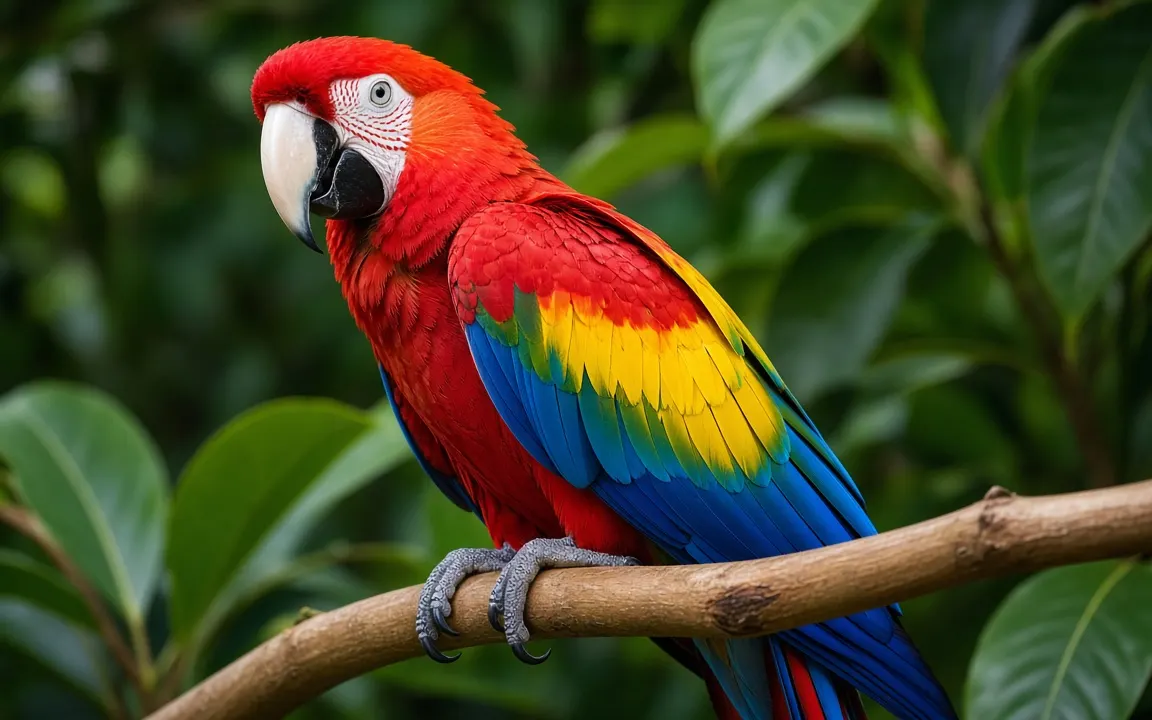
| Macaw, 2.5 lb | About 1.2 to 2 oz | A golf ball |
| Red panda, 12 lb | About 5.8 to 9.6 oz | A smartphone |
| Snow leopard, 90 lb | About 2.7 to 4.5 lb | A 5 lb bag of flour |
| Silverback gorilla, 380 lb | About 11.4 to 19 lb | A bowling ball |
| Giraffe, 2,400 lb | About 72 to 120 lb | Two full suitcases |
| Asian elephant, 8,000 lb | About 240 to 400 lb | A motorcycle |
Worked example
Worked example: a silverback gorilla the public grew up with
A zoo has lost its 38-year-old silverback, a 380 lb western lowland gorilla who led the troop for most of that time. The keeper team wants a portion of ashes for a memorial garden near the habitat, and the troop's long-time keeper would like a small keepsake.
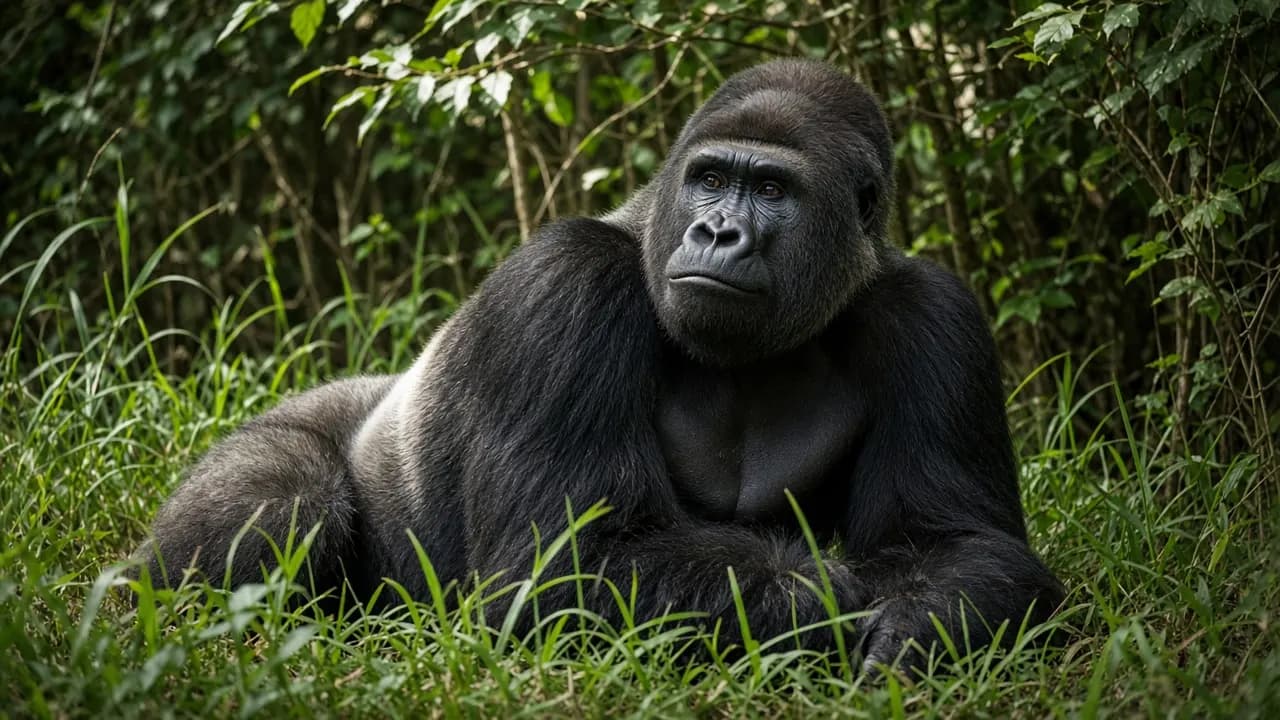
Entering 380 lb gives 11.4 to 19 lb, about the weight of a bowling ball, likely toward the upper half given a gorilla's heavy skeleton. That's too much for a standard urn but ideal for a garden interment with a keepsake taken first. If the skull was kept for the zoo's teaching collection, as sometimes happens, expect noticeably less.
Age matters too. A comparison of zoo and wild mammal lifespans found zoo populations outlived wild ones in most species studied, so many animals entered here will be elderly, and older animals often lose muscle while keeping their skeleton. For ways to share a large amount of ash, see our memorial ideas for zoo and wildlife animals, and the live poll results show what other teams did. If the total is more than one urn can hold, the services page covers partial cremation and scattering, and the locations pages help you find a provider nearby.
By comparison, our estimate for a horse-sized animal of 1,100 lb is about 38.5 lb[4]. The urn size calculator turns either figure into a volume, and our guide to memorial ideas covers what institutions do with larger amounts.
Reading the result
What the ash estimate means for your memorial plans
The number shapes three decisions. Container: anything over a few pounds needs a large urn or a custom vessel. Sharing: small keepsakes barely dent even a modest amount, so a keeper team can each have one. Place: tens or hundreds of pounds point toward interment or scattering, not a shelf.
For very large animals, remember that the ashes may come from several cremation loads, or only a portion may have been cremated at all. Ask the provider to confirm the returned weight in writing. It's a simple check that a sectioned cremation was combined properly. Our vendor questions for institutions include this.
For your largest animals, what's the hardest part of aftercare?
Tap an answer to vote and see how others answered. Anonymous.
It's also worth telling the keeper team what to expect before the ashes arrive. People are often surprised by how much comes back from a large animal, or how little from a bird, and a quick word beforehand makes the moment of handing over easier. A keeper who knows a macaw returns only a small handful won't worry that something went wrong.
Honest limits
What the ashes estimator can't tell you
- The exact weight for species with unusual skeletons, such as turtles with heavy shells or birds with hollow bones
- How much was retained at necropsy for histology, collections or research
- Whether a provider returns every fragment or only processed ash
- The difference that water cremation makes, which often returns slightly more
Treat the result as a planning range. If a returned weight is far outside it, ask the provider why. Our page on what happens during cremation explains how bone is processed into the ash you receive. For budget planning, pair it with the cremation cost calculator, then send us the details for real options.

Reader polls
What would you choose?
Vote anonymously and see how other readers answered. The results are live counts from people who visit this site, so they show real opinions, not a scientific sample.
For your largest animals, what's the hardest part of aftercare?
Tap an answer to vote and see how others answered. Anonymous.
Where are (or will be) your pet's ashes?
Tap an answer to vote and see how others answered. Anonymous.
How should a zoo mark the death of an animal visitors loved?
Tap an answer to vote and see how others answered. Anonymous.

Free tools to help you plan

Ashes weight estimator
See roughly how much ash to expect back, by species and body weight.

Urn size calculator
Find the urn volume you need from your pet's weight, plus keepsake and sharing options.

Cremation cost calculator
Estimate a realistic price range for your pet's size, location and the type of cremation.
Questions people ask
Why do birds return so little ash?
Because ash is mostly bone, and bird bones are thin and filled with air. A 2.5 lb macaw may return only an ounce or two, sometimes less. Providers who handle birds regularly use small containers, and many owners of large parrots choose a keepsake-sized urn.
Does tortoise or turtle shell count as bone?
Largely, yes. A chelonian shell is fused bone covered by keratin scutes, so large tortoises can return more ash than their weight would suggest for other reptiles. Ask the provider about processing, because shell fragments can be dense.
How much ash comes back from an elephant?
At 3 to 5%, an 8,000 lb Asian elephant would produce roughly 240 to 400 lb of remains if cremated completely. In practice, very few elephants are cremated whole; a portion may be cremated for a memorial while the rest goes to another route. Ask what the returned amount represents.
Are the ashes safe to handle and scatter?
Cremated remains are sterile after the high temperatures of cremation, so they don't carry the disease risks of the body itself. They are very alkaline, though, so scatter thinly or mix with soil if you're placing them near plants, and follow your institution's own policies for habitats.


Sources and our estimates
- [1] Embrace notes cremated remains typically weigh about 3-5% of the pet's original body weight. Embrace Pet Insurance - Bury or Cremate Your Dog? Costs, Pros & Cons, 2025.
- [2] In a study of 100 commercial human cremations, cremated remains averaged about 3.5% of total body weight in adults, 2.5% in children and about 1% in fetuses; this is the benchmark most pet crematories adapt for animals. Warren MW, Maples WR. The anthropometry of contemporary commercial cremation. Journal of Forensic Sciences, 1997 (PMID 9144931), 1997.
- [3] Adult human cremains averaged 2,430 g (about 5.4 lb) and ranged from 876 g to 3,784 g; stature, not body weight, was the best predictor of cremains weight, because ash is mostly bone. Warren MW, Maples WR. The anthropometry of contemporary commercial cremation. Journal of Forensic Sciences, 1997 (PMID 9144931), 1997.
- [4] A 1,100 lb horse would be expected to return roughly 38.5 lb of cremated remains (plausible range 33-55 lb). Our estimate: 1,100 lb x 3.5% (range 3%-5%). How we calculate.
Plan what happens to the ashes
Tell us what you need and where you are. We'll reply by email with clear options and prices so you can decide in your own time.