Zoo & Wildlife Cremation in South Australia
Aftercare for an animal in your care is part pathology, part logistics and part grief. Here's the practical picture for South Australia, written for the people who have to arrange it.
- Options for rehabbers, sanctuaries and private keepers
- Biosecurity rules flagged before transport
- Per-job quotes you can put in front of finance
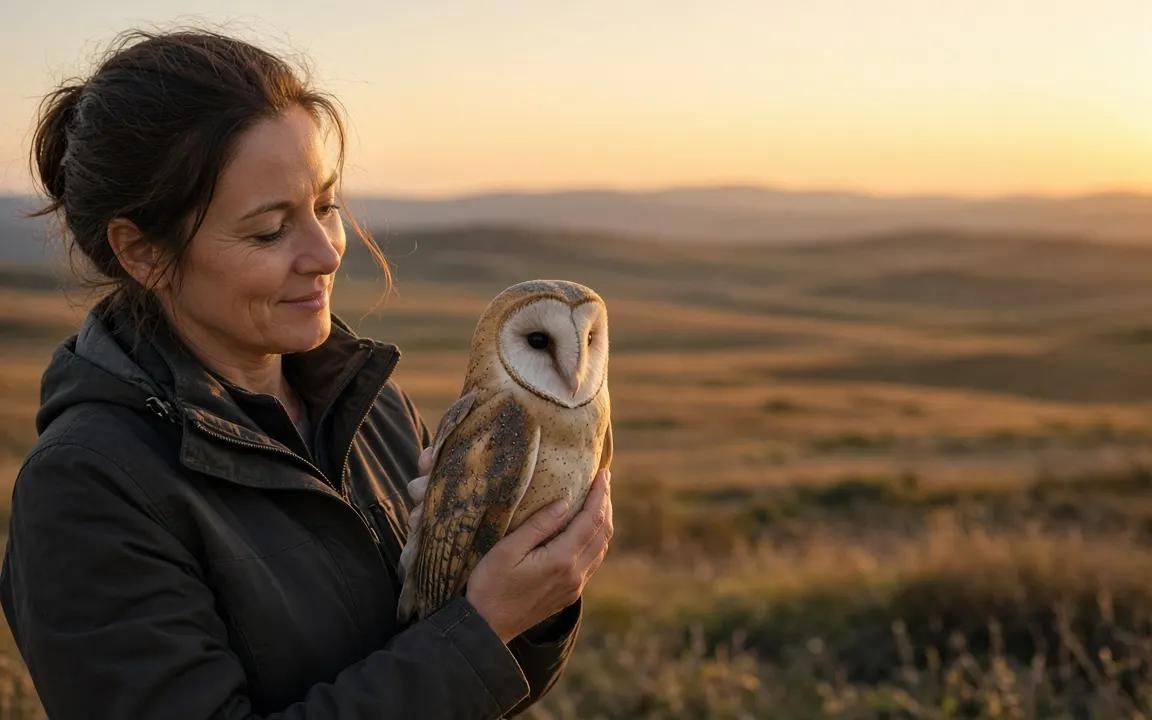
South Australia, Australia
Zoo & Wildlife Cremation in South Australia: what to know
Zoo and wildlife aftercare across South Australia depends less on the city and more on three things: whether a necropsy is needed, how heavy the animal is and whether any disease rules apply. Pet crematories near Adelaide handle birds, reptiles and small mammals easily. Hoofstock, large carnivores and megafauna need a specialist provider, a diagnostic lab or a planned burial, and those are thinner on the ground.
Whether you're in one of the larger centers like Adelaide or a rural county, the questions to ask any provider in South Australia are the same: what's your weight limit, can you take the animal intact, how is it identified from pickup to certificate, what's the total in writing and who answers the phone after hours?
We cover 1 community in South Australia, from Adelaide.

Every South Australia community we cover
Choose your city or town for local prices, weather and timing, and rules. 1 communities in South Australia, largest first below.
What local funeral customs in South Australia mean for animal aftercare
Cremation is well established in South Australia, where about 71%[1] of people are cremated. That broad acceptance helps when a zoo or sanctuary wants to explain its choices to donors and visitors, and it means individual cremation for smaller animals is easy to find. It doesn't settle disease cases, though: when avian influenza or another reportable condition is suspected, the state veterinarian decides the route, not local custom.
The cremation figure for South Australia comes from FuneralSmart (2023). It counts people, not pets, so treat it as a guide to local attitudes rather than a pet statistic.
Budgeting aftercare for large and exotic animals in South Australia
Listed Australian cremation prices vary hugely by state, from as little as AUD 150 in New South Wales to thousands for the largest animals in Queensland [2]. For a collection near South Australia, give the species and weight and ask for a written quote that lists collection and the certificate.
In Australia, a survey of listed prices puts the median individual cremation at about AUD 412 median[3] for animals up to 5 kg, rising with weight. That covers most birds, reptiles and small mammals in a collection. Hoofstock, large marsupials and big carnivores are quoted per job, and the provider list shortens quickly.
| Animal size | Price | Where |
|---|---|---|
| Up to 5 kg | AUD 412 median[3] | Australia, median |
| 40 to 60 kg / over 60 kg | AUD 624 / AUD 650 | Australia, medians |
| 70 to 95 kg | NZD 625 | Auckland, individual |
| Over 100 kg | Quoted per job | Few providers; ask about chamber size |

Free tool
Cremation cost calculator
Estimate a realistic price range for your pet's size, location and the type of cremation.
Who sets the rules for animal remains in South Australia
Rules about remains assume someone has the right to decide what happens to them. For animals on loan, on a breeding agreement or held under a government permit, that may not be you. Check the loan or permit terms before choosing a route, then look at the general rules for South Australia below. The owning institution or agency may want the necropsy report, tissues or the whole body.
In Australia, state and territory rules govern disposal of large animals, and summer heat makes cold storage and fast transport essential for any useful necropsy. Wildlife carers handle large volumes of native animals, many of which go to communal cremation or council-approved disposal. Ask your state wildlife authority about protected species and any conditions on remains.
- Burial at home: Confirm the rule for the actual parcel and proposed burial with the local authority and property owner.
- Scattering ashes: Ask the exact land manager about scattering before making arrangements; a general gathering permission is a separate matter.
- Who oversees it: the authority responsible for the specific activity and location; this guide does not identify a universal permit or licensing rule
- Worth knowing: Record the service method, release authority, identification and return instructions in writing.
A city's population does not establish which aftercare activities are allowed at an address. Check the actual site and activity before proceeding.
A practical sequence for keepers, vets and rehabbers
- Stop all animal movements in and out of the affected area as soon as you see several deaths.
- Call your vet and describe the pattern: species, numbers, timing and any signs before death.
- Isolate and chill the bodies separately, each bagged and labeled, with a note of where it was found.
- Let the vet choose which animals go for necropsy; a handful of representative cases is usually all that's needed.
- Report to the animal health authority whenever the vet thinks something notifiable is possible.
- Use the approved disposal route for the rest, and log every animal individually even if they're cremated together.
Memorials, keepsakes and staff grief
An animal's records can outlive it in a useful way. Longevity, breeding and health data feed the species studbooks and research that improve care for others: across more than 50 mammal species, zoo populations have been found to live longer than wild ones in 84%[5] of cases. Sharing the necropsy findings with the studbook keeper is a quiet tribute that keepers often appreciate.
The services page compares what each option includes, the planning tools turn your animal's details into figures, and the poll results show what other families chose. All locations lists every region we cover.

Reader polls
What would you choose?
Vote anonymously and see how other readers answered. The results are live counts from people who visit this site, so they show real opinions, not a scientific sample.
How do you keep chain-of-custody records for remains?
Tap an answer to vote and see how others answered. Anonymous.
How does your organization arrange aftercare today?
Tap an answer to vote and see how others answered. Anonymous.
If you had to decide today, which aftercare would you choose for your pet?
Tap an answer to vote and see how others answered. Anonymous.

Free tools to help you plan
Cremation cost calculator
Estimate a realistic price range for your pet's size, location and the type of cremation.

Livestock mortality planner
Plan disposal capacity and costs for farm losses, from one animal to a herd.

Ashes weight estimator
See roughly how much ash to expect back, by species and body weight.
Questions people ask
How do winters in South Australia affect aftercare?
In the colder parts of South Australia, frozen ground can rule out burial for months and snow can block heavy vehicles. In South Australia, one of the coldest places we cover, winter lows average about °F. Keep a cremation or lab fallback and don't freeze a body before necropsy unless the vet agrees.
How much does zoo and wildlife cremation cost in South Australia?
Small animals are priced like household pets, rising with weight. Larger animals are quoted per job based on weight, access, distance and after-hours work. Lab routes such as tissue digestion can cost less per pound but don't return ashes unless arranged. Ask every provider for an itemized written total.
Is there a large-animal crematory in South Australia?
Often there's at least one equine-size provider, but not always close to you, and very few chambers anywhere can take an intact animal much over 1,500 lb. Send us the species and weight and we'll tell you what's realistically within reach, including labs and alternatives.
Do institutions in South Australia use standing contracts for aftercare?
Many do. A standing arrangement agrees weight-band pricing, capacity limits, after-hours response and custody paperwork before a death happens. Institutions with frequent small losses and occasional large ones often keep two agreements: one local and one with large-animal capacity.
What should we do after a death in the heat?
Get the body into a cooler or refrigerated trailer within hours, especially for a large animal, which holds heat internally. In hot parts of South Australia, such as South Australia where summer highs average about °F, schedule lifts and transport for early morning.
How is zoo animal aftercare handled in South Australia?
Smaller species usually go to pet crematoria, and larger or diseased animals follow national animal health rules through approved collectors, labs or government routes. The attending vet is the best first call, because they'll know which providers accept exotic species locally.

Sources and our estimates
- [1] Australian cremation rates hovered around 70-72% between 2020 and 2023, with Sydney and Melbourne often above 80%. FuneralSmart, 2023.
- [2] Australian listed cremation price ranges vary by state: NSW AUD 150-1,824, VIC AUD 199-749, QLD AUD 165-3,670, WA AUD 175-750, SA AUD 400-1,980. Pet Farewell (Australia) - Pet Cremation Cost Australia (2026), 2026.
- [3] An Australian provider survey of listed prices puts the median individual cremation at AUD 412 for pets up to 5 kg (range AUD 295-612). Pet Farewell (Australia) - Pet Cremation Cost Australia (2026), 2026.
- [4] At an average rate of 250 lb per hour, the burn phase for a 1,100 lb horse would take at least about 4.4 hours, not counting preheating and cool-down. Our estimate: 1,100 lb / 250 lb per hour. How we calculate.
- [5] Across more than 50 mammal species, zoo populations lived longer than wild populations in 84% of species. Tidiere M et al. Comparative analyses of longevity and senescence reveal variable survival benefits of living in zoos across mammals. Scientific Reports, 2016 (PMID 27819303), 2016.
Get zoo and wildlife aftercare options for South Australia
Tell us what you need and where you are. We'll reply by email with clear options and prices so you can decide in your own time.