Planning a remembrance for staff and donors after a zoo animal dies
Hold the keepers' gathering first and privately, within days; plan any donor or member event a few weeks later, once the facts are confirmed. Grief at work is common: 92%[1] of employed pet owners in one UK survey said a loss affected their job.
By the Zoo & Wildlife Cremation Services editorial team · Updated September 24, 2026 · 5 min read · Sources
- Four event formats and who each is for
- Timing that fits necropsy results
- Wording for hard questions from guests
The short answer
Which kind of remembrance does your institution need?
Usually more than one, held at different times for different people. The keepers who worked with the animal every day need something small, soon and private. The wider staff may want a brief moment together. Donors, adopt-an-animal sponsors and long-time members often appreciate a quieter invitation later. The visiting public is a separate conversation, covered in our article on how zoos memorialize animals the public loved.
| Format | Who attends | When | Typical length |
|---|---|---|---|
| Keeper gathering | The animal's care team, vet staff, close volunteers | Within a few days | 20 to 45 minutes |
| All-staff moment | Anyone on site who wants to come | Within one to two weeks | 10 to 15 minutes |
| Donor and sponsor remembrance | Adopt-an-animal sponsors, major donors, board | Three to eight weeks later | About an hour |
| Anniversary or dedication | Staff, donors, sometimes the public | When a plaque or planting is ready | 30 to 60 minutes |
When a long-time animal dies, what support do the keepers get?
Tap an answer to vote and see how others answered. Anonymous.
The care team
How do you hold a keeper gathering that actually helps?
Keep it in their space, on their terms. The keeper break room, the service area behind the habitat or a quiet spot near where the animal liked to rest all work better than a conference room. Ask the lead keeper to shape it, and let managers attend only if the team wants them there.
Many keepers have been grieving for months before the death. Anticipatory grief is common even in households, where 75.4%[2] of bereaved owners in an RSPCA survey said they felt it. With a geriatric animal on a quality-of-life watch, keepers may have been dreading each morning check for weeks.
Staff who want to talk to someone outside work have free options. Cornell's pet loss support resources and the Tufts pet loss support helpline are run by veterinary schools, and the RSPCA's bereavement survey is a useful read for managers who doubt how much animal loss affects people at work.
- Share favorite stories, training milestones or the animal's odd habits.
- Look through photos and enrichment items the animal used.
- Decide together whether anyone would like a portion of ashes or a keepsake.
- Let people leave early without explanation.
- Make sure the next day's rota has some slack.
For the management side of keeper support, including leave and debriefs after euthanasia, see our article on supporting keepers after an animal dies.
Before you invite anyone
What facts need to be agreed before a donor event?
Wait for the necropsy findings, or at least the preliminary report, before you invite anyone outside the institution. Guests will ask how the animal died. If the answer changes between the invitation and the event, trust suffers.
Agree a short fact sheet with the vet, curator and communications lead: the animal's age, a sentence on cause of death that the vet is comfortable with, whether it was euthanasia, what happens to the remains and any memorial plans. Give every speaker the same sheet.
Be careful with remains. If a skeleton is going to a museum, tissues to a research bank or ashes to a keeper, decide in advance whether that's shared. Many donors find a research legacy meaningful, but surprises land badly. Our necropsy and aftercare workflow explains what's typically retained.
The donor remembrance
What does a good donor or sponsor remembrance look like?
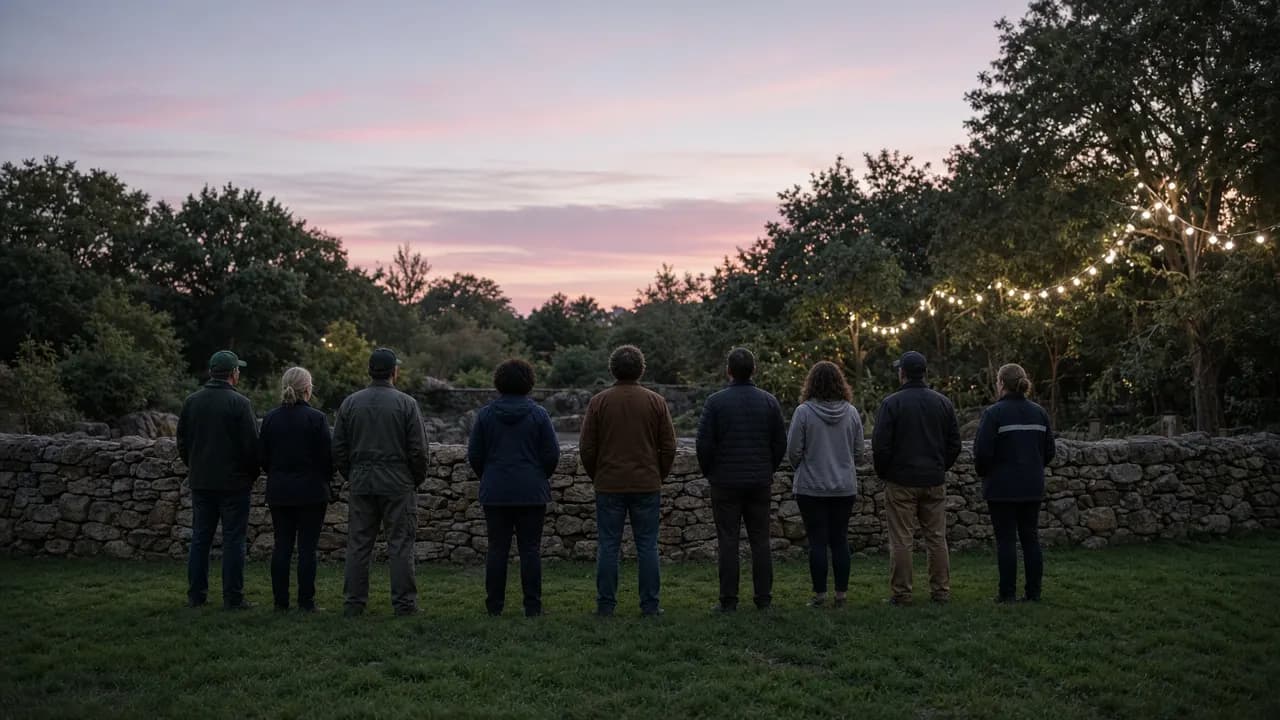
Short, personal and outdoors if the weather allows. Sponsors paid to support one animal, and many followed updates for years. They want to hear from the people who knew the animal, not a formal speech. A keeper talking for five minutes about daily life will mean more than any slideshow.
- Welcome and a sentence of thanks from the director (two minutes).
- A keeper's memories of the animal (five minutes).
- The vet or curator on what the animal's life contributed to the species (three minutes).
- Any memorial plans, such as a planting, plaque or named fund.
- Time to walk by the habitat or sign a remembrance book.
People now go to gatherings like this more than you might think. In a US funeral consumer survey, 25.9%[3] of people had attended an end-of-life event outside a funeral home in 2024, roughly double the year before. Informal remembrance has become normal, which makes a simple format feel right rather than thin.
Costs
How much should a remembrance event cost?
Often very little. The keeper gathering needs coffee and a room. A donor remembrance might add printed programs, light refreshments, flowers and a photographer. The expensive pieces are permanent: plaques, benches and plantings, which our guide to on-grounds memorial markers covers in detail.
A paw or footprint impression is often the keepsake keepers treasure most. By our estimate, crematories charge a median of about $32 for a paw-print add-on[4], though a big cat or bear print is usually cast by the vet team before the body leaves. Our memorial ideas article lists which keepsakes must be taken before necropsy. The services page explains how to ask for ashes back after necropsy, and the locations pages list providers by region.
Personal touches matter more than spend. Market research reports that 51% of pet owners are interested in personalized memorials[5], and sponsors are no different: a pressed leaf from the animal's favorite browse tree or a print of a footprint taken during necropsy can mean more than an engraved gift.

Free tool
Memorial budget planner
Add up cremation, urn, keepsakes and a farewell so the total holds no surprises.
The memorial budget planner lets you list each line, from cremation and a portion urn to flowers and a plaque, so the development office sees the full number up front.
When the animal was famous
What changes when the animal was known to generations of visitors?
Some animals outlive their keepers' careers. Cookie, a Major Mitchell's cockatoo at Brookfield Zoo, reached at least 82 years[6], which means grandparents who met him as children brought their grandchildren to see him. When an animal like that dies, the remembrance is partly a community event whether you plan one or not.
In that case, hold the keeper gathering exactly as planned, then consider an open remembrance day with a condolence book at the habitat. Keep speeches minimal and let people come and go. Ask whether a portion of the ashes should be kept for a future memorial; our article on memorial ideas for zoo and sanctuary animals lists options that suit a public setting.
A remembrance doesn't need to be grand. It needs the people who knew the animal most closely to be heard.
If you need help with the practical side, such as a cremation that returns ashes after necropsy or a keepsake from a very large animal, tell us what you're planning and we'll reply by email.

Reader polls
What would you choose?
Vote anonymously and see how other readers answered. The results are live counts from people who visit this site, so they show real opinions, not a scientific sample.
When a long-time animal dies, what support do the keepers get?
Tap an answer to vote and see how others answered. Anonymous.
How should a zoo mark the death of an animal visitors loved?
Tap an answer to vote and see how others answered. Anonymous.
What personal touch matters most on a memorial?
Tap an answer to vote and see how others answered. Anonymous.


Questions people ask
How soon after a death should a zoo hold a memorial?
Hold the keeper gathering within a few days, when it helps most. Wider staff moments work within a week or two. Donor and sponsor events are usually better three to eight weeks later, once necropsy findings are in and the facts are agreed, so speakers aren't guessing.
Should the animal's ashes be present at a remembrance?
Only if the care team is comfortable and the ashes are back in time. Some teams place a small urn beside photos; others prefer not to. For very large animals, a portion urn is more practical. Ask the keepers before deciding, because their feelings about it matter most.
Is it appropriate to invite adopt-an-animal sponsors?
Yes, and most appreciate it. Send a personal note first, then an invitation once a date is set. Offer an alternative for people who can't attend, such as a letter from the keeper or photos from the day. Avoid any fundraising ask at the event itself.
Who should speak at a zoo animal memorial?
The keeper closest to the animal, if they want to, and one senior person to welcome and thank guests. A vet or curator can add a sentence about the animal's contribution to conservation or research. Keep the total speaking time to around ten minutes.
What if the keepers don't want an event at all?
Respect that. Some teams grieve privately and find public events draining. You can still send a note to sponsors, add a line to the newsletter and revisit the idea when a memorial marker is installed. Never make attendance feel mandatory.


Sources and our estimates
- [1] 92% of employed respondents said pet loss affected them at work. RSPCA — Pet Loss Survey Results, 2026.
- [2] 75.4% of RSPCA pet-loss survey respondents experienced anticipatory grief before their pet died. RSPCA — Pet Loss Survey Results, 2026.
- [3] 25.9% of U.S. consumers had attended a non-funeral-home end-of-life event (e.g., Death Café) in 2024, up from 13.2% in 2023. Memorial Business Journal / NFDA — Inside the 2024 NFDA Consumer Awareness and Preferences Survey, Part 4 (July 4, 2024), 2024.
- [4] Paw-print add-ons at US crematories have a median price of about $32, from $10 to $76. Our estimate: median of [$10 clay (AGP), $15 laser engraving (AGP), $49 ink (Final Gift), $76 clay (Final Gift)]. How we calculate.
- [5] Astute Analytica reports 51% of pet owners are interested in personalized memorials and 70% consider memorialization significant. Astute Analytica via GlobeNewswire — Global Pet Preservation Services Market to Hit USD 112.7 Million by 2032 (Apr 2, 2024), 2024.
- [6] The oldest parrot on record, Cookie, a Major Mitchell's cockatoo at Brookfield Zoo, was at least 82 years and 88 days old when he died on 27 August 2016. Guinness World Records - Oldest parrot ever, 2016.
Get help with ashes, keepsakes and memorial items
Tell us what you need and where you are. We'll reply by email with clear options and prices so you can decide in your own time.