How zoos memorialize an animal the public loved, and how to do it well
Tell staff first, announce publicly within a day or two with a warm, honest message, and give visitors a place to leave their feelings. Some zoo animals are known for decades; Cookie the cockatoo lived at least 82 years[1], long enough for whole families to grow up with him.
By the Zoo & Wildlife Cremation Services editorial team · Updated September 24, 2026 · 5 min read · Sources
- Announcements that are warm and accurate
- Visitor tributes that don't overwhelm staff
- Lasting legacies beyond a plaque
The short answer
What do zoos usually do when a much-loved animal dies?
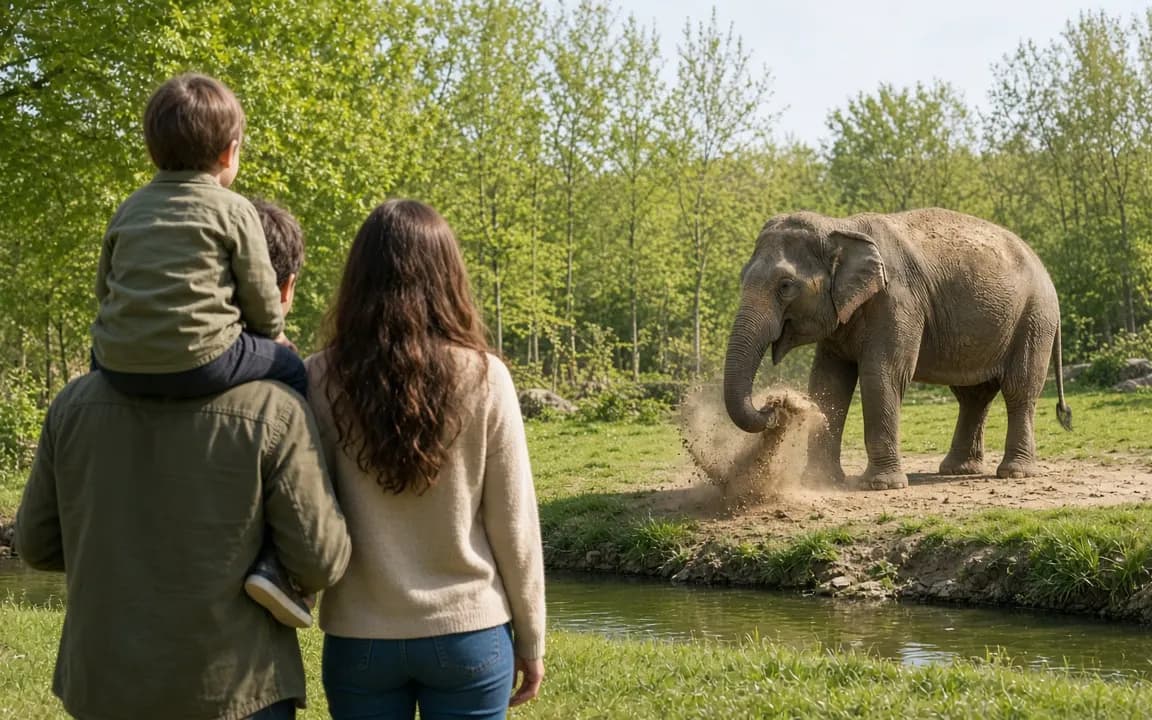
Most follow the same broad sequence: the care team hears first, then all staff, then members and sponsors, then the public. A short, personal announcement goes out, a temporary tribute appears at the habitat for a week or two, and a permanent memorial or legacy follows months later if the community wants one.
What separates a good public memorial from an awkward one is honesty and restraint. Visitors can tell when a message was written by committee. They respond to the keepers' voice, specific memories and a clear, kind account of what happened.
Long lives make these goodbyes bigger. A peer-reviewed comparison of zoo and wild mammal lifespans found zoo populations outlived wild ones in most species, and some animals become landmarks: by our estimate, Jonathan the Seychelles giant tortoise on St Helena is about 194 years[2] old in 2026. Visitors can grieve an animal like that for real, and Harvard Health's summary of pet-loss research explains why that grief deserves respect. If the animal's ashes will be part of the memorial, the services page explains which cremation routes return them, and our local pages note where large-animal providers operate.
How should a zoo mark the death of an animal visitors loved?
Tap an answer to vote and see how others answered. Anonymous.
The first public words
How should a zoo announce the death of a well-known animal?
Quickly, but not before the people closest to the animal know. Word travels fast through volunteers and regular visitors, and an announcement that arrives after rumors is harder to get right. For most institutions that means within a day or two.
- Lead with the animal, not the institution. Name, species, age and one vivid detail.
- Say plainly how they died, as far as you know. "After a decline in kidney function, her care team made the decision to euthanize her" is kinder than vagueness.
- Promise follow-up if needed. If necropsy is pending, say that findings will be shared when complete.
- Credit the keepers. A line about the team that cared for the animal reassures visitors that the animal was loved.
- Tell people where they can share memories. A condolence book, a social media thread or an email address.
Some visitors will ask hard questions, particularly after a euthanasia or an unexpected death. Answer what you can, point to the veterinary review, and avoid defensive language. Your necropsy and aftercare workflow determines when you'll know more.
On the grounds
What kind of tribute works at the habitat?
A temporary display near the habitat gives visitors somewhere to go. Keep it simple: a framed photo, a short sign with the announcement text, and a place to leave notes. Many zoos use a weatherproof book or a board where children can pin drawings.
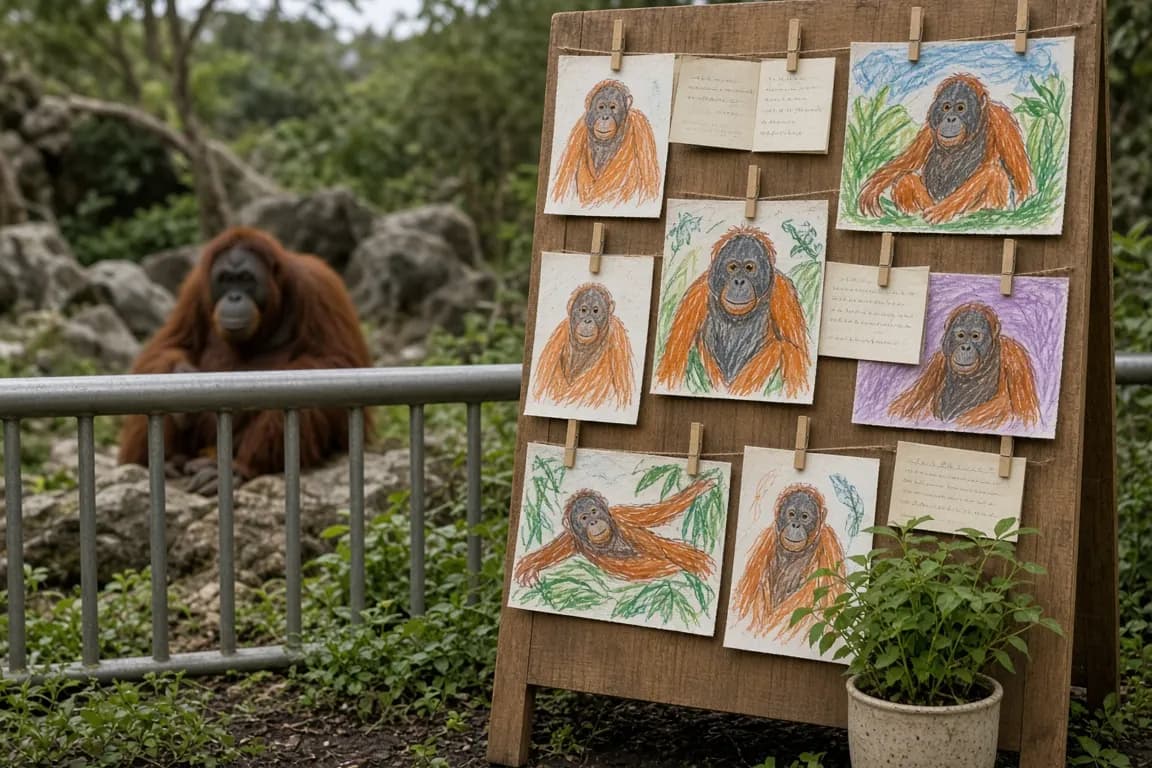
Set an end date and tell people. Two weeks is typical. When the display comes down, keep the notes; they often become part of a keepsake box for the care team, and staff are frequently moved by what strangers write. If herd or troop mates still live in the habitat, place the tribute where it won't crowd their viewing area.
Flowers and toys left by visitors are well meant but can become a hazard or an attraction for animals. Offer a better outlet, such as a donation to a conservation fund or a note on the board, and clear physical items daily.
Online
How should a zoo handle online memorials and social media?
Expect a surge of comments, and staff the channels for a few days. Most comments will be warm memories. Some will be grief expressed as anger. A small number will be hostile. Agree in advance which comments get a reply, which get a standard response, and which are hidden under your moderation policy.
Online memorials are the fastest-growing corner of pet remembrance: market researchers forecast digital memorial services to grow by 13.83%[3] a year to 2030. For an institution, that might mean a memorial page with a photo gallery, a video of keepers sharing stories, or a pinned post collecting visitors' memories.
Visitors grieving a zoo animal often feel their sadness isn't taken seriously. Even among pet owners, 34.5%[4] of bereaved people in an RSPCA survey had been told "it's just a pet". A zoo that says openly that it's normal to be sad about an animal you visited for twenty years gives people permission to feel it.
Lasting legacies
What permanent memorials mean the most to visitors?
The memorials that last connect the animal's life to something ongoing. Options that institutions use include:
- A named conservation fund supporting the species in the wild.
- A planting or small plaque in view of the habitat; see our guide to on-grounds memorial markers.
- An interpretive panel telling the animal's story and what it taught keepers about the species.
- A research legacy, such as a skeleton in a museum collection or tissues in a biobank, explained to visitors.
- A statue or artwork for truly iconic animals, usually donor-funded.
Personalized memorials matter to people: in one market study, 70% of pet owners called memorialization significant[5]. That doesn't require spending much. A thoughtful panel written with the keepers often outlasts a more expensive statue in visitors' affection.

Free tool
Memorial budget planner
Add up cremation, urn, keepsakes and a farewell so the total holds no surprises.
The memorial budget planner totals a permanent memorial, including installation and upkeep, so the development team knows what to ask donors for.
Remains
Should visitors be told what happened to the animal's remains?
Usually a short, honest sentence is enough, if people ask. Many visitors are reassured to hear that the animal was examined by veterinarians and then cremated, or that its skeleton is helping scientists. Details of necropsy don't belong in a public post.
If ashes are coming back, decide early how they'll be used: part for keepers, part under a memorial tree, part kept for a future dedication. Large animals return more ash than people expect, typically 3-5% of body weight[6], so there's often enough for several purposes. Our list of memorial ideas for zoo and sanctuary animals has more options, and the ashes weight estimator helps with the numbers.
A public memorial works when it tells the truth about the animal's life and gives people somewhere to put their feelings.
Plan the staff side in parallel; the public tribute can land hard on the care team. Our articles on staff and donor remembrances and supporting keepers after an animal dies cover that. For help with ashes or keepsakes, tell us about the animal.

Reader polls
What would you choose?
Vote anonymously and see how other readers answered. The results are live counts from people who visit this site, so they show real opinions, not a scientific sample.
How should a zoo mark the death of an animal visitors loved?
Tap an answer to vote and see how others answered. Anonymous.
What personal touch matters most on a memorial?
Tap an answer to vote and see how others answered. Anonymous.
Do you keep more than one memorial for the same pet?
Tap an answer to vote and see how others answered. Anonymous.


Questions people ask
How long should a zoo wait before announcing an animal's death?
Long enough for the care team and all staff to hear first, which is usually a few hours to a day. After that, announce promptly, because regular visitors and volunteers will notice the animal's absence and rumors fill silence. If necropsy is pending, say so and promise an update.
Should a zoo say that an animal was euthanized?
Yes, in most cases. Visitors generally accept a clear, compassionate explanation that the care team made a welfare decision for an elderly or ill animal. Vague wording tends to invite speculation. Keep the medical detail light and emphasize the care the animal received.
How do you explain a zoo animal's death to children?
Use simple, true words: the animal was very old or very sick, the vets and keepers took care of it, and it died. Avoid "went to sleep", which can frighten young children. Invite them to draw a picture for the memorial board, which gives them something to do with their feelings.
Is it appropriate to raise funds after an animal dies?
A memorial fund for the species' conservation is widely accepted, particularly if many visitors ask how they can help. Wait a few days after the announcement, keep the tone gentle, and explain exactly where the money goes. Avoid making the first announcement a fundraising message.
What if visitors criticize the zoo after a death?
Respond calmly with what you know, acknowledge that people are upset, and point to the veterinary review. Don't argue in comment threads. Share necropsy findings when appropriate, because transparency usually settles concerns better than any statement written in the first days.


Sources and our estimates
- [1] The oldest parrot on record, Cookie, a Major Mitchell's cockatoo at Brookfield Zoo, was at least 82 years and 88 days old when he died on 27 August 2016. Guinness World Records - Oldest parrot ever, 2016.
- [2] If Jonathan the tortoise hatched in 1832, he is about 194 years old in 2026. Our estimate: 2026 - 1832. How we calculate.
- [3] Digital memorials are the fastest-growing pet funeral service segment in Mordor Intelligence's forecast, at a 13.83% CAGR for 2025–2030. Mordor Intelligence — Pet Funeral Services Market report page, 2025.
- [4] 34.5% of bereaved pet owners were told 'it's just a pet'. RSPCA — Pet Loss Survey Results, 2026.
- [5] Astute Analytica reports 51% of pet owners are interested in personalized memorials and 70% consider memorialization significant. Astute Analytica via GlobeNewswire — Global Pet Preservation Services Market to Hit USD 112.7 Million by 2032 (Apr 2, 2024), 2024.
- [6] Embrace notes cremated remains typically weigh about 3-5% of the pet's original body weight. Embrace Pet Insurance - Bury or Cremate Your Dog? Costs, Pros & Cons, 2025.
Arrange ashes or keepsakes for a public memorial
Tell us what you need and where you are. We'll reply by email with clear options and prices so you can decide in your own time.