Supporting keepers after an animal dies: what managers can actually do
Give the care team time, a voice in decisions and a proper debrief, and don't expect them back at full speed the next morning. In a large UK survey, 92%[1] of working people said a pet's death affected them at work, and keepers lose animals they've cared for daily for years.
By the Zoo & Wildlife Cremation Services editorial team · Updated September 24, 2026 · 5 min read · Sources
- A 48-hour checklist for supervisors
- Debriefs after euthanasia and sudden deaths
- Policies that cost little and help a lot

The short answer
What do keepers most need from managers after a loss?
Acknowledgement, time and control over a few small things. Acknowledgement means saying out loud that this is a real loss. Time means flexibility in the rota for a few days and permission to step away. Control means asking the keepers what they'd like, whether that's time with the animal before necropsy, a portion of ashes or a say in the memorial.
None of this is expensive. What goes wrong is usually omission: a busy supervisor assumes professionals will be fine, the rota carries on as usual, and a keeper who has just held an animal through euthanasia is cleaning the same habitat alone at 7 a.m. the next day.
When a long-time animal dies, what support do the keepers get?
Tap an answer to vote and see how others answered. Anonymous.
Understanding it
Why does losing a zoo animal hit keepers so hard?
Keepers can spend more waking hours with some animals than with their own families. They know each animal's moods, preferences and quirks, and they often trained the behaviors that made veterinary care possible. When that animal dies, the daily structure built around it disappears too.
Research on ordinary pet loss shows the pattern. In an RSPCA survey of bereaved owners, 72.6% lost their daily routine or sense of purpose and 69.8% had trouble concentrating[2]. For a keeper, that routine is the job itself, and they're often back in the same space the next day.
- Professional identity. Keepers may feel pressure to be stoic because this is "part of the job".
- Involvement in euthanasia. Many help with the decision or the procedure, which carries its own weight.
- Second-guessing. Could we have seen it sooner? Necropsy findings can ease or sharpen this.
- Cumulative loss. In large collections, losses stack up over a career.
- Public attention. For a famous animal, keepers grieve while visitors ask about it all day.
Our article on grief after losing a zoo or wildlife animal is written for the keepers themselves; it's worth sharing with the team.
Right away
What should a supervisor do in the first 48 hours?
- Tell the care team in person, before any all-staff email or public post.
- Offer keepers time with the animal before it goes to necropsy, if the vet agrees.
- Adjust the next two days' rota so the closest keeper isn't alone in the habitat.
- Ask, don't assume: some people want to work, some need to go home.
- Share what's happening with the remains and when necropsy results are expected.
- Ask whether anyone would like a keepsake or a portion of ashes, and log the request.
- Check in again at the end of the next shift.
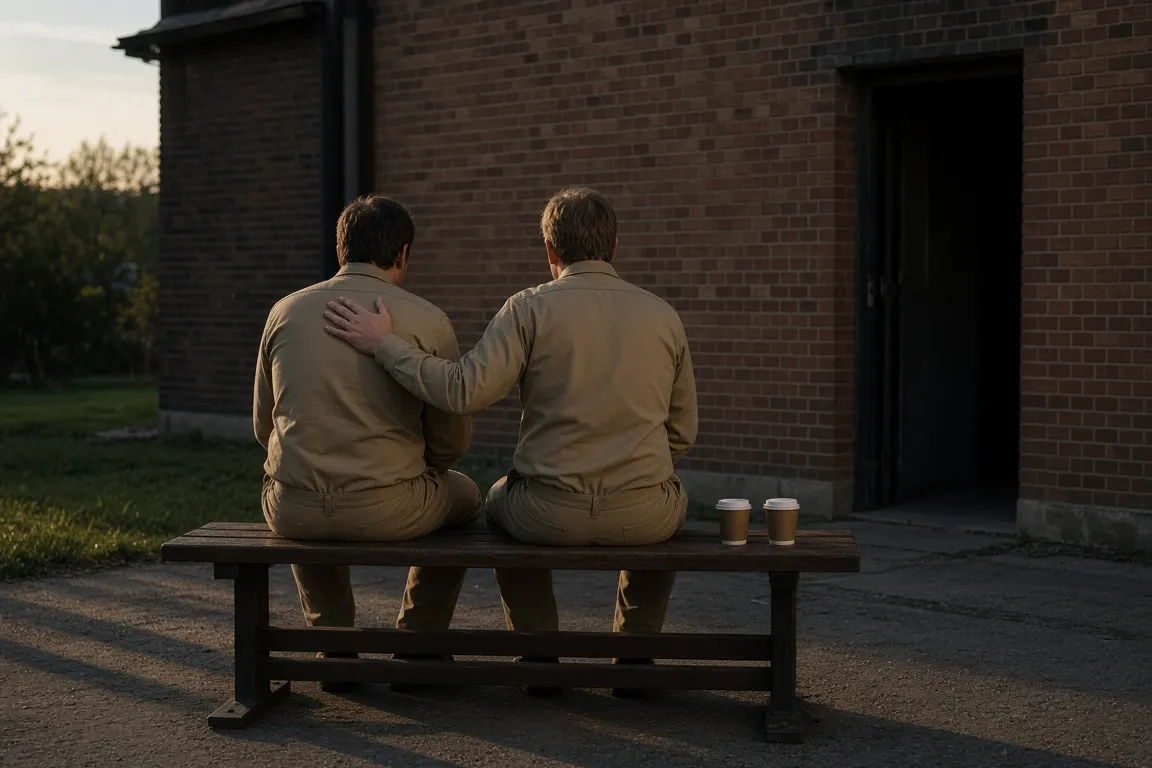
Take the logistics off their plate. Booking transport, arranging cremation and chasing the lab are jobs someone else can do. Your institutional mortality plan should name who handles them, so grieving keepers aren't left making calls.
Talking it through
How should you run a debrief after a euthanasia or sudden death?
Separate the clinical review from the emotional one. The clinical review looks at what happened and what might change: husbandry, monitoring, the decision process. The emotional debrief gives people space to say how it felt. Mixing them makes people guarded in both.
Research on euthanasia and grief in pet owners found that grief was heavier when people felt excluded from the decision, and that emotional support from the veterinary team was linked to less guilt[3]. It's reasonable to expect the same of keepers, so bring them into quality-of-life discussions rather than telling them afterwards.
Our walk-through of the necropsy and aftercare workflow explains what the team can expect and when.
Written down
Which policies help keepers over the long term?
Formal support for animal loss is rare. Only 11%[4] of employers offer paid pet loss leave, according to one US survey, and in the UK 28.4%[5] of bereaved owners couldn't take time off at all. Animal care employers are well placed to do better, because they already understand what the bond is worth.
| Policy | What it looks like |
|---|---|
| Bereavement time for animal loss | One or two days, at the keeper's discretion, after a long-term animal dies |
| Rota flexibility | Temporary reassignment away from the habitat for anyone who asks |
| Employee assistance program | Remind staff it covers animal loss and compassion fatigue |
| Keepsake and ashes policy | Clear rules on who may request a keepsake or a portion of ashes |
| Annual remembrance | A short gathering to name every animal lost that year |
Recognition also helps retention. 77.4%[6] of respondents in a UK survey believed employers underestimate the impact of pet loss, and most said they'd favor employers that supported it. In a field where burnout drives people out, that matters.
The RSPCA's pet bereavement survey is worth putting in front of HR: it found many owners couldn't take time off after a pet died. Harvard Health's summary of research on pet-loss grief is a short, credible read for managers who wonder whether this is a real welfare issue. By our estimate, one private counselling hour can cost about as much as a basic private cremation, while several university helplines are free[7]. Our guide to staff and donor remembrances covers the gathering itself. If the practical side is weighing on the team, our services page and locations pages help a manager line up aftercare so keepers don't have to.
Did you take time off work after your pet died?
Tap an answer to vote and see how others answered. Anonymous.
Rituals and resources
What rituals and resources can you offer?
Small, repeated rituals often help more than one big event. Some teams keep a memory book in the keeper room; others plant a bulb for each animal lost; others share a meal on the animal's hatch or birth date. The guide to staff and donor-facing remembrances has formats for a first gathering.
Keepsakes are powerful. A footprint cast, a feather, a small portion of ashes in a keepsake urn: these give people something to hold. For larger animals, the ashes weight estimator shows how much there is to share, and the memorial budget planner totals the keepsakes.

Free tool
Ashes weight estimator
See roughly how much ash to expect back, by species and body weight.
Point people to outside support too. In the US, Cornell[8] and Tufts[9] both run free pet loss helplines, staffed by trained volunteers and students; they take any animal loss seriously. Watch for signs that someone isn't coping after several weeks, and suggest professional help gently. If you'd like us to handle aftercare arrangements so the team doesn't have to, send us the details.

Reader polls
What would you choose?
Vote anonymously and see how other readers answered. The results are live counts from people who visit this site, so they show real opinions, not a scientific sample.
When a long-time animal dies, what support do the keepers get?
Tap an answer to vote and see how others answered. Anonymous.
Did you take time off work after your pet died?
Tap an answer to vote and see how others answered. Anonymous.
What helped you most in the first weeks?
Tap an answer to vote and see how others answered. Anonymous.


Questions people ask
Should keepers be present for an animal's euthanasia?
It should be their choice. Many keepers want to be there, often to keep the animal calm with a familiar voice or trained behavior. Others prefer to say goodbye beforehand. Offer both options without judgement, and make sure nobody who attends goes straight back to routine work alone.
Is it normal for experienced keepers to struggle after a loss?
Yes. Experience doesn't make loss painless, and cumulative loss over a career can make some deaths harder, not easier. Watch for withdrawal, irritability, trouble sleeping or talk of leaving the profession. These are signs to check in, not signs of weakness.
Can keepers have some of the animal's ashes?
Often, if the institution allows it and the animal's route returns ashes. Write a simple policy so requests are handled fairly, log who received what, and use small keepsake urns. For protected species, check with your compliance team first.
What is compassion fatigue, and how is it different from grief?
Grief is the response to a specific loss. Compassion fatigue is the emotional exhaustion that builds up from caring repeatedly for suffering animals, including through illness and euthanasia. Keepers, vets and rehabbers can experience both at once. Rest, peer support and professional help all have a place.
How long should a keeper be away from the habitat after a loss?
There's no set rule. Some keepers find comfort in caring for the animal's companions straight away; others need a few days elsewhere. Ask the person, offer both, and review after a week. Flexibility matters more than a fixed number of days.


Sources and our estimates
- [1] 92% of employed respondents said pet loss affected them at work. RSPCA — Pet Loss Survey Results, 2026.
- [2] After losing a pet, 72.6% lost their daily routine or sense of purpose, 69.8% had trouble concentrating and 65.9% had sleep problems. RSPCA — Pet Loss Survey Results, 2026.
- [3] In the 2025 euthanasia-and-grief study, grief intensity rose with feeling excluded from the euthanasia decision by the vet and with regret over euthanizing too early; perceived emotional support from the veterinary team was linked to less guilt. 'Euthanasia and prolonged grief: A cross-sectional study with bereaved pet owners', Journal of Veterinary Behavior 79:60-67 (2025), Univ. of Lisbon research portal, 2025.
- [4] Only 11% of employers offer paid pet loss leave, according to an AbsenceSoft survey. AbsenceSoft — Understanding Pet Bereavement Leave and Its Importance to Today's Workforce, 2025.
- [5] 28.4% of RSPCA survey respondents could not take time off work after their pet died. RSPCA — Pet Loss Survey Results, 2026.
- [6] 77.4% believe employers underestimate the impact of pet loss, and 71.8% would favour employers that support pet bereavement. RSPCA — Pet Loss Survey Results, 2026.
- [7] A private pet-loss counselling hour (CA$220 in Calgary) costs about as much as a basic private cremation, while at least four university and charity lines in the US, UK and Australia/NZ are free to call. Our estimate: Count of free-to-call lines: Tufts, Cornell, Blue Cross, Pets and People (free call). How we calculate.
- [8] Cornell's free Pet Loss Support Hotline (607-218-7457) is staffed by veterinary students trained by professional grief counselors. Cornell University College of Veterinary Medicine, 2026.
- [9] Tufts University's Pet Loss Support Helpline (508-839-7966) is free and volunteer-staffed, 6–9 pm ET Monday to Thursday, with 24-hour voicemail. Tufts Cummings School of Veterinary Medicine, 2026.
Take the aftercare logistics off your team's plate
Tell us what you need and where you are. We'll reply by email with clear options and prices so you can decide in your own time.