Planning aftercare for an aging zoo or sanctuary animal, before the day comes
Once an animal goes on a quality-of-life watch, settle five things: necropsy location, aftercare route, moving equipment, what comes back, and who tells whom. Zoo animals outlive wild ones in 84%[1] of mammal species studied, so more institutions face this than ever.
By the Zoo & Wildlife Cremation Services editorial team · Updated September 24, 2026 · 4 min read · Sources
- A decision list for a geriatric animal
- Equipment and access checked in advance
- Keepers and the public prepared gently
The short answer
When should you start planning aftercare for an aging animal?
When the animal is placed on a quality-of-life watch, or earlier for the very largest species. That's the point where a decline is expected even if it's months away. Planning then means the decisions are made calmly, by the right people, with prices in hand, instead of in a rush with a body in the service yard.
Zoo animals often live long enough for this to matter: a peer-reviewed comparison of zoo and wild mammal lifespans found zoo populations outlived wild ones in most species studied, which means more geriatric cases and more time to plan.
This is the individual-animal side of planning. Your institution-wide protocol, with roles and pre-approved routes for every weight band, belongs in your institutional mortality plan. An aging-animal plan adds the specifics: this animal, this habitat, these keepers, this public.
Would you pre-pay for aftercare while your pet is still healthy?
Tap an answer to vote and see how others answered. Anonymous.
The list
Which decisions can you make while the animal is still well?
- Where necropsy will happen. On site, at a university or at a state lab, and who performs it.
- What will be retained. Tissues, skeleton for a museum, gametes for a species program.
- The aftercare route. Individual cremation, sectioned cremation, digestion or burial, with a named provider and a backup.
- What comes back. All ashes, a portion, or none; who receives them.
- How the body will be moved. Equipment, route out of the habitat, vehicle.
- Euthanasia logistics, if likely. Where it would happen, sedation plan, keepers present.
- Communications. Who tells keepers, all staff, sponsors and the public, and draft wording.
Write the answers on one page, attach it to the animal's record and review it every few months. If circumstances change, such as a new provider or a habitat project, update the page rather than starting again.
The biggest animals
What extra planning do elephants, giraffes and rhinos need?
Everything takes longer and involves more people. A large agricultural incinerator holds up to a 1,500 lb load[2] (one manufacturer's rating), so a giraffe, rhino or elephant can't be cremated whole anywhere standard. The realistic routes are sectioned cremation after necropsy, partial cremation for a memorial with the rest going to digestion or rendering, or burial on grounds where your regulator allows it.
By our estimate, the burn phase alone for an 1,100 lb animal takes at least 4.4 hours[3] at 250 lb an hour, and a giraffe or rhino needs several loads on top of that. The USDA APHIS carcass disposal handout covers the alternatives, such as digestion, composting and burial, that often take the rest of a megafauna body. Before you shortlist, check our ten questions to ask a provider. Our services overview explains sectioned and partial cremation, and the locations pages show how far you may need to travel for a large chamber.
Each of those needs arranging in advance: a provider willing to take multiple loads, a lab with a digester that accepts the volume, or a permitted burial site with the right depth and water setbacks. Burial and composting also take time: the second composting phase for a mature cow or horse takes about 240 days[4], and megafauna are several times heavier.

Free tool
Livestock mortality planner
Plan disposal capacity and costs for farm losses, from one animal to a herd.
The livestock mortality planner turns an animal's weight into chamber loads, pit dimensions and compost volumes, which gives your team realistic numbers to plan with.
Moving the body
How do you check equipment and access before you need them?
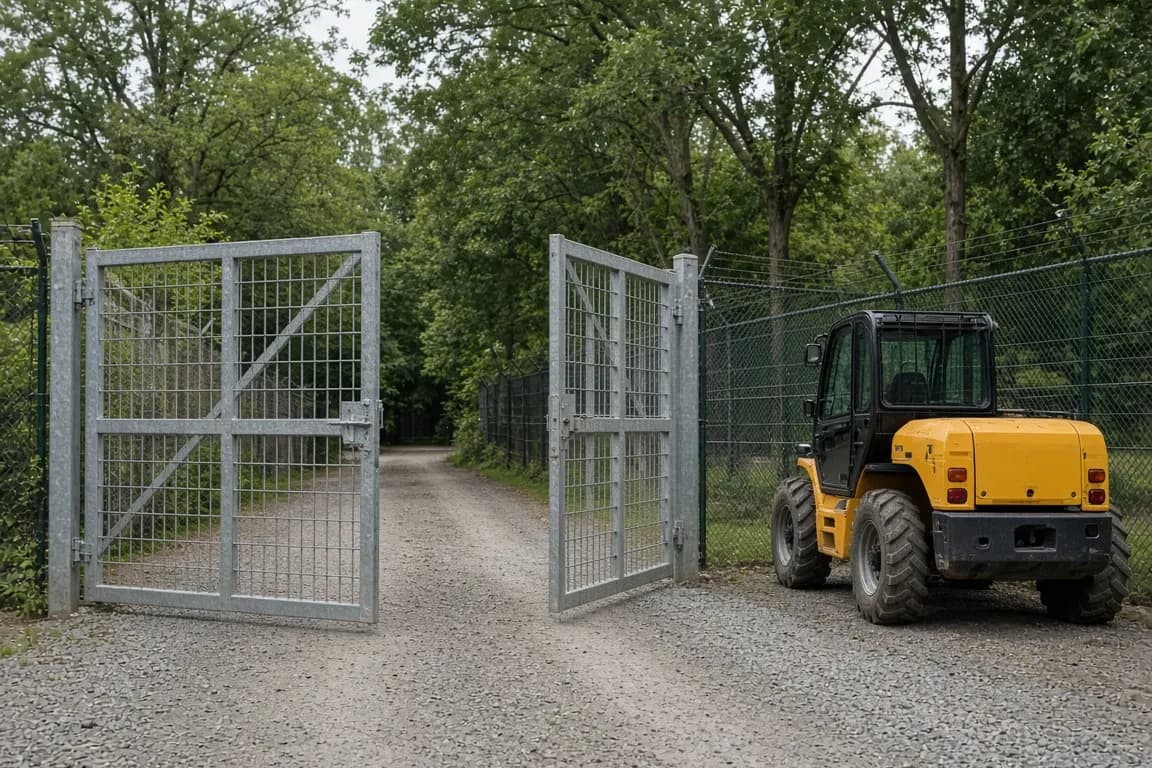
Walk the route. Start at the spot where the animal usually rests, then go through the night house, the service gate and out to where a vehicle can park. Measure doors, check floor loads and look for tight corners, public paths and overhead wires.
- Which lifting equipment do you own, and which would you hire? Who is certified to operate it?
- Is there a refrigerated trailer you can call in, and how fast can it arrive?
- Can the body leave without passing public areas during opening hours?
- What will the herd or troop mates see, and do they need to be moved first?
- Are there seasonal issues, such as summer heat or winter ground that can't be dug?
Our transport and logistics article goes deeper on vehicles, cold chain and moving remains across state lines.
Budgeting
How do you get prices while there's still time to compare?
Ask two or three providers for written quotes now, with the animal's approximate weight and your address. For large animals, the most useful benchmark is equine: cremating a 1,000 lb horse has been reported at $600-$1,000[5], before transport and equipment. Anything heavier, or any sectioned case, will be quoted per job.

Free tool
Cremation cost calculator
Estimate a realistic price range for your pet's size, location and the type of cremation.
Put the numbers into the budget line for the year the decline is expected. Our guide to comparing written cremation quotes has a template, and the cost calculator gives a starting range.
The human side
How do you prepare keepers and the public for a death you can see coming?
Keepers usually know before anyone else. Anticipatory grief is common: 75.4%[6] of bereaved owners in an RSPCA survey said they felt it. Include the care team in quality-of-life discussions, ask what they'd like on the day, and let them help shape the plan. It helps them feel part of a good ending rather than a spectator.
For a famous animal, prepare the public gently. Some zoos share that an animal is elderly and receiving extra care months in advance, so the eventual news isn't a shock. Draft the announcement early and keep it in the plan. Our article on how zoos memorialize animals the public loved covers the wording, and the guide on supporting keepers after an animal dies covers the team.
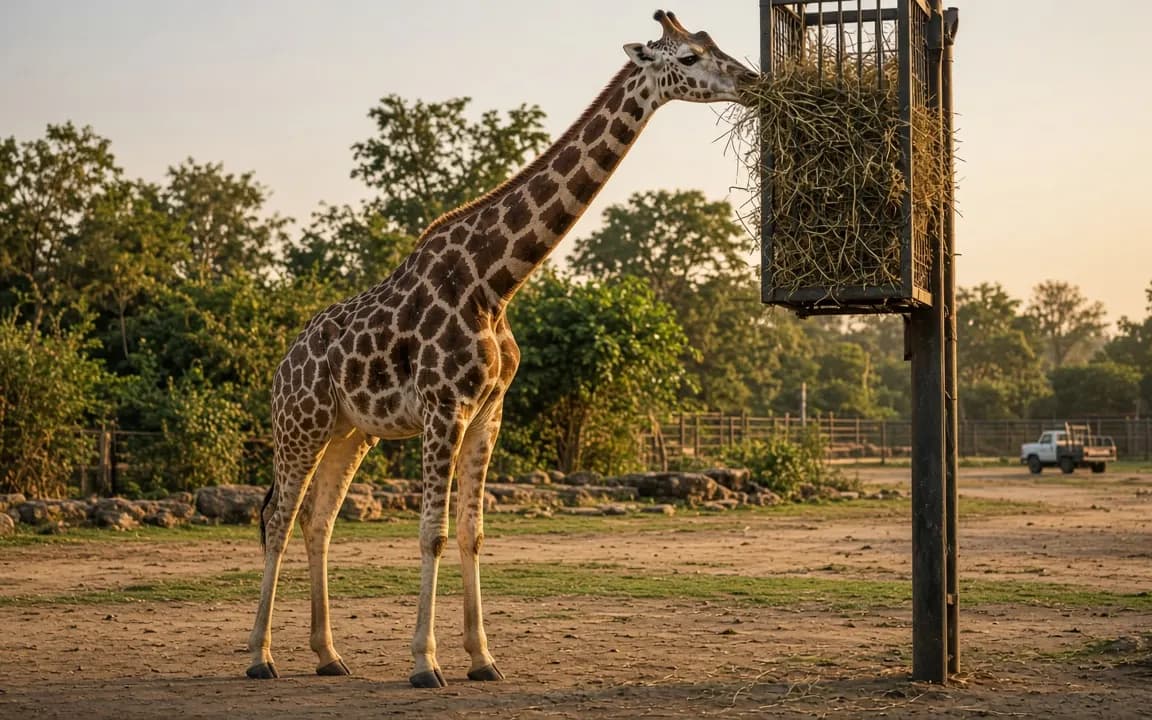
A plan made while the animal is still browsing in the sun is a kindness to the people who will be there at the end.
When you're ready to line up providers, send us the species, weight and location and we'll reply by email.

Reader polls
What would you choose?
Vote anonymously and see how other readers answered. The results are live counts from people who visit this site, so they show real opinions, not a scientific sample.
For your largest animals, what's the hardest part of aftercare?
Tap an answer to vote and see how others answered. Anonymous.
Would you pre-pay for aftercare while your pet is still healthy?
Tap an answer to vote and see how others answered. Anonymous.
When did you (or will you) decide on aftercare?
Tap an answer to vote and see how others answered. Anonymous.

Questions people ask
Isn't it morbid to plan aftercare while the animal is alive?
Most keepers and vets find the opposite. Planning early means the last days can focus on the animal's comfort rather than on logistics, and decisions are made calmly by the right people. It's the same reason families pre-plan for elderly pets.
How far in advance should we plan for an elephant?
As early as possible once the animal is geriatric or has a chronic condition. Arranging a necropsy team, heavy equipment, a sectioned cremation or a permitted burial site can take weeks or months. Review the plan every few months so contacts and prices stay current.
Should euthanasia be planned in advance?
The decision itself belongs to the veterinary team and the animal's condition on the day. But the logistics can be planned: where it would happen, sedation approach, who would attend and how the body would be moved afterwards. Having that ready makes the day calmer for everyone.
Can we pre-pay for aftercare?
Some providers will agree a fixed price for a named animal or a standing price band, though true pre-payment is less common for institutions. A signed quote with a validity period, or a service agreement with weight bands, gives you most of the benefit without tying up funds.
What if the animal dies suddenly before the plan is finished?
Fall back on your institutional mortality plan and its pre-approved routes for that weight band. A partial plan still helps: even knowing the necropsy location and a provider's number saves hours. Afterwards, note what was missing so the next plan is complete sooner.


Sources and our estimates
- [1] Across more than 50 mammal species, zoo populations lived longer than wild populations in 84% of species. Tidiere M et al. Comparative analyses of longevity and senescence reveal variable survival benefits of living in zoos across mammals. Scientific Reports, 2016 (PMID 27819303), 2016.
- [2] An animal incinerator sized for agricultural and animal-control use holds up to 1,500 lb per load with a maximum burn rate of 250 lb per hour (manufacturer specification). B&L Cremation Systems (manufacturer) - BLI-1500 Animal Incinerator specifications.
- [3] At an average rate of 250 lb per hour, the burn phase for a 1,100 lb horse would take at least about 4.4 hours, not counting preheating and cool-down. Our estimate: 1,100 lb / 250 lb per hour. How we calculate.
- [4] The second composting phase takes about 10 days for chickens but approximately 240 days for mature cows and horses. USDA APHIS / Center for Food Security and Public Health (Iowa State) - Disposal: Composting, Rendering & Burial handout, based on NAHEMS Disposal Guidelines (2012), 2012.
- [5] Cremating a 1,000-pound horse was reported to cost about $600-$1,000, depending on location and the price of propane. Extension Horses (eXtension national Cooperative Extension) - Horse Disposal Options, 2019, 2019.
- [6] 75.4% of RSPCA pet-loss survey respondents experienced anticipatory grief before their pet died. RSPCA — Pet Loss Survey Results, 2026.
Get aftercare options lined up in advance
Tell us what you need and where you are. We'll reply by email with clear options and prices so you can decide in your own time.