What zoo and wildlife cremation costs, and how to compare written quotes
Small zoo animals cost about what a pet does; large animals are priced per job, by weight, access and distance. The closest public benchmark is equine: cremating a 1,000 lb horse has been reported at $600-$1,000[1], before transport and handling.
By the Zoo & Wildlife Cremation Services editorial team · Updated September 24, 2026 · 4 min read · Sources
- The line items every quote should show
- Per-pound benchmarks for big animals
- A side-by-side template for finance
The short answer
How much does it cost to cremate a zoo or wildlife animal?
It depends almost entirely on weight. Animals under about 100 lb, such as birds, reptiles, small primates and most small carnivores, fall inside ordinary pet cremation pricing. US pet cremation for animals over 90 lb typically runs $350 to $450 for private and $150 to $200 for communal[2]. Above a few hundred pounds, published menus stop and providers quote each job.
For large animals, the most useful public benchmark is the horse. By our estimate, equine cremation works out to roughly $0.80/lb[3] at midpoint prices, which suggests a 600 lb bear might cost several hundred dollars for the cremation alone, and a 1,500 lb bison more than a thousand. Transport, equipment and paperwork sit on top.
That benchmark comes from extension guidance on horse disposal options, which reported $600 to $1,000 to cremate a 1,000 lb horse depending on location and the price of propane.

Free tool
Cremation cost calculator
Estimate a realistic price range for your pet's size, location and the type of cremation.
The cremation cost calculator gives a range for smaller animals and a per-pound estimate for larger ones. Treat it as a sanity check, not a quote.
Why no menu
Why are large zoo animals quoted per job rather than from a price list?
Because the cost drivers change with every case. A 400 lb lion collected from a ground-level night house ten miles away is a different job from a 400 lb sea lion that died in a pool enclosure two hundred miles from the nearest large chamber. Providers price in what they'll actually do.
- Weight sets fuel and chamber time. At about 250 lb/hour[4] (one manufacturer's rating), burn time rises in step with body mass.
- Access decides whether a crane, telehandler or extra staff are needed.
- Distance adds mileage, driver hours and sometimes an overnight.
- Timing matters: nights, weekends and holidays usually carry surcharges.
- Condition after necropsy, including sectioning, can change handling.
- Paperwork, such as detailed custody logs or permits, may add admin time.
For your largest animals, what's the hardest part of aftercare?
Tap an answer to vote and see how others answered. Anonymous.
Reading a quote
What line items should a written quote show?
Ask every provider to separate the same lines, so you compare like with like. A quote that gives one total with no breakdown makes comparison impossible and hides extras that appear on the invoice.
| Line item | What to check |
|---|---|
| Collection and transport | Flat fee or per mile? Does it include a return trip for ashes? |
| Handling equipment and extra staff | Is a crane or telehandler included, or do you supply it? |
| Cremation fee | Per pound or banded? Private, partitioned or communal? |
| After-hours or rush surcharge | What counts as after hours? Rush is often an extra $50 to $150 for pets[5] |
| Witnessing | Is it offered, and what does it add? |
| Urn or container | Standard container included? Large urns cost more |
| Certificate and custody log | Included, or an admin fee? |
| Return of ashes | Collected, delivered or shipped, and at what cost? |
Containers are easy to forget with big animals. Ash comes to about 3-5% of body weight[6], so by our estimate a 1,100 lb animal returns something like 38.5 lb[7], far more than any standard pet urn holds. Extra-large urns run around $150–$500+[8] (per one large retailer). The urn size calculator tells you what volume to ask for.
Cheaper routes
How do cremation costs compare with digestion, rendering and burial?
If nobody needs ashes, other routes are often far cheaper per pound. One US diagnostic lab reported tissue digestion at about 25 cents a pound against 75 cents for incineration[9], and rendering companies typically charge $75-$200[10] to collect a horse-sized carcass. The catch: rendering is often unavailable for euthanized animals, and neither route returns ashes.

Burial on your own grounds can look free, but equipment rental, labor, regulator approval and the long-term use of land all have a cost. The livestock mortality planner estimates pit sizes, compost volumes and cremation loads for large animals so you can compare the routes on the same basis.

Free tool
Livestock mortality planner
Plan disposal capacity and costs for farm losses, from one animal to a herd.
For the finance team
How should an institution compare quotes side by side?
Put every quote into the template above, then add three columns of your own: capacity (can they take the animal at all?), records (will their certificate satisfy your inspector?) and response (can they come this week?). The cheapest total that fails any of those isn't the cheapest option.
Few buyers do this. In the UK, 89%[11] of owners who paid for a pet cremation never compared providers. Institutions can do better, especially with a standing agreement: our guide to questions institutions should ask vendors covers the contract terms that fix prices in advance.
The UK figure comes from the Competition and Markets Authority's provisional decision on vet services. By our estimate, only about 6% of all bereaved UK owners compare providers before buying[12]. Our checklist of questions to ask a provider makes a two-quote comparison quick. The services page explains what each route includes, and the locations pages show where large-animal chambers are scarce enough to add a long haul to the bill.
What surprised you most about the cost of pet aftercare?
Tap an answer to vote and see how others answered. Anonymous.
Beyond the cremation
What other costs should be in the budget?
Necropsy fees, cold storage, a refrigerated trailer and a memorial all sit outside the crematory's invoice. For a public favorite, a plaque or planting may cost more than the cremation. Our guide to on-grounds memorial markers lists typical prices, and the memorial budget planner puts every line in one place.
If you'd like itemized options from providers who can handle your animal's size, send us the species, weight and location and we'll reply by email. For the private-versus-communal decision that drives much of the price, see private vs communal cremation for zoo and wildlife animals.

Reader polls
What would you choose?
Vote anonymously and see how other readers answered. The results are live counts from people who visit this site, so they show real opinions, not a scientific sample.
For your largest animals, what's the hardest part of aftercare?
Tap an answer to vote and see how others answered. Anonymous.
What surprised you most about the cost of pet aftercare?
Tap an answer to vote and see how others answered. Anonymous.
Did you (or would you) compare more than one provider?
Tap an answer to vote and see how others answered. Anonymous.

Free tools to help you plan
Cremation cost calculator
Estimate a realistic price range for your pet's size, location and the type of cremation.
Livestock mortality planner
Plan disposal capacity and costs for farm losses, from one animal to a herd.

Urn size calculator
Find the urn volume you need from your pet's weight, plus keepsake and sharing options.
Questions people ask
How much does it cost to cremate a big cat?
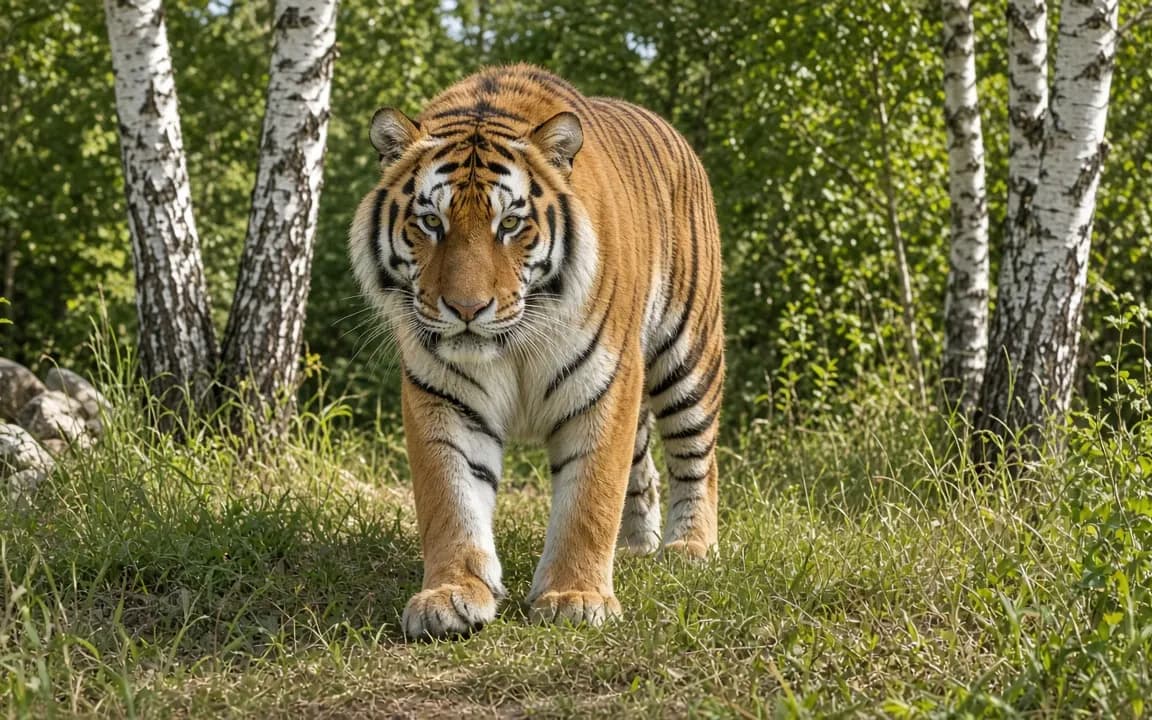
There's no published national price, but a 300 to 500 lb tiger or lion usually needs a large-animal chamber and is quoted per job. Using equine per-pound benchmarks, the cremation itself might be several hundred dollars, with transport, handling and any after-hours work added. Get at least two written quotes.
Is it cheaper to cremate after necropsy?
Not usually by much. Necropsy removes only small samples unless the skeleton is kept, so the weight cremated is similar. It can make handling easier for megafauna, because the body may already be sectioned. The main saving comes from choosing lab disposal when nobody needs ashes back.
Do providers charge more for exotic species?
Some do, for extra handling or paperwork, such as venomous reptiles, primates or protected species that need detailed records. Others price purely by weight. Ask whether there's a species surcharge and what it covers, and make sure it appears as its own line.
Can a zoo negotiate annual pricing?
Yes, and many do. A standing agreement with price bands by weight, a transport schedule and set after-hours fees saves time and usually money. Review it every year and include a clause on what happens if the provider loses capacity.
Why was our final invoice higher than the quote?
Common reasons are after-hours collection, extra staff or equipment on the day, a larger urn, or a higher actual weight than estimated. Ask for any change to be confirmed in writing before the work is done, and make sure quotes state how they adjust if the weight differs.
Does pet insurance or a grant cover zoo animal cremation?
Standard pet insurance rarely applies to institutional animals, and even for household pets it usually excludes cremation. Some institutions budget aftercare as an operating line in the veterinary or animal care budget, and donors sometimes fund memorials for well-known animals. Ask your development team whether a sponsor would like to help.


Sources and our estimates
- [1] Cremating a 1,000-pound horse was reported to cost about $600-$1,000, depending on location and the price of propane. Extension Horses (eXtension national Cooperative Extension) - Horse Disposal Options, 2019, 2019.
- [2] CareCredit lists US communal cremation at $150-$200 and private at $350-$450 for pets over 90 lb. CareCredit (Synchrony) - How Much Does Pet Cremation Cost? (Sept 2023), 2023.
- [3] Midpoint horse cremation cost works out to about $0.80 per pound of body weight, versus about $0.14 per pound for rendering pickup and $0.23 per pound for on-farm composting. Our estimate: cremation $800 / 1,000 lb; rendering $137.50 / 1,000 lb; composting $275 / 1,200 lb. How we calculate.
- [4] A commercial pet crematory rated for 1,000 lb loads cremates at an average of about 250 lb per hour (manufacturer specification). B&L Cremation Systems (manufacturer) - BLP-1000 Pet Crematory specifications.
- [5] Rush 24-hour pet cremation typically adds $50–$150; standard turnaround is about 7 days. Memorials.com – Pet Cremation Cost Guide 2026, 2026.
- [6] Embrace notes cremated remains typically weigh about 3-5% of the pet's original body weight. Embrace Pet Insurance - Bury or Cremate Your Dog? Costs, Pros & Cons, 2025.
- [7] A 1,100 lb horse would be expected to return roughly 38.5 lb of cremated remains (plausible range 33-55 lb). Our estimate: 1,100 lb x 3.5% (range 3%-5%). How we calculate.
- [8] Horse urns cost about $150–$500+ in Memorials.com's pet urn guide, and extra-large urns of any kind about the same. Memorials.com – Pet Urn Cost Guide, 2025.
- [9] A biodigester at the Wisconsin Veterinary Diagnostic Laboratory cost $900,000 and processes carcasses for about 25 cents per pound, versus about 75 cents per pound for incinerators. Extension Horses (eXtension national Cooperative Extension) - Horse Disposal Options, 2019, 2019.
- [10] Rendering companies typically charge a pickup fee of $75-$200 to remove a horse carcass, depending on location. Extension Horses (eXtension national Cooperative Extension) - Horse Disposal Options, 2019, 2019.
- [11] 89% of UK owners who bought a pet cremation did not compare different providers; 9% did. UK Competition and Markets Authority - Veterinary services for household pets, Provisional decision report Part A (Oct 2025), 2025.
- [12] Only about 6% of all bereaved UK pet owners compare cremation providers before buying. Our estimate: 67% cremate x 9% compared = 6.0%. How we calculate.
Get written cremation quotes for your animal
Tell us what you need and where you are. We'll reply by email with clear options and prices so you can decide in your own time.