How big an urn does a zoo or sanctuary animal need?
Ashes weigh about 3-5% of body weight[1], and urns are sized at roughly one cubic inch per pound of body weight. For a cheetah that's manageable; for an eland it's a garden, not an urn.
- Volume from weight, with a 10% margin
- Keepsake portions for keepers and donors
- Honest advice when no urn fits
Urn size calculator
Enter your pet's healthy adult weight. We size the urn using the industry rule of 1 cubic inch per pound, plus 10% room to spare.
Recommended urn size
330 cu in (5,408 mL)
Look for: Large-animal urn, chest or several urns
| Total ashes (by volume) | 300 cu in (4,916 mL) |
|---|---|
| Expected ash weight | 9 lb–15 lb |
| Urn with 10% margin | 330 cu in (5,408 mL) |
Standard sizes: small up to 20, medium up to 60, large up to 120 and extra large 200+ cubic inches. If you're between sizes, choose the larger one.
Source: Embrace Pet Insurance - Bury or Cremate Your Dog? Costs, Pros & Cons; Our estimate. 1 cu in per lb is an industry rule of thumb
Next step: Find urns and prices near you →
Using the calculator
How to use the urn size calculator for institutional memorials
Enter the animal's weight, choose how many people or places will share the ashes, and tick whether you want keepsake portions. The calculator shows the main urn volume in cubic inches and millilitres, the nearest standard size and how much each keepsake takes.
Institutions often share ashes more widely than families do. A keeper team might want small keepsakes, a portion might go to a memorial garden, and a donor who sponsored the animal might be offered a token. Setting the number of shares before the ashes return avoids an awkward division later.
Behind the numbers
How the calculator turns body weight into urn volume
Two rules of thumb do the work. Cremated remains usually weigh about 3-5% of body weight[1], and the industry sizes urns at one cubic inch per pound of body weight. The calculator uses the second rule and adds 10% for safety, because ashes settle unevenly and nobody wants to force a lid.
The weight rule comes from a pet insurer's guidance, and human data sits close to it: a study of 100 commercial cremations found adult remains averaged about 3.5% of body weight, and bone size mattered more than body mass.
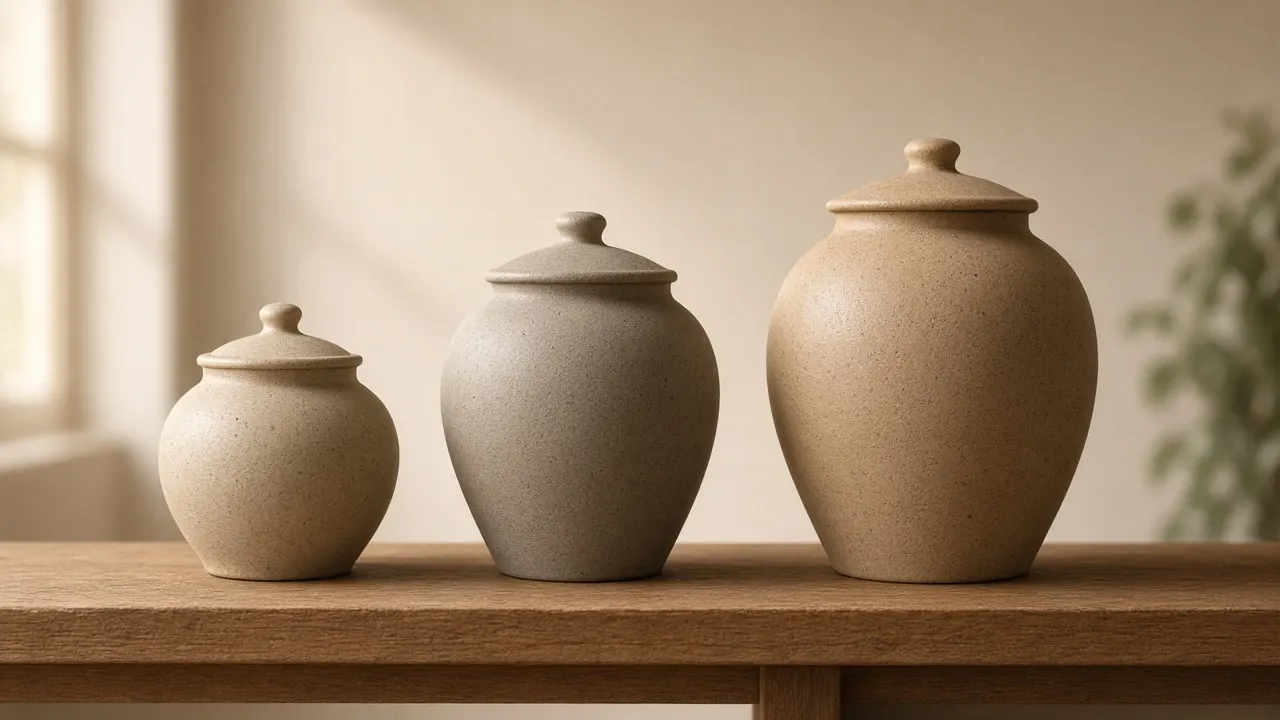
| Urn size | Volume | Typical zoo or sanctuary animal |
|---|---|---|
| Small | About 20 cu in | Birds, small primates, meerkats, reptiles under 18 lb |
| Medium | About 60 cu in | Otters, red pandas, binturongs, small wolves |
| Large | About 120 cu in | Cheetahs, leopards, kangaroos, large dogs |
| Extra large | 200 cu in and up | Pumas, bears, young hoofstock |
| Large-animal urn, chest or several urns | Over 220 cu in, into the thousands | Adult big cats, zebra, giraffe, megafauna |
Keepsakes are small. A keepsake urn holds about 3 cubic inches, and jewelry far less, so taking several keepsakes barely changes the main urn size. For a giant-breed dog, our estimate is about 3.8 lb[2] of remains, which already needs a large urn; zoo animals quickly outgrow that.
Worked example
Worked example: a 95 lb cheetah with keepsakes for four keepers
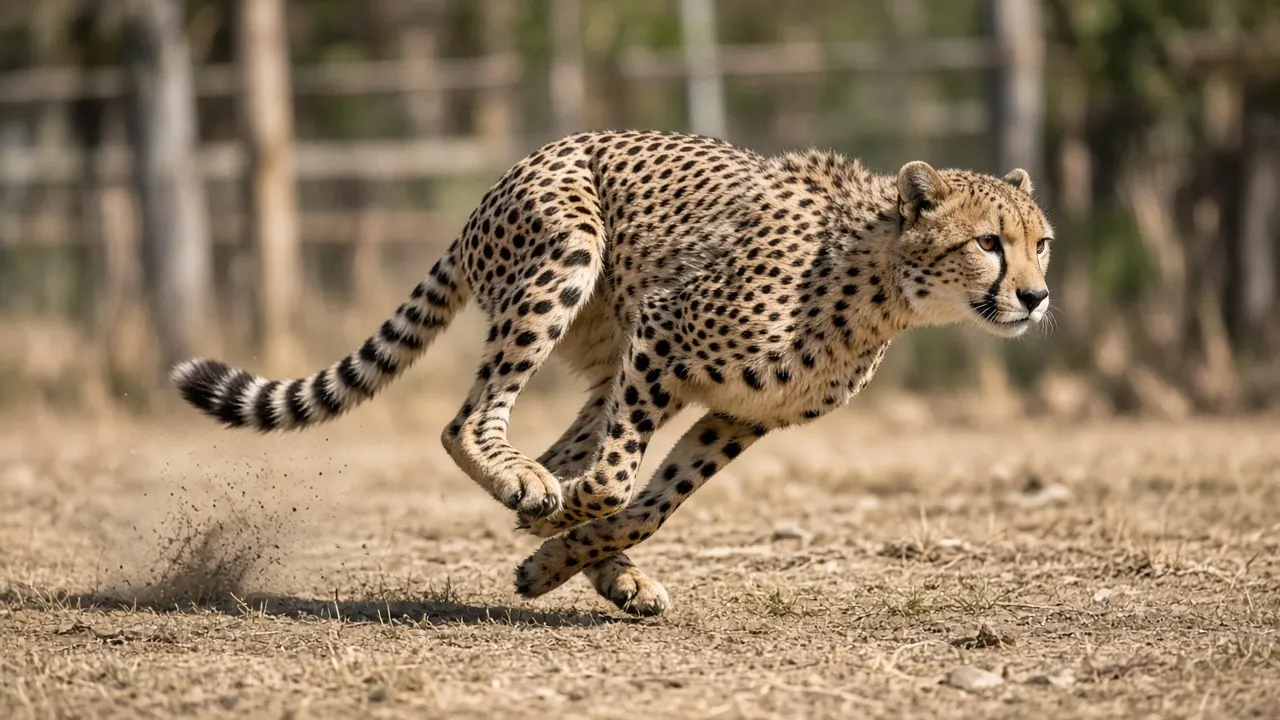
A zoo has lost a 95 lb male cheetah who was part of its cheetah run demonstrations for a decade. The team wants a main urn for a memorial niche and four small keepsakes for the keepers who trained him. Start by entering 95 lb with one share.
The calculator suggests about 105 cubic inches (1,712 mL) for the main urn after the 10% margin, which fits a large standard urn of about 120 cubic inches. It splits shares evenly, so for one main urn plus four keepsakes, take them off by hand: four 3 cubic inch keepsakes use 12, leaving 83, or about 91 cubic inches with the margin, still a large urn with room to spare. If you set four shares and tick keepsakes, it instead gives each keeper a keepsake plus an equal share, with an urn of about 23 cubic inches each. Remains should weigh roughly 3 to 5 lb.
Now compare an 1,100 lb eland from the same zoo. The calculator gives well over 1,000 cubic inches, far beyond any standard urn. By our estimate a horse-sized animal returns about 38.5 lb[3] of remains. That's the point where most institutions choose a garden interment, a scattering in the habitat or a set of smaller vessels.
Large animals
What to do when the ashes are too much for any urn
For big cats, bears, hoofstock and megafauna, think in terms of a place rather than a container. Burying ashes in a memorial garden is common, but cremated remains are strongly alkaline (pH ~11.7[4]), which harms plant roots. Mixing them with soil amendment and waiting 90–120 days[5] before planting makes a real difference.
Keepsakes are not always the cheap option. By our estimate, a 1 oz keepsake urn can cost about a third more than a full-size wooden urn from the same crematory[6]. Ashes are far simpler to place than a body: if a team is weighing whole-body burial instead, GOV.UK's guidance on animal burials and groundwater shows the distances England expects from wells and watercourses. The live poll results show how other teams shared ashes. Our services page explains how ashes can be divided between containers, and the locations pages point to providers in your region.
Other options include a custom stoneware or timber vessel for a public memorial, splitting ashes between the habitat and a garden, or keeping a portion and returning the rest to the land. Our guide to on-grounds memorial markers covers how to mark an interment, and memorial ideas for zoo and wildlife animals has more.
How should a zoo mark the death of an animal visitors loved?
Tap an answer to vote and see how others answered. Anonymous.
Honest limits
What the urn calculator can't tell you
Species differ. Animals with dense, heavy skeletons return more ash per pound than those with a lot of soft tissue or blubber, so a sea lion and a gorilla of the same weight won't fill the same volume. Birds return very little because their bones are light and hollow. The calculator uses a general rule, so round up if you're unsure.
It also can't account for tissue retained after necropsy, or for how a sectioned megafauna cremation was combined. For the weight side of the question, the ashes weight estimator gives a range, and the memorial budget planner helps cost the vessel or garden.
Next steps
Next steps once you know the volume
Decide on the main memorial first, then the keepsakes. If you'd like providers who can return ashes from a large animal in a sensible container, or recommend a fabricator for a public memorial, send us the details. The staff and donor remembrance guide helps you plan how the ashes are shared.

Reader polls
What would you choose?
Vote anonymously and see how other readers answered. The results are live counts from people who visit this site, so they show real opinions, not a scientific sample.
How should a zoo mark the death of an animal visitors loved?
Tap an answer to vote and see how others answered. Anonymous.
Where are (or will be) your pet's ashes?
Tap an answer to vote and see how others answered. Anonymous.
Which memorial feels most like your pet?
Tap an answer to vote and see how others answered. Anonymous.

Free tools to help you plan
Urn size calculator
Find the urn volume you need from your pet's weight, plus keepsake and sharing options.

Ashes weight estimator
See roughly how much ash to expect back, by species and body weight.

Memorial budget planner
Add up cremation, urn, keepsakes and a farewell so the total holds no surprises.
Questions people ask
How much ash comes back from a big cat?
Roughly 3-5% of body weight[1]. A 95 lb cheetah returns about 3 to 5 lb, and a 400 lb lion about 12 to 20 lb. That needs anything from a large urn to a custom vessel, so many institutions keep a portion for a memorial and inter or scatter the rest.
Can we divide ashes between several keepers?
Yes. Most providers will return ashes in one container and you divide them, or they can split them into several vessels for you. Keepsake urns and ash jewelry take very little, so dividing among a keeper team barely changes the main memorial.
Is it legal to scatter ashes in an animal's habitat?
Usually, on your own grounds, though some institutions have policies about it and some habitats include water features where local rules apply. Cremated remains are sterile, but they're alkaline and can affect plants. Scatter thinly or mix with soil, and check your own policies first.
Do urns come in sizes for megafauna?
Not really. Standard urns top out at a few hundred cubic inches. For an elephant or giraffe, institutions use custom vessels, interment in a memorial garden or multiple containers. If a sectioned cremation was done, ask how the loads were combined before choosing.


Sources and our estimates
- [1] Embrace notes cremated remains typically weigh about 3-5% of the pet's original body weight. Embrace Pet Insurance - Bury or Cremate Your Dog? Costs, Pros & Cons, 2025.
- [2] A median-weight giant-breed dog (48.8 kg / 108 lb) would be expected to return about 1.71 kg (3.8 lb) of cremated remains, needing an urn of about 108 cubic inches. Our estimate: 48.8 kg x 3.5% x 2.2046 lb/kg; urn = 108 lb x 1 cu in/lb. How we calculate.
- [3] A 1,100 lb horse would be expected to return roughly 38.5 lb of cremated remains (plausible range 33-55 lb). Our estimate: 1,100 lb x 3.5% (range 3%-5%). How we calculate.
- [4] Cremated remains have a very high pH of approximately 11.7, which is toxic to plants without amendment. Larkspur Conservation — Giving Cremated Remains a New Life Through Science, 2024.
- [5] Gardening Know How advises letting an ash/soil-amendment mixture sit for at least 90 to 120 days before planting. Gardening Know How — Planting With Cremains: Is There a Safe Way to Bury Ashes, 2024.
- [6] A 1 oz keepsake urn can cost about a third more than a full-size wooden urn at the same crematory. Our estimate: CA$106 heart keepsake / CA$79 solid wood urn. How we calculate.
Find a provider and a vessel that fit
Tell us what you need and where you are. We'll reply by email with clear options and prices so you can decide in your own time.