Zoo & Wildlife Cremation in Montana
A 2 lb raptor and a 1,500 lb bison need very different routes. This page covers necropsy access, capacity, disease rules and records for animals in and around Montana.
- Plain answers on lab disposal vs cremation
- Help with memorials for animals the public loved
- No pressure, just written options by email
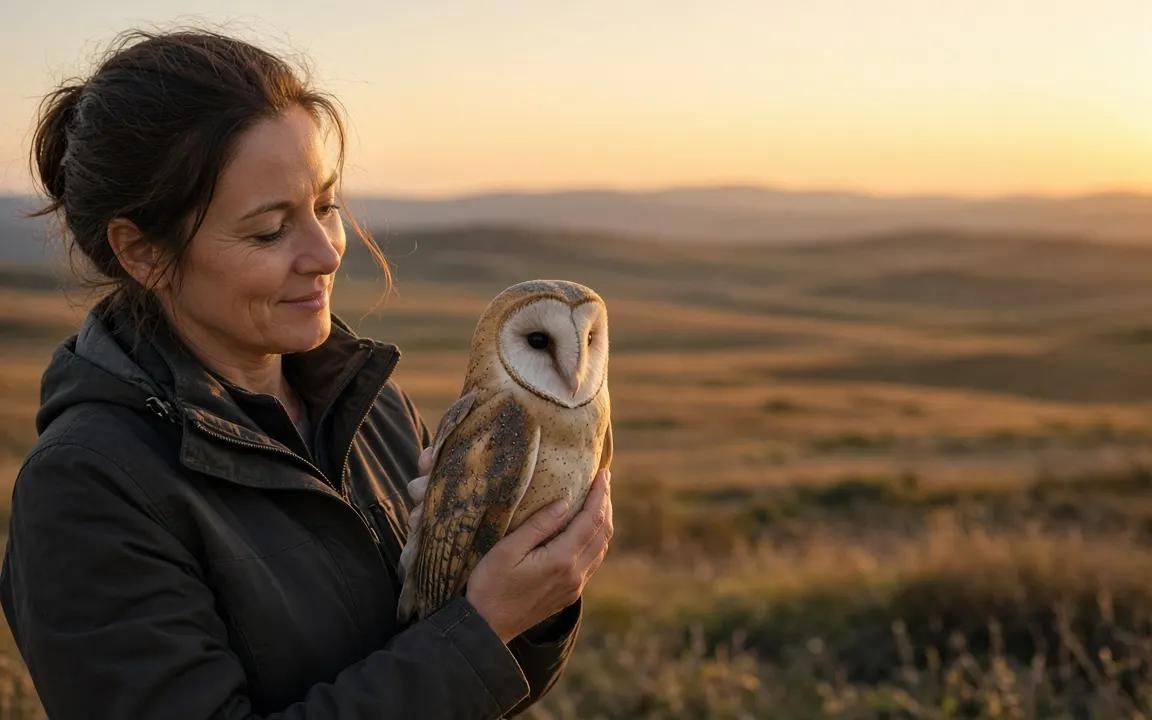
Montana, the United States
Zoo & Wildlife Cremation in Montana: what to know
Most of the institutions that need this service in Montana aren't zoos. They're wildlife rehabilitators, farm and exotic sanctuaries, nature centers, university programs and private keepers of large or unusual animals. Their needs overlap more than they differ: fast cold storage, a provider with the right capacity, records that stand up to an inspection and a respectful way to remember animals people cared for.
Large-animal capacity in Montana is patchy. Pet crematories cluster around cities, equine-size chambers are fewer and often rural, and diagnostic labs may be hours away from the communities that need them. That's why the nearest provider isn't always the right one, and why we sometimes point a sanctuary to a lab two hours away or an equine provider across the state.
We cover 10 communities in Montana, from Billings, Missoula and Great Falls to smaller towns. Conditions vary a lot across Montana: summer highs reach about 87°F in Billings, while winter lows average 10°F in Belgrade. In 100% of the Montana communities we cover, average lows drop below freezing for three months or more, which matters for home burial.

Every Montana community we cover
Choose your city or town for local prices, weather and timing, and rules. 10 communities in Montana, largest first below.
Burial and cremation habits in Montana
Cremation is the norm in Montana: about 73.4%[1] of people who die there are cremated. That familiarity shows up in the pet trade too, with plenty of crematories for small and mid-size animals and staff who are used to confirming individual cremation in writing. It says nothing, though, about large-animal capacity. Even where cremation is this common, chambers big enough for hoofstock or large carnivores are few, so always ask about weight limits directly.
Direct Cremate (citing CANA) (2024) publishes the Montana rate we quote. Read it as the local custom around cremation rather than as pet data.
What zoo and wildlife aftercare costs around Montana
Chamber size quietly shapes the bill. Large animal units are commonly built for about a 1,500 lb load[2], and by our estimate a 1,100 lb animal uses about 73% of that [3], so it's cremated alone. Anything heavier may need sectioning and several loads, each adding time and labor. Ask providers in Montana to quote the whole job, not a price per load.
Cremation isn't the only line on the invoice. Necropsy fees, courier costs for chilled samples, heavy-lift hire and after-hours callouts can together rival the cremation itself. For routes that don't return ashes, by our estimate composting runs about 23 cents a pound [4] and lab digestion about 25 cents a pound. Our written-quote comparison guide shows how to line up quotes from Montana providers.
| Route | Published figure | What it tells you |
|---|---|---|
| Private cremation, small to mid-size animal | $100 to $500+ | Pet-cremation range; fits birds, reptiles, small mammals |
| Cremation of a 1,000 lb animal | $600-$1,000[5] | Equine benchmark for hoofstock and bears |
| Lab incineration vs tissue digestion | about $0.75 vs $0.25 per lb | Lab routes; no ashes unless arranged |
| Rendering pickup, horse-size carcass | $75-$200[6] | Many plants refuse euthanized animals |
| Backhoe rental for burial | $250-$500[7] | Plus labor and site approval |
| Source | Embrace, extension and lab reports | Excludes transport, lifts and certificates |

Free tool
Cremation cost calculator
Estimate a realistic price range for your pet's size, location and the type of cremation.
What Montana regulates, and who to call
Rules for burying a large animal are usually stricter than for a household pet: deeper cover, bigger setbacks from wells and water and tighter deadlines. Animals euthanized with barbiturates carry extra conditions because of the risk to scavenging wildlife. Here's what Montana generally allows.
- Burial at home: Confirm the rule for the actual parcel and proposed burial with the local authority and property owner.
- Scattering ashes: Ask the exact land manager about scattering before making arrangements; a general gathering permission is a separate matter.
- Who oversees it: the authority responsible for the specific activity and location; this guide does not identify a universal permit or licensing rule
- Worth knowing: Record the service method, release authority, identification and return instructions in writing.
A city's population does not establish which aftercare activities are allowed at an address. Check the actual site and activity before proceeding.
County and city offices set many of the local rules. To find yours, start with the official Montana local government directory.
A checklist for the next few hours
- Separate and bag the body and assign an intake number, using gloves and protective gear whenever disease can't be ruled out.
- Check whether the species needs reporting or testing. Birds during avian influenza outbreaks, mammals that carry rabies and cervids close to chronic wasting disease areas are the usual triggers.
- Chill or freeze routine cases in a dedicated, labeled freezer away from food and patient areas.
- Log the disposition in your permit records: the species, the date and where the body went.
- Send routine cases on your scheduled pickup, communal unless someone asked for individual cremation.
- Flag special cases, such as a long-term education animal or a protected species, so they get individual handling and a certificate.
Remembering animals the keepers and public loved
Sanctuaries often mark a resident's death with the people who cared for them: a small gathering at the resident's favorite spot, a tree planted over ashes or a marker by the barn. For supporters, a short story about the animal's life, shared with care, can turn grief into gratitude. Our guide to staff and donor-facing remembrances has formats that work.
Next: see what each choice includes on services, run your own numbers in the tools, check the poll results, or pick another area from all locations.

Reader polls
What would you choose?
Vote anonymously and see how other readers answered. The results are live counts from people who visit this site, so they show real opinions, not a scientific sample.
How should a zoo mark the death of an animal visitors loved?
Tap an answer to vote and see how others answered. Anonymous.
After a death in your collection, how often is there a necropsy before aftercare?
Tap an answer to vote and see how others answered. Anonymous.
If you had to decide today, which aftercare would you choose for your pet?
Tap an answer to vote and see how others answered. Anonymous.

Free tools to help you plan
Cremation cost calculator
Estimate a realistic price range for your pet's size, location and the type of cremation.

Livestock mortality planner
Plan disposal capacity and costs for farm losses, from one animal to a herd.

Ashes weight estimator
See roughly how much ash to expect back, by species and body weight.
Questions people ask
Is cremation common in Montana?
For people, about 73.4%[1] of deaths in Montana end in cremation, which is a fair signal of how many crematories exist for small animals. It says little about large-animal capacity, so always ask a provider about weight limits directly.
How many communities do you cover in Montana?
We have local guides for 10 communities in Montana, including Billings, Missoula and Great Falls. Each page covers local weather and timing, price benchmarks, rules and what capacity is usually within reach. For your specific animal, send us the species, weight and location.
Can remains cross state lines from Montana?
Usually, but not always. Chronic wasting disease rules restrict whole deer and elk carcasses, disease outbreaks can add testing or permit steps for birds and protected species may need documentation to travel. Check with the state veterinarian or wildlife agency first.
How much does zoo and wildlife cremation cost in Montana?
Small animals are priced like household pets, rising with weight. Larger animals are quoted per job based on weight, access, distance and after-hours work. Lab routes such as tissue digestion can cost less per pound but don't return ashes unless arranged. Ask every provider for an itemized written total.
What's the largest animal a crematory in Montana can take?
Large-animal incinerators are commonly rated for up to about a 1,500 lb load[2] (one manufacturer's rating). Heavier animals are usually divided and run through more than one load, or go to a lab or a legal burial instead. Ask each provider for its real limit for an intact animal.
What happens to eagles and other protected birds that die in rehab in Montana?
Federal permit conditions usually apply. Bald and golden eagle remains are generally sent to the US Fish and Wildlife Service's National Eagle Repository rather than cremated, and other migratory birds must be handled as your permit specifies. Check your permit, log each death and ask your state wildlife agency if you're unsure.

Sources and our estimates
- [1] Montana had a 73.4% cremation rate in 2024, among the highest in the US. Direct Cremate (citing CANA), 2024.
- [2] An animal incinerator sized for agricultural and animal-control use holds up to 1,500 lb per load with a maximum burn rate of 250 lb per hour (manufacturer specification). B&L Cremation Systems (manufacturer) - BLI-1500 Animal Incinerator specifications.
- [3] A 1,100 lb horse uses about 73% of a 1,500 lb animal incinerator load, so large-animal units generally cremate one horse at a time. Our estimate: 1,100 / 1,500 x 100. How we calculate.
- [4] Horse rendering costs about $0.14 per pound and composting about $0.23 per pound, both well below incineration at $0.75 per pound, and composting is comparable to a biodigester at $0.25 per pound. Our estimate: $275 / 1,200 lb (composting); $137.50 / 1,000 lb (rendering); $0.25 and $0.75 per lb from extension. How we calculate.
- [5] Cremating a 1,000-pound horse was reported to cost about $600-$1,000, depending on location and the price of propane. Extension Horses (eXtension national Cooperative Extension) - Horse Disposal Options, 2019, 2019.
- [6] Rendering companies typically charge a pickup fee of $75-$200 to remove a horse carcass, depending on location. Extension Horses (eXtension national Cooperative Extension) - Horse Disposal Options, 2019, 2019.
- [7] Renting a backhoe to bury a horse costs roughly $250-$500, and horse disposal in a landfill (where accepted) costs about $80-$150. Extension Horses (eXtension national Cooperative Extension) - Horse Disposal Options, 2019, 2019.
- [8] A 1,100 lb horse would be expected to return roughly 38.5 lb of cremated remains (plausible range 33-55 lb). Our estimate: 1,100 lb x 3.5% (range 3%-5%). How we calculate.
Tell us the species, weight and location
Tell us what you need and where you are. We'll reply by email with clear options and prices so you can decide in your own time.