Zoo animal and wildlife aftercare in Vancouver, Washington
Most aftercare providers in Vancouver are set up for dogs and cats. We help zoo vets, curators, rehabbers and private keepers find the ones that can handle their species, size and paperwork.
- Plain answers on lab disposal vs cremation
- Help with memorials for animals the public loved
- No pressure, just written options by email
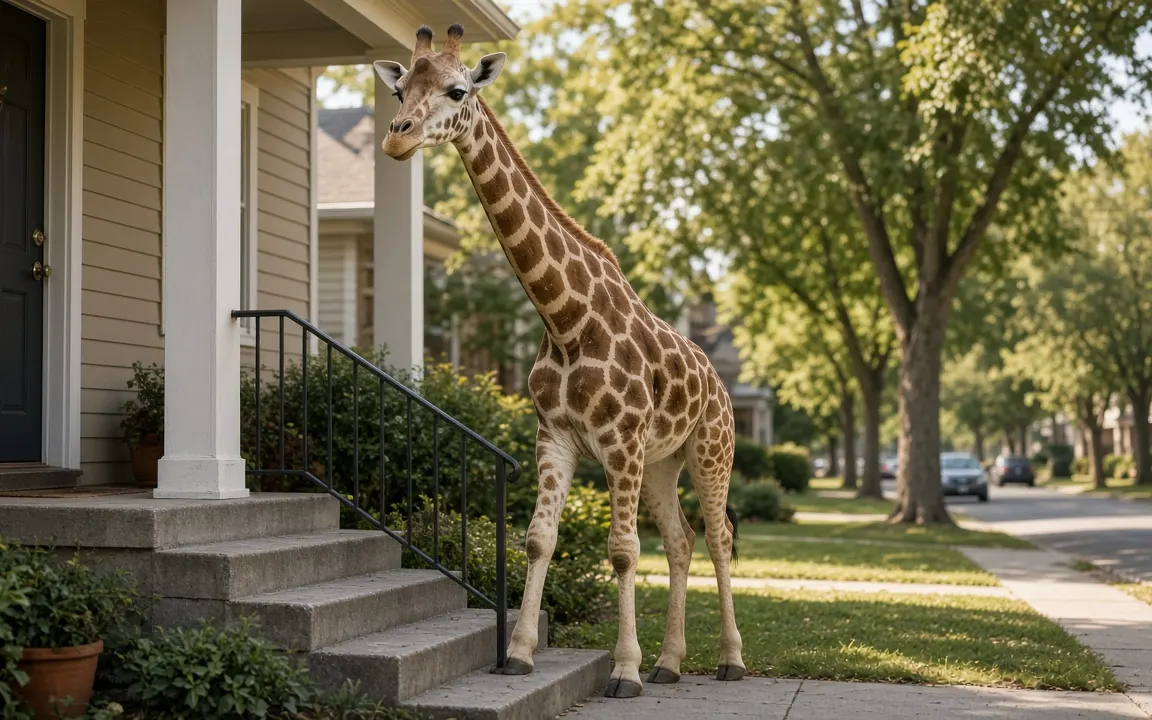
Vancouver, Washington
The local picture for institutions and keepers in Vancouver
Rural Clark County has a strong horse and hobby-farm community, especially around Battle Ground, Brush Prairie and Ridgefield, where many families keep horses, goats, sheep, llamas and chickens on acreage. When a large animal dies, access is the first practical question. Share the address, gate and driveway details, and whether wet winter ground will support a truck, since pastures here often turn to mud.
Commercial livestock in Washington usually goes through rendering or approved disposal, while a horse, donkey, llama or pet goat is often cremated individually so the family can keep the ashes. Options for large-animal cremation in the Portland-Vancouver area are more limited than for small pets, so tell us which situation you're in. That helps us send you providers who can handle the size of the animal.
Many cities the size of Vancouver depend on one crematory for almost everything, which works until that chamber is down for maintenance or booked solid. Institutions and rehabbers here should name a second provider, even a distant one, and confirm it will take their species. Ask the main provider how long repairs usually take and whether they'll warn you before planned downtime. A backup you've never called is only half a plan.
Vancouver's population is around 199,698, the 4th-largest of the 67 Washington communities we cover. The nearest larger centre is Portland, about 9 miles (15 km) away, which is where some providers serving Vancouver are based.
Vancouver sits within easy reach of Camas (8 miles), Portland (9 miles, a larger centre) and Battle Ground (10 miles). A provider based in any of them will usually collect from Vancouver; ask what the mileage adds to the bill.
79.1%[1]
Washington had a 79.1% cremation rate in 2024, among the highest in the US.
$600-$1,000[2]
Cremating a 1,000-pound horse was reported to cost about $600-$1,000, depending on location and the price of propane.
3-5% of body weight[3]
Embrace notes cremated remains typically weigh about 3-5% of the pet's original body weight.
Sources for the statistics above: Extension Horses (eXtension national Cooperative Extension) and Embrace Pet Insurance.
What local funeral customs in Washington mean for animal aftercare
Cremation is well established in Washington, where about 79.1%[1] of people are cremated. That broad acceptance helps when a zoo or sanctuary wants to explain its choices to donors and visitors, and it means individual cremation for smaller animals is easy to find. It doesn't settle disease cases, though: when avian influenza or another reportable condition is suspected, the state veterinarian decides the route, not local custom.
That Washington rate is a human one, published by Direct Cremate (citing CANA) (2024). We quote it for Vancouver only as a pointer to how families here already think about cremation.
Seasonal risks for remains and transport in Vancouver
Rain matters more than heat in a place like Vancouver. December is usually the wettest month, and soft ground makes heavy lifts, trailer access and burial far harder. If a large animal might need moving across a paddock, know where the firm ground is. If you bury on site, check the water table: wet seasons can bring it close enough to rule a site out.
Without harsh seasons, disease rather than weather tends to drive urgency in Vancouver. A suspected avian influenza case in a bird, or any death that looks infectious, still needs cold storage, separation from other remains and a call to the right agency before anything moves. Mild temperatures don't change those rules.

How providers near Vancouver price large and exotic animals
If you're choosing between cremation and cheaper routes for a large animal near Vancouver, compare like with like. Rendering pickup typically costs $75-$200[4] for a horse-size carcass where a renderer exists, but many refuse euthanized animals. Burial means equipment hire. Cremation costs most but is the only route that reliably returns ashes for a memorial.
Prices for Vancouver track the wider Washington market, so use the Washington price table as your baseline and the services page to see what is included.

Free tool
Cremation cost calculator
Estimate a realistic price range for your pet's size, location and the type of cremation.
Who sets the rules for animal remains in Washington
Public health officials can have a say too. When a rabies-vector species dies after contact with people, or a zoonotic disease is suspected, the local health department may need the body before any aftercare happens. Wildlife and agriculture rules for Washington are summarized below; add your health department's number to your protocol alongside them.
Washington keeps an official directory of local governments; use it to reach the county or city office that covers Vancouver.
Start with the Washington rules, which cover burial, scattering and oversight for the whole state, and treat Vancouver's local ordinances as a possible extra layer.
A practical sequence for keepers, vets and rehabbers
- Don't handle the animal bare-handed if it's a bat, raccoon, skunk, fox or other rabies-vector species, and note anyone who was bitten or scratched.
- Call your local health department or vet before anything else. They decide whether the animal needs rabies testing.
- Keep the head intact. The test depends on undamaged brain tissue, which rules out a field necropsy of the head.
- Refrigerate rather than freeze, double-bagged and labeled, unless the lab tells you to do differently.
- Wait for the result before booking cremation. A positive case may need a specific disposal route.
- Log the case in your permit and intake records, and list everyone who had contact with the animal.
Honoring an animal in Vancouver
Winter rain and occasional ice storms can make large-animal aftercare harder in Clark County. Soft pastures, muddy lanes and frozen gates all complicate collection. Summer brings wildfire smoke some years and warm spells that make timing urgent. Owners of senior horses or llamas around Battle Ground often ask about collection well ahead, so a rainy January doesn't force rushed choices.
See what each option includes on our services page, read our guides and latest articles, use the free tools before you ring anyone, or compare your instinct with the poll results. You can also browse every city in the United States. Nearby, we also cover Kent, Tacoma, Spokane and Everett, and every city in Washington.

Reader polls
What would you choose?
Vote anonymously and see how other readers answered. The results are live counts from people who visit this site, so they show real opinions, not a scientific sample.
How does your organization arrange aftercare today?
Tap an answer to vote and see how others answered. Anonymous.
How do you keep chain-of-custody records for remains?
Tap an answer to vote and see how others answered. Anonymous.
If you had to decide today, which aftercare would you choose for your pet?
Tap an answer to vote and see how others answered. Anonymous.

Free tools to help you plan
Cremation cost calculator
Estimate a realistic price range for your pet's size, location and the type of cremation.

Livestock mortality planner
Plan disposal capacity and costs for farm losses, from one animal to a herd.

Ashes weight estimator
See roughly how much ash to expect back, by species and body weight.
Questions people ask
Which nearby towns can I compare with Vancouver?
The closest communities we cover are Camas (about 8 miles), Portland (about 9 miles) and Battle Ground (about 10 miles). Providers based in those places often serve Vancouver too. Ask each one for a written total that includes collection, so the distance is priced in.
When is the hardest time of year to arrange a burial in Vancouver?
There is no frozen-ground season here; average lows stay above freezing all year. The other pressure point is August, when highs around 82°F mean a body needs cooling and collecting quickly.
Where are the providers that serve Vancouver actually based?
Some are local, and some run from Portland, about 9 miles away. That is normal for a city this size. What matters is the collection time they quote for Vancouver and whether the drive is priced into the total, so ask both up front.
Why does the Vancouver page quote a human cremation rate?
Because it is the best local signal we have. Direct Cremate (citing CANA) (2024) reports about 79.1%[1] of Washington residents are cremated. There is no official pet equivalent, and inventing one would be worse than quoting a real, clearly labelled number.
How much does zoo animal cremation cost near Vancouver?
Small animals cost about the same as pet cremation, roughly $100 to $500 or more for private cremation depending on weight. Larger animals are quoted per job. Cremating a 1,000 lb horse has been reported at $600-$1,000[2], a useful benchmark for hoofstock and bears. Transport, lifting equipment and after-hours work add to that.
What paperwork should a provider give us?
At minimum, a record of every hand-off with signatures, confirmation that the cremation was individual (if you paid for that), the date and chamber used and a certificate that uses your animal ID. One directory counts only 2 states[6] in the US that mandated written documentation as of 2026 for pet cremation, so ask for a sample packet before you sign.


Sources and our estimates
- [1] Washington had a 79.1% cremation rate in 2024, among the highest in the US. Direct Cremate (citing CANA), 2024.
- [2] Cremating a 1,000-pound horse was reported to cost about $600-$1,000, depending on location and the price of propane. Extension Horses (eXtension national Cooperative Extension) - Horse Disposal Options, 2019, 2019.
- [3] Embrace notes cremated remains typically weigh about 3-5% of the pet's original body weight. Embrace Pet Insurance - Bury or Cremate Your Dog? Costs, Pros & Cons, 2025.
- [4] Rendering companies typically charge a pickup fee of $75-$200 to remove a horse carcass, depending on location. Extension Horses (eXtension national Cooperative Extension) - Horse Disposal Options, 2019, 2019.
- [5] At an average rate of 250 lb per hour, the burn phase for a 1,100 lb horse would take at least about 4.4 hours, not counting preheating and cool-down. Our estimate: 1,100 lb / 250 lb per hour. How we calculate.
- [6] As of April 2026 only Illinois and Arizona mandated written documentation to consumers for pet cremation. FindPetCremations - Pet Cremation Laws & Regulations by State (2026), 2026.
Plan aftercare for an animal in your care
Tell us what you need and where you are. We'll reply by email with clear options and prices so you can decide in your own time.