Aftercare for zoo, sanctuary and rehab animals in Kent
Most aftercare providers in Kent are set up for dogs and cats. We help zoo vets, curators, rehabbers and private keepers find the ones that can handle their species, size and paperwork.
- Necropsy and cold storage handled in the right order
- Capacity checked against your animal's weight
- Written custody terms before anything moves
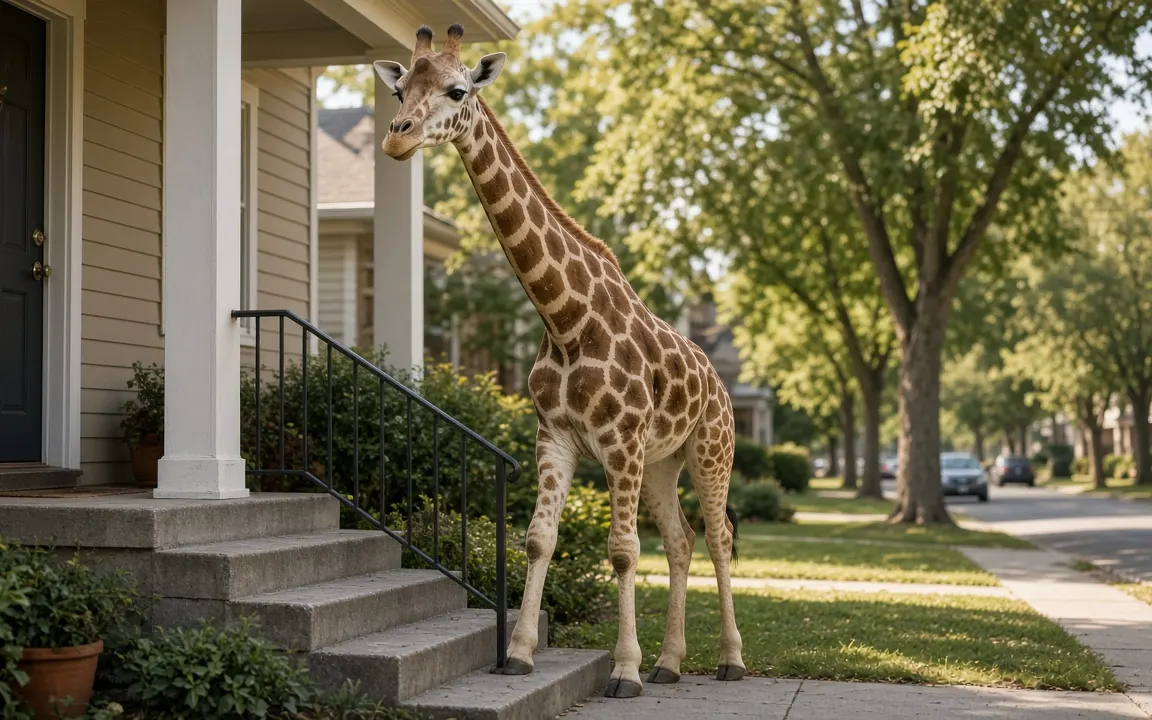
Kent, Washington
The local picture for institutions and keepers in Kent
Rain shapes large animal aftercare around Kent. From fall through spring, pastures turn to mud, and the Green River valley can flood in heavy storms. Summer is drier and warmer, and arrangements should be made quickly then. Commercial livestock is handled under Washington rules. For a horse, pony, pet goat or sanctuary animal, individual cremation may be possible, so explain the animal's role.
Kent's valley has changed from farmland to industry, but horse country is close by. The Enumclaw Plateau, Auburn, Maple Valley and the rural edges of south King County have horse farms, hobby farms and acreages with goats, sheep, alpacas, pigs and chickens. When a large animal dies, access matters: gravel drives, muddy paddocks in the rainy season and how close a truck with a winch can get.
Kent may have a zoo, an aquarium, a nature center or none of these, but almost every city this size has wildlife rehabilitators, a few sanctuaries or rescues nearby and private keepers of exotic animals. Local pet crematories handle small and mid-size animals well. For anything much heavier than a big dog, the realistic provider may be an equine or large-animal crematory in a larger center such as Tacoma, or a diagnostic lab that disposes of remains after necropsy.
Kent is home to about 134,871 people, the 6th-largest of the 67 Washington communities we cover. The nearest larger centre is Tacoma, about 14 miles (23 km) away, which is where some providers serving Kent are based.
Families in Kent often end up using a provider from Des Moines (5 miles), Covington (5 miles) and SeaTac (5 miles). That is normal: crematories serve a radius, not a single town, and the drive is priced into collection.
79.1%[1]
Washington had a 79.1% cremation rate in 2024, among the highest in the US.
$600-$1,000[2]
Cremating a 1,000-pound horse was reported to cost about $600-$1,000, depending on location and the price of propane.
3-5% of body weight[3]
Embrace notes cremated remains typically weigh about 3-5% of the pet's original body weight.
Sources for the statistics above: Extension Horses (eXtension national Cooperative Extension) and Embrace Pet Insurance.
What the human cremation rate in Washington does and doesn't tell you
About 79.1%[1] of people in Washington are cremated, one of the higher rates around. For zoos and sanctuaries, that tends to mean competitive pricing for birds, reptiles and small mammals and a public that readily understands why a beloved animal's ashes might come home for a memorial. The harder part is the rare very large animal, which may still need a lab, a digester or a specialist provider further afield.
Source for the Washington number: Direct Cremate (citing CANA) (2024). Nobody publishes a pet cremation rate for Kent, so the human figure is the best local signal available.
Seasonal risks for remains and transport in Kent
Without harsh seasons, disease rather than weather tends to drive urgency in Kent. A suspected avian influenza case in a bird, or any death that looks infectious, still needs cold storage, separation from other remains and a call to the right agency before anything moves. Mild temperatures don't change those rules.
In a mild climate, a walk-in cooler or a spare chest freezer covers most small and mid-size animals until a regular pickup. The gap is usually large animals. Even in Kent's gentler weather, a 1,000 lb body needs cold storage or transport the same day, so keep a refrigerated-trailer contact on file.

Per-job pricing for Kent institutions and keepers
Chamber size quietly shapes the bill. Large animal units are commonly built for about a 1,500 lb load[4], and by our estimate a 1,100 lb animal uses about 73% of that [5], so it's cremated alone. Anything heavier may need sectioning and several loads, each adding time and labor. Ask providers in Kent to quote the whole job, not a price per load.
We keep the detailed Washington price table on one page so it stays current: see Washington prices.

Free tool
Cremation cost calculator
Estimate a realistic price range for your pet's size, location and the type of cremation.
Legal limits worth checking in Washington
Rules about remains assume someone has the right to decide what happens to them. For animals on loan, on a breeding agreement or held under a government permit, that may not be you. Check the loan or permit terms before choosing a route, then look at the general rules for Washington below. The owning institution or agency may want the necropsy report, tissues or the whole body.
To find your county or city office in Washington, start with the official Washington local government directory.
The Washington page sets out who oversees pet cremation and what the state says about burial and scattering. Kent's own bylaws can sit on top of that, so ask before you dig.
When an animal in your care dies: step by step
- Take a moment. Losing a privately kept exotic animal hurts as much as losing any other, and there's no rush to do anything in the coming hour.
- Call your exotic-animal vet to confirm death and ask whether a necropsy would help, especially if other animals share the enclosure.
- Keep the body cool, out of reach of other animals and scavengers.
- Check any permit issued for the species; a few require you to notify the agency that granted it.
- Contact a provider that can take the species and weight, or ask us for options.
- Choose individual cremation if you want ashes back, and ask for a certificate naming the species.
Remembering animals the keepers and public loved
The Puget Sound region offers more providers than rural Washington, but few cremate horses and large farm animals individually. If you keep an older horse, a donkey or a small herd in south King County, ask ahead about euthanasia planning, collection, cremation and burial on your own land. Having options and rough costs in hand makes a hard day in the barn easier to manage.
go deeper with the guides or catch up on recent articles, For a plain comparison of the choices, open services, or see what other families chose in the poll results, try the free planning tools. Close to Kent we also cover Bellevue, Tacoma, Vancouver and Seattle; the full list for Washington and for the United States is a click away.

Reader polls
What would you choose?
Vote anonymously and see how other readers answered. The results are live counts from people who visit this site, so they show real opinions, not a scientific sample.
For your largest animals, what's the hardest part of aftercare?
Tap an answer to vote and see how others answered. Anonymous.
When a long-time animal dies, what support do the keepers get?
Tap an answer to vote and see how others answered. Anonymous.
If you had to decide today, which aftercare would you choose for your pet?
Tap an answer to vote and see how others answered. Anonymous.

Free tools to help you plan
Cremation cost calculator
Estimate a realistic price range for your pet's size, location and the type of cremation.

Livestock mortality planner
Plan disposal capacity and costs for farm losses, from one animal to a herd.

Ashes weight estimator
See roughly how much ash to expect back, by species and body weight.
Questions people ask
Why does the Kent page quote a human cremation rate?
Because it is the best local signal we have. Direct Cremate (citing CANA) (2024) reports about 79.1%[1] of Washington residents are cremated. There is no official pet equivalent, and inventing one would be worse than quoting a real, clearly labelled number.
Which nearby towns can I compare with Kent?
The closest communities we cover are Des Moines (about 5 miles), Covington (about 5 miles) and SeaTac (about 5 miles). Providers based in those places often serve Kent too. Ask each one for a written total that includes collection, so the distance is priced in.
Does the Kent climate change what I should do first?
Only the timing. In August, with highs near 78°F, cool the body and book collection the same day. Winters here are mild enough that burial or scattering is possible in any month.
Where are the providers that serve Kent actually based?
Some are local, and some run from Tacoma, about 14 miles away. That is normal for a city this size. What matters is the collection time they quote for Kent and whether the drive is priced into the total, so ask both up front.
What should a rehabber near Kent do when a bat or raccoon dies in care?
Treat it as a possible rabies case until a vet or the health department says otherwise. Don't handle it bare-handed, keep the head intact, refrigerate it rather than freezing and call the local health department to ask whether testing is needed, especially if anyone was bitten or scratched. Only book cremation once they've released the body.
What should we ask a cremation provider in Kent before signing?
Ask about chamber size and weight limits, whether they can take the animal intact, after-hours response, how animals are identified from pickup to certificate, what the paperwork packet contains and how they price by weight. Our questions institutions should ask vendors goes further.


Sources and our estimates
- [1] Washington had a 79.1% cremation rate in 2024, among the highest in the US. Direct Cremate (citing CANA), 2024.
- [2] Cremating a 1,000-pound horse was reported to cost about $600-$1,000, depending on location and the price of propane. Extension Horses (eXtension national Cooperative Extension) - Horse Disposal Options, 2019, 2019.
- [3] Embrace notes cremated remains typically weigh about 3-5% of the pet's original body weight. Embrace Pet Insurance - Bury or Cremate Your Dog? Costs, Pros & Cons, 2025.
- [4] An animal incinerator sized for agricultural and animal-control use holds up to 1,500 lb per load with a maximum burn rate of 250 lb per hour (manufacturer specification). B&L Cremation Systems (manufacturer) - BLI-1500 Animal Incinerator specifications.
- [5] A 1,100 lb horse uses about 73% of a 1,500 lb animal incinerator load, so large-animal units generally cremate one horse at a time. Our estimate: 1,100 / 1,500 x 100. How we calculate.
- [6] A 1,100 lb horse would be expected to return roughly 38.5 lb of cremated remains (plausible range 33-55 lb). Our estimate: 1,100 lb x 3.5% (range 3%-5%). How we calculate.
Get zoo and wildlife aftercare options for Kent
Tell us what you need and where you are. We'll reply by email with clear options and prices so you can decide in your own time.