When an animal in your care dies in Laredo: zoo and wildlife aftercare
Most aftercare providers in Laredo are set up for dogs and cats. We help zoo vets, curators, rehabbers and private keepers find the ones that can handle their species, size and paperwork.
- Plain answers on lab disposal vs cremation
- Help with memorials for animals the public loved
- No pressure, just written options by email
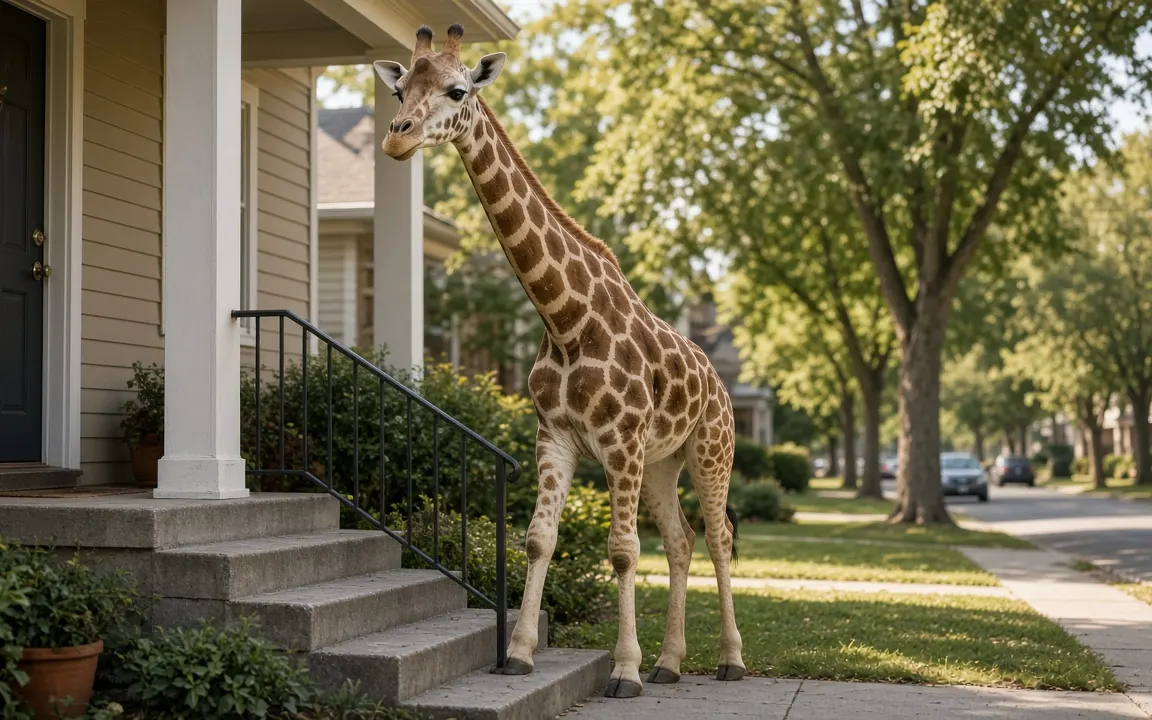
Laredo, Texas
What zoo and wildlife aftercare looks like in Laredo
Ranching families around Laredo have long buried horses and cattle on their own land, and where local rules allow, that is still a practical answer, especially when a backhoe is already on the property. In heat above 100F, decisions have to be made within hours. For a charro horse, a family burro or a show goat, ask regional providers directly whether they take individual large animals and return the ashes.
Few providers near Laredo handle horse-sized cremation, so many owners end up looking toward San Antonio or Corpus Christi, a long drive for a trailer or collection truck. If you have an aging horse or a much-loved burro, get quotes during the milder months from November to March, when there is time to compare. Ask about mileage charges and how long the ashes take to return.
Necropsy access from Laredo usually means a state or university diagnostic lab, which may be some distance away. Before you need it, find out which lab serves your area, whether they accept intact large animals or only samples, how they want submissions packed and chilled and whether they'll release remains to a crematory afterwards. If the answer to that last question is no, and ashes matter to your team, you may need a local vet to take samples and send the body directly to cremation.
Laredo is home to about 269,515 people, the 11th-largest of the 325 Texas communities we cover.
Nearby, we also have local pages for Alice (88 miles), Kingsville (100 miles) and Corpus Christi (129 miles), which can help if your vet or the provider you prefer is based there.
55.7%[1]
The NFDA projected Texas's cremation rate at 55.7% for 2024.
$600-$1,000[2]
Cremating a 1,000-pound horse was reported to cost about $600-$1,000, depending on location and the price of propane.
3-5% of body weight[3]
Embrace notes cremated remains typically weigh about 3-5% of the pet's original body weight.
Where these figures come from: Embrace Pet Insurance and Extension Horses (eXtension national Cooperative Extension).
What local funeral customs in Texas mean for animal aftercare
Cremation in Texas has climbed to about 55.7%[1] of deaths, and the pet side has grown with it, with newer crematories opening in places that had none. New providers can be good partners, but check what they've actually handled. Ask how big their chamber is, whether they've cremated reptiles, large birds or animals over a few hundred pounds and how they keep individual cases separate on a busy day.
The Texas figure comes from NFDA 2024 Cremation & Burial Report state projections (via Occasional Sage) (2024). It describes people, not pets, so read it as a sign of local attitudes rather than a pet statistic.
Seasonal risks for remains and transport in Laredo
The people doing the lifting in Laredo's summer need protecting too. Keepers moving a heavy animal in August heat are at risk of exhaustion, and flies and fluids raise the chance of zoonotic infection. Build rest breaks, water, gloves, eye protection and a disinfectant station into the summer version of your protocol. A two-person job in April may need four people in July.
In the heat of August, flies and scavengers arrive fast, which matters for rehabbers and sanctuaries holding remains outdoors even briefly. Bag or cover the body, keep it out of reach of wildlife and pets and never leave a euthanized animal where scavengers can reach it. If collection will be delayed, a chest freezer is fine for small animals once your vet confirms samples aren't needed fresh.

What zoo and wildlife aftercare costs around Laredo
Cremation isn't the only line on the invoice. Necropsy fees, courier costs for chilled samples, heavy-lift hire and after-hours callouts can together rival the cremation itself. For routes that don't return ashes, by our estimate composting runs about 23 cents a pound [4] and lab digestion about 25 cents a pound. Our written-quote comparison guide shows how to line up quotes from Laredo providers.
We keep the detailed Texas price table on one page so it stays current: see Texas prices.

Free tool
Cremation cost calculator
Estimate a realistic price range for your pet's size, location and the type of cremation.
What Texas regulates, and who to call
Moving remains on public roads is regulated more than people realize. Most places expect a covered, leak-proof vehicle and, for disease cases, a direct route with no stops. Some movements need a permit or a veterinary declaration, especially near disease control zones. The usual position in Texas is summarized below; your vet or animal health office can confirm the details.
To find your county or city office in Texas, start with the official Texas local government directory.
Home burial and scattering are governed at the Texas level first; our Texas rules summary has the detail. Then check whether Laredo or your HOA adds anything.
From enclosure to certificate, step by step
- Don't handle the animal bare-handed when it's a fox, skunk, raccoon, bat or another rabies-vector species, and write down the name of anyone it bit or scratched.
- Call your local health department or vet first of all; it's their decision whether the animal has to be tested for rabies.
- Keep the head intact. The test depends on undamaged brain tissue, which rules out a field necropsy of the head.
- Refrigerate rather than freeze, double-bagged and labeled, unless the lab tells you to do differently.
- Wait for the result before booking cremation. A positive case may need a specific disposal route.
- Log the case against your permit and intake records, including who had contact.
Remembering animals the keepers and public loved
Laredo is surrounded by South Texas brush country, with big cattle ranches, goats, and a long tradition of vaquero and charro horsemanship still seen at local charreadas. When a horse or cow dies on a ranch in Webb County, distance and heat shape every choice. Describe the ranch road, the gate and how far the animal lies from a caliche track, so the provider knows what equipment to bring.
or see how other readers answered in our polls, read our guides and latest articles, run the numbers with the free planning tools, Our services overview lays out every option side by side. More local pages: El Paso, Austin, Dallas and Houston, the Texas overview and every city in the United States.

Reader polls
What would you choose?
Vote anonymously and see how other readers answered. The results are live counts from people who visit this site, so they show real opinions, not a scientific sample.
For your largest animals, what's the hardest part of aftercare?
Tap an answer to vote and see how others answered. Anonymous.
After a death in your collection, how often is there a necropsy before aftercare?
Tap an answer to vote and see how others answered. Anonymous.
If you had to decide today, which aftercare would you choose for your pet?
Tap an answer to vote and see how others answered. Anonymous.

Free tools to help you plan
Cremation cost calculator
Estimate a realistic price range for your pet's size, location and the type of cremation.

Livestock mortality planner
Plan disposal capacity and costs for farm losses, from one animal to a herd.

Ashes weight estimator
See roughly how much ash to expect back, by species and body weight.
Questions people ask
How do Texas attitudes to cremation compare?
NFDA 2024 Cremation & Burial Report state projections (via Occasional Sage) (2024) puts the Texas human cremation rate at about 55.7%[1]. We show it on the Laredo page because pet aftercare choices tend to track it: where cremation is normal for people, communal and private pet cremation are both easy to find.
How does Laredo's weather affect animal aftercare?
August is the hottest month in Laredo, with average highs around 101°F, so prompt collection matters most then. Winters are mild, with average lows staying above freezing, so outdoor burial or scattering is usually possible year round.
Which nearby towns can I compare with Laredo?
The closest communities we cover are Alice (about 88 miles), Kingsville (about 100 miles) and Corpus Christi (about 129 miles). Providers based in those places often serve Laredo too. Ask each one for a written total that includes collection, so the distance is priced in.
Is there a zoo crematory in Laredo?
Dedicated zoo crematories are rare anywhere. Most institutions around Laredo use a mix: a pet crematory for small animals, an equine or large-animal provider for mid-size ones and a diagnostic lab for necropsy and very large cases. Send us the species, weight and location, and we'll reply with what's realistically within reach.
What if no provider near Laredo can take our largest animal?
Then the choices are travel, a lab or a route without ashes. A university or state diagnostic lab may accept the animal for necropsy and disposal. A distant large-animal crematory may be worth the drive if ashes matter. Where it's legal and practical, on-site burial is another option. Providers serving Houston are also worth asking.
Where can a wildlife rehabilitator in Laredo send animals that die in care?
Most rehabbers use a local vet's regular crematory pickup for routine cases, often communal cremation. Suspected avian influenza, rabies-vector species and protected animals may need testing or approved disposal first, so check with your state wildlife agency. For long-term education animals, ask for individual cremation and a certificate matching your records.


Sources and our estimates
- [1] The NFDA projected Texas's cremation rate at 55.7% for 2024. NFDA 2024 Cremation & Burial Report state projections (via Occasional Sage), 2024.
- [2] Cremating a 1,000-pound horse was reported to cost about $600-$1,000, depending on location and the price of propane. Extension Horses (eXtension national Cooperative Extension) - Horse Disposal Options, 2019, 2019.
- [3] Embrace notes cremated remains typically weigh about 3-5% of the pet's original body weight. Embrace Pet Insurance - Bury or Cremate Your Dog? Costs, Pros & Cons, 2025.
- [4] Horse rendering costs about $0.14 per pound and composting about $0.23 per pound, both well below incineration at $0.75 per pound, and composting is comparable to a biodigester at $0.25 per pound. Our estimate: $275 / 1,200 lb (composting); $137.50 / 1,000 lb (rendering); $0.25 and $0.75 per lb from extension. How we calculate.
- [5] A 1,100 lb horse would be expected to return roughly 38.5 lb of cremated remains (plausible range 33-55 lb). Our estimate: 1,100 lb x 3.5% (range 3%-5%). How we calculate.
Get zoo and wildlife aftercare options for Laredo
Tell us what you need and where you are. We'll reply by email with clear options and prices so you can decide in your own time.