Zoo & Wildlife Cremation in Missouri
Whether you run a collection, a rehab center or a sanctuary in Missouri, the order is the same: vet or pathologist first, cold storage second, cremation third. Here's how that works locally and what it costs.
- Plain answers on lab disposal vs cremation
- Help with memorials for animals the public loved
- No pressure, just written options by email
Missouri, the United States
Zoo & Wildlife Cremation in Missouri: what to know
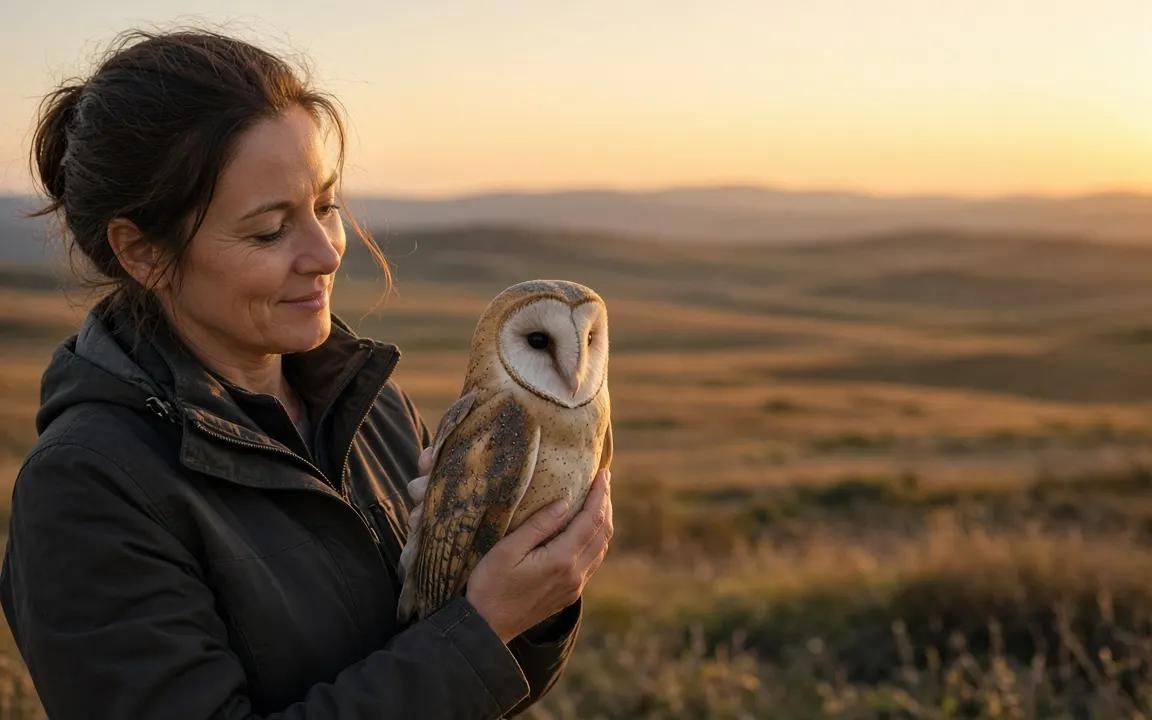
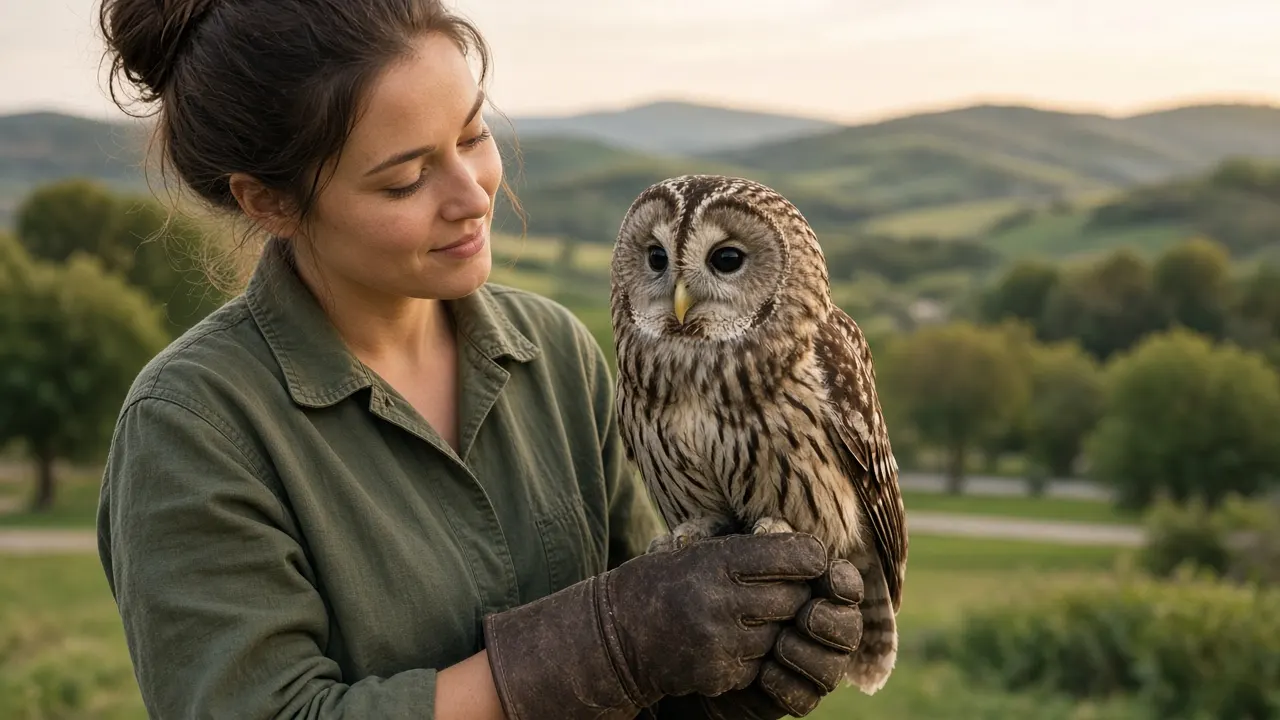
Remembering an animal matters in Missouri as much as anywhere. A long-lived zoo resident, a sanctuary's oldest horse or a rehab center's education owl may be known to thousands of people. The aftercare route decides what's possible later, so if ashes will be wanted for a memorial, choose individual cremation and say so before the necropsy.
Most of the institutions that need this service in Missouri aren't zoos. They're wildlife rehabilitators, farm and exotic sanctuaries, nature centers, university programs and private keepers of large or unusual animals. Their needs overlap more than they differ: fast cold storage, a provider with the right capacity, records that stand up to an inspection and a respectful way to remember animals people cared for.
We cover 43 communities in Missouri, from Kansas City, St. Louis and Springfield to smaller towns. Conditions vary a lot across Missouri: summer highs reach about 90°F in Kansas City, while winter lows average 17°F in St. Joseph. In 100% of the Missouri communities we cover, average lows drop below freezing for three months or more, which matters for home burial.

Every Missouri community we cover
Choose your city or town for local prices, weather and timing, and rules. 43 communities in Missouri, largest first below.
- Kansas City521,220 people
- St. Louis278,144 people
- Springfield169,847 people
- Columbia130,851 people
- Independence121,675 people
- Lee's Summit107,514 people
- O'Fallon96,101 people
- St. Charles72,561 people
N
How Missouri thinks about cremation, and what that means for your animals
About 59.8%[1] of people in Missouri are cremated, a share that has been rising for years. Pet cremation has grown alongside it, so providers for small and mid-size animals are reasonably easy to find. Large-animal options have grown more slowly. Sanctuaries and rehabbers here often use a mix: cremation for animals the team was close to, lab disposal or burial for the rest.
That Missouri rate is a human statistic published by NFDA 2024 Cremation & Burial Report state projections (via Occasional Sage) (2024); there is no pet equivalent, so we use it as a signal of how families here already think.
Per-job pricing for Missouri institutions and keepers
If you're choosing between cremation and cheaper routes for a large animal near Missouri, compare like with like. Rendering pickup typically costs $75-$200[2] for a horse-size carcass where a renderer exists, but many refuse euthanized animals. Burial means equipment hire. Cremation costs most but is the only route that reliably returns ashes for a memorial.
Standing arrangements usually beat one-off calls on price. Institutions around Missouri with frequent small losses often negotiate a fixed price per weight band and per-job pricing above a set weight. The benchmarks below give you a starting point for that conversation; the final schedule depends on your volume and the provider's equipment.
| Route | Published figure | What it tells you |
|---|---|---|
| Private cremation, small to mid-size animal | $100 to $500+ | Pet-cremation range; fits birds, reptiles, small mammals |
| Cremation of a 1,000 lb animal | $600-$1,000[3] | Equine benchmark for hoofstock and bears |
| Lab incineration vs tissue digestion | about $0.75 vs $0.25 per lb | Lab routes; no ashes unless arranged |
| Rendering pickup, horse-size carcass | $75-$200[2] | Many plants refuse euthanized animals |
| Backhoe rental for burial | $250-$500[4] | Plus labor and site approval |
| Source | Embrace, extension and lab reports | Excludes transport, lifts and certificates |

Free tool
Cremation cost calculator
Estimate a realistic price range for your pet's size, location and the type of cremation.
Rules in Missouri that can decide the route for you
Rules for burying a large animal are usually stricter than for a household pet: deeper cover, bigger setbacks from wells and water and tighter deadlines. Animals euthanized with barbiturates carry extra conditions because of the risk to scavenging wildlife. Here's what Missouri generally allows.
- Burial at home: Confirm the rule for the actual parcel and proposed burial with the local authority and property owner.
- Scattering ashes: Ask the exact land manager about scattering before making arrangements; a general gathering permission is a separate matter.
- Who oversees it: the authority responsible for the specific activity and location; this guide does not identify a universal permit or licensing rule
- Worth knowing: Record the service method, release authority, identification and return instructions in writing.
A city's population does not establish which aftercare activities are allowed at an address. Check the actual site and activity before proceeding.
County and city offices set many of the local rules. To find yours, start with the official Missouri local government directory.
When an animal in your care dies: step by step
- Stop all animal movements in and out of the affected area as soon as you see several deaths.
- Call your vet and lay out the pattern: which species, how many, over what period and what signs showed first.
- Isolate and chill the bodies one by one, each in its own labeled bag, with a note recording where each was found.
- Let the vet choose which animals go for necropsy; a handful of representative cases is usually all that's needed.
- Report to the animal health authority if the vet suspects anything notifiable.
- Use the approved disposal route for the rest, and log every animal individually even if they're cremated together.
Ways Missouri teams mark the loss of an animal
Anniversaries matter. Many institutions mark the date an animal died with a note to staff, a social media post or a small gathering at the habitat. It's a gentle way to acknowledge grief that often goes unspoken in animal care work.
From here: services and prices, the free tools, what readers voted in the polls, or the map of every location.

Reader polls
What would you choose?
Vote anonymously and see how other readers answered. The results are live counts from people who visit this site, so they show real opinions, not a scientific sample.
When a long-time animal dies, what support do the keepers get?
Tap an answer to vote and see how others answered. Anonymous.
How should a zoo mark the death of an animal visitors loved?
Tap an answer to vote and see how others answered. Anonymous.
If you had to decide today, which aftercare would you choose for your pet?
Tap an answer to vote and see how others answered. Anonymous.

Free tools to help you plan
Cremation cost calculator
Estimate a realistic price range for your pet's size, location and the type of cremation.

Livestock mortality planner
Plan disposal capacity and costs for farm losses, from one animal to a herd.

Ashes weight estimator
See roughly how much ash to expect back, by species and body weight.
Questions people ask
Do institutions in Missouri use standing contracts for aftercare?
Many do. A standing arrangement agrees weight-band pricing, capacity limits, after-hours response and custody paperwork before a death happens. Institutions with frequent small losses and occasional large ones often keep two agreements: one local and one with large-animal capacity.
Is cremation common in Missouri?
For people, about 59.8%[1] of deaths in Missouri end in cremation, which is a fair signal of how many crematories exist for small animals. It says little about large-animal capacity, so always ask a provider about weight limits directly.
What should rehabbers in Missouri do with birds that die during avian influenza outbreaks?
Bag them, keep them chilled and separate, wear protective equipment and contact the state wildlife agency or animal health office before sending them anywhere. The outbreak that began in 2022 had affected over 179 million birds[6] across all 50 states by late 2025, so testing and disposal routes are well established.
How do winters in Missouri affect aftercare?
In the colder parts of Missouri, frozen ground can rule out burial for months and snow can block heavy vehicles. In St. Joseph, one of the coldest places we cover, winter lows average about 17°F. Keep a cremation or lab fallback and don't freeze a body before necropsy unless the vet agrees.
Can we get ashes back after a lab necropsy in Missouri?
Yes, if you arrange it before the necropsy. Many labs dispose of remains themselves by incineration or digestion unless the submission form says the remains should be released to a crematory. Put the request in writing and confirm who collects from the lab.
What happens to eagles and other protected birds that die in rehab in Missouri?
Federal permit conditions usually apply. Bald and golden eagle remains are generally sent to the US Fish and Wildlife Service's National Eagle Repository rather than cremated, and other migratory birds must be handled as your permit specifies. Check your permit, log each death and ask your state wildlife agency if you're unsure.

Sources and our estimates
- [1] The NFDA projected Missouri's cremation rate at 59.8% for 2024. NFDA 2024 Cremation & Burial Report state projections (via Occasional Sage), 2024.
- [2] Rendering companies typically charge a pickup fee of $75-$200 to remove a horse carcass, depending on location. Extension Horses (eXtension national Cooperative Extension) - Horse Disposal Options, 2019, 2019.
- [3] Cremating a 1,000-pound horse was reported to cost about $600-$1,000, depending on location and the price of propane. Extension Horses (eXtension national Cooperative Extension) - Horse Disposal Options, 2019, 2019.
- [4] Renting a backhoe to bury a horse costs roughly $250-$500, and horse disposal in a landfill (where accepted) costs about $80-$150. Extension Horses (eXtension national Cooperative Extension) - Horse Disposal Options, 2019, 2019.
- [5] A 1,100 lb horse would be expected to return roughly 38.5 lb of cremated remains (plausible range 33-55 lb). Our estimate: 1,100 lb x 3.5% (range 3%-5%). How we calculate.
- [6] As of September 30, 2025, the U.S. highly pathogenic avian influenza (HPAI) outbreak that began in February 2022 had hit all 50 states and Puerto Rico, infecting 1,741 premises and affecting over 179 million birds. USDA APHIS CEAH - Status and Epidemiologic Analyses of HPAI-affected Poultry Flocks, September 30, 2025 Interim Report, 2025.
Request written aftercare options by email
Tell us what you need and where you are. We'll reply by email with clear options and prices so you can decide in your own time.