Zoo animal and wildlife aftercare in Costa Mesa, California
Whether you run a collection, a rehab center or a sanctuary in Costa Mesa, the order is the same: vet or pathologist first, cold storage second, cremation third. Here's how that works locally and what it costs.
- Standing arrangements with weight-band pricing
- Heavy-lift and transport planned in advance
- Ashes returned when your team wants them
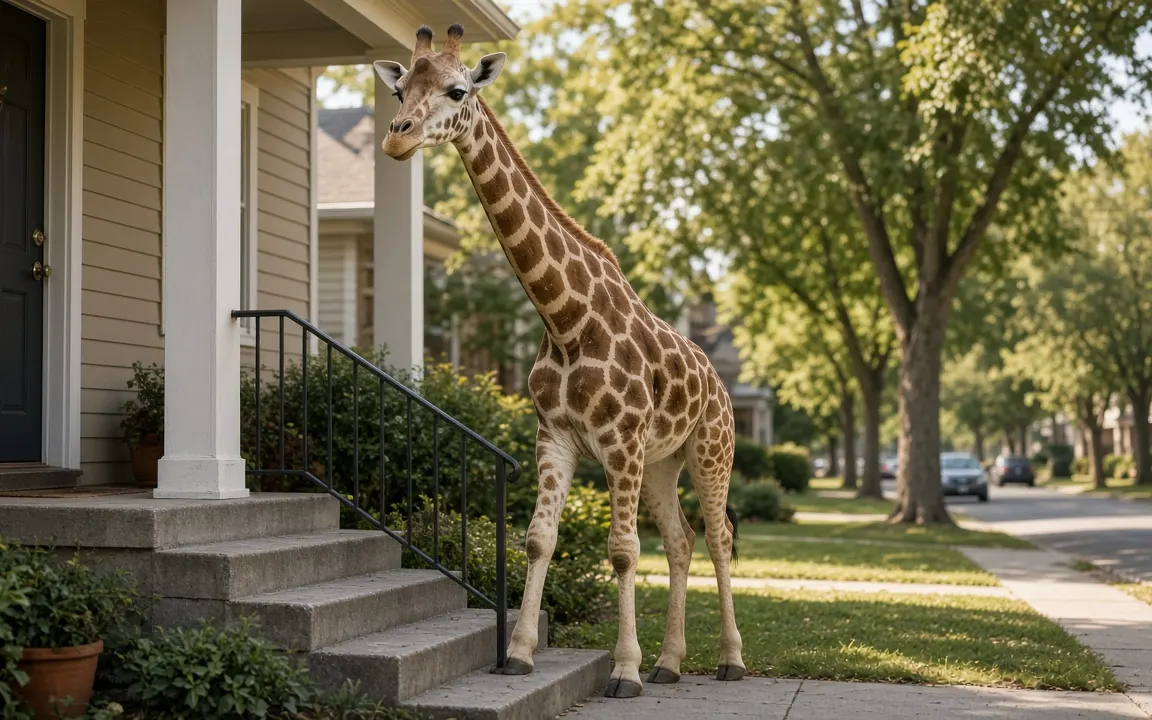
Costa Mesa, California
Zoo, rehab and sanctuary aftercare options near Costa Mesa
Families who show animals at the county fair, whether goats, sheep, pigs or steers, often form strong bonds with them even when they are raised for market. When a show animal or a pleasure horse dies, keeping a ribbon, a halter, a lock of hair or a hoof print can give the loss a place. Tell the provider in advance what you want to keep.
Costa Mesa has almost no room for large animals of its own, yet it is home to the county fairgrounds, where the summer fair brings livestock shows and an equestrian centre keeps horses on site year-round. Horse owners who board there or in the canyons further inland may need aftercare that works around a shared barn. Ask the facility about its rules and describe the location clearly to any provider.
Heavy-lift help is usually local even when the crematory isn't. Towing companies with rollback trucks, farm equipment dealers, crane rental firms and neighboring farms with a loader are the people who get a 1,000 lb animal out of a barn or paddock near Costa Mesa. Keep their numbers with your aftercare plan, note gate widths and ground conditions and agree who pays for the lift. A large-animal crematory can often send a trailer with a winch, but not always a crane.
With roughly 108,881 residents, Costa Mesa is the 59th-largest of the 307 California communities we cover. Irvine, roughly 5 miles off, is the closest larger centre, and a share of the providers who cover Costa Mesa run from there.
If you want to compare providers, look at Newport Beach (3 miles), Fountain Valley (4 miles) and Huntington Beach (5 miles). Distance matters because pickup fees and the time until the ashes come back both grow with the drive.
70.5%[1]
The NFDA projected California's cremation rate at 70.5% for 2024.
$600-$1,000[2]
Cremating a 1,000-pound horse was reported to cost about $600-$1,000, depending on location and the price of propane.
3-5% of body weight[3]
Embrace notes cremated remains typically weigh about 3-5% of the pet's original body weight.
The numbers above come from Extension Horses (eXtension national Cooperative Extension) and Embrace Pet Insurance, if you'd like to read the original sources.
Local attitudes to cremation and memorials
Because about 70.5%[1] of people in California choose cremation, pet crematories here face real competition, and many of them will negotiate for regular institutional work. Use that. Ask two or three for a written schedule by weight, a price for communal loads from a rehab center and a firm answer on the largest animal they can take. Some also offer aquamation, a water-based alternative, which is worth asking about if your board cares about emissions.
The California percentage above is from NFDA 2024 Cremation & Burial Report state projections (via Occasional Sage) (2024) and refers to human funerals. Treat it as context for Costa Mesa, not as a count of pets.
Planning around Costa Mesa's climate
Pleasant weather in Costa Mesa tempts teams to do a field necropsy outdoors or to leave a body under a tarp for a later pickup. Both carry risks: flies, scavengers, contaminated ground and a public that may see more than you'd like. A small, screened area with a hard floor and a hose, set aside for this work, keeps things controlled whatever the season.
Heavy rain around February brings its own problems for holding remains. A covered, drained area for bagged bodies, leak-proof bags and a hard-standing spot where a vehicle can load without churning mud all help. If your holding area floods, that's also a biosecurity issue, so move remains to higher ground before the storm rather than after.

Budgeting aftercare for large and exotic animals in Costa Mesa
Cremation isn't the only line on the invoice. Necropsy fees, courier costs for chilled samples, heavy-lift hire and after-hours callouts can together rival the cremation itself. For routes that don't return ashes, by our estimate composting runs about 23 cents a pound [4] and lab digestion about 25 cents a pound. Our written-quote comparison guide shows how to line up quotes from Costa Mesa providers.
We keep the detailed California price table on one page so it stays current: see California prices.

Free tool
Cremation cost calculator
Estimate a realistic price range for your pet's size, location and the type of cremation.
Who sets the rules for animal remains in California
Most disposal rules in California were written with farm animals and household pets in mind, and zoo species don't always fit neatly. When in doubt, ask the regulator directly and write the answer into your protocol. It's far easier to get a clear ruling on a quiet Tuesday than after a death on a Friday night.
To find your county or city office in California, start with the official California local government directory.
Start with the California rules, which cover burial, scattering and oversight for the whole state, and treat Costa Mesa's local ordinances as a possible extra layer.
What to do, in order, after a loss in your care
- Activate the written protocol and put one person in charge of coordinating the day.
- Confirm with the pathologist the time and place of the necropsy, and the way the remains get handed back once it's done.
- Move the body out of public view by the agreed route, ideally before opening hours.
- Record each hand-off as it happens: enclosure, cooler, lab, crematory, each with a time and a signature.
- Brief the communications lead on what's safe to say immediately and what waits for results.
- Plan the staff gathering and ask the keepers how they'd like the animal remembered.
- Review the case afterwards and revise the protocol while everything's still clear.
Keeping an animal's story alive
Coastal air keeps Costa Mesa cooler than inland Orange County, yet a horse or other big animal that dies at a boarding barn still has to be dealt with promptly. The barn manager will usually help move neighbouring horses and screen the stall or paddock. Collection trucks need a clear path, so check whether fair traffic, events at the grounds or locked gates could delay the crew.
try the free planning tools, there are guides for the big decisions and articles for the details, or compare your instinct with the poll results, The services page is the place to compare what is included. If you live between Costa Mesa and Los Angeles, San Francisco, San Diego and San Jose, either page applies. Every other community in California, and all of the United States, is listed too.

Reader polls
What would you choose?
Vote anonymously and see how other readers answered. The results are live counts from people who visit this site, so they show real opinions, not a scientific sample.
How does your organization arrange aftercare today?
Tap an answer to vote and see how others answered. Anonymous.
How should a zoo mark the death of an animal visitors loved?
Tap an answer to vote and see how others answered. Anonymous.
If you had to decide today, which aftercare would you choose for your pet?
Tap an answer to vote and see how others answered. Anonymous.

Free tools to help you plan
Cremation cost calculator
Estimate a realistic price range for your pet's size, location and the type of cremation.

Livestock mortality planner
Plan disposal capacity and costs for farm losses, from one animal to a herd.

Ashes weight estimator
See roughly how much ash to expect back, by species and body weight.
Questions people ask
Does the Costa Mesa climate change what I should do first?
Only the timing. In August, with highs near 85°F, cool the body and book collection the same day. Winters here are mild enough that burial or scattering is possible in any month.
Is cremation common in California?
For people, yes: about 70.5%[1] of California deaths end in cremation, according to NFDA 2024 Cremation & Burial Report state projections (via Occasional Sage) (2024). Nobody publishes the same figure for pets, but in our experience pet choices in Costa Mesa follow the human pattern closely, so cremation is the default most families here start from.
Can a provider from a neighbouring town collect from Costa Mesa?
Usually yes. Newport Beach is about 3 miles away, Fountain Valley is about 4 miles away and Huntington Beach is about 5 miles away, all inside a normal collection radius. Get the mileage written into the quote so there is no surprise on the day.
Will I have to travel to Irvine to arrange things?
Not usually. Providers based in Irvine (roughly 5 miles from Costa Mesa) collect from here as a matter of routine, and the paperwork is done by email or phone. If you want to be present for a witnessed cremation, that is when the drive matters.
How long does it take to cremate a very large animal?
Much longer than a pet. Large-animal chambers burn at around 250 lb/hour[6], so by our estimate a horse-size body of 1,100 lb needs at least 4.4 hours[7] of burn time alone, before preheating and cooling. Add collection, any necropsy and processing, and ashes usually return in days to a few weeks. Ask the provider for a realistic date in writing.
Where can a wildlife rehabilitator in Costa Mesa send animals that die in care?
Most rehabbers use a local vet's regular crematory pickup for routine cases, often communal cremation. Suspected avian influenza, rabies-vector species and protected animals may need testing or approved disposal first, so check with your state wildlife agency. For long-term education animals, ask for individual cremation and a certificate matching your records.


Sources and our estimates
- [1] The NFDA projected California's cremation rate at 70.5% for 2024. NFDA 2024 Cremation & Burial Report state projections (via Occasional Sage), 2024.
- [2] Cremating a 1,000-pound horse was reported to cost about $600-$1,000, depending on location and the price of propane. Extension Horses (eXtension national Cooperative Extension) - Horse Disposal Options, 2019, 2019.
- [3] Embrace notes cremated remains typically weigh about 3-5% of the pet's original body weight. Embrace Pet Insurance - Bury or Cremate Your Dog? Costs, Pros & Cons, 2025.
- [4] Horse rendering costs about $0.14 per pound and composting about $0.23 per pound, both well below incineration at $0.75 per pound, and composting is comparable to a biodigester at $0.25 per pound. Our estimate: $275 / 1,200 lb (composting); $137.50 / 1,000 lb (rendering); $0.25 and $0.75 per lb from extension. How we calculate.
- [5] A 1,100 lb horse uses about 73% of a 1,500 lb animal incinerator load, so large-animal units generally cremate one horse at a time. Our estimate: 1,100 / 1,500 x 100. How we calculate.
- [6] A commercial pet crematory rated for 1,000 lb loads cremates at an average of about 250 lb per hour (manufacturer specification). B&L Cremation Systems (manufacturer) - BLP-1000 Pet Crematory specifications.
- [7] At an average rate of 250 lb per hour, the burn phase for a 1,100 lb horse would take at least about 4.4 hours, not counting preheating and cool-down. Our estimate: 1,100 lb / 250 lb per hour. How we calculate.
Request written aftercare options by email
Tell us what you need and where you are. We'll reply by email with clear options and prices so you can decide in your own time.