Cremation and necropsy logistics for exotic and wild animals in Yuma
Most aftercare providers in Yuma are set up for dogs and cats. We help zoo vets, curators, rehabbers and private keepers find the ones that can handle their species, size and paperwork.
- Options for rehabbers, sanctuaries and private keepers
- Biosecurity rules flagged before transport
- Per-job quotes you can put in front of finance
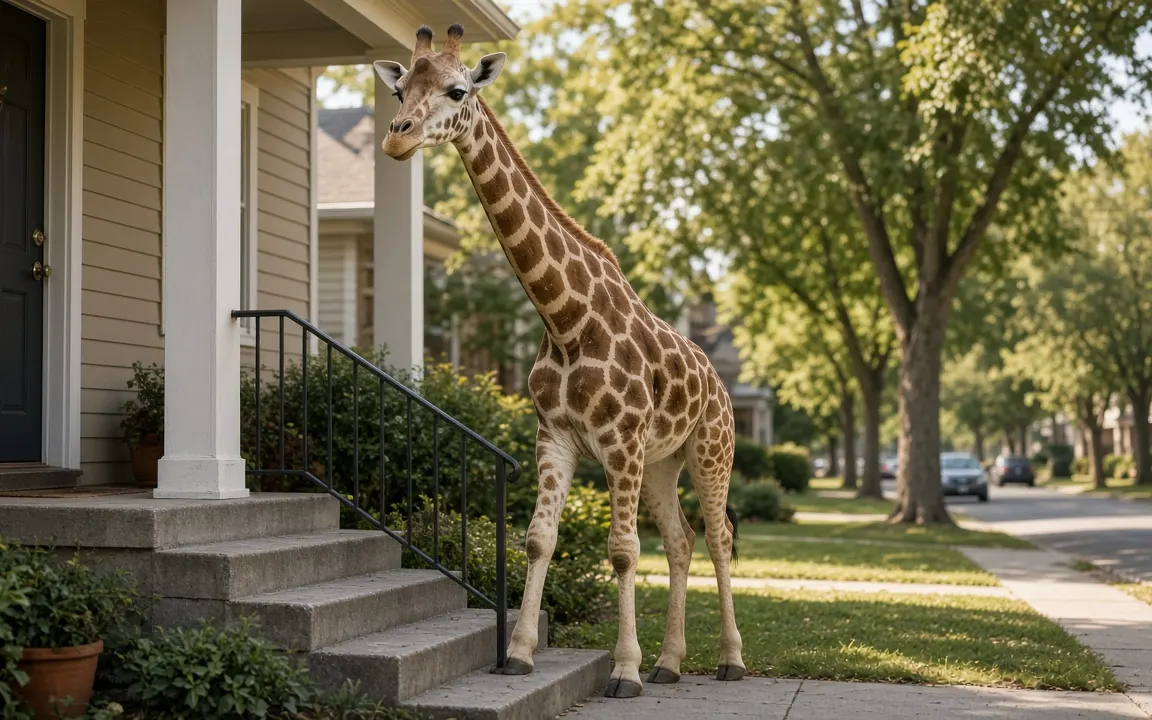
Yuma, Arizona
The local picture for institutions and keepers in Yuma
The Yuma valley is one of the country's major winter vegetable-growing regions, and the irrigated farmland around the city also supports cattle, sheep, goats and horses. When a large animal dies, the heat is the biggest concern for much of the year, since a body breaks down quickly. Describe the location and access plainly so a provider can move fast.
Burying a horse or cow near Yuma means digging in hard, dry ground, and any grave on irrigated farmland has to stay clear of canals and ditches, which carry water across much of the valley. For many owners, cremation or removal is the practical route. Ask any provider whether they cover your area, how quickly they can come in summer, and what the total cost will be.
In a place like Yuma, the resident animals at a nature center or rehab facility often feel like community property. School groups visit them, volunteers raise them and local papers cover their birthdays. When one dies, the response can be surprisingly public. It helps to decide in advance whether ashes will return for a memorial, where a small marker could go and how you'll tell volunteers before they read it online. Those decisions shape which aftercare route you choose.
Yuma's population is around 105,227, the 13th-largest of the 29 Arizona communities we cover.
For a second opinion on price, San Luis (12 miles), Coachella (124 miles) and Buckeye (126 miles) are close enough that their providers cover Yuma routinely. Two written quotes tell you more than any price list.
80.7%[1]
The NFDA projected Arizona's cremation rate at 80.7% for 2024.
$600-$1,000[2]
Cremating a 1,000-pound horse was reported to cost about $600-$1,000, depending on location and the price of propane.
3-5% of body weight[3]
Embrace notes cremated remains typically weigh about 3-5% of the pet's original body weight.
We built the this numbers from Embrace Pet Insurance and Extension Horses (eXtension national Cooperative Extension), and both are worth a look if you want the detail.
How Arizona thinks about cremation, and what that means for your animals
In Arizona, with roughly 80.7%[1] of human deaths ending in cremation, scattering ashes is a familiar ritual, and keepers often ask to scatter a portion of an animal's ashes somewhere it lived. Think twice before doing that in an occupied habitat or aviary: other animals may dig or eat it, and your vet may see it as a biosecurity question. A garden bed, a staff area or land outside the exhibit usually works better.
The Arizona percentage above is from NFDA 2024 Cremation & Burial Report state projections (via Occasional Sage) (2024) and refers to human funerals. Treat it as context for Yuma, not as a count of pets.
How the seasons in Yuma change aftercare logistics
The people doing the lifting in Yuma's summer need protecting too. Keepers moving a heavy animal in July heat are at risk of exhaustion, and flies and fluids raise the chance of zoonotic infection. Build rest breaks, water, gloves, eye protection and a disinfectant station into the summer version of your protocol. A two-person job in April may need four people in July.
Summer in Yuma brings heat-related deaths in the collection itself, particularly among birds, older animals and species from cooler climates. Those are exactly the cases a pathologist wants to see quickly. Keep a cooler clear during heat waves, move any necropsy submissions to the front of the day and schedule collections for early morning when roads and loading areas are cooler.

Reading an aftercare quote in Yuma
For routine cases, rehabbers and sanctuaries in Yuma usually pay pet-cremation prices, which rise with weight. Larger animals are a different market, and lab routes can be much cheaper per pound: one university diagnostic lab reported tissue digestion at about 25 cents a pound against about 75 cents for incineration [4]. Neither returns ashes unless you arrange it.
The full price table by size is on our Arizona page, and the services page explains what each option includes.

Free tool
Cremation cost calculator
Estimate a realistic price range for your pet's size, location and the type of cremation.
Disposal, disease and permit rules in Arizona
Cremation itself rarely needs a permit. What gets regulated is everything around it: how fast a dead animal must be disposed of, whether it can be buried and where, what happens during a disease outbreak and what records protected species need. Here's the general picture for Arizona; your state veterinarian or agriculture department has the final word.
Arizona keeps an official directory of local governments; use it to reach the county or city office that covers Yuma.
The rules that apply across Arizona (home burial, scattering and who oversees pet cremation) are summarized on our Arizona page. Yuma may add its own conditions, so check with the city or county before digging.
The first hours, in order
- Activate the written protocol and name one coordinator for the day.
- Confirm with the pathologist where and when the necropsy will happen, and how the remains will be released afterwards.
- Move the body out of public view by the agreed route, ideally before opening hours.
- Record each hand-off as it happens: enclosure, cooler, lab, crematory, each with a time and a signature.
- Brief the communications lead on what's safe to say immediately and what waits for results.
- Plan the staff gathering and let the keepers decide how they want the animal remembered.
- Review the case afterwards and update the protocol while it's fresh.
After the paperwork: remembering them
Many Yuma households keep horses on the desert edges of town and in the Foothills, where riding in the cool months is part of life. Losing a horse in summer heat is especially hard because decisions have to be made quickly. Talking to your vet ahead of time, especially about an older horse, makes it easier to act when the time comes.
the planning tools turn your pet's details into figures, For a plain comparison of the choices, open services, or compare your instinct with the poll results, look through our guides and the blog. If you live between Yuma and Gilbert, Glendale, Chandler and Mesa, either page applies. Every other community in Arizona, and all of the United States, is listed too.

Reader polls
What would you choose?
Vote anonymously and see how other readers answered. The results are live counts from people who visit this site, so they show real opinions, not a scientific sample.
How does your organization arrange aftercare today?
Tap an answer to vote and see how others answered. Anonymous.
How do you keep chain-of-custody records for remains?
Tap an answer to vote and see how others answered. Anonymous.
If you had to decide today, which aftercare would you choose for your pet?
Tap an answer to vote and see how others answered. Anonymous.

Free tools to help you plan
Cremation cost calculator
Estimate a realistic price range for your pet's size, location and the type of cremation.

Livestock mortality planner
Plan disposal capacity and costs for farm losses, from one animal to a herd.

Ashes weight estimator
See roughly how much ash to expect back, by species and body weight.
Questions people ask
Does the Yuma climate change what I should do first?
Only the timing. In July, with highs near 107°F, cool the body and book collection the same day. Winters here are mild enough that burial or scattering is possible in any month.
Which nearby towns can I compare with Yuma?
The closest communities we cover are San Luis (about 12 miles), Coachella (about 124 miles) and Buckeye (about 126 miles). Providers based in those places often serve Yuma too. Ask each one for a written total that includes collection, so the distance is priced in.
Is cremation common in Arizona?
For people, yes: about 80.7%[1] of Arizona deaths end in cremation, according to NFDA 2024 Cremation & Burial Report state projections (via Occasional Sage) (2024). Nobody publishes the same figure for pets, but in our experience pet choices in Yuma follow the human pattern closely, so cremation is the default most families here start from.
Will a renderer take our euthanized animal?
Often not. Many rendering plants refuse animals euthanized with barbiturates because drug residues can pass into rendered products, and only about 50%[6] of US states have a rendering plant at all. If euthanasia is planned, confirm the disposal route before the day.
What should a rehabber near Yuma do when a bat or raccoon dies in care?
Treat it as a possible rabies case until a vet or the health department says otherwise. Don't handle it bare-handed, keep the head intact, refrigerate it rather than freezing and call the local health department to ask whether testing is needed, especially if anyone was bitten or scratched. Only book cremation once they've released the body.
What happens to a zoo animal that dies with a reportable disease?
The state or national animal health authority takes the lead. They'll specify testing, handling and an approved disposal route, which may be incineration, digestion or another method. A crematory can't make that decision for you. Keep the body isolated and chilled and call your vet and the authority before moving it.


Sources and our estimates
- [1] The NFDA projected Arizona's cremation rate at 80.7% for 2024. NFDA 2024 Cremation & Burial Report state projections (via Occasional Sage), 2024.
- [2] Cremating a 1,000-pound horse was reported to cost about $600-$1,000, depending on location and the price of propane. Extension Horses (eXtension national Cooperative Extension) - Horse Disposal Options, 2019, 2019.
- [3] Embrace notes cremated remains typically weigh about 3-5% of the pet's original body weight. Embrace Pet Insurance - Bury or Cremate Your Dog? Costs, Pros & Cons, 2025.
- [4] A biodigester at the Wisconsin Veterinary Diagnostic Laboratory cost $900,000 and processes carcasses for about 25 cents per pound, versus about 75 cents per pound for incinerators. Extension Horses (eXtension national Cooperative Extension) - Horse Disposal Options, 2019, 2019.
- [5] A 1,100 lb horse uses about 73% of a 1,500 lb animal incinerator load, so large-animal units generally cremate one horse at a time. Our estimate: 1,100 / 1,500 x 100. How we calculate.
- [6] Only about 50% of U.S. states have rendering plants, most of them concentrated in the Midwest. Extension Horses (eXtension national Cooperative Extension) - Horse Disposal Options, 2019, 2019.
Plan aftercare for an animal in your care
Tell us what you need and where you are. We'll reply by email with clear options and prices so you can decide in your own time.