Zoo animal and wildlife aftercare in Buckeye, Arizona
Most aftercare providers in Buckeye are set up for dogs and cats. We help zoo vets, curators, rehabbers and private keepers find the ones that can handle their species, size and paperwork.
- Options for rehabbers, sanctuaries and private keepers
- Biosecurity rules flagged before transport
- Per-job quotes you can put in front of finance
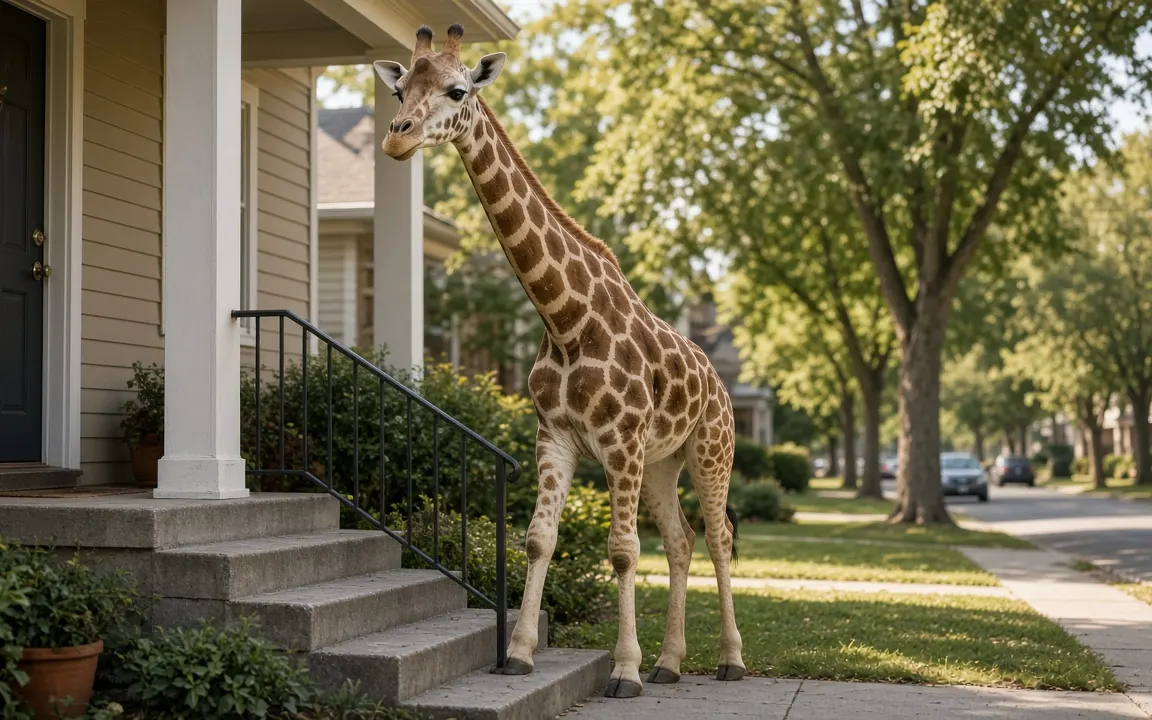
Buckeye, Arizona
Zoo, rehab and sanctuary aftercare options near Buckeye
Desert heat makes large-animal aftercare urgent. A horse, cow or goat that dies on a summer afternoon needs shade and quick collection, and the hard, caliche-rich soil makes burial very difficult without heavy equipment. If an animal dies outdoors, cover it with a tarp, keep other animals away and call early in the morning, before the worst of the heat.
For a family horse, a 4-H animal or a much-loved goat, individual cremation with ashes returned is possible with some providers, though fewer handle animals that size and costs rise with weight and distance. Buckeye's rural areas can be far from providers, so ask about travel fees. Commercial dairy and feedlot animals usually go to rendering or a licensed hauler. Get a written total.
Licensed exhibitors, petting farms and small educational collections around Buckeye often have mixed animals and no in-house vet. Losses tend to be handled by whichever vet the owner uses for the farm animals, who may not know exotic species well. It's worth arranging, before a death, which vet will confirm it, who decides on a necropsy and where a reptile, a wallaby or a large bird can go afterwards. Those three answers cover most emergencies.
Buckeye is home to about 125,445 people, the 11th-largest of the 29 Arizona communities we cover. Some of the providers who serve Buckeye are based about 25 miles away in Peoria, the nearest larger centre, so collection times reflect that drive.
For a second opinion on price, Avondale (20 miles), Goodyear (20 miles) and Surprise (21 miles) are close enough that their providers cover Buckeye routinely. Two written quotes tell you more than any price list.
80.7%[1]
The NFDA projected Arizona's cremation rate at 80.7% for 2024.
$600-$1,000[2]
Cremating a 1,000-pound horse was reported to cost about $600-$1,000, depending on location and the price of propane.
3-5% of body weight[3]
Embrace notes cremated remains typically weigh about 3-5% of the pet's original body weight.
The published sources behind those figures are Extension Horses (eXtension national Cooperative Extension) and Embrace Pet Insurance.
How Arizona thinks about cremation, and what that means for your animals
With roughly 80.7%[1] of people in Arizona cremated, keepers and volunteers here rarely need convincing that cremation is a respectful choice. The questions they ask are practical: who has a chamber big enough, how the animal will be identified from enclosure to certificate and whether a portion of ashes can be kept for a planting or plaque. Those are the questions to put to every provider you consider.
The Arizona percentage above is from NFDA 2024 Cremation & Burial Report state projections (via Occasional Sage) (2024) and refers to human funerals. Treat it as context for Buckeye, not as a count of pets.
When the weather in Buckeye sets the clock
If a planned euthanasia is coming for an elderly animal in Buckeye, the calendar is worth a look. In May, June, July, August, September and October, booking the appointment for early morning gives the team cooler air for the lift, lets the pathologist start the same day and gets the body into cold storage before the afternoon heat. Confirm the provider's pickup time the day before, so nobody is waiting beside a body in the sun.
Big bodies hold heat. A 900 lb animal that dies on a 105°F afternoon stays warm inside for many hours even in the shade, so hosing or covering it with ice buys less time than people expect. In Buckeye's hottest months, the realistic plan is fast transport to cold storage or directly to the lab. Agree with your pathologist in advance how long they'll accept a delay in summer.

Reading an aftercare quote in Buckeye
Chamber size quietly shapes the bill. Large animal units are commonly built for about a 1,500 lb load[4], and by our estimate a 1,100 lb animal uses about 73% of that [5], so it's cremated alone. Anything heavier may need sectioning and several loads, each adding time and labor. Ask providers in Buckeye to quote the whole job, not a price per load.
Prices for Buckeye track the wider Arizona market, so use the Arizona price table as your baseline and the services page to see what is included.

Free tool
Cremation cost calculator
Estimate a realistic price range for your pet's size, location and the type of cremation.
Permits, disease reporting and disposal law in Arizona
Cremation itself rarely needs a permit. What gets regulated is everything around it: how fast a dead animal must be disposed of, whether it can be buried and where, what happens during a disease outbreak and what records protected species need. Here's the general picture for Arizona; your state veterinarian or agriculture department has the final word.
To find your county or city office in Arizona, start with the official Arizona local government directory.
The rules that apply across Arizona (home burial, scattering and who oversees pet cremation) are summarized on our Arizona page. Buckeye may add its own conditions, so check with the city or county before digging.
When an animal in your care dies: step by step
- Stop all animal movements in and out of the affected area as soon as you see several deaths.
- Call your vet and describe the pattern: species, numbers, timing and any signs before death.
- Isolate and chill the bodies separately, each bagged and labeled, with a note of where it was found.
- Let the vet choose which animals go for necropsy; a handful of representative cases is usually all that's needed.
- Report to the animal health authority whenever the vet thinks something notifiable is possible.
- Use the approved disposal route on the remaining animals, and record each one on its own even when they're cremated as a group.
Remembering animals the keepers and public loved
Buckeye still has a strong farming and ranching character, with irrigated fields, dairies and horse properties along the Gila River and throughout the rural parts of the city. Many families keep horses, goats, sheep or backyard livestock on acreage. When a large animal dies, the first practical questions are gate width, whether a truck can reach the animal over dirt roads, and how far the provider needs to travel.
For a plain comparison of the choices, open services, read our guides and latest articles, try the free planning tools, or look at how readers voted in our polls. If you live between Buckeye and Gilbert, Chandler, Glendale and Mesa, either page applies. Every other community in Arizona, and all of the United States, is listed too.

Reader polls
What would you choose?
Vote anonymously and see how other readers answered. The results are live counts from people who visit this site, so they show real opinions, not a scientific sample.
After a death in your collection, how often is there a necropsy before aftercare?
Tap an answer to vote and see how others answered. Anonymous.
How do you keep chain-of-custody records for remains?
Tap an answer to vote and see how others answered. Anonymous.
If you had to decide today, which aftercare would you choose for your pet?
Tap an answer to vote and see how others answered. Anonymous.

Free tools to help you plan
Cremation cost calculator
Estimate a realistic price range for your pet's size, location and the type of cremation.

Livestock mortality planner
Plan disposal capacity and costs for farm losses, from one animal to a herd.

Ashes weight estimator
See roughly how much ash to expect back, by species and body weight.
Questions people ask
Where are the providers that serve Buckeye actually based?
Some are local, and some run from Peoria, about 25 miles away. That is normal for a city this size. What matters is the collection time they quote for Buckeye and whether the drive is priced into the total, so ask both up front.
Does the Buckeye climate change what I should do first?
Only the timing. In July, with highs near 105°F, cool the body and book collection the same day. Winters here are mild enough that burial or scattering is possible in any month.
Can a provider from a neighbouring town collect from Buckeye?
Usually yes. Avondale is about 20 miles away, Goodyear is about 20 miles away and Surprise is about 21 miles away, all inside a normal collection radius. Get the mileage written into the quote so there is no surprise on the day.
How do Arizona attitudes to cremation compare?
NFDA 2024 Cremation & Burial Report state projections (via Occasional Sage) (2024) puts the Arizona human cremation rate at about 80.7%[1]. We show it on the Buckeye page because pet aftercare choices tend to track it: where cremation is normal for people, communal and private pet cremation are both easy to find.
What paperwork should a provider give us?
At minimum, a record of every hand-off with signatures, confirmation that the cremation was individual (if you paid for that), the date and chamber used and a certificate that uses your animal ID. One directory counts only 2 states[7] in the US that mandated written documentation as of 2026 for pet cremation, so ask for a sample packet before you sign.
Who decides what happens to an animal on loan from another institution?
Usually the owner, not the holder. Breeding loans and transfer agreements normally say who receives the necropsy report and who chooses the disposal route, and some owners want tissues, the skeleton or the whole body back. Check the agreement, call the owning institution before booking anything and keep the body cold while you wait for its answer.


Sources and our estimates
- [1] The NFDA projected Arizona's cremation rate at 80.7% for 2024. NFDA 2024 Cremation & Burial Report state projections (via Occasional Sage), 2024.
- [2] Cremating a 1,000-pound horse was reported to cost about $600-$1,000, depending on location and the price of propane. Extension Horses (eXtension national Cooperative Extension) - Horse Disposal Options, 2019, 2019.
- [3] Embrace notes cremated remains typically weigh about 3-5% of the pet's original body weight. Embrace Pet Insurance - Bury or Cremate Your Dog? Costs, Pros & Cons, 2025.
- [4] An animal incinerator sized for agricultural and animal-control use holds up to 1,500 lb per load with a maximum burn rate of 250 lb per hour (manufacturer specification). B&L Cremation Systems (manufacturer) - BLI-1500 Animal Incinerator specifications.
- [5] A 1,100 lb horse uses about 73% of a 1,500 lb animal incinerator load, so large-animal units generally cremate one horse at a time. Our estimate: 1,100 / 1,500 x 100. How we calculate.
- [6] Midpoint horse cremation cost works out to about $0.80 per pound of body weight, versus about $0.14 per pound for rendering pickup and $0.23 per pound for on-farm composting. Our estimate: cremation $800 / 1,000 lb; rendering $137.50 / 1,000 lb; composting $275 / 1,200 lb. How we calculate.
- [7] As of April 2026 only Illinois and Arizona mandated written documentation to consumers for pet cremation. FindPetCremations - Pet Cremation Laws & Regulations by State (2026), 2026.
Tell us the species, weight and location
Tell us what you need and where you are. We'll reply by email with clear options and prices so you can decide in your own time.