Zoo & Wildlife Cremation in South Holland
Good aftercare for zoo and wildlife animals in South Holland is planned before it's needed. Start with what's realistic locally, then send us the species and weight for written options.
- Options for rehabbers, sanctuaries and private keepers
- Biosecurity rules flagged before transport
- Per-job quotes you can put in front of finance
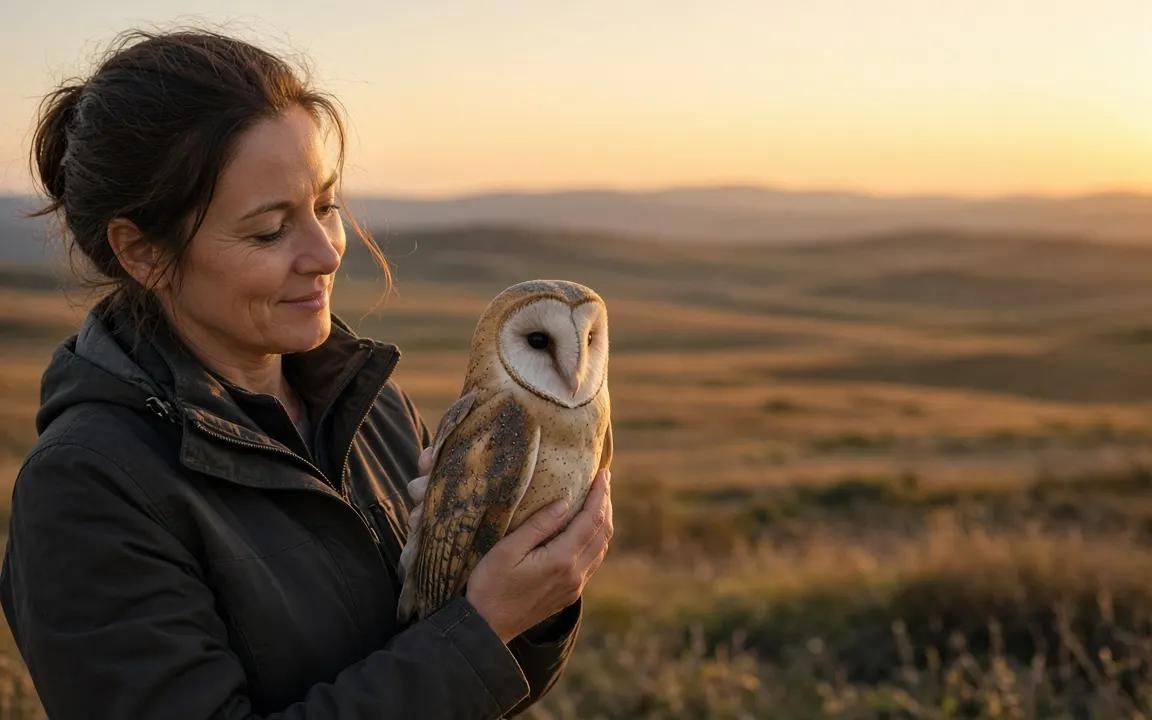
South Holland, the Netherlands
Zoo & Wildlife Cremation in South Holland: what to know
Cold is a planning issue across much of South Holland: of the communities we cover here average freezing lows for three months or more. That means frozen ground for sanctuaries that bury, harder access for heavy vehicles and a real risk of bodies freezing before a necropsy. The city pages set out local months and temperatures.
Whether you're in one of the larger centers like Rotterdam and The Hague or a rural county, the questions to ask any provider in South Holland are the same: what's your weight limit, can you take the animal intact, how is it identified from pickup to certificate, what's the total in writing and who answers the phone after hours?
We cover 2 communities in South Holland, from Rotterdam and The Hague.

Every South Holland community we cover
Choose your city or town for local prices, weather and timing, and rules. 2 communities in South Holland, largest first below.
What local funeral customs in South Holland mean for animal aftercare
With about 68.37%[1] of people in South Holland cremated, opinions on a sanctuary's board or among its supporters can split both ways. Some want residents buried on the land they lived on; others would rather cremate so the remains aren't left behind if the sanctuary ever moves. Settle it in a written policy before the next death, including exceptions for disease cases, so the choice isn't argued over while people are grieving.
We take the South Holland percentage from Cremation Society of Great Britain, International Cremation Statistics 2023 (2023). It refers to people; attitudes to cremating a pet tend to follow it.
Budgeting aftercare for large and exotic animals in South Holland
The gap between collective and individual cremation is steep for mid-size animals. In France, a 20 kg animal is listed at €70 to €120 collective against €150 to €250 individual [2]. Rehab centers and wildlife hospitals in the Netherlands can keep costs down by using collective cremation for routine cases and paying for individual cremation only where ashes are wanted.
In several European countries, collection of larger dead animals by the approved rendering service is partly publicly funded or charged at a set fee, while private cremation is priced freely. Ask your national veterinary authority what the approved route costs for your species before comparing it with a private crematorium's quote. Prices vary by country and region.
| Country | Collective | Individual |
|---|---|---|
| Germany (all sizes) | €85 to €205 | €165 to €375 |
| France (50 kg) | €130 to €180 | €300 to €400 |
| Norway (51 to 90 kg) | NOK 1,895 | NOK 4,990 |
| Hoofstock, very large animals | Approved collectors | Quoted per job |

Free tool
Cremation cost calculator
Estimate a realistic price range for your pet's size, location and the type of cremation.
What South Holland regulates, and who to call
Cremation itself rarely needs a permit. What gets regulated is everything around it: how fast a dead animal must be disposed of, whether it can be buried and where, what happens during a disease outbreak and what records protected species need. Here's the general picture for South Holland; your state veterinarian or agriculture department has the final word.
In the Netherlands, larger dead animals are usually collected by the national rendering service under animal by-products rules, and pet crematoria handle smaller species. Individual cremation returns the ashes; collective doesn't. Ask your provider in writing which one you're booking and what certificate you'll receive for your records.
When an animal in your care dies: step by step
- Tell the staff and volunteers first, in person or by phone, before any public post.
- Decide what to say to school groups and regular visitors, especially children who met the animal.
- Choose individual cremation if the center wants ashes for a memorial, and note it on any lab form.
- Keep a few mementos, such as a shed feather, a molted skin or a favorite enrichment toy, if the vet agrees.
- Update the education program to make sure the next group isn't expecting to meet an animal that has died.
- Plan a small memorial for when the ashes come back, with the people who worked with the animal most.
Keeping an animal's story alive
For an animal the public knew by name, a well-written sign at the habitat or a planting with a small marker often means more to visitors than a formal event. Consider an education display about the animal's life: what it taught people and what the necropsy may teach the species. Our guide to on-grounds memorial markers covers materials and wording.
Next: see what each choice includes on services, run your own numbers in the tools, check the poll results, or pick another area from all locations.

Reader polls
What would you choose?
Vote anonymously and see how other readers answered. The results are live counts from people who visit this site, so they show real opinions, not a scientific sample.
How should a zoo mark the death of an animal visitors loved?
Tap an answer to vote and see how others answered. Anonymous.
After a death in your collection, how often is there a necropsy before aftercare?
Tap an answer to vote and see how others answered. Anonymous.
If you had to decide today, which aftercare would you choose for your pet?
Tap an answer to vote and see how others answered. Anonymous.

Free tools to help you plan
Cremation cost calculator
Estimate a realistic price range for your pet's size, location and the type of cremation.

Livestock mortality planner
Plan disposal capacity and costs for farm losses, from one animal to a herd.

Ashes weight estimator
See roughly how much ash to expect back, by species and body weight.
Questions people ask
How much does zoo and wildlife cremation cost in South Holland?
Small animals are priced like household pets, rising with weight. Larger animals are quoted per job based on weight, access, distance and after-hours work. Lab routes such as tissue digestion can cost less per pound but don't return ashes unless arranged. Ask every provider for an itemized written total.
Can we get ashes back after a lab necropsy in South Holland?
Yes, if you arrange it before the necropsy. Many labs dispose of remains themselves by incineration or digestion unless the submission form says the remains should be released to a crematory. Put the request in writing and confirm who collects from the lab.
How are zoo hoofstock handled in South Holland?
Zoo ruminants and other hoofstock are usually treated like farm animals under animal by-products rules, which means approved collectors, incinerators or renderers. Smaller zoo species can go to pet crematoria. Check with the national animal health authority if a species doesn't fit neatly.
Is there a large-animal crematory in South Holland?
Often there's at least one equine-size provider, but not always close to you, and very few chambers anywhere can take an intact animal much over 1,500 lb. Send us the species and weight and we'll tell you what's realistically within reach, including labs and alternatives.
What's the largest animal a crematory in South Holland can take?
Large-animal incinerators are commonly rated for up to about a 1,500 lb load[4] (one manufacturer's rating). Heavier animals are usually divided and run through more than one load, or go to a lab or a legal burial instead. Ask each provider for its real limit for an intact animal.
Is cremation common in South Holland?
For people, about 68.37%[1] of deaths in South Holland end in cremation, which is a fair signal of how many crematories exist for small animals. It says little about large-animal capacity, so always ask a provider about weight limits directly.

Sources and our estimates
- [1] In 2023, 68.37% of deaths in the Netherlands were cremated (108 crematoria). Cremation Society of Great Britain, International Cremation Statistics 2023, 2023.
- [2] SantéVet lists French dog cremation at EUR 70-120 collective vs EUR 150-250 individual for a 20 kg dog, and EUR 130-180 vs EUR 300-400 for a 50 kg dog. SantéVet - Quel est le prix pour incinérer un chien? (updated Mar 2026), 2026.
- [3] A 1,100 lb horse would be expected to return roughly 38.5 lb of cremated remains (plausible range 33-55 lb). Our estimate: 1,100 lb x 3.5% (range 3%-5%). How we calculate.
- [4] An animal incinerator sized for agricultural and animal-control use holds up to 1,500 lb per load with a maximum burn rate of 250 lb per hour (manufacturer specification). B&L Cremation Systems (manufacturer) - BLI-1500 Animal Incinerator specifications.
Plan aftercare for an animal in your care
Tell us what you need and where you are. We'll reply by email with clear options and prices so you can decide in your own time.