When an animal in your care dies in Venice: zoo and wildlife aftercare
A 2 lb raptor and a 1,500 lb bison need very different routes. This page covers necropsy access, capacity, disease rules and records for animals in and around Venice.
- Necropsy and cold storage handled in the right order
- Capacity checked against your animal's weight
- Written custody terms before anything moves
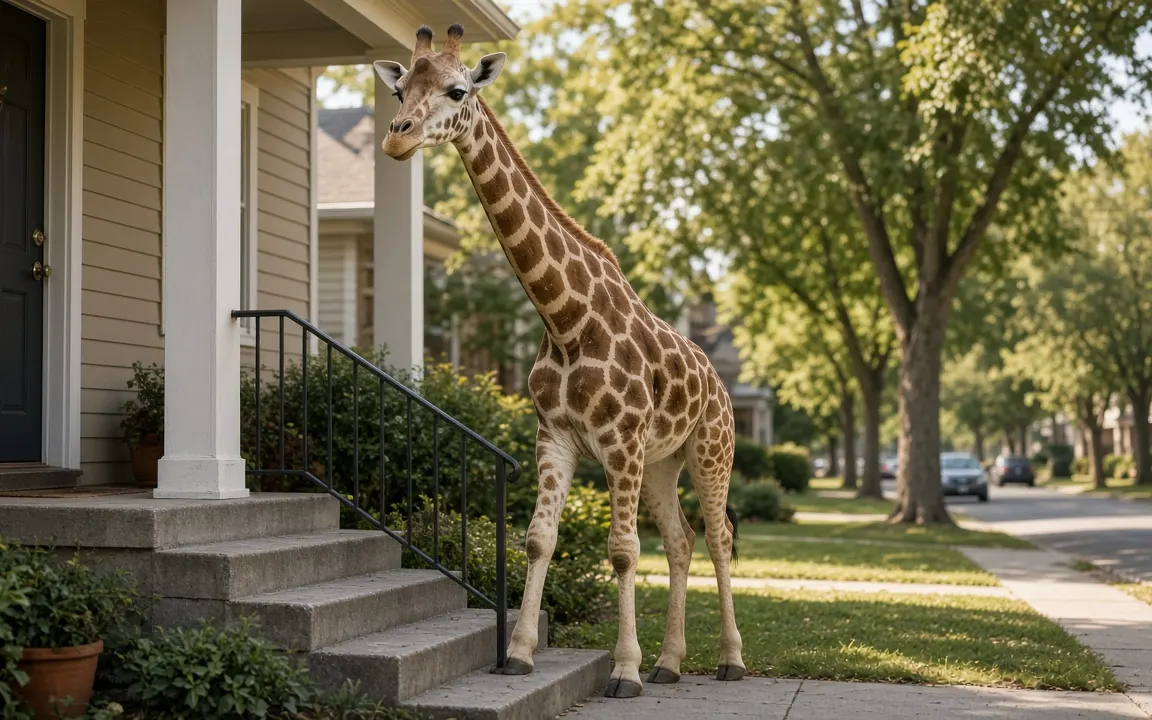
Venice, Veneto
Arranging aftercare for exotic and wild animals in Venice
Italy handles farm livestock through regulated disposal channels, but a family horse, pony, donkey or pet goat on the Venetian mainland can often be cremated singly by a provider set up for large animals, with the ashes returned. Veneto summers are hot and humid, so arrangements cannot wait long. Say at the outset whether the animal was a companion or production stock, since the paperwork differs.
Large animals are almost absent from the islands, but the mainland part of the comune and the wider Veneto plain have dairy farms, riding centers and smallholdings toward Treviso, Padua and the Brenta. If a horse, donkey or farm animal dies there, describe the farm track, gate and ground, since low fields near the lagoon edge can stay waterlogged after autumn rain.
Nature centers, college biology programs and educational animal collections in and around Venice tend to have small, long-lived animals: owls, hawks, snakes, turtles, a fox or two. They're often known to local schoolchildren by name. Aftercare is usually simple in scale but careful in records, especially for animals held under a wildlife or education permit. Keep the permit number, the animal's ID and the disposition in one file, and ask the provider for a certificate that uses the same ID.
Venice is home to about 261,000 people, the largest of the 3 Veneto communities we cover.
If you want to compare providers, look at Padua (21 miles), Verona (64 miles) and Trieste (72 miles). Distance matters because pickup fees and the time until the ashes come back both grow with the drive.
38.16%[1]
In 2023, 38.16% of deaths in Italy were cremated (91 crematoria).
$600-$1,000[2]
Cremating a 1,000-pound horse was reported to cost about $600-$1,000, depending on location and the price of propane.
3-5% of body weight[3]
Embrace notes cremated remains typically weigh about 3-5% of the pet's original body weight.
We built the this numbers from Extension Horses (eXtension national Cooperative Extension) and Embrace Pet Insurance, and both are worth a look if you want the detail.
Local attitudes to cremation and memorials
In Italy, about 38.16%[1] of people are cremated, lower than in much of the country. That shouldn't steer your decision for an animal in your care, but it can affect logistics: fewer providers, more mileage and sometimes longer waits for ashes. Rehabilitators with steady volumes often do well by agreeing a regular pickup schedule with one provider rather than calling around each time.
Cremation Society of Great Britain, International Cremation Statistics 2023 (2023) is where the Italy figure comes from. It counts people; we use it because attitudes to cremating a pet in Venice tend to follow attitudes to cremation generally.
Planning around Venice's climate
Local weather affects three things for zoo and wildlife aftercare: how fast a body needs cold storage, whether heavy equipment can reach it and whether burial is possible. Providers around Venice know the seasons well, so ask them what they'd plan for at this time of year.

Price benchmarks for a quote in Venice
Across Europe, published pet cremation prices give a benchmark for small and mid-size collection animals: a German guide lists individual cremation at €165 to €375 [4]. Zoo hoofstock and very large animals are usually handled under animal by-products rules through approved collectors, and quoted per job.
Prices for Venice track the wider Veneto market, so use the Veneto price table as your baseline and the services page to see what is included.

Free tool
Cremation cost calculator
Estimate a realistic price range for your pet's size, location and the type of cremation.
Rules in Veneto that can decide the route for you
Rules for burying a large animal are usually stricter than for a household pet: deeper cover, bigger setbacks from wells and water and tighter deadlines. Animals euthanized with barbiturates carry extra conditions because of the risk to scavenging wildlife. Here's what Veneto generally allows.
In Italy, larger dead animals are generally handled under animal by-products rules through approved collectors, while pet crematoria offer individual or collective cremation for smaller species. Regional veterinary services (ASL) can advise on zoo species. Confirm in writing whether an individual cremation returns ashes and what certificate you'll receive.
What to do, in order, after a loss in your care
- Tell the owning institution straight away whenever the animal was held on loan or under a breeding agreement. In most cases, they decide what becomes of the remains.
- Get the receiving vet's findings in writing if the animal died in transit or at an outside hospital.
- Check the permits that covered the move; some need a death notice to the issuing agency.
- Keep the body cold in place until the owner has confirmed what they want for necropsy and disposal.
- Arrange transport to whichever lab or provider the owner picks, with a separate custody form for every leg.
- Send copies of both the necropsy report and the certificate to each party named in the agreement.
Memorials, keepsakes and staff grief
Providers able to cremate a horse are few, so owners in the Venice area often compare options across the Veneto and as far as Emilia-Romagna. If you keep an older horse at a riding center near Mestre or Treviso, ask the stable manager what previous owners have done, then collect written quotes that include transport and return of ashes. Doing this in a calm month saves a scramble later.
run the numbers with the free planning tools, the guides answer the longer questions and the blog the newer ones, The services page is the place to compare what is included, or see what other families chose in the poll results. Close to Venice we also cover Padua and Verona; the full list for Veneto and for Italy is a click away.

Reader polls
What would you choose?
Vote anonymously and see how other readers answered. The results are live counts from people who visit this site, so they show real opinions, not a scientific sample.
How should a zoo mark the death of an animal visitors loved?
Tap an answer to vote and see how others answered. Anonymous.
For your largest animals, what's the hardest part of aftercare?
Tap an answer to vote and see how others answered. Anonymous.
If you had to decide today, which aftercare would you choose for your pet?
Tap an answer to vote and see how others answered. Anonymous.

Free tools to help you plan
Cremation cost calculator
Estimate a realistic price range for your pet's size, location and the type of cremation.

Livestock mortality planner
Plan disposal capacity and costs for farm losses, from one animal to a herd.

Ashes weight estimator
See roughly how much ash to expect back, by species and body weight.
Questions people ask
Can a provider from a neighbouring town collect from Venice?
Usually yes. Padua is about 21 miles away, Verona is about 64 miles away and Trieste is about 72 miles away, all inside a normal collection radius. Get the mileage written into the quote so there is no surprise on the day.
Why does the Venice page quote a human cremation rate?
Because it is the best local signal we have. Cremation Society of Great Britain, International Cremation Statistics 2023 (2023) reports about 38.16%[1] of Italy residents are cremated. There is no official pet equivalent, and inventing one would be worse than quoting a real, clearly labelled number.
How much ash comes back from a large zoo animal?
Cremated remains typically weigh about 3-5% of body weight[3], mostly bone. A 400 lb big cat would return roughly 12 to 20 lb, and a 1,100 lb animal around 33 to 55 lb, far more than a standard urn holds. Many teams keep a portion for a memorial and scatter or bury the rest.
Where can a wildlife rehabilitator in Venice send animals that die in care?
Most rehabbers use a local vet's regular crematory pickup for routine cases, often communal cremation. Suspected avian influenza, rabies-vector species and protected animals may need testing or approved disposal first, so check with your state wildlife agency. For long-term education animals, ask for individual cremation and a certificate matching your records.
Is there a diagnostic lab that serves Venice?
Most regions are served by a state, university or veterinary-school diagnostic lab, though it may be some distance from Venice. Ask which one covers your area, whether they take intact carcasses or only samples, how submissions should be packed and chilled and whether they'll release remains to a crematory afterwards.
Can we be present for the cremation?
Some providers allow keepers or staff to attend the start of a cremation, and for a long-term resident it can mean a lot. It usually needs booking ahead and may cost more. Large-animal providers near Venice vary widely in what they allow, so ask on the first call rather than assuming.


Sources and our estimates
- [1] In 2023, 38.16% of deaths in Italy were cremated (91 crematoria). Cremation Society of Great Britain, International Cremation Statistics 2023, 2023.
- [2] Cremating a 1,000-pound horse was reported to cost about $600-$1,000, depending on location and the price of propane. Extension Horses (eXtension national Cooperative Extension) - Horse Disposal Options, 2019, 2019.
- [3] Embrace notes cremated remains typically weigh about 3-5% of the pet's original body weight. Embrace Pet Insurance - Bury or Cremate Your Dog? Costs, Pros & Cons, 2025.
- [4] A German consumer guide lists collective pet cremation at EUR 85-205 and individual cremation at EUR 165-375. deine-tierwelt.de - Tierbestattung: Diese Moeglichkeiten gibt es und das kosten sie (Nov 2023), 2023.
- [5] A 1,100 lb horse would be expected to return roughly 38.5 lb of cremated remains (plausible range 33-55 lb). Our estimate: 1,100 lb x 3.5% (range 3%-5%). How we calculate.
Tell us the species, weight and location
Tell us what you need and where you are. We'll reply by email with clear options and prices so you can decide in your own time.