Zoo & Wildlife Cremation in Veneto
A 2 lb raptor and a 1,500 lb bison need very different routes. This page covers necropsy access, capacity, disease rules and records for animals in and around Veneto.
- Standing arrangements with weight-band pricing
- Heavy-lift and transport planned in advance
- Ashes returned when your team wants them
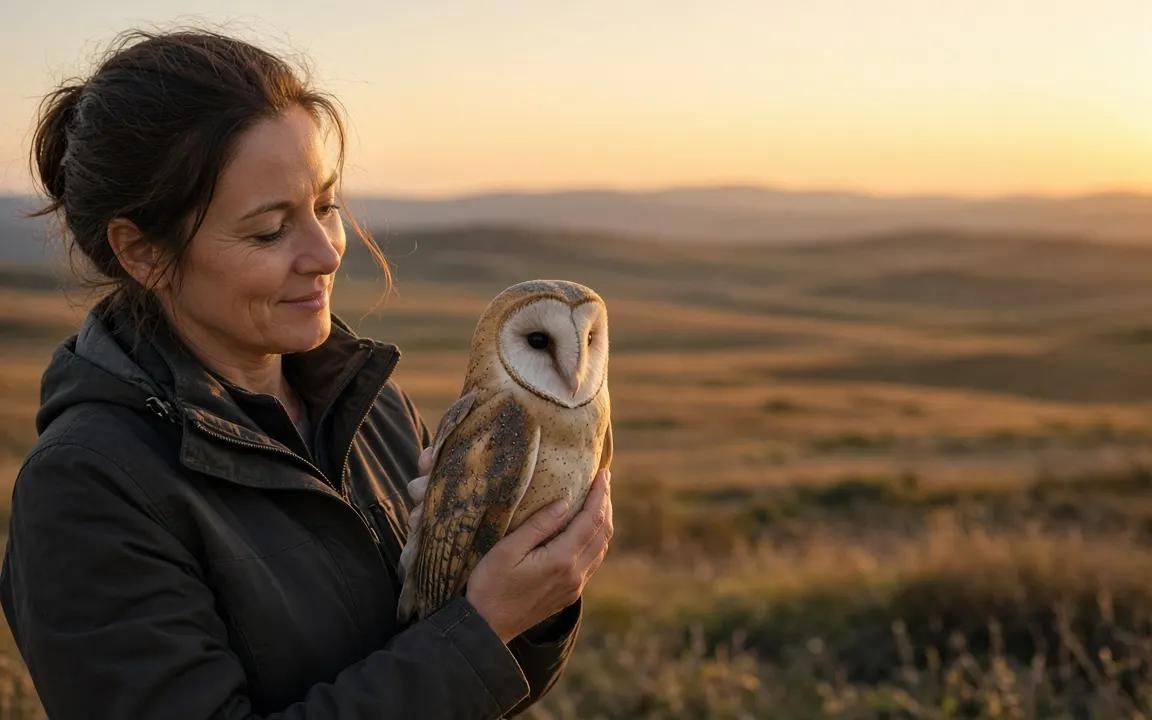
Veneto, Italy
Zoo & Wildlife Cremation in Veneto: what to know
Accredited zoos and aquariums in Veneto work to published standards. About 800,000 animals[1] live in AZA-accredited zoos and aquariums, which are expected to necropsy deceased animals and keep them in dedicated cold storage. Non-accredited collections, rehabbers and sanctuaries aren't bound by those standards, but following the same order of events, pathology, cold storage, then aftercare, protects them just as well.
Cold is a planning issue across much of Veneto: of the communities we cover here average freezing lows for three months or more. That means frozen ground for sanctuaries that bury, harder access for heavy vehicles and a real risk of bodies freezing before a necropsy. The city pages set out local months and temperatures.
We cover 3 communities in Veneto, from Venice, Verona and Padua.

Every Veneto community we cover
Choose your city or town for local prices, weather and timing, and rules. 3 communities in Veneto, largest first below.
Burial and cremation habits in Veneto
In Veneto, cremation covers only 38.16%[2] of human deaths, and farm traditions around dead stock run deep. That can make renderers and livestock collectors easier to find than large-animal crematories. They're useful for routine farm species, but remember that many renderers won't take an animal euthanized with barbiturates, and they won't return ashes. Keep them for cases where no one needs remains back.
We take the Veneto percentage from Cremation Society of Great Britain, International Cremation Statistics 2023 (2023). It refers to people; attitudes to cremating a pet tend to follow it.
Budgeting aftercare for large and exotic animals in Veneto
Across Europe, published pet cremation prices give a benchmark for small and mid-size collection animals: a German guide lists individual cremation at €165 to €375 [3]. Zoo hoofstock and very large animals are usually handled under animal by-products rules through approved collectors, and quoted per job.
Prices in Italy follow the same logic as elsewhere: weight, individual or collective cremation, and collection. In France, individual cremation of a 50 kg animal is listed at €300 to €400 [4], a reasonable guide for a mid-size zoo mammal. Ask for a written quote in local currency.
| Country | Collective | Individual |
|---|---|---|
| Germany (all sizes) | €85 to €205 | €165 to €375 |
| France (50 kg) | €130 to €180 | €300 to €400 |
| Norway (51 to 90 kg) | NOK 1,895 | NOK 4,990 |
| Hoofstock, very large animals | Approved collectors | Quoted per job |

Free tool
Cremation cost calculator
Estimate a realistic price range for your pet's size, location and the type of cremation.
Permits, disease reporting and disposal law in Veneto
Before any remains leave your site, three questions need answers: is a necropsy or disease test required, can the remains legally travel where you want to send them, and does any permit set conditions on disposal? The general rules for Veneto are below; disease events and protected species can override them.
In Italy, larger dead animals are generally handled under animal by-products rules through approved collectors, while pet crematoria offer individual or collective cremation for smaller species. Regional veterinary services (ASL) can advise on zoo species. Confirm in writing whether an individual cremation returns ashes and what certificate you'll receive.
A checklist for the next few hours
- Activate the written protocol and put one person in charge of coordinating the day.
- Confirm with the pathologist where and when the necropsy will happen, and how the remains will be released afterwards.
- Move the body out of public view along the pre-agreed route, before the gates open if at all possible.
- Record each hand-off from enclosure to cooler to lab to crematory, with times and signatures.
- Brief the communications lead on what's safe to say immediately and what waits for results.
- Plan the staff gathering and let the keepers decide how they want the animal remembered.
- Review the case afterwards and update the protocol while it's fresh.
Keeping an animal's story alive
Private keepers of exotic animals sometimes feel their grief isn't taken seriously. It is here. A parrot that lived for decades or a tortoise older than your children leaves a real gap. An engraved urn, a feather or scale kept in a frame or a planting in the garden are all good ways to keep them close.
Compare every option on our services page, try the free planning tools or see how other readers answered in our polls. You can also go back to all locations.

Reader polls
What would you choose?
Vote anonymously and see how other readers answered. The results are live counts from people who visit this site, so they show real opinions, not a scientific sample.
For your largest animals, what's the hardest part of aftercare?
Tap an answer to vote and see how others answered. Anonymous.
How does your organization arrange aftercare today?
Tap an answer to vote and see how others answered. Anonymous.
If you had to decide today, which aftercare would you choose for your pet?
Tap an answer to vote and see how others answered. Anonymous.

Free tools to help you plan
Cremation cost calculator
Estimate a realistic price range for your pet's size, location and the type of cremation.

Livestock mortality planner
Plan disposal capacity and costs for farm losses, from one animal to a herd.

Ashes weight estimator
See roughly how much ash to expect back, by species and body weight.
Questions people ask
What's the largest animal a crematory in Veneto can take?
Large-animal incinerators are commonly rated for up to about a 1,500 lb load[6] (one manufacturer's rating). Heavier animals are usually divided and run through more than one load, or go to a lab or a legal burial instead. Ask each provider for its real limit for an intact animal.
How are zoo hoofstock handled in Veneto?
Zoo ruminants and other hoofstock are usually treated like farm animals under animal by-products rules, which means approved collectors, incinerators or renderers. Smaller zoo species can go to pet crematoria. Check with the national animal health authority if a species doesn't fit neatly.
How many communities do you cover in Veneto?
We have local guides for 3 communities in Veneto, including Venice, Verona and Padua. Each page covers local weather and timing, price benchmarks, rules and what capacity is usually within reach. For your specific animal, send us the species, weight and location.
Is there a large-animal crematory in Veneto?
Often there's at least one equine-size provider, but not always close to you, and very few chambers anywhere can take an intact animal much over 1,500 lb. Send us the species and weight and we'll tell you what's realistically within reach, including labs and alternatives.
Is cremation common in Veneto?
For people, about 38.16%[2] of deaths in Veneto end in cremation, which is a fair signal of how many crematories exist for small animals. It says little about large-animal capacity, so always ask a provider about weight limits directly.
Do institutions in Veneto use standing contracts for aftercare?
Many do. A standing arrangement agrees weight-band pricing, capacity limits, after-hours response and custody paperwork before a death happens. Institutions with frequent small losses and occasional large ones often keep two agreements: one local and one with large-animal capacity.

Sources and our estimates
- [1] About 800,000 animals from roughly 6,000 species, including about 1,000 threatened or endangered species, live in AZA-accredited facilities; AZA had 238 accredited zoos and aquariums in 2025. Wikipedia - Association of Zoos and Aquariums (citing AZA), 2025.
- [2] In 2023, 38.16% of deaths in Italy were cremated (91 crematoria). Cremation Society of Great Britain, International Cremation Statistics 2023, 2023.
- [3] A German consumer guide lists collective pet cremation at EUR 85-205 and individual cremation at EUR 165-375. deine-tierwelt.de - Tierbestattung: Diese Moeglichkeiten gibt es und das kosten sie (Nov 2023), 2023.
- [4] SantéVet lists French dog cremation at EUR 70-120 collective vs EUR 150-250 individual for a 20 kg dog, and EUR 130-180 vs EUR 300-400 for a 50 kg dog. SantéVet - Quel est le prix pour incinérer un chien? (updated Mar 2026), 2026.
- [5] At an average rate of 250 lb per hour, the burn phase for a 1,100 lb horse would take at least about 4.4 hours, not counting preheating and cool-down. Our estimate: 1,100 lb / 250 lb per hour. How we calculate.
- [6] An animal incinerator sized for agricultural and animal-control use holds up to 1,500 lb per load with a maximum burn rate of 250 lb per hour (manufacturer specification). B&L Cremation Systems (manufacturer) - BLI-1500 Animal Incinerator specifications.
Plan aftercare for an animal in your care
Tell us what you need and where you are. We'll reply by email with clear options and prices so you can decide in your own time.