Zoo & Wildlife Cremation in Hauts-de-France
Good aftercare for zoo and wildlife animals in Hauts-de-France is planned before it's needed. Start with what's realistic locally, then send us the species and weight for written options.
- Standing arrangements with weight-band pricing
- Heavy-lift and transport planned in advance
- Ashes returned when your team wants them

Hauts-de-France, France
Zoo & Wildlife Cremation in Hauts-de-France: what to know
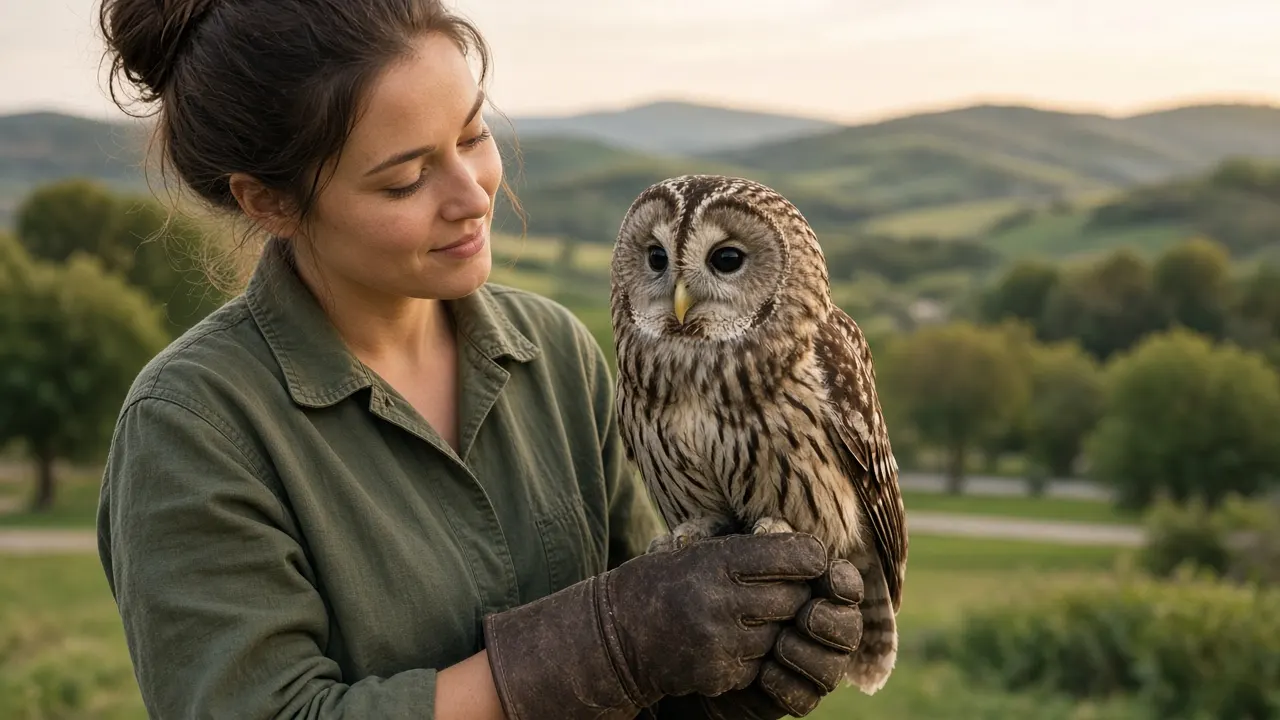
Remembering an animal matters in Hauts-de-France as much as anywhere. A long-lived zoo resident, a sanctuary's oldest horse or a rehab center's education owl may be known to thousands of people. The aftercare route decides what's possible later, so if ashes will be wanted for a memorial, choose individual cremation and say so before the necropsy.
Cold is a planning issue across much of Hauts-de-France: of the communities we cover here average freezing lows for three months or more. That means frozen ground for sanctuaries that bury, harder access for heavy vehicles and a real risk of bodies freezing before a necropsy. The city pages set out local months and temperatures.
We cover 1 community in Hauts-de-France, from Lille.

Every Hauts-de-France community we cover
Choose your city or town for local prices, weather and timing, and rules. 1 communities in Hauts-de-France, largest first below.
Local attitudes to cremation and memorials
In Hauts-de-France, about 44.91%[1] of people are cremated, lower than in much of the country. That shouldn't steer your decision for an animal in your care, but it can affect logistics: fewer providers, more mileage and sometimes longer waits for ashes. Rehabilitators with steady volumes often do well by agreeing a regular pickup schedule with one provider rather than calling around each time.
ICI (France Bleu), citing the Fédération française de crémation (2023) publishes the Hauts-de-France rate we quote. Read it as the local custom around cremation rather than as pet data.
Price benchmarks for a quote in Hauts-de-France
In Hauts-de-France, as in most of Europe, pet crematoria serve smaller species, while large or infectious cases usually go through approved rendering or incineration under animal by-products rules. The table shows published examples from several countries to give your team a starting point.
Prices in France follow the same logic as elsewhere: weight, individual or collective cremation, and collection. In France, individual cremation of a 50 kg animal is listed at €300 to €400 [2], a reasonable guide for a mid-size zoo mammal. Ask for a written quote in local currency.
| Country | Collective | Individual |
|---|---|---|
| Germany (all sizes) | €85 to €205 | €165 to €375 |
| France (50 kg) | €130 to €180 | €300 to €400 |
| Norway (51 to 90 kg) | NOK 1,895 | NOK 4,990 |
| Hoofstock, very large animals | Approved collectors | Quoted per job |

Free tool
Cremation cost calculator
Estimate a realistic price range for your pet's size, location and the type of cremation.
Disposal, disease and permit rules in Hauts-de-France
Rules about remains assume someone has the right to decide what happens to them. For animals on loan, on a breeding agreement or held under a government permit, that may not be you. Check the loan or permit terms before choosing a route, then look at the general rules for Hauts-de-France below. The owning institution or agency may want the necropsy report, tissues or the whole body.
In France, larger dead animals are generally collected by the équarrissage service under animal by-products rules, while pet crematoria offer incinération individuelle or collective for smaller species. A 50 kg animal is listed at €300 to €400 for individual cremation [2]. Ask your departmental veterinary services (DDPP) about zoo species that don't fit neatly.
The first hours, in order
- Tell the owning institution straight away if the animal was on loan or a breeding agreement. They usually decide what happens to the remains.
- Get the receiving vet's findings in writing if the animal died in transit or at an outside hospital.
- Check the permits that covered the move; some need a death notice to the issuing agency.
- Keep the body cold in place until the owner has confirmed what they want for necropsy and disposal.
- Arrange transport to the lab or provider the owner chooses, with a custody form for each leg.
- Send copies of both the necropsy report and the certificate to each party named in the agreement.
Ways Hauts-de-France teams mark the loss of an animal
Sanctuaries often mark a resident's death with the people who cared for them: a small gathering at the resident's favorite spot, a tree planted over ashes or a marker by the barn. For supporters, a short story about the animal's life, shared with care, can turn grief into gratitude. Our guide to staff and donor-facing remembrances has formats that work.
Compare every option on our services page, try the free planning tools or see how other readers answered in our polls. You can also go back to all locations.

Reader polls
What would you choose?
Vote anonymously and see how other readers answered. The results are live counts from people who visit this site, so they show real opinions, not a scientific sample.
For your largest animals, what's the hardest part of aftercare?
Tap an answer to vote and see how others answered. Anonymous.
How do you keep chain-of-custody records for remains?
Tap an answer to vote and see how others answered. Anonymous.
If you had to decide today, which aftercare would you choose for your pet?
Tap an answer to vote and see how others answered. Anonymous.

Free tools to help you plan
Cremation cost calculator
Estimate a realistic price range for your pet's size, location and the type of cremation.

Livestock mortality planner
Plan disposal capacity and costs for farm losses, from one animal to a herd.

Ashes weight estimator
See roughly how much ash to expect back, by species and body weight.
Questions people ask
Is cremation common in Hauts-de-France?
For people, about 44.91%[1] of deaths in Hauts-de-France end in cremation, which is a fair signal of how many crematories exist for small animals. It says little about large-animal capacity, so always ask a provider about weight limits directly.
What should we do after a death in the heat?
Get the body into a cooler or refrigerated trailer within hours, especially for a large animal, which holds heat internally. In hot parts of Hauts-de-France, such as Hauts-de-France where summer highs average about °F, schedule lifts and transport for early morning.
Can we get ashes back after a lab necropsy in Hauts-de-France?
Yes, if you arrange it before the necropsy. Many labs dispose of remains themselves by incineration or digestion unless the submission form says the remains should be released to a crematory. Put the request in writing and confirm who collects from the lab.
Do institutions in Hauts-de-France use standing contracts for aftercare?
Many do. A standing arrangement agrees weight-band pricing, capacity limits, after-hours response and custody paperwork before a death happens. Institutions with frequent small losses and occasional large ones often keep two agreements: one local and one with large-animal capacity.
How do winters in Hauts-de-France affect aftercare?
In the colder parts of Hauts-de-France, frozen ground can rule out burial for months and snow can block heavy vehicles. In Hauts-de-France, one of the coldest places we cover, winter lows average about °F. Keep a cremation or lab fallback and don't freeze a body before necropsy unless the vet agrees.
How much does zoo and wildlife cremation cost in Hauts-de-France?
Small animals are priced like household pets, rising with weight. Larger animals are quoted per job based on weight, access, distance and after-hours work. Lab routes such as tissue digestion can cost less per pound but don't return ashes unless arranged. Ask every provider for an itemized written total.

Sources and our estimates
- [1] In 2023, 44.91% of deaths in France led to cremation. ICI (France Bleu), citing the Fédération française de crémation, 2023.
- [2] SantéVet lists French dog cremation at EUR 70-120 collective vs EUR 150-250 individual for a 20 kg dog, and EUR 130-180 vs EUR 300-400 for a 50 kg dog. SantéVet - Quel est le prix pour incinérer un chien? (updated Mar 2026), 2026.
- [3] A 1,100 lb horse uses about 73% of a 1,500 lb animal incinerator load, so large-animal units generally cremate one horse at a time. Our estimate: 1,100 / 1,500 x 100. How we calculate.
Tell us the species, weight and location
Tell us what you need and where you are. We'll reply by email with clear options and prices so you can decide in your own time.