Cremation and necropsy logistics for exotic and wild animals in Darwin
Aftercare for an animal in your care is part pathology, part logistics and part grief. Here's the practical picture for Darwin, written for the people who have to arrange it.
- Options for rehabbers, sanctuaries and private keepers
- Biosecurity rules flagged before transport
- Per-job quotes you can put in front of finance
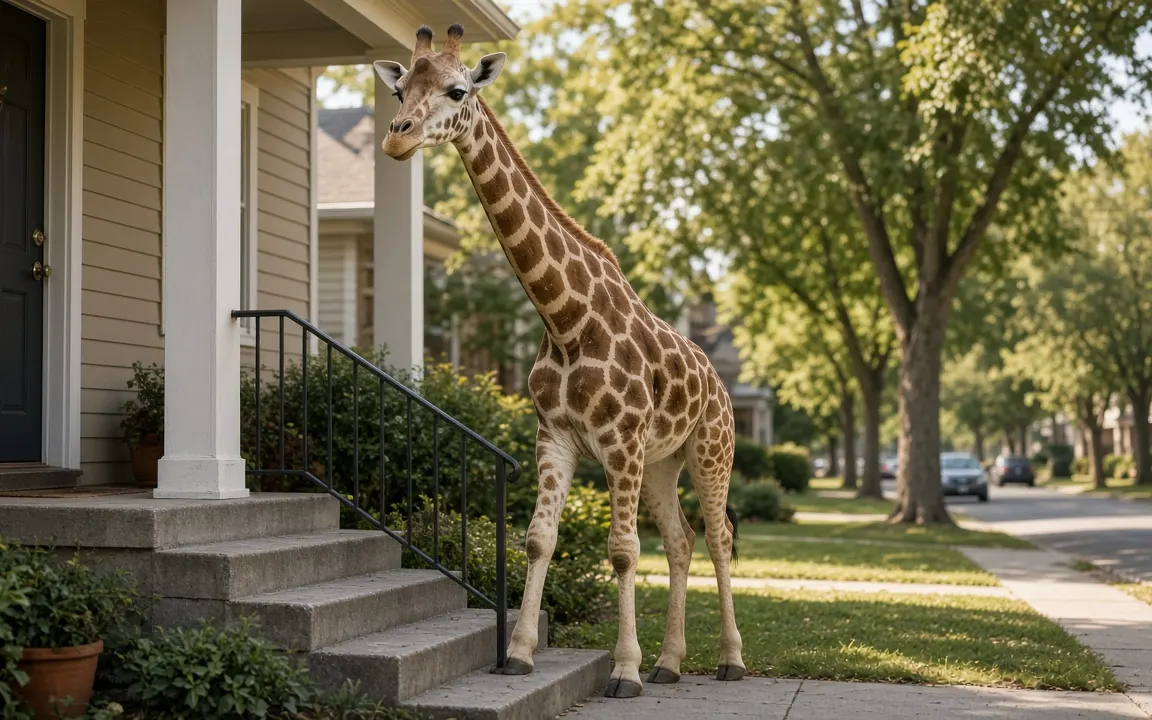
Darwin, Northern Territory
The local picture for institutions and keepers in Darwin
Darwin's rural area, from Howard Springs and Humpty Doo out towards Berry Springs and Batchelor, is full of acreage blocks with horses, goats, cattle and the odd buffalo, alongside mango farms and nurseries. Further out, the Top End's cattle stations are enormous. When a large animal dies, describe the gate, the ground and how far a truck would need to travel.
Specialist large-animal cremation may be very limited around Darwin, and distance to other options is extreme. Many owners on rural blocks bury on their own land where permitted, using an excavator, and some use a knackery. If you care for older horses or a few head of cattle, ask about options, costs and access before the wet season, so you're not deciding in a crisis.
If local capacity doesn't fit, look outward. Providers serving Northern Territory may also reach Darwin, and an equine crematory within a couple of hours can make individual cremation possible for animals up to roughly the size of a horse. Ask each one about chamber size, whether they can take the animal intact, how they'll collect it and what mileage adds to the price. Compare those answers side by side before an emergency rather than during one.
About 147,000 people live in Darwin.
71%[1]
Australian cremation rates hovered around 70-72% between 2020 and 2023, with Sydney and Melbourne often above 80%.
$600-$1,000[2]
Cremating a 1,000-pound horse was reported to cost about $600-$1,000, depending on location and the price of propane.
3-5% of body weight[3]
Embrace notes cremated remains typically weigh about 3-5% of the pet's original body weight.
Where these figures come from: Embrace Pet Insurance and Extension Horses (eXtension national Cooperative Extension).
What the human cremation rate in Australia does and doesn't tell you
Cremation is the norm in Australia: about 71%[1] of people who die there are cremated. That familiarity shows up in the pet trade too, with plenty of crematories for small and mid-size animals and staff who are used to confirming individual cremation in writing. It says nothing, though, about large-animal capacity. Even where cremation is this common, chambers big enough for hoofstock or large carnivores are few, so always ask about weight limits directly.
The Australia figure comes from FuneralSmart (2023). It describes people, not pets, so read it as a sign of local attitudes rather than a pet statistic.
Heat, cold and necropsy timing in Darwin
Seasons change the workload as much as the logistics. Hot spells raise deaths among birds and older animals, migration seasons can bring disease into rehab intake, and wet or frozen ground limits burial. Review your protocol with your vet once a year so it fits the months ahead.

How providers near Darwin price large and exotic animals
In Australia, a survey of listed prices puts the median individual cremation at about AUD 412 median[4] for animals up to 5 kg, rising with weight. That covers most birds, reptiles and small mammals in a collection. Hoofstock, large marsupials and big carnivores are quoted per job, and the provider list shortens quickly.
For a line-by-line price table, see the Northern Territory overview; for what's included in each option, see our services.

Free tool
Cremation cost calculator
Estimate a realistic price range for your pet's size, location and the type of cremation.
Who sets the rules for animal remains in Northern Territory
Cremation itself rarely needs a permit. What gets regulated is everything around it: how fast a dead animal must be disposed of, whether it can be buried and where, what happens during a disease outbreak and what records protected species need. Here's the general picture for Northern Territory; your state veterinarian or agriculture department has the final word.
In Australia, state and territory rules govern disposal of large animals, and summer heat makes cold storage and fast transport essential for any useful necropsy. Wildlife carers handle large volumes of native animals, many of which go to communal cremation or council-approved disposal. Ask your state wildlife authority about protected species and any conditions on remains.
We keep Northern Territory's burial and scattering rules in one place: the Northern Territory rules summary. Before a home burial in Darwin, also ask the city whether local ordinances add anything.
A checklist for the next few hours
- Tell the owning institution straight away whenever the animal was held on loan or under a breeding agreement. In most cases, they decide what becomes of the remains.
- Get the receiving vet's findings in writing if the animal died in transit or at an outside hospital.
- Check the permits that covered the move; some need a death notice to the issuing agency.
- Keep the body cold where it is until the owner confirms necropsy and disposal instructions.
- Arrange transport to whichever lab or provider the owner picks, with a separate custody form for every leg.
- Send copies of the necropsy report and certificate to everyone named in the agreement.
Remembering animals the keepers and public loved
The wet season makes large-animal aftercare in the Top End especially hard: paddocks flood, dirt roads close and the heat means a horse or cow needs attention within hours. In the dry season, access is easier but the ground can be hard. Ask any provider whether they collect in wet conditions and what happens if a vehicle can't reach the site.
or see what other families chose in the poll results, See what each option includes on our services page, the planning tools turn your pet's details into figures, look through our guides and the blog. Every other community in Northern Territory, and all of Australia, is listed too.

Reader polls
What would you choose?
Vote anonymously and see how other readers answered. The results are live counts from people who visit this site, so they show real opinions, not a scientific sample.
How should a zoo mark the death of an animal visitors loved?
Tap an answer to vote and see how others answered. Anonymous.
How do you keep chain-of-custody records for remains?
Tap an answer to vote and see how others answered. Anonymous.
If you had to decide today, which aftercare would you choose for your pet?
Tap an answer to vote and see how others answered. Anonymous.

Free tools to help you plan
Cremation cost calculator
Estimate a realistic price range for your pet's size, location and the type of cremation.

Livestock mortality planner
Plan disposal capacity and costs for farm losses, from one animal to a herd.

Ashes weight estimator
See roughly how much ash to expect back, by species and body weight.
Questions people ask
How do Australia attitudes to cremation compare?
FuneralSmart (2023) puts the Australia human cremation rate at about 71%[1]. We show it on the Darwin page because pet aftercare choices tend to track it: where cremation is normal for people, communal and private pet cremation are both easy to find.
What if no provider near Darwin can take our largest animal?
Then the choices are travel, a lab or a route without ashes. A university or state diagnostic lab may accept the animal for necropsy and disposal. A distant large-animal crematory may be worth the drive if ashes matter. Where it's legal and practical, on-site burial is another option. Providers serving Northern Territory are also worth asking.
How do you cremate an animal as large as a giraffe or elephant?
Rarely intact. Very few chambers can take an animal much over 1,500 lb, so large cases are usually sectioned after necropsy and cremated in several loads, sent to a lab digester, rendered or buried on grounds where the law allows. If ashes matter, ask how every load will be tracked and combined, and get that promise in writing.
Where can a wildlife rehabilitator in Darwin send animals that die in care?
Most rehabbers use a local vet's regular crematory pickup for routine cases, often communal cremation. Suspected avian influenza, rabies-vector species and protected animals may need testing or approved disposal first, so check with your state wildlife agency. For long-term education animals, ask for individual cremation and a certificate matching your records.
Is water cremation an option for zoo and wildlife animals?
Sometimes. Alkaline hydrolysis, also called aquamation or tissue digestion, is offered by some pet providers and used by some university labs for large animals. At one university lab it cost roughly a third of incineration per pound [6]. Lab digesters usually don't return remains, while pet aquamation services return bone ash much like cremation. Ask which kind you're being offered.
How are zoo and large animals disposed of in Australia?
State and territory rules apply, so the answer varies. Smaller collection animals and most wildlife carer cases go to pet crematoria, communal or individual. Heavier animals get a one-off price or go through council-approved disposal, and protected native species may carry conditions from your state wildlife authority. Summer heat makes same-day cold storage essential.


Sources and our estimates
- [1] Australian cremation rates hovered around 70-72% between 2020 and 2023, with Sydney and Melbourne often above 80%. FuneralSmart, 2023.
- [2] Cremating a 1,000-pound horse was reported to cost about $600-$1,000, depending on location and the price of propane. Extension Horses (eXtension national Cooperative Extension) - Horse Disposal Options, 2019, 2019.
- [3] Embrace notes cremated remains typically weigh about 3-5% of the pet's original body weight. Embrace Pet Insurance - Bury or Cremate Your Dog? Costs, Pros & Cons, 2025.
- [4] An Australian provider survey of listed prices puts the median individual cremation at AUD 412 for pets up to 5 kg (range AUD 295-612). Pet Farewell (Australia) - Pet Cremation Cost Australia (2026), 2026.
- [5] A 1,100 lb horse uses about 73% of a 1,500 lb animal incinerator load, so large-animal units generally cremate one horse at a time. Our estimate: 1,100 / 1,500 x 100. How we calculate.
- [6] A biodigester at the Wisconsin Veterinary Diagnostic Laboratory cost $900,000 and processes carcasses for about 25 cents per pound, versus about 75 cents per pound for incinerators. Extension Horses (eXtension national Cooperative Extension) - Horse Disposal Options, 2019, 2019.
Request written aftercare options by email
Tell us what you need and where you are. We'll reply by email with clear options and prices so you can decide in your own time.