Zoo and wildlife cremation in Hampton
Good aftercare for zoo and wildlife animals in Hampton is planned before it's needed. Start with what's realistic locally, then send us the species and weight for written options.
- Options for rehabbers, sanctuaries and private keepers
- Biosecurity rules flagged before transport
- Per-job quotes you can put in front of finance
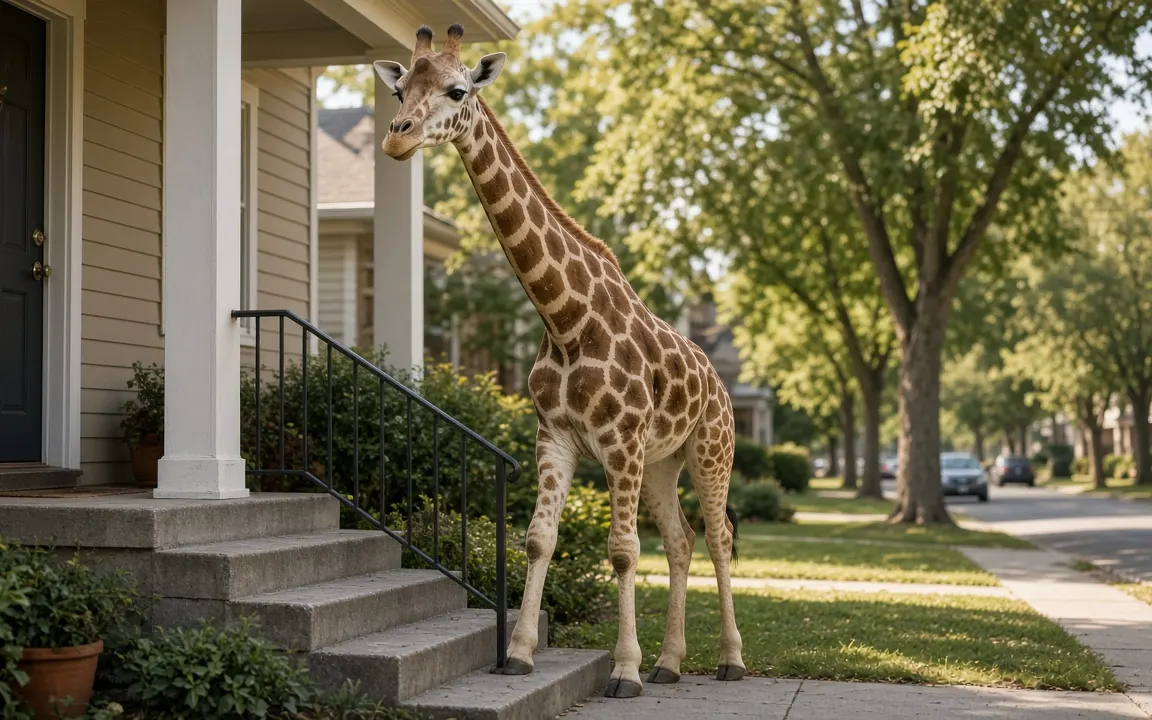
Hampton, Virginia
Zoo, rehab and sanctuary aftercare options near Hampton
Heat, storms and flooding shape large animal aftercare in Hampton Roads. Summer arrangements need to be made the same day, and hurricanes can close roads and delay services. Commercial livestock is handled under Virginia rules. For a horse, pony, pet goat or sanctuary animal, individual cremation may be possible through regional providers, so explain whether the animal was a companion or production stock.
Few providers in southeastern Virginia cremate horses and large farm animals individually. If you keep an older horse, a donkey or a small herd within reach of Hampton, ask ahead about euthanasia planning, collection and cremation, and keep those details with your hurricane plan. Military families who board horses should also think about what happens if orders come while the animal is aging.
Many cities the size of Hampton depend on one crematory for almost everything, which works until that chamber is down for maintenance or booked solid. Institutions and rehabbers here should name a second provider, even a distant one, and confirm it will take their species. Ask the main provider how long repairs usually take and whether they'll warn you before planned downtime. A backup you've never called is only half a plan.
Hampton's population is around 137,315, the 8th-largest of the 32 Virginia communities we cover. The nearest larger centre is Norfolk, about 9 miles (15 km) away, which is where some providers serving Hampton are based.
Nearby, we also have local pages for Norfolk (9 miles), Newport News (13 miles) and Portsmouth (13 miles), which can help if your vet or the provider you prefer is based there.
55.6%[1]
The NFDA projected Virginia's cremation rate at 55.6% for 2024.
$600-$1,000[2]
Cremating a 1,000-pound horse was reported to cost about $600-$1,000, depending on location and the price of propane.
3-5% of body weight[3]
Embrace notes cremated remains typically weigh about 3-5% of the pet's original body weight.
Sources for the statistics above: Embrace Pet Insurance and Extension Horses (eXtension national Cooperative Extension).
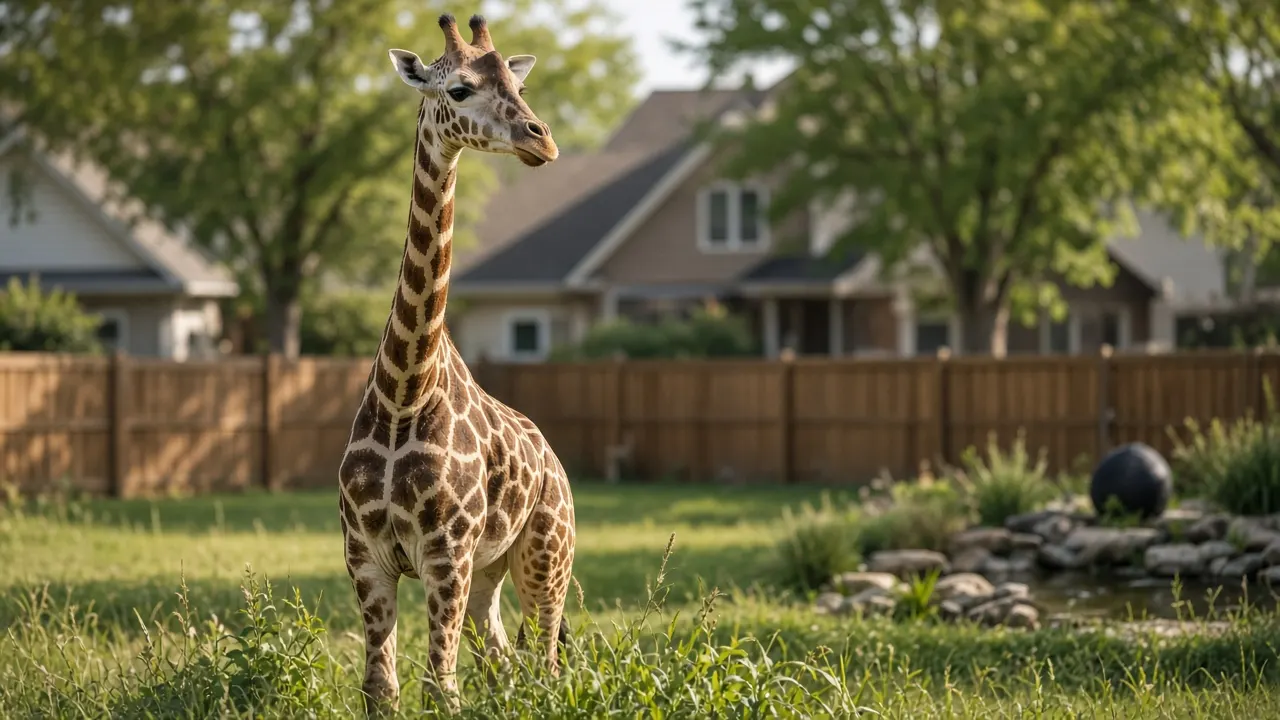
Cremation culture in Virginia and its effect on local capacity
The statewide or national figure of about 55.6%[1] of people cremated in Virginia hides a local split: cities tend to cremate more and rural areas bury more. Sanctuaries and rehabbers often mirror that. A center in town usually sends everything to a crematory, while a sanctuary on acreage may bury most residents and cremate only a few. Either is fine as long as the route suits the animal and the rules.
Source for the Virginia number: NFDA 2024 Cremation & Burial Report state projections (via Occasional Sage) (2024). Nobody publishes a pet cremation rate for Hampton, so the human figure is the best local signal available.
Hampton weather, cold storage and timing
Heat changes what a body weighs in practice. By mid-afternoon on a 89°F day in Hampton, a large animal that has been dead for a few hours is harder to lift and move, straps slip and the smell draws flies. Keep ice packs and sealed bags ready for small animals, and for courier submissions to a lab ship early in the week, so a parcel doesn't sit in a hot depot over the weekend.
The people doing the lifting in Hampton's summer need protecting too. Keepers moving a heavy animal in July heat are at risk of exhaustion, and flies and fluids raise the chance of zoonotic infection. Build rest breaks, water, gloves, eye protection and a disinfectant station into the summer version of your protocol. A two-person job in April may need four people in July.

How providers near Hampton price large and exotic animals
There's no menu price for cremating a 900 lb bear, so providers around Hampton quote per job: weight, access, distance, after-hours work and paperwork. The closest published benchmark is equine: cremating a 1,000 lb horse has been reported at about $600-$1,000[2]. Small animals sit in ordinary pet-cremation ranges. The table shows published US benchmarks for each route.
We keep the detailed Virginia price table on one page so it stays current: see Virginia prices.

Free tool
Cremation cost calculator
Estimate a realistic price range for your pet's size, location and the type of cremation.
Permits, disease reporting and disposal law in Virginia
Wildlife rehabilitators work under permits that often say what happens to remains, especially for protected birds and mammals. Sanctuaries and zoos may have their own licenses and inspections. Read your permit conditions alongside the general rules for Virginia below, and keep a copy of both with your aftercare plan.
Not sure which office covers Hampton? The Virginia local government directory is the official list.
We keep Virginia's burial and scattering rules in one place: the Virginia rules summary. Before a home burial in Hampton, also ask the city whether local ordinances add anything.
From enclosure to certificate, step by step
- Call the attending vet or pathologist first, before anyone moves the body. They decide whether a necropsy is needed, what samples to take and whether anything reportable is suspected.
- Start the record now: animal ID, species, time of death, who found it and who moved it. Every later hand-off gets a signature.
- Get the body cold in a cooler or refrigerated trailer. Don't freeze it unless the vet says samples aren't needed.
- Give keepers a few minutes alone with the animal, if that's what they'd like, ahead of the pathology work.
- Confirm the route in writing: disposal through the lab, individual cremation with the ashes coming back, digestion or burial. If ashes are wanted, that request belongs on the lab submission form itself.
- Book transport and any heavy-lift equipment, with the route out of the habitat agreed in advance.
- File the certificate under the animal's ID, and record whether any tissues or the skeleton were kept.
Ways Hampton teams mark the loss of an animal
Hampton is largely suburban, with few large animals inside the city. Horse owners and small farms are more common in neighboring York County, Gloucester and James City County, and across the James in Isle of Wight and Surry. When a large animal dies at a boarding barn or small farm, the provider will work from where the animal is kept, so describe the access and the animal's size.
go deeper with the guides or catch up on recent articles, See what each option includes on our services page, use the free tools before you ring anyone, or compare your instinct with the poll results. If you live between Hampton and Newport News, Arlington, Chesapeake and Richmond, either page applies. Every other community in Virginia, and all of the United States, is listed too.

Reader polls
What would you choose?
Vote anonymously and see how other readers answered. The results are live counts from people who visit this site, so they show real opinions, not a scientific sample.
For your largest animals, what's the hardest part of aftercare?
Tap an answer to vote and see how others answered. Anonymous.
How should a zoo mark the death of an animal visitors loved?
Tap an answer to vote and see how others answered. Anonymous.
If you had to decide today, which aftercare would you choose for your pet?
Tap an answer to vote and see how others answered. Anonymous.

Free tools to help you plan
Cremation cost calculator
Estimate a realistic price range for your pet's size, location and the type of cremation.

Livestock mortality planner
Plan disposal capacity and costs for farm losses, from one animal to a herd.

Ashes weight estimator
See roughly how much ash to expect back, by species and body weight.
Questions people ask
How does Hampton's weather affect animal aftercare?
July is the hottest month in Hampton, with average highs around 89°F, so prompt collection matters most then. Winters are mild, with average lows staying above freezing, so outdoor burial or scattering is usually possible year round.
How do Virginia attitudes to cremation compare?
NFDA 2024 Cremation & Burial Report state projections (via Occasional Sage) (2024) puts the Virginia human cremation rate at about 55.6%[1]. We show it on the Hampton page because pet aftercare choices tend to track it: where cremation is normal for people, communal and private pet cremation are both easy to find.
Which nearby towns can I compare with Hampton?
The closest communities we cover are Norfolk (about 9 miles), Newport News (about 13 miles) and Portsmouth (about 13 miles). Providers based in those places often serve Hampton too. Ask each one for a written total that includes collection, so the distance is priced in.
Will I have to travel to Norfolk to arrange things?
Not usually. Providers based in Norfolk (roughly 9 miles from Hampton) collect from here as a matter of routine, and the paperwork is done by email or phone. If you want to be present for a witnessed cremation, that is when the drive matters.
What paperwork should a provider give us?
At minimum, a record of every hand-off with signatures, confirmation that the cremation was individual (if you paid for that), the date and chamber used and a certificate that uses your animal ID. One directory counts only 2 states[5] in the US that mandated written documentation as of 2026 for pet cremation, so ask for a sample packet before you sign.
Can a zoo animal be cremated after a necropsy?
Yes, and it's common. The remains may be incomplete because tissues are kept for histology, and some institutions retain the skeleton or skin for collections. Tell the lab before the necropsy that you want ashes returned, and put it on the submission form, so the remains are released to a crematory rather than disposed of at the lab.


Sources and our estimates
- [1] The NFDA projected Virginia's cremation rate at 55.6% for 2024. NFDA 2024 Cremation & Burial Report state projections (via Occasional Sage), 2024.
- [2] Cremating a 1,000-pound horse was reported to cost about $600-$1,000, depending on location and the price of propane. Extension Horses (eXtension national Cooperative Extension) - Horse Disposal Options, 2019, 2019.
- [3] Embrace notes cremated remains typically weigh about 3-5% of the pet's original body weight. Embrace Pet Insurance - Bury or Cremate Your Dog? Costs, Pros & Cons, 2025.
- [4] A 1,100 lb horse would be expected to return roughly 38.5 lb of cremated remains (plausible range 33-55 lb). Our estimate: 1,100 lb x 3.5% (range 3%-5%). How we calculate.
- [5] As of April 2026 only Illinois and Arizona mandated written documentation to consumers for pet cremation. FindPetCremations - Pet Cremation Laws & Regulations by State (2026), 2026.
Get zoo and wildlife aftercare options for Hampton
Tell us what you need and where you are. We'll reply by email with clear options and prices so you can decide in your own time.