Aftercare for zoo, sanctuary and rehab animals in West Valley City
A 2 lb raptor and a 1,500 lb bison need very different routes. This page covers necropsy access, capacity, disease rules and records for animals in and around West Valley City.
- Standing arrangements with weight-band pricing
- Heavy-lift and transport planned in advance
- Ashes returned when your team wants them
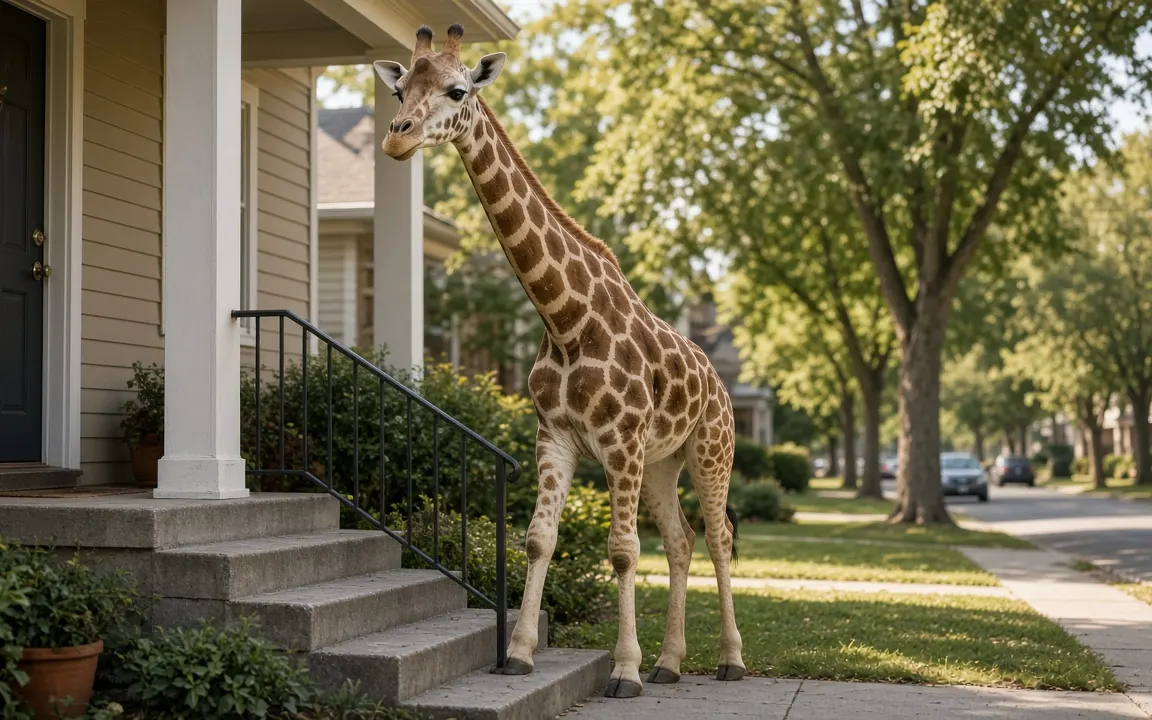
West Valley City, Utah
Zoo, rehab and sanctuary aftercare options near West Valley City
A handful of facilities along the Wasatch Front and in the wider Intermountain region can cremate a horse or big livestock animal individually, and the cost is driven by weight and the distance traveled. Owners also look into rendering and, where the local ordinance allows it, burial on rural land well outside the valley. A halter, a lock of mane or a saved horseshoe can become a lasting keepsake.
West Valley City is mostly residential and commercial now, but older parts of town and neighboring areas toward Magna still have a few horse properties and backyard livestock. Owners who keep larger animals often board them farther south or west, in places like Herriman, Riverton or Tooele County. Aftercare will depend on where the animal is kept, so your vet or barn manager is the first call.
Heavy-lift help is usually local even when the crematory isn't. Towing companies with rollback trucks, farm equipment dealers, crane rental firms and neighboring farms with a loader are the people who get a 1,000 lb animal out of a barn or paddock near West Valley City. Keep their numbers with your aftercare plan, note gate widths and ground conditions and agree who pays for the lift. A large-animal crematory can often send a trailer with a winch, but not always a crane.
West Valley City is home to about 137,491 people, the 2nd-largest of the 52 Utah communities we cover. Salt Lake City, roughly 8 miles off, is the closest larger centre, and a share of the providers who cover West Valley City run from there.
West Valley City sits within easy reach of Kearns (3 miles), Taylorsville (4 miles) and West Jordan (6 miles). A provider based in any of them will usually collect from West Valley City; ask what the mileage adds to the bill.
46.1%[1]
The NFDA projected Utah's cremation rate at 46.1% for 2024.
$600-$1,000[2]
Cremating a 1,000-pound horse was reported to cost about $600-$1,000, depending on location and the price of propane.
3-5% of body weight[3]
Embrace notes cremated remains typically weigh about 3-5% of the pet's original body weight.
If a number here surprises you, the primary material is Embrace Pet Insurance and Extension Horses (eXtension national Cooperative Extension); we only apply it to this.
Local attitudes to cremation and memorials
Burial is the familiar choice in Utah, where cremation stands at 46.1%[1] for people, so volunteers may be upset when a beloved animal can't be buried because a disease test came back positive or the ground is unsuitable. Explain the reason plainly and early. A small portion of ashes, a marker at the old burial site or a planting can give people the graveside moment they expected, even when the body goes elsewhere.
We take the Utah rate from NFDA 2024 Cremation & Burial Report state projections (via Occasional Sage) (2024). It is a human statistic; there is no equivalent pet figure for West Valley City, and we would rather show a real number than invent one.
Heat, cold and necropsy timing in West Valley City
Equipment that sits idle half the year fails when it's needed. In a place with West Valley City's swings, test coolers and freezers before July and check generators, heaters and trailer tires before the first freeze. A cooler that can't hold temperature in a heat wave, or a trailer with a flat on an icy morning, turns a hard day into a much longer one.
Disease pressure shifts with the seasons too. Heat waves raise deaths in birds and older animals; spring and fall migration can bring avian influenza into rehab intake. In West Valley City, it's worth reviewing the protocol for suspect bird deaths twice a year: how they're bagged and chilled, who is called and which disposal routes are currently approved.

Per-job pricing for West Valley City institutions and keepers
There's no menu price for cremating a 900 lb bear, so providers around West Valley City quote per job: weight, access, distance, after-hours work and paperwork. The closest published benchmark is equine: cremating a 1,000 lb horse has been reported at about $600-$1,000[2]. Small animals sit in ordinary pet-cremation ranges. The table shows published US benchmarks for each route.
Rather than repeat the price table on every city page, we keep one for Utah: Utah costs. What each service includes is on the services page.

Free tool
Cremation cost calculator
Estimate a realistic price range for your pet's size, location and the type of cremation.
Legal limits worth checking in Utah
Wildlife rehabilitators work under permits that often say what happens to remains, especially for protected birds and mammals. Sanctuaries and zoos may have their own licenses and inspections. Read your permit conditions alongside the general rules for Utah below, and keep a copy of both with your aftercare plan.
To find your county or city office in Utah, start with the official Utah local government directory.
For Utah's rules on burying a pet at home or scattering ashes, see the Utah guide. Local rules in West Valley City can be stricter than the state's, especially in homeowners' associations and rentals.
A practical sequence for keepers, vets and rehabbers
- Call the attending vet or pathologist first, before anyone moves the body. They decide whether a necropsy is needed, what samples to take and whether anything reportable is suspected.
- Start the record now: animal ID, species, time of death, who found it and who moved it. Every later hand-off gets a signature.
- Get the body cold using a cooler or a refrigerated trailer. Hold off on freezing until the vet confirms no samples are wanted.
- Give keepers a few minutes with the animal if they want it, before pathology takes over.
- Confirm the route in writing: lab disposal, individual cremation with ashes returned, digestion or burial. Put the ashes request on the lab submission form if it applies.
- Book transport and any heavy-lift equipment, with the route out of the habitat agreed in advance.
- File the certificate against the animal's ID and note any tissues or skeleton retained.
Keeping an animal's story alive
Utah winters bring snow and frozen ground, while spring thaw turns pastures to mud for a few weeks. If you keep an aging horse, goat or llama, talk with your vet about where a final visit could happen with good access for a trailer, especially between December and March. A plowed drive or firm barn apron makes a big difference.
See what each option includes on our services page, the guides answer the longer questions and the blog the newer ones, or compare your instinct with the poll results, try the free planning tools. You can also browse every city in the United States. Nearby, we also cover Salt Lake City, Provo, West Jordan and Orem, and every city in Utah.

Reader polls
What would you choose?
Vote anonymously and see how other readers answered. The results are live counts from people who visit this site, so they show real opinions, not a scientific sample.
After a death in your collection, how often is there a necropsy before aftercare?
Tap an answer to vote and see how others answered. Anonymous.
When a long-time animal dies, what support do the keepers get?
Tap an answer to vote and see how others answered. Anonymous.
If you had to decide today, which aftercare would you choose for your pet?
Tap an answer to vote and see how others answered. Anonymous.

Free tools to help you plan
Cremation cost calculator
Estimate a realistic price range for your pet's size, location and the type of cremation.

Livestock mortality planner
Plan disposal capacity and costs for farm losses, from one animal to a herd.

Ashes weight estimator
See roughly how much ash to expect back, by species and body weight.
Questions people ask
When is the hardest time of year to arrange a burial in West Valley City?
January, February and December: average lows are below freezing then, and frozen ground makes a home grave slow or impossible until it thaws. The other pressure point is July, when highs around 94°F mean a body needs cooling and collecting quickly.
Which nearby towns can I compare with West Valley City?
The closest communities we cover are Kearns (about 3 miles), Taylorsville (about 4 miles) and West Jordan (about 6 miles). Providers based in those places often serve West Valley City too. Ask each one for a written total that includes collection, so the distance is priced in.
Where are the providers that serve West Valley City actually based?
Some are local, and some run from Salt Lake City, about 8 miles away. That is normal for a city this size. What matters is the collection time they quote for West Valley City and whether the drive is priced into the total, so ask both up front.
Is cremation common in Utah?
For people, yes: about 46.1%[1] of Utah deaths end in cremation, according to NFDA 2024 Cremation & Burial Report state projections (via Occasional Sage) (2024). Nobody publishes the same figure for pets, but in our experience pet choices in West Valley City follow the human pattern closely, so cremation is the default most families here start from.
What paperwork should a provider give us?
At minimum, a record of every hand-off with signatures, confirmation that the cremation was individual (if you paid for that), the date and chamber used and a certificate that uses your animal ID. One directory counts only 2 states[5] in the US that mandated written documentation as of 2026 for pet cremation, so ask for a sample packet before you sign.
How do you cremate an animal as large as a giraffe or elephant?
Rarely intact. Very few chambers can take an animal much over 1,500 lb, so large cases are usually sectioned after necropsy and cremated in several loads, sent to a lab digester, rendered or buried on grounds where the law allows. If ashes matter, ask how every load will be tracked and combined, and get that promise in writing.


Sources and our estimates
- [1] The NFDA projected Utah's cremation rate at 46.1% for 2024. NFDA 2024 Cremation & Burial Report state projections (via Occasional Sage), 2024.
- [2] Cremating a 1,000-pound horse was reported to cost about $600-$1,000, depending on location and the price of propane. Extension Horses (eXtension national Cooperative Extension) - Horse Disposal Options, 2019, 2019.
- [3] Embrace notes cremated remains typically weigh about 3-5% of the pet's original body weight. Embrace Pet Insurance - Bury or Cremate Your Dog? Costs, Pros & Cons, 2025.
- [4] At an average rate of 250 lb per hour, the burn phase for a 1,100 lb horse would take at least about 4.4 hours, not counting preheating and cool-down. Our estimate: 1,100 lb / 250 lb per hour. How we calculate.
- [5] As of April 2026 only Illinois and Arizona mandated written documentation to consumers for pet cremation. FindPetCremations - Pet Cremation Laws & Regulations by State (2026), 2026.
Plan aftercare for an animal in your care
Tell us what you need and where you are. We'll reply by email with clear options and prices so you can decide in your own time.