Zoo and wildlife cremation in Abilene
Whether you run a collection, a rehab center or a sanctuary in Abilene, the order is the same: vet or pathologist first, cold storage second, cremation third. Here's how that works locally and what it costs.
- Necropsy and cold storage handled in the right order
- Capacity checked against your animal's weight
- Written custody terms before anything moves
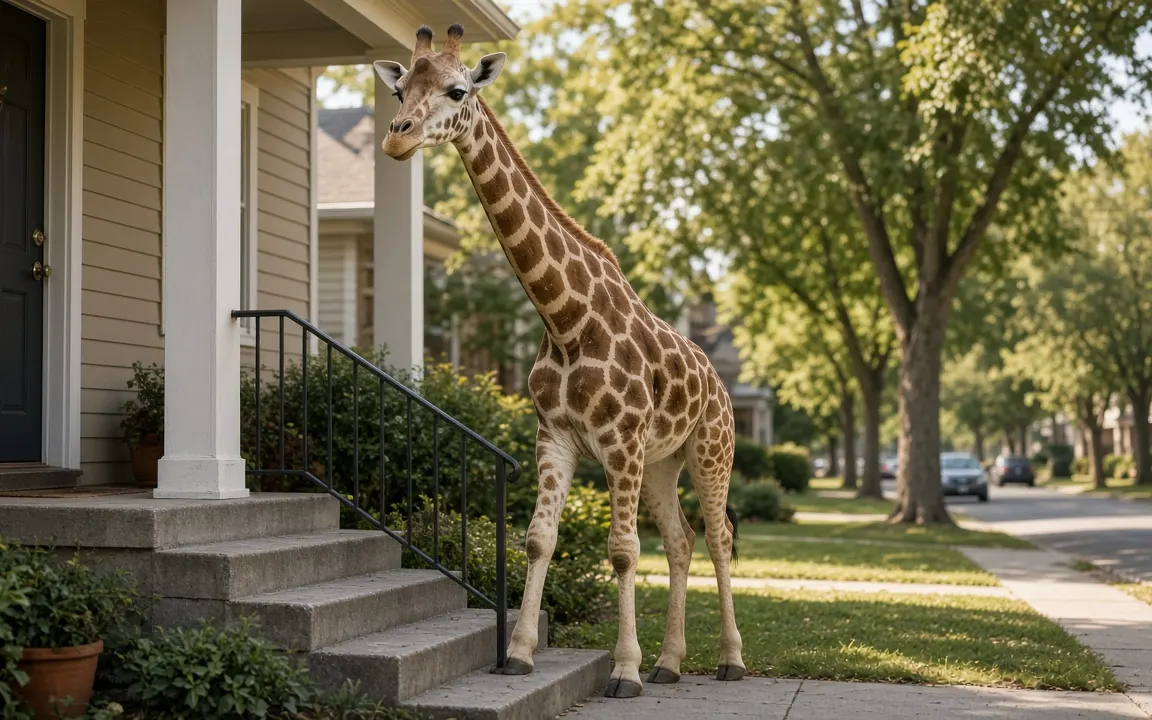
Abilene, Texas
Who handles zoo, rehab and sanctuary losses around Abilene
Cremating a horse or steer individually is uncommon anywhere in West Texas, and the long drive to a facility that does it adds significantly to the cost. Many ranch families in Taylor and nearby counties choose burial on their own land where Texas rules allow, or a removal crew. A saddle blanket, a brand-marked halter or a set of shoes can serve as a lasting keepsake.
West Texas heat makes timing critical. A horse or cow lost in a summer pasture needs to be moved within hours, and dirt roads can turn to slick mud after a rare heavy storm. Ranchers with an old horse or cow should agree with their vet on a spot for the last appointment close to a gate or caliche road, and keep hauler contacts written down.
Nature centers, college biology programs and educational animal collections in and around Abilene tend to have small, long-lived animals: owls, hawks, snakes, turtles, a fox or two. They're often known to local schoolchildren by name. Aftercare is usually simple in scale but careful in records, especially for animals held under a wildlife or education permit. Keep the permit number, the animal's ID and the disposition in one file, and ask the provider for a certificate that uses the same ID.
Abilene's population is around 131,588, the 28th-largest of the 325 Texas communities we cover.
Nearby, we also have local pages for San Angelo (82 miles), Granbury (113 miles) and Weatherford (115 miles), which can help if your vet or the provider you prefer is based there.
55.7%[1]
The NFDA projected Texas's cremation rate at 55.7% for 2024.
$600-$1,000[2]
Cremating a 1,000-pound horse was reported to cost about $600-$1,000, depending on location and the price of propane.
3-5% of body weight[3]
Embrace notes cremated remains typically weigh about 3-5% of the pet's original body weight.
The numbers above come from Embrace Pet Insurance and Extension Horses (eXtension national Cooperative Extension), if you'd like to read the original sources.
Cremation culture in Texas and its effect on local capacity
Cremation is now the majority choice for people in Texas, at about 55.7%[1], but burial traditions are still strong. You'll see the same split among sanctuaries and keepers: some bury residents on their own land where it's allowed, others choose cremation so the remains can move if the organization ever does. Both are legitimate. What matters is that the route fits the animal's size, the local rules and any disease risk.
That Texas rate is a human one, published by NFDA 2024 Cremation & Burial Report state projections (via Occasional Sage) (2024). We quote it for Abilene only as a pointer to how families here already think about cremation.
Planning around Abilene's climate
Summer in Abilene brings heat-related deaths in the collection itself, particularly among birds, older animals and species from cooler climates. Those are exactly the cases a pathologist wants to see quickly. Keep a cooler clear during heat waves, move any necropsy submissions to the front of the day and schedule collections for early morning when roads and loading areas are cooler.
Hot weather puts pressure on providers too. Crematories and labs serving Abilene can be busier in summer, and a refrigerated trailer booked by someone else is no help to you. Institutions with large animals often agree summer terms in their standing arrangement: agreed pickup windows, a cold-storage fallback and a price for after-hours collection when temperatures peak.

Budgeting aftercare for large and exotic animals in Abilene
If you're choosing between cremation and cheaper routes for a large animal near Abilene, compare like with like. Rendering pickup typically costs $75-$200[4] for a horse-size carcass where a renderer exists, but many refuse euthanized animals. Burial means equipment hire. Cremation costs most but is the only route that reliably returns ashes for a memorial.
The Texas price table breaks costs down by size; our services page explains what sits behind each line.

Free tool
Cremation cost calculator
Estimate a realistic price range for your pet's size, location and the type of cremation.
Disposal, disease and permit rules in Texas
Rules about remains assume someone has the right to decide what happens to them. For animals on loan, on a breeding agreement or held under a government permit, that may not be you. Check the loan or permit terms before choosing a route, then look at the general rules for Texas below. The owning institution or agency may want the necropsy report, tissues or the whole body.
Texas keeps an official directory of local governments; use it to reach the county or city office that covers Abilene.
The Texas page sets out who oversees pet cremation and what the state says about burial and scattering. Abilene's own bylaws can sit on top of that, so ask before you dig.
The first hours, in order
- Tell the staff and volunteers first, face to face or on the phone, ahead of any public announcement.
- Decide what to say to school groups and regular visitors, thinking especially of the children who knew the animal.
- Choose individual cremation when the center would like ashes for a memorial, and record that choice on any lab paperwork.
- Keep a few mementos, perhaps a molted skin, a shed feather or an enrichment toy the animal loved, if the vet is happy for you to.
- Update the education program so the next group isn't told to expect an animal that has died.
- Plan a small memorial for when the ashes come back, with the people who worked with the animal most.
Remembering animals the keepers and public loved
Ranching shapes the country around Abilene: cattle on mesquite pasture, horses kept for ranch work and roping, and goats and sheep on smaller places. The West Texas Fair and Rodeo held in town reflects how many families still raise livestock. When a large animal dies out on the range, the first practical question is how a truck will reach it across rough ground and through gates.
or look at how readers voted in our polls, the planning tools turn your pet's details into figures, The services page is the place to compare what is included, read our guides and latest articles. More local pages: El Paso, Dallas, Fort Worth and Austin, the Texas overview and every city in the United States.

Reader polls
What would you choose?
Vote anonymously and see how other readers answered. The results are live counts from people who visit this site, so they show real opinions, not a scientific sample.
When a long-time animal dies, what support do the keepers get?
Tap an answer to vote and see how others answered. Anonymous.
How does your organization arrange aftercare today?
Tap an answer to vote and see how others answered. Anonymous.
If you had to decide today, which aftercare would you choose for your pet?
Tap an answer to vote and see how others answered. Anonymous.

Free tools to help you plan
Cremation cost calculator
Estimate a realistic price range for your pet's size, location and the type of cremation.

Livestock mortality planner
Plan disposal capacity and costs for farm losses, from one animal to a herd.

Ashes weight estimator
See roughly how much ash to expect back, by species and body weight.
Questions people ask
How does Abilene's weather affect animal aftercare?
July is the hottest month in Abilene, with average highs around 96°F, so prompt collection matters most then. Winters are mild, with average lows staying above freezing, so outdoor burial or scattering is usually possible year round.
Can a provider from a neighbouring town collect from Abilene?
Usually yes. San Angelo is about 82 miles away, Granbury is about 113 miles away and Weatherford is about 115 miles away, all inside a normal collection radius. Get the mileage written into the quote so there is no surprise on the day.
Why does the Abilene page quote a human cremation rate?
Because it is the best local signal we have. NFDA 2024 Cremation & Burial Report state projections (via Occasional Sage) (2024) reports about 55.7%[1] of Texas residents are cremated. There is no official pet equivalent, and inventing one would be worse than quoting a real, clearly labelled number.
What happens to a zoo animal that dies with a reportable disease?
The state or national animal health authority takes the lead. They'll specify testing, handling and an approved disposal route, which may be incineration, digestion or another method. A crematory can't make that decision for you. Keep the body isolated and chilled and call your vet and the authority before moving it.
Can a rehab center cremate a rabbit during an RHDV2 outbreak?
Not before asking. USDA advises against disposing of a rabbit carcass without first consulting a vet or state or federal animal health officials because of RHDV2 [6]. The virus survives a long time in the environment, so bag the body, disinfect the area and wait for instructions. Testing may be needed first, and the approved disposal route may not be a regular pickup.
What should we ask a cremation provider in Abilene before signing?
Ask about chamber size and weight limits, whether they can take the animal intact, after-hours response, how animals are identified from pickup to certificate, what the paperwork packet contains and how they price by weight. Our questions institutions should ask vendors goes further.


Sources and our estimates
- [1] The NFDA projected Texas's cremation rate at 55.7% for 2024. NFDA 2024 Cremation & Burial Report state projections (via Occasional Sage), 2024.
- [2] Cremating a 1,000-pound horse was reported to cost about $600-$1,000, depending on location and the price of propane. Extension Horses (eXtension national Cooperative Extension) - Horse Disposal Options, 2019, 2019.
- [3] Embrace notes cremated remains typically weigh about 3-5% of the pet's original body weight. Embrace Pet Insurance - Bury or Cremate Your Dog? Costs, Pros & Cons, 2025.
- [4] Rendering companies typically charge a pickup fee of $75-$200 to remove a horse carcass, depending on location. Extension Horses (eXtension national Cooperative Extension) - Horse Disposal Options, 2019, 2019.
- [5] Horse rendering costs about $0.14 per pound and composting about $0.23 per pound, both well below incineration at $0.75 per pound, and composting is comparable to a biodigester at $0.25 per pound. Our estimate: $275 / 1,200 lb (composting); $137.50 / 1,000 lb (rendering); $0.25 and $0.75 per lb from extension. How we calculate.
- [6] USDA advises rabbit owners not to dispose of a rabbit carcass without first consulting a veterinarian or state or federal animal health officials because of RHDV2. USDA APHIS - Rabbit Hemorrhagic Disease, 2024.
Get zoo and wildlife aftercare options for Abilene
Tell us what you need and where you are. We'll reply by email with clear options and prices so you can decide in your own time.