When an animal in your care dies in Fayetteville: zoo and wildlife aftercare
A 2 lb raptor and a 1,500 lb bison need very different routes. This page covers necropsy access, capacity, disease rules and records for animals in and around Fayetteville.
- From songbirds to hoofstock, sized honestly
- Records matched to your animal IDs
- Local weather and timing built into the plan
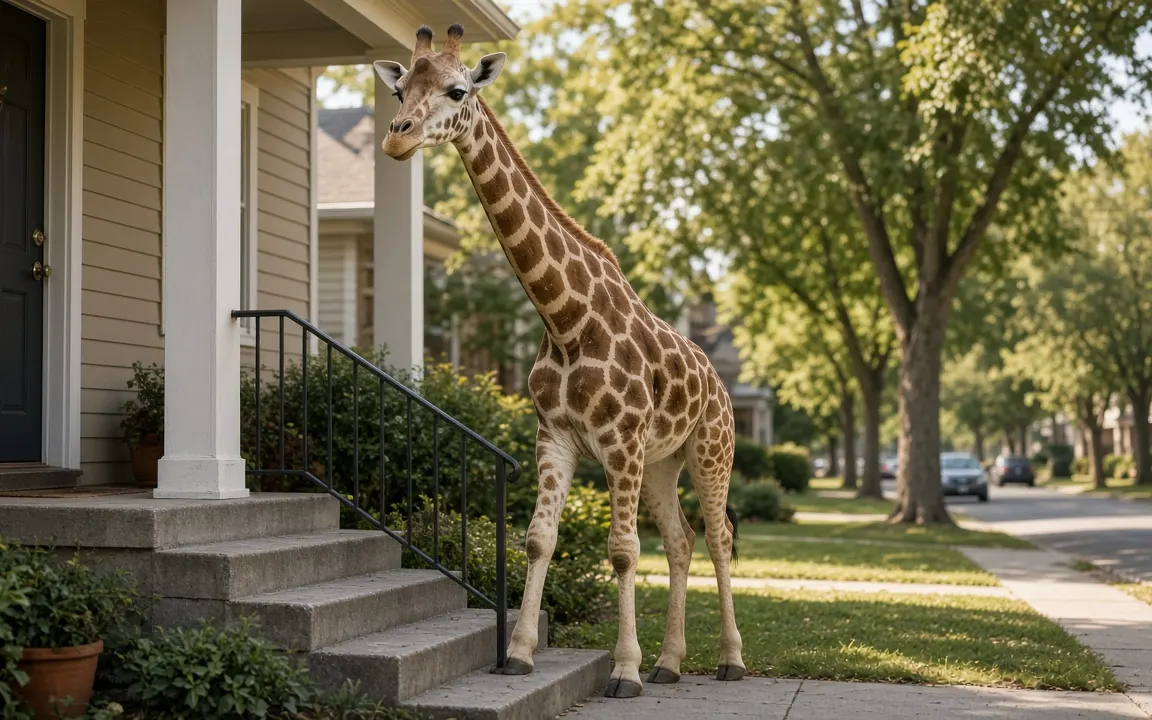
Fayetteville, North Carolina
The local picture for institutions and keepers in Fayetteville
Hot, humid Carolina summers make speed important for large animals. A horse, cow or pig that dies in July near Fayetteville should be shaded or covered if possible and collection arranged the same day. After hurricanes, flooding along the Cape Fear and Lumber rivers can close rural roads for days, so it helps to know ahead of time who can collect and how they'll reach you.
Around Fayetteville, horses and ponies kept for riding and family goats or donkeys are often individually cremated with ashes returned, while commercial hogs and cattle generally go through agricultural disposal. Tell us which applies to your situation. Crematories equipped for an animal the size of a horse are spread across the state, so asking early about distance and cost is sensible for an older animal.
Sanctuaries on the edge of Fayetteville, whether farm-animal, big cat, primate or equine, face the widest range of sizes. The same week can bring a chicken and a draft horse. Many have land for burial and use it where rules allow, but burial of a heavy animal needs equipment, setbacks from wells and water and, if the animal was euthanized, deep cover to protect scavenging wildlife. Cremation, even of a portion, is often chosen for residents the volunteers knew best.
Fayetteville is home to about 209,120 people, the 6th-largest of the 64 North Carolina communities we cover. Raleigh, roughly 52 miles off, is the closest larger centre, and a share of the providers who cover Fayetteville run from there.
If you want to compare providers, look at Hope Mills (8 miles), Pinehurst (29 miles) and Sanford (31 miles). Distance matters because pickup fees and the time until the ashes come back both grow with the drive.
57.3%[1]
The NFDA projected North Carolina's cremation rate at 57.3% for 2024.
$600-$1,000[2]
Cremating a 1,000-pound horse was reported to cost about $600-$1,000, depending on location and the price of propane.
3-5% of body weight[3]
Embrace notes cremated remains typically weigh about 3-5% of the pet's original body weight.
Sources for the statistics above: Extension Horses (eXtension national Cooperative Extension) and Embrace Pet Insurance.
What the human cremation rate in North Carolina does and doesn't tell you
The statewide or national figure of about 57.3%[1] of people cremated in North Carolina hides a local split: cities tend to cremate more and rural areas bury more. Sanctuaries and rehabbers often mirror that. A center in town usually sends everything to a crematory, while a sanctuary on acreage may bury most residents and cremate only a few. Either is fine as long as the route suits the animal and the rules.
That North Carolina rate is a human one, published by NFDA 2024 Cremation & Burial Report state projections (via Occasional Sage) (2024). We quote it for Fayetteville only as a pointer to how families here already think about cremation.
When the weather in Fayetteville sets the clock
If a planned euthanasia is coming for an elderly animal in Fayetteville, the calendar is worth a look. In June, July and August, booking the appointment for early morning gives the team cooler air for the lift, lets the pathologist start the same day and gets the body into cold storage before the afternoon heat. Confirm the provider's pickup time the day before, so nobody is waiting beside a body in the sun.
Fayetteville gets hot: July averages highs around 92°F. Heat is the enemy of a useful necropsy, because tissues break down quickly and findings get harder to read. After a death in warm weather, get the body into a cooler within a couple of hours if you can. For a large animal, that may mean a refrigerated trailer, and the time to find one is before the summer, not on the day.

How providers near Fayetteville price large and exotic animals
Budget holders in Fayetteville often ask for a single number. The honest answer is a range per route, set by weight and distance. Use the benchmarks below to sanity-check quotes, then ask every provider for a written total that separates transport, handling equipment, the cremation itself, any certificate and the return of ashes.
The North Carolina price table breaks costs down by size; our services page explains what sits behind each line.

Free tool
Cremation cost calculator
Estimate a realistic price range for your pet's size, location and the type of cremation.
What North Carolina regulates, and who to call
Wildlife rehabilitators work under permits that often say what happens to remains, especially for protected birds and mammals. Sanctuaries and zoos may have their own licenses and inspections. Read your permit conditions alongside the general rules for North Carolina below, and keep a copy of both with your aftercare plan.
Not sure which office covers Fayetteville? The North Carolina local government directory is the official list.
Home burial and scattering are governed at the North Carolina level first; our North Carolina rules summary has the detail. Then check whether Fayetteville or your HOA adds anything.
The first hours, in order
- Tell the owning institution straight away if the animal was on loan or a breeding agreement. They usually decide what happens to the remains.
- Get the receiving vet's findings in writing if the animal died in transit or at an outside hospital.
- Check the permits that covered the move; some need a death notice to the issuing agency.
- Keep the body cold where it is until the owner confirms necropsy and disposal instructions.
- Arrange transport to the lab or provider the owner chooses, with a custody form for each leg.
- Send copies of both the necropsy report and the certificate to each party named in the agreement.
Honoring an animal in Fayetteville
The Sandhills around Fayetteville include some of North Carolina's well-known horse country, especially toward Southern Pines and Aberdeen in Moore County, where fox hunting, steeplechase and eventing traditions run deep. Hog and poultry farms fill the counties to the east and south. When a large animal dies, give the provider your address, gate width and whether a truck can reach the animal on sandy tracks.
look through our guides and the blog, the planning tools turn your pet's details into figures, or look at how readers voted in our polls, Compare every option on our services page. You can also browse every city in the United States. Nearby, we also cover Cary, Winston-Salem, Durham and Raleigh, and every city in North Carolina.

Reader polls
What would you choose?
Vote anonymously and see how other readers answered. The results are live counts from people who visit this site, so they show real opinions, not a scientific sample.
How does your organization arrange aftercare today?
Tap an answer to vote and see how others answered. Anonymous.
After a death in your collection, how often is there a necropsy before aftercare?
Tap an answer to vote and see how others answered. Anonymous.
If you had to decide today, which aftercare would you choose for your pet?
Tap an answer to vote and see how others answered. Anonymous.

Free tools to help you plan
Cremation cost calculator
Estimate a realistic price range for your pet's size, location and the type of cremation.

Livestock mortality planner
Plan disposal capacity and costs for farm losses, from one animal to a herd.

Ashes weight estimator
See roughly how much ash to expect back, by species and body weight.
Questions people ask
Does the Fayetteville climate change what I should do first?
Only the timing. In July, with highs near 92°F, cool the body and book collection the same day. In January, when lows sit below freezing, a home burial may have to wait for a thaw, so cremation with ashes returned keeps your options open.
Is cremation common in North Carolina?
For people, yes: about 57.3%[1] of North Carolina deaths end in cremation, according to NFDA 2024 Cremation & Burial Report state projections (via Occasional Sage) (2024). Nobody publishes the same figure for pets, but in our experience pet choices in Fayetteville follow the human pattern closely, so cremation is the default most families here start from.
Where are the providers that serve Fayetteville actually based?
Some are local, and some run from Raleigh, about 52 miles away. That is normal for a city this size. What matters is the collection time they quote for Fayetteville and whether the drive is priced into the total, so ask both up front.
Can a provider from a neighbouring town collect from Fayetteville?
Usually yes. Hope Mills is about 8 miles away, Pinehurst is about 29 miles away and Sanford is about 31 miles away, all inside a normal collection radius. Get the mileage written into the quote so there is no surprise on the day.
Can a sanctuary near Fayetteville bury a large animal on its own land?
Often, with conditions. States commonly set depth, distance from wells and water and, for livestock and horses, a disposal deadline, often 24-72 hours[5] after death. Animals euthanized with barbiturates need deep burial to protect scavengers. Frozen or waterlogged ground can rule burial out for months, so keep a cremation or lab option as a fallback.
Who decides what happens to an animal on loan from another institution?
Usually the owner, not the holder. Breeding loans and transfer agreements normally say who receives the necropsy report and who chooses the disposal route, and some owners want tissues, the skeleton or the whole body back. Check the agreement, call the owning institution before booking anything and keep the body cold while you wait for its answer.


Sources and our estimates
- [1] The NFDA projected North Carolina's cremation rate at 57.3% for 2024. NFDA 2024 Cremation & Burial Report state projections (via Occasional Sage), 2024.
- [2] Cremating a 1,000-pound horse was reported to cost about $600-$1,000, depending on location and the price of propane. Extension Horses (eXtension national Cooperative Extension) - Horse Disposal Options, 2019, 2019.
- [3] Embrace notes cremated remains typically weigh about 3-5% of the pet's original body weight. Embrace Pet Insurance - Bury or Cremate Your Dog? Costs, Pros & Cons, 2025.
- [4] At an average rate of 250 lb per hour, the burn phase for a 1,100 lb horse would take at least about 4.4 hours, not counting preheating and cool-down. Our estimate: 1,100 lb / 250 lb per hour. How we calculate.
- [5] State rules commonly require dead animals to be buried within 24 to 72 hours of death, especially when euthanized. Cornell Waste Management Institute & Penn State - Horse Mortality: Carcass Disposal Alternatives (2012), 2012.
Tell us the species, weight and location
Tell us what you need and where you are. We'll reply by email with clear options and prices so you can decide in your own time.