Zoo animal and wildlife aftercare in Buffalo, New York
Whether you run a collection, a rehab center or a sanctuary in Buffalo, the order is the same: vet or pathologist first, cold storage second, cremation third. Here's how that works locally and what it costs.
- Standing arrangements with weight-band pricing
- Heavy-lift and transport planned in advance
- Ashes returned when your team wants them
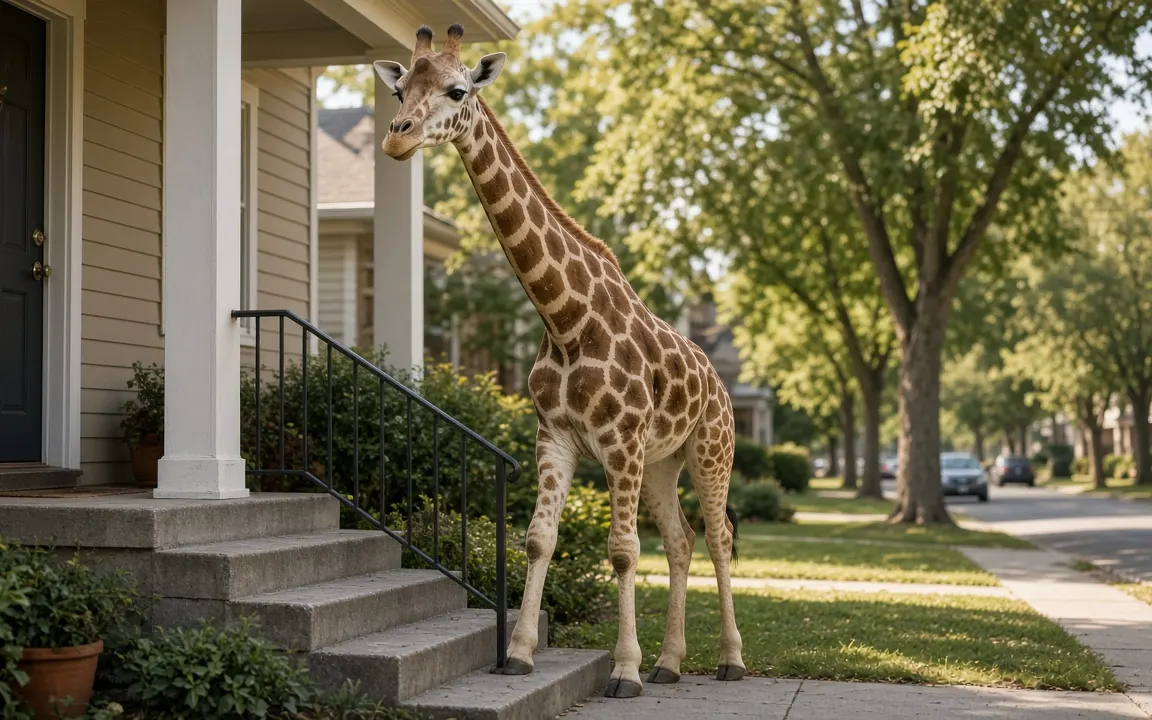
Buffalo, New York
How a death in your collection gets handled around Buffalo
Buffalo's core has few large animals, but the countryside is close: dairy farms in the southern towns of Erie County and beyond, horse farms around East Aurora and Orchard Park, and fruit farms along the Niagara County lakeshore. When a horse or farm animal dies, access is the first question. Share gate width, ground conditions and where the animal lies.
Horse owners and hobby farmers around Buffalo, from the Southtowns to Niagara and Genesee counties, increasingly plan aftercare ahead. If you have an older horse or pony, ask now about collection, cremation costs and whether ashes can be returned, and think through what you'd do in a January lake-effect storm. Regional options extend across western New York toward Rochester, so compare written quotes calmly while there is no urgency.
Licensed exhibitors, petting farms and small educational collections around Buffalo often have mixed animals and no in-house vet. Losses tend to be handled by whichever vet the owner uses for the farm animals, who may not know exotic species well. It's worth arranging, before a death, which vet will confirm it, who decides on a necropsy and where a reptile, a wallaby or a large bird can go afterwards. Those three answers cover most emergencies.
With roughly 274,613 residents, Buffalo is the 2nd-largest of the 49 New York communities we cover.
If you want to compare providers, look at Lackawanna (5 miles), North Tonawanda (11 miles) and Niagara Falls (16 miles). Distance matters because pickup fees and the time until the ashes come back both grow with the drive.
55.7%[1]
The NFDA projected New York's cremation rate at 55.7% for 2024.
$600-$1,000[2]
Cremating a 1,000-pound horse was reported to cost about $600-$1,000, depending on location and the price of propane.
3-5% of body weight[3]
Embrace notes cremated remains typically weigh about 3-5% of the pet's original body weight.
Sources for the statistics above: Embrace Pet Insurance and Extension Horses (eXtension national Cooperative Extension).
What local funeral customs in New York mean for animal aftercare
About 55.7%[1] of people who die in New York are cremated, so cremation is familiar without being universal. For public-facing institutions, that means a memorial for a well-known animal can take many forms, from a plaque over buried remains to a planting with a portion of ashes. Ask your keepers and your visitors what feels right; local custom gives you room either way.
NFDA 2024 Cremation & Burial Report state projections (via Occasional Sage) (2024) is where the New York figure comes from. It counts people; we use it because attitudes to cremating a pet in Buffalo tend to follow attitudes to cremation generally.
Planning around Buffalo's climate
Snow, ice and short days complicate heavy lifts. A rollback truck or trailer may not get up a steep sanctuary drive near Buffalo in winter, and loaders need cleared, level ground. Plan the winter route: which gate, which road, where a vehicle can turn and who clears it. Some rural roads also carry seasonal weight limits during the thaw, so check before you book a heavy load.
Winter in Buffalo can bring waterfowl die-offs and cold-stressed wildlife to rehabilitators, and bird deaths during avian influenza season may need testing before disposal. Keep suspect birds bagged, chilled and separate from other remains, wear protective equipment and call your state wildlife agency or animal health office before sending them anywhere. Your provider should know the current protocol, but the agency sets it.

Price benchmarks for a quote in Buffalo
Chamber size quietly shapes the bill. Large animal units are commonly built for about a 1,500 lb load[4], and by our estimate a 1,100 lb animal uses about 73% of that [5], so it's cremated alone. Anything heavier may need sectioning and several loads, each adding time and labor. Ask providers in Buffalo to quote the whole job, not a price per load.
Rather than repeat the price table on every city page, we keep one for New York: New York costs. What each service includes is on the services page.

Free tool
Cremation cost calculator
Estimate a realistic price range for your pet's size, location and the type of cremation.
Legal limits worth checking in New York
Cremation itself rarely needs a permit. What gets regulated is everything around it: how fast a dead animal must be disposed of, whether it can be buried and where, what happens during a disease outbreak and what records protected species need. Here's the general picture for New York; your state veterinarian or agriculture department has the final word.
The official New York local government directory lists every county and city office, which is the quickest way to find who to ask in Buffalo.
Home burial and scattering are governed at the New York level first; our New York rules summary has the detail. Then check whether Buffalo or your HOA adds anything.
A practical sequence for keepers, vets and rehabbers
- Activate the written protocol and put one person in charge of coordinating the day.
- Confirm with the pathologist the time and place of the necropsy, and the way the remains get handed back once it's done.
- Move the body out of public view by the agreed route, ideally before opening hours.
- Record each hand-off from enclosure to cooler to lab to crematory, with times and signatures.
- Brief the communications lead with what can be said now and what waits for results.
- Plan the staff gathering and let the keepers decide how they want the animal remembered.
- Review the case afterwards and update the protocol while it's fresh.
After the paperwork: remembering them
Winters in western New York are long and snowy, which makes burying a large animal hard for months and can delay collection after a storm. Spring brings deep mud on farm lanes. For a family horse, pony, goat or alpaca, individual cremation may be possible through regional providers; commercial livestock usually goes through rendering or a dead-stock service. Say clearly which applies when you ask for options, and describe how a truck would reach the animal.
or compare your instinct with the poll results, the planning tools turn your pet's details into figures, See what each option includes on our services page, browse in-depth guides or recent articles. More local pages: Yonkers, New Rochelle, Syracuse and Albany, the New York overview and every city in the United States.

Reader polls
What would you choose?
Vote anonymously and see how other readers answered. The results are live counts from people who visit this site, so they show real opinions, not a scientific sample.
How should a zoo mark the death of an animal visitors loved?
Tap an answer to vote and see how others answered. Anonymous.
How do you keep chain-of-custody records for remains?
Tap an answer to vote and see how others answered. Anonymous.
If you had to decide today, which aftercare would you choose for your pet?
Tap an answer to vote and see how others answered. Anonymous.

Free tools to help you plan
Cremation cost calculator
Estimate a realistic price range for your pet's size, location and the type of cremation.

Livestock mortality planner
Plan disposal capacity and costs for farm losses, from one animal to a herd.

Ashes weight estimator
See roughly how much ash to expect back, by species and body weight.
Questions people ask
How do New York attitudes to cremation compare?
NFDA 2024 Cremation & Burial Report state projections (via Occasional Sage) (2024) puts the New York human cremation rate at about 55.7%[1]. We show it on the Buffalo page because pet aftercare choices tend to track it: where cremation is normal for people, communal and private pet cremation are both easy to find.
How does Buffalo's weather affect animal aftercare?
July is the hottest month in Buffalo, with average highs around 80°F, so prompt collection matters most then. Average lows drop below freezing in January, February, March and December, which can make digging a grave hard until spring.
Which nearby towns can I compare with Buffalo?
The closest communities we cover are Lackawanna (about 5 miles), North Tonawanda (about 11 miles) and Niagara Falls (about 16 miles). Providers based in those places often serve Buffalo too. Ask each one for a written total that includes collection, so the distance is priced in.
Can we be present for the cremation?
Some providers allow keepers or staff to attend the start of a cremation, and for a long-term resident it can mean a lot. It usually needs booking ahead and may cost more. Large-animal providers near Buffalo vary widely in what they allow, so ask on the first call rather than assuming.
Can a sanctuary near Buffalo bury a large animal on its own land?
Often, with conditions. States commonly set depth, distance from wells and water and, for livestock and horses, a disposal deadline, often 24-72 hours[6] after death. Animals euthanized with barbiturates need deep burial to protect scavengers. Frozen or waterlogged ground can rule burial out for months, so keep a cremation or lab option as a fallback.
Can a zoo animal be cremated after a necropsy?
Yes, and it's common. The remains may be incomplete because tissues are kept for histology, and some institutions retain the skeleton or skin for collections. Tell the lab before the necropsy that you want ashes returned, and put it on the submission form, so the remains are released to a crematory rather than disposed of at the lab.


Sources and our estimates
- [1] The NFDA projected New York's cremation rate at 55.7% for 2024. NFDA 2024 Cremation & Burial Report state projections (via Occasional Sage), 2024.
- [2] Cremating a 1,000-pound horse was reported to cost about $600-$1,000, depending on location and the price of propane. Extension Horses (eXtension national Cooperative Extension) - Horse Disposal Options, 2019, 2019.
- [3] Embrace notes cremated remains typically weigh about 3-5% of the pet's original body weight. Embrace Pet Insurance - Bury or Cremate Your Dog? Costs, Pros & Cons, 2025.
- [4] An animal incinerator sized for agricultural and animal-control use holds up to 1,500 lb per load with a maximum burn rate of 250 lb per hour (manufacturer specification). B&L Cremation Systems (manufacturer) - BLI-1500 Animal Incinerator specifications.
- [5] A 1,100 lb horse uses about 73% of a 1,500 lb animal incinerator load, so large-animal units generally cremate one horse at a time. Our estimate: 1,100 / 1,500 x 100. How we calculate.
- [6] State rules commonly require dead animals to be buried within 24 to 72 hours of death, especially when euthanized. Cornell Waste Management Institute & Penn State - Horse Mortality: Carcass Disposal Alternatives (2012), 2012.
Plan aftercare for an animal in your care
Tell us what you need and where you are. We'll reply by email with clear options and prices so you can decide in your own time.