When an animal in your care dies in Rio Rancho: zoo and wildlife aftercare
Good aftercare for zoo and wildlife animals in Rio Rancho is planned before it's needed. Start with what's realistic locally, then send us the species and weight for written options.
- Options for rehabbers, sanctuaries and private keepers
- Biosecurity rules flagged before transport
- Per-job quotes you can put in front of finance
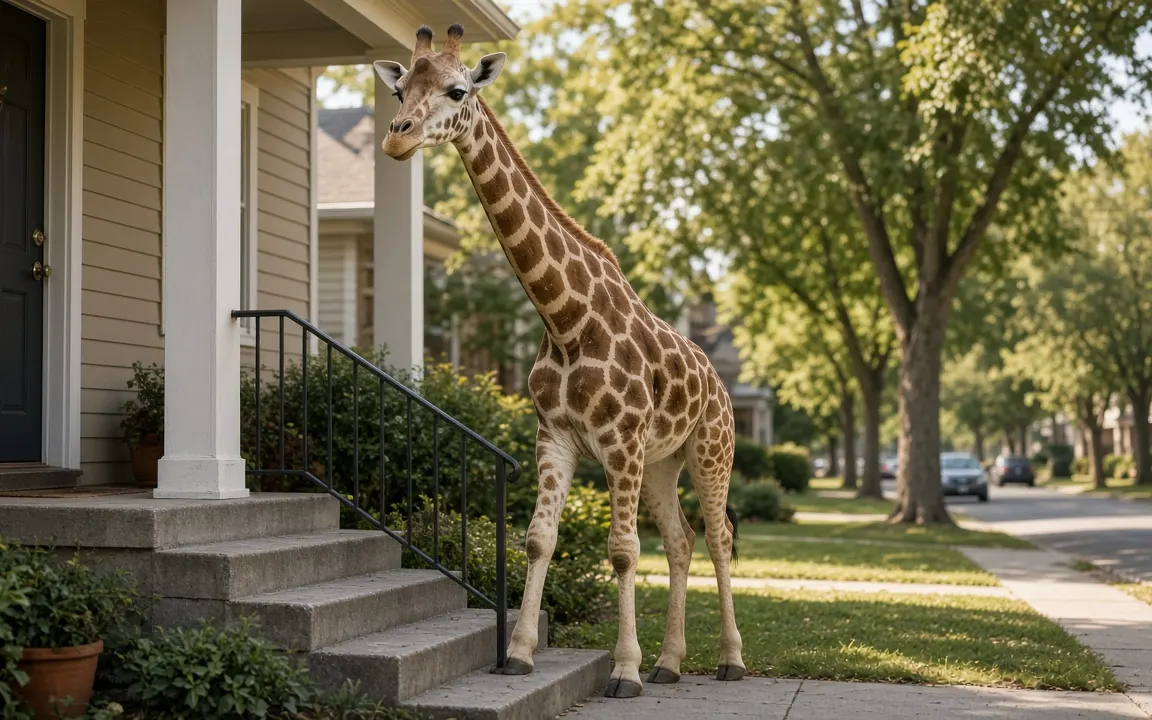
Rio Rancho, New Mexico
What zoo and wildlife aftercare looks like in Rio Rancho
People keeping horses on acreage around Rio Rancho often want something to hold on to, even if cremating the whole animal is too costly: a braid of tail hair, a worn shoe, the halter from the gatepost. Ask for these to be set aside before the animal leaves. If ashes matter, request a price in writing with hauling included, since large-animal prices differ a great deal.
Sand, wind and heat set the terms for large-animal aftercare on the west mesa. A summer death means the body has to be moved within hours, and loose sandy tracks can trap a loaded truck, especially after a monsoon downpour. Ask providers how far they travel from the Albuquerque area, what lifting equipment they carry and whether a tractor on your property would help.
Rio Rancho may have a zoo, an aquarium, a nature center or none of these, but almost every city this size has wildlife rehabilitators, a few sanctuaries or rescues nearby and private keepers of exotic animals. Local pet crematories handle small and mid-size animals well. For anything much heavier than a big dog, the realistic provider may be an equine or large-animal crematory in a larger center such as Albuquerque, or a diagnostic lab that disposes of remains after necropsy.
Rio Rancho is home to about 114,419 people, the 3rd-largest of the 11 New Mexico communities we cover. Albuquerque, roughly 15 miles off, is the closest larger centre, and a share of the providers who cover Rio Rancho run from there.
Our pages for Albuquerque (15 miles, a larger centre), Los Lunas (34 miles) and Santa Fe (51 miles) describe the same choices from those towns' point of view, and the providers overlap, so a quote from one often covers Rio Rancho as well.
70.5%[1]
The NFDA projected New Mexico's cremation rate at 70.5% for 2024.
$600-$1,000[2]
Cremating a 1,000-pound horse was reported to cost about $600-$1,000, depending on location and the price of propane.
3-5% of body weight[3]
Embrace notes cremated remains typically weigh about 3-5% of the pet's original body weight.
If a number here surprises you, the primary material is Embrace Pet Insurance and Extension Horses (eXtension national Cooperative Extension); we only apply it to this.
Local attitudes to cremation and memorials
Because about 70.5%[1] of people in New Mexico choose cremation, pet crematories here face real competition, and many of them will negotiate for regular institutional work. Use that. Ask two or three for a written schedule by weight, a price for communal loads from a rehab center and a firm answer on the largest animal they can take. Some also offer aquamation, a water-based alternative, which is worth asking about if your board cares about emissions.
We take the New Mexico rate from NFDA 2024 Cremation & Burial Report state projections (via Occasional Sage) (2024). It is a human statistic; there is no equivalent pet figure for Rio Rancho, and we would rather show a real number than invent one.
Seasonal risks for remains and transport in Rio Rancho
Rio Rancho gets both extremes: highs near 91°F in July and freezing lows in January, February and December. In summer, the priority is getting a body into cold storage within hours so the necropsy is worth doing. In winter, you have more time, but frozen ground rules out burial and a body left outside can freeze solid, which damages tissue samples. Your protocol needs a summer version and a winter one.
With summer highs near 91°F and freezing lows through January, February and December, teams in Rio Rancho need two phone lists. The summer list has a refrigerated trailer, an early-morning crane operator and the lab's summer submission rules. The winter list has a snowplow contact, a four-wheel-drive vehicle and a heated space for thawing. Most of the rest of the protocol stays the same all year.

How providers near Rio Rancho price large and exotic animals
There's no menu price for cremating a 900 lb bear, so providers around Rio Rancho quote per job: weight, access, distance, after-hours work and paperwork. The closest published benchmark is equine: cremating a 1,000 lb horse has been reported at about $600-$1,000[2]. Small animals sit in ordinary pet-cremation ranges. The table shows published US benchmarks for each route.
The full price table by size is on our New Mexico page, and the services page explains what each option includes.

Free tool
Cremation cost calculator
Estimate a realistic price range for your pet's size, location and the type of cremation.
Disposal, disease and permit rules in New Mexico
Wildlife rehabilitators work under permits that often say what happens to remains, especially for protected birds and mammals. Sanctuaries and zoos may have their own licenses and inspections. Read your permit conditions alongside the general rules for New Mexico below, and keep a copy of both with your aftercare plan.
For New Mexico's rules on burying a pet at home or scattering ashes, see the New Mexico guide. Local rules in Rio Rancho can be stricter than the state's, especially in homeowners' associations and rentals.
The first hours, in order
- Tell the owning institution straight away if the animal was on loan or a breeding agreement. They usually decide what happens to the remains.
- Get the receiving vet's findings in writing if the animal died in transit or at an outside hospital.
- Check the permits under which the animal moved; some require the issuing agency to be told of the death.
- Keep the body cold in place until the owner has confirmed what they want for necropsy and disposal.
- Arrange transport to whichever lab or provider the owner picks, with a separate custody form for every leg.
- Send copies of the necropsy report and certificate to everyone named in the agreement.
Ways Rio Rancho teams mark the loss of an animal
Newer Rio Rancho neighborhoods have no room for large animals, but the city's outer edges and surrounding Sandoval County land still include horse corrals, small ranches and hobby spreads with goats, alpacas and a few cattle. When one of these animals dies, providers will need the property address, whether the road in is paved or dirt, and a rough weight before they can quote.
Every option Rio Rancho families choose between is on the services page, read our guides and latest articles, use the free tools before you ring anyone, or see how other readers answered in our polls. More local pages: Albuquerque, Roswell, Santa Fe and Farmington, the New Mexico overview and every city in the United States.

Reader polls
What would you choose?
Vote anonymously and see how other readers answered. The results are live counts from people who visit this site, so they show real opinions, not a scientific sample.
When a long-time animal dies, what support do the keepers get?
Tap an answer to vote and see how others answered. Anonymous.
How do you keep chain-of-custody records for remains?
Tap an answer to vote and see how others answered. Anonymous.
If you had to decide today, which aftercare would you choose for your pet?
Tap an answer to vote and see how others answered. Anonymous.

Free tools to help you plan
Cremation cost calculator
Estimate a realistic price range for your pet's size, location and the type of cremation.

Livestock mortality planner
Plan disposal capacity and costs for farm losses, from one animal to a herd.

Ashes weight estimator
See roughly how much ash to expect back, by species and body weight.
Questions people ask
Does the Rio Rancho climate change what I should do first?
Only the timing. In July, with highs near 91°F, cool the body and book collection the same day. In January, February and December, when lows sit below freezing, a home burial may have to wait for a thaw, so cremation with ashes returned keeps your options open.
Can a provider from a neighbouring town collect from Rio Rancho?
Usually yes. Albuquerque is about 15 miles away, Los Lunas is about 34 miles away and Santa Fe is about 51 miles away, all inside a normal collection radius. Get the mileage written into the quote so there is no surprise on the day.
Where are the providers that serve Rio Rancho actually based?
Some are local, and some run from Albuquerque, about 15 miles away. That is normal for a city this size. What matters is the collection time they quote for Rio Rancho and whether the drive is priced into the total, so ask both up front.
How do New Mexico attitudes to cremation compare?
NFDA 2024 Cremation & Burial Report state projections (via Occasional Sage) (2024) puts the New Mexico human cremation rate at about 70.5%[1]. We show it on the Rio Rancho page because pet aftercare choices tend to track it: where cremation is normal for people, communal and private pet cremation are both easy to find.
Can a sanctuary compost a large animal instead of cremating it?
Often, where state rules allow it, and it's far cheaper. According to extension guidance, an intact horse-size carcass takes about 9-10 months[5] to compost fully, and the pile must reach high temperatures and be covered deeply enough to keep scavengers out. Some states restrict composting of mammal tissue, so ask your agriculture department first. Composting returns no ashes; many sanctuaries cremate only residents the team wants to keep close.
What if no provider near Rio Rancho can take our largest animal?
Then the choices are travel, a lab or a route without ashes. A university or state diagnostic lab may accept the animal for necropsy and disposal. A distant large-animal crematory may be worth the drive if ashes matter. Where it's legal and practical, on-site burial is another option. Providers serving Albuquerque are also worth asking.


Sources and our estimates
- [1] The NFDA projected New Mexico's cremation rate at 70.5% for 2024. NFDA 2024 Cremation & Burial Report state projections (via Occasional Sage), 2024.
- [2] Cremating a 1,000-pound horse was reported to cost about $600-$1,000, depending on location and the price of propane. Extension Horses (eXtension national Cooperative Extension) - Horse Disposal Options, 2019, 2019.
- [3] Embrace notes cremated remains typically weigh about 3-5% of the pet's original body weight. Embrace Pet Insurance - Bury or Cremate Your Dog? Costs, Pros & Cons, 2025.
- [4] A 1,100 lb horse would be expected to return roughly 38.5 lb of cremated remains (plausible range 33-55 lb). Our estimate: 1,100 lb x 3.5% (range 3%-5%). How we calculate.
- [5] An intact horse carcass takes approximately 9-10 months to compost, and piles should reach at least 130 F. Extension Horses (eXtension national Cooperative Extension) - Horse Disposal Options, 2019, 2019.
Plan aftercare for an animal in your care
Tell us what you need and where you are. We'll reply by email with clear options and prices so you can decide in your own time.