Zoo & Wildlife Cremation in Nevada
Good aftercare for zoo and wildlife animals in Nevada is planned before it's needed. Start with what's realistic locally, then send us the species and weight for written options.
- Necropsy and cold storage handled in the right order
- Capacity checked against your animal's weight
- Written custody terms before anything moves
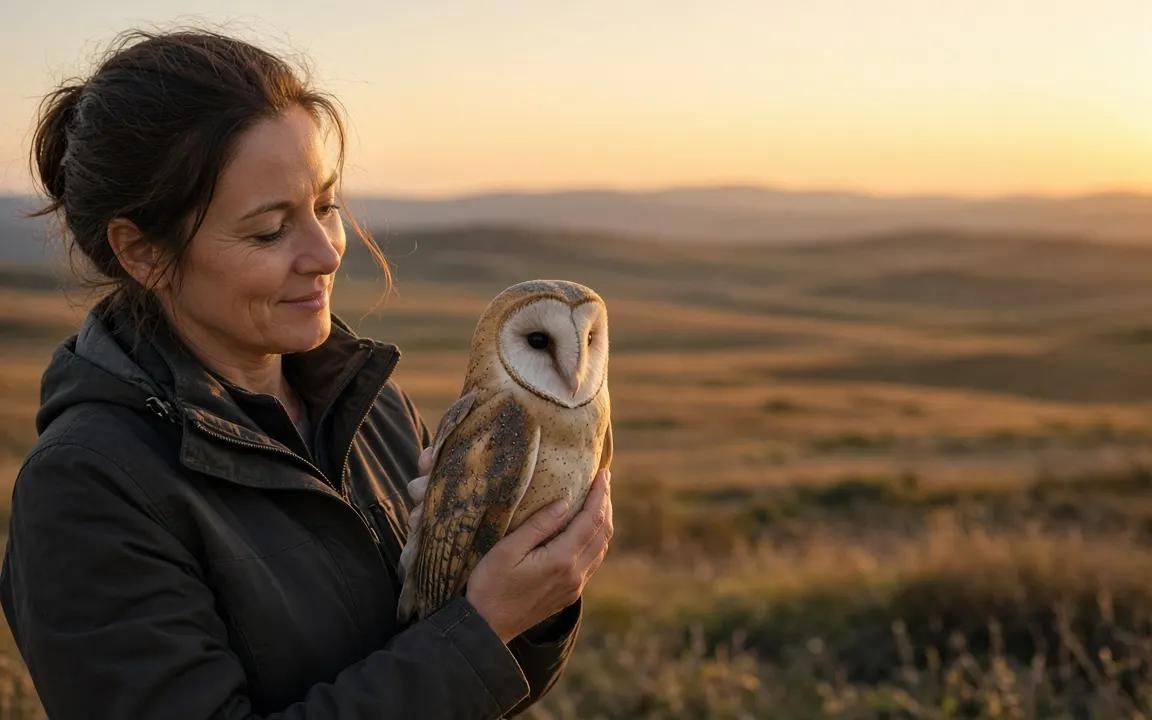
Nevada, the United States
Zoo & Wildlife Cremation in Nevada: what to know
Whether you're in one of the larger centers like Las Vegas, Henderson and North Las Vegas or a rural county, the questions to ask any provider in Nevada are the same: what's your weight limit, can you take the animal intact, how is it identified from pickup to certificate, what's the total in writing and who answers the phone after hours?
Disease rules can decide the route before anyone calls a crematory. In Nevada, as across the country, a bird death during an avian influenza outbreak may need testing, and deer or elk remains from a chronic wasting disease area may not be allowed to leave the area whole. The state veterinarian and wildlife agency set those rules; this page explains how they affect aftercare.
We cover 11 communities in Nevada, from Las Vegas, Henderson and North Las Vegas to smaller towns. Conditions vary a lot across Nevada: summer highs reach about 105°F in Las Vegas, while winter lows average 15°F in Elko. In 56% of the Nevada communities we cover, average lows drop below freezing for three months or more, which matters for home burial.

Every Nevada community we cover
Choose your city or town for local prices, weather and timing, and rules. 11 communities in Nevada, largest first below.
What local funeral customs in Nevada mean for animal aftercare
Cremation is well established in Nevada, where about 80.7%[1] of people are cremated. That broad acceptance helps when a zoo or sanctuary wants to explain its choices to donors and visitors, and it means individual cremation for smaller animals is easy to find. It doesn't settle disease cases, though: when avian influenza or another reportable condition is suspected, the state veterinarian decides the route, not local custom.
We take the Nevada percentage from Direct Cremate (citing CANA) (2024). It refers to people; attitudes to cremating a pet tend to follow it.
Reading an aftercare quote in Nevada
For routine cases, rehabbers and sanctuaries in Nevada usually pay pet-cremation prices, which rise with weight. Larger animals are a different market, and lab routes can be much cheaper per pound: one university diagnostic lab reported tissue digestion at about 25 cents a pound against about 75 cents for incineration [2]. Neither returns ashes unless you arrange it.
If you're choosing between cremation and cheaper routes for a large animal near Nevada, compare like with like. Rendering pickup typically costs $75-$200[3] for a horse-size carcass where a renderer exists, but many refuse euthanized animals. Burial means equipment hire. Cremation costs most but is the only route that reliably returns ashes for a memorial.
| Route | Published figure | What it tells you |
|---|---|---|
| Private cremation, small to mid-size animal | $100 to $500+ | Pet-cremation range; fits birds, reptiles, small mammals |
| Cremation of a 1,000 lb animal | $600-$1,000[4] | Equine benchmark for hoofstock and bears |
| Lab incineration vs tissue digestion | about $0.75 vs $0.25 per lb | Lab routes; no ashes unless arranged |
| Rendering pickup, horse-size carcass | $75-$200[3] | Many plants refuse euthanized animals |
| Backhoe rental for burial | $250-$500[5] | Plus labor and site approval |
| Source | Embrace, extension and lab reports | Excludes transport, lifts and certificates |

Free tool
Cremation cost calculator
Estimate a realistic price range for your pet's size, location and the type of cremation.
What Nevada regulates, and who to call
Public health officials can have a say too. When a rabies-vector species dies after contact with people, or a zoonotic disease is suspected, the local health department may need the body before any aftercare happens. Wildlife and agriculture rules for Nevada are summarized below; add your health department's number to your protocol alongside them.
- Burial at home: Confirm the rule for the actual parcel and proposed burial with the local authority and property owner.
- Scattering ashes: Ask the exact land manager about scattering before making arrangements; a general gathering permission is a separate matter.
- Who oversees it: the authority responsible for the specific activity and location; this guide does not identify a universal permit or licensing rule
- Worth knowing: Record the service method, release authority, identification and return instructions in writing.
A city's population does not establish which aftercare activities are allowed at an address. Check the actual site and activity before proceeding.
County and city offices set many of the local rules. To find yours, start with the official Nevada local government directory.
The first hours, in order
- Decide early whether ashes matter with this animal. Everything downstream, including the cost, follows from that one decision.
- Call the vet to confirm death or arrange euthanasia, and ask which drugs will be used, because that affects burial and rendering.
- Check the provider's capacity for an animal of this weight, and ask if they're able to accept it whole.
- Plan the lift: which equipment, gate widths, the state of the ground and who'll operate it.
- Arrange cold storage or same-day transport, especially in hot weather.
- Agree the price in writing, listing transport, equipment and certificate as separate lines.
- Tell the volunteers and staff first; nothing goes public until they've heard.
Honoring an animal in Nevada
Anniversaries matter. Many institutions mark the date an animal died with a note to staff, a social media post or a small gathering at the habitat. It's a gentle way to acknowledge grief that often goes unspoken in animal care work.
The services page compares what each option includes, the planning tools turn your animal's details into figures, and the poll results show what other families chose. All locations lists every region we cover.

Reader polls
What would you choose?
Vote anonymously and see how other readers answered. The results are live counts from people who visit this site, so they show real opinions, not a scientific sample.
How does your organization arrange aftercare today?
Tap an answer to vote and see how others answered. Anonymous.
For your largest animals, what's the hardest part of aftercare?
Tap an answer to vote and see how others answered. Anonymous.
If you had to decide today, which aftercare would you choose for your pet?
Tap an answer to vote and see how others answered. Anonymous.

Free tools to help you plan
Cremation cost calculator
Estimate a realistic price range for your pet's size, location and the type of cremation.

Livestock mortality planner
Plan disposal capacity and costs for farm losses, from one animal to a herd.

Ashes weight estimator
See roughly how much ash to expect back, by species and body weight.
Questions people ask
What happens to eagles and other protected birds that die in rehab in Nevada?
Federal permit conditions usually apply. Bald and golden eagle remains are generally sent to the US Fish and Wildlife Service's National Eagle Repository rather than cremated, and other migratory birds must be handled as your permit specifies. Check your permit, log each death and ask your state wildlife agency if you're unsure.
What should we do after a death in the heat?
Get the body into a cooler or refrigerated trailer within hours, especially for a large animal, which holds heat internally. In hot parts of Nevada, such as Las Vegas where summer highs average about 105°F, schedule lifts and transport for early morning.
How much does zoo and wildlife cremation cost in Nevada?
Small animals are priced like household pets, rising with weight. Larger animals are quoted per job based on weight, access, distance and after-hours work. Lab routes such as tissue digestion can cost less per pound but don't return ashes unless arranged. Ask every provider for an itemized written total.
Can remains cross state lines from Nevada?
Usually, but not always. Chronic wasting disease rules restrict whole deer and elk carcasses, disease outbreaks can add testing or permit steps for birds and protected species may need documentation to travel. Check with the state veterinarian or wildlife agency first.
Do institutions in Nevada use standing contracts for aftercare?
Many do. A standing arrangement agrees weight-band pricing, capacity limits, after-hours response and custody paperwork before a death happens. Institutions with frequent small losses and occasional large ones often keep two agreements: one local and one with large-animal capacity.
How do winters in Nevada affect aftercare?
In the colder parts of Nevada, frozen ground can rule out burial for months and snow can block heavy vehicles. In Elko, one of the coldest places we cover, winter lows average about 15°F. Keep a cremation or lab fallback and don't freeze a body before necropsy unless the vet agrees.

Sources and our estimates
- [1] Nevada had a 80.7% cremation rate in 2024, among the highest in the US. Direct Cremate (citing CANA), 2024.
- [2] A biodigester at the Wisconsin Veterinary Diagnostic Laboratory cost $900,000 and processes carcasses for about 25 cents per pound, versus about 75 cents per pound for incinerators. Extension Horses (eXtension national Cooperative Extension) - Horse Disposal Options, 2019, 2019.
- [3] Rendering companies typically charge a pickup fee of $75-$200 to remove a horse carcass, depending on location. Extension Horses (eXtension national Cooperative Extension) - Horse Disposal Options, 2019, 2019.
- [4] Cremating a 1,000-pound horse was reported to cost about $600-$1,000, depending on location and the price of propane. Extension Horses (eXtension national Cooperative Extension) - Horse Disposal Options, 2019, 2019.
- [5] Renting a backhoe to bury a horse costs roughly $250-$500, and horse disposal in a landfill (where accepted) costs about $80-$150. Extension Horses (eXtension national Cooperative Extension) - Horse Disposal Options, 2019, 2019.
- [6] At an average rate of 250 lb per hour, the burn phase for a 1,100 lb horse would take at least about 4.4 hours, not counting preheating and cool-down. Our estimate: 1,100 lb / 250 lb per hour. How we calculate.
Request written aftercare options by email
Tell us what you need and where you are. We'll reply by email with clear options and prices so you can decide in your own time.