Loading
Back to United States
🇺🇸 Hawaii · 4 city guides
Zoo/Wildlife Cremation inHawaii.
Educational zoo/wildlife cremation and aftercare guidance for Hawaii — how to compare options around Honolulu and 4 published city guides, plus regional logistics and a regulations overview.
Hawaii, United States families researching zoo/wildlife cremation and aftercare should treat every facility claim as something to verify. This hub explains how to compare service types, what logistics usually cost extra near Honolulu, and which questions to ask before pickup.
Zoo and wildlife aftercare involves institutional paperwork, species rules, and chain-of-custody expectations beyond companion-pet norms. Regional guides stress documentation and facility capability.
Oahu has the densest provider network; neighbor islands should plan for inter-island transport logistics and potential airline delays.
Zoo & Wildlife Cremation Services is an educational resource and guidance request form — not a cremation facility and not a verified provider directory. We do not publish a vetted list of local providers in Hawaii. We help you understand options, compare service types, and prepare questions to ask any provider you contact.
Brand Focus
Zoo/Wildlife-specific notes for Hawaii
Institutions should confirm the receiving facility’s capacity, biosecurity, and documentation standards before transport.
Public or permitted wildlife may have disposition rules that companion-pet clinics do not handle — verify legally before moving remains.
Witnessed or research-hold requests need scheduling in writing.
Regulatory check: Verify CITES, USFWS, or other regulatory requirements based on species classification with the facility and your compliance team.
Decision Protocol
Can an institution document custody, permits, biosecurity, research holds, and disposition?
Zoo, sanctuary, rehabilitation, aquarium, museum, and wildlife cases near this location require an institutional chain—not a consumer pet form. Authority, permits, biohazards, specimen holds, secure transport, capacity, and reporting must be defined.
- 1Identify the authorized representative and legal status
- 2Clear necropsy, research, museum, donor, and conservation requirements
- 3Document secure transport, biosecurity, capacity, custody, and contingencies
- 4Define disposition, retained specimens, certificates, memorials, and record retention
Evidence to request
- institutional authorization
- permit review
- custody log
- biosecurity plan
- capacity confirmation
Reasons to pause
- consumer pet intake form
- no permit or research-hold review
- partner transfers omitted from custody
Correct specialist handoff: Use Livestock Cremation for commercial agricultural operations; keep institutional wildlife cases here.
Cities & Towns
City guides inHawaii.
Compare Options
How to compare providers in Hawaii
Because oversight can be light, the burden is on you to vet zoo/wildlife aftercare in Hawaii.
- Compare private vs communal vs witnessed options, not just the headline price.
- Ask whether the facility is open for a tour before you commit.
- Require a written, itemized estimate that separates urns and keepsakes from the cremation fee.
- Ask who performs the cremation if your veterinarian is only the referral point.
- Prefer facilities experienced with institutional clients.
- Align internal compliance needs with the provider’s paperwork before pickup.
- Ask whether “serving Hawaii” means an in-region crematory or longer transport from Honolulu.
- Require chain-of-custody detail for private cremation — tags, logs, or equivalent.
- Walk away from pressure tactics; clear written answers are a better signal than urgency.
Regulations
Pet aftercare rules overview in Hawaii
Pet aftercare oversight in Hawaii follows the broader U.S. pattern: lighter than human funeral regulation, with important local variation. Beach and coastal scattering is frequently regulated — obtain permission rather than assuming public shoreline is allowed.
Most families in Hawaii should expect to sign a cremation authorization, insist on clear private-versus-communal labeling, and ask how identification is handled from pickup through ash return.
Oahu has the densest provider network; neighbor islands should plan for inter-island transport logistics and potential airline delays.
This is not legal advice. For Hawaii-specific questions, contact the state veterinary board, department of agriculture, or consumer affairs office — and confirm practices with any facility you use.
Logistics
Logistics in Hawaii
Coastal metros have denser options; island and remote communities (including Alaska and Hawaii) may face shipping delays for ashes or memorial products in Hawaii.
Ask about airline or courier rules if remains or keepsakes must travel between islands or out of state in Hawaii.
Wildfire and landslide seasons can interrupt ground transport — ask about contingency routing in Hawaii.
City guides currently published for Hawaii: Honolulu, Hilo, Kailua, Lahaina. Each city page adds local context; none of them are a verified provider list.
Institutions should confirm the receiving facility’s capacity, biosecurity, and documentation standards before transport. (Relevant across Hawaii.)
Public or permitted wildlife may have disposition rules that companion-pet clinics do not handle — verify legally before moving remains. (Relevant across Hawaii.)
Cost Factors
Pricing factors around Honolulu and Hawaii
Institutional pricing is often contractual. Ask for service-level detail, not consumer package names.
Transport and documentation can dominate cost for large mammals or remote facilities.
U.S. pricing varies more by pet size, private vs communal selection, and transport miles than by brand names online.
Educational context many zoo/wildlife families use: Contract pricing — contact for institutional rates. Transport beyond Honolulu can move your number more than the cremation line item.
Timeline
First steps in Hawaii
A steady sequence for families near Honolulu and across Hawaii.
- 1
Stabilize and decide urgency
If your zoo/wildlife has just passed, arrange cool, respectful holding and call a veterinarian or facility the same day when possible — especially in warm climates near Hawaii.
- 2
Choose service type in writing
Private, communal, and witnessed paths are different products. Authorize only after the service type, ash-return expectation, and price are written down.
- 3
Confirm logistics
Ask where cremation happens relative to Hawaii, who transports, after-hours fees, and the stated ash-return window.
- 4
Receive ashes and memorial next steps
Inspect seals and labels on return. Only then finalize urn, jewelry, or ceremony plans that depend on ashes being in hand.
What to Ask
What to ask in Hawaii
Use these on every call about zoo/wildlife aftercare in Hawaii.
- Do you cremate zoo/wildlifes on-site in or near Hawaii, or transport to another facility?
- What identification and tracking system do you use from pickup through ash return?
- Can I tour the facility or see the process area before I commit?
- Will you provide a written, all-inclusive estimate that separates urns and keepsakes?
- What is your typical turnaround from pickup to ash return for my pet’s size?
- Do you offer witnessed cremation, and how is the viewing arranged?
- What after-hours, weekend, or emergency pickup options exist here?
- How do you handle errors or chain-of-custody concerns if something goes wrong?
- What chain-of-custody documentation do you provide for institutional clients?
- Are there species you cannot accept?
- What is the turnaround for tagged individual return of ashes?
Next Steps
Next steps in Hawaii
- Call your veterinarian or a facility you choose that serves Hawaii, and run the checklist questions on this page.
- Get a written estimate that separates pickup, cremation, and memorial product fees.
- Open the city guide closest to you for local logistics notes — still not a verified directory.
- Use our guidance form if you want help thinking through options; we will not claim a vetted provider roster.
Common questions about Hawaii.
Does Zoo & Wildlife Cremation Services list verified zoo/wildlife cremation providers in Hawaii?
+
No. Zoo & Wildlife Cremation Services is an educational resource and guidance request form — not a cremation facility and not a verified provider directory. We do not publish a vetted list of local providers in Hawaii. We help you understand options, compare service types, and prepare questions to ask any provider you contact. Use veterinarians, local search, and the checklist on this page.
Is aftercare different in Honolulu than elsewhere in Hawaii?
+
Often in logistics, not in the basic service types. Larger metros usually have shorter transport and more witnessed-cremation availability; rural areas may rely on clinic partners and longer hauls.
What should I do first in Hawaii?
+
Call your veterinarian or a facility you choose, ask the questions on this page, and get a written estimate. You may also request guidance through our form — still without a promise of a vetted local network.
How should zoo/wildlife families in Hawaii read this hub?
+
Zoo and wildlife aftercare involves institutional paperwork, species rules, and chain-of-custody expectations beyond companion-pet norms. Regional guides stress documentation and facility capability.
The right provider in Hawaii is usually the one who answers clearly and in writing — not necessarily the closest listing. Zoo & Wildlife Cremation Services helps you prepare; you confirm the details.
Quiet references while you browse this region
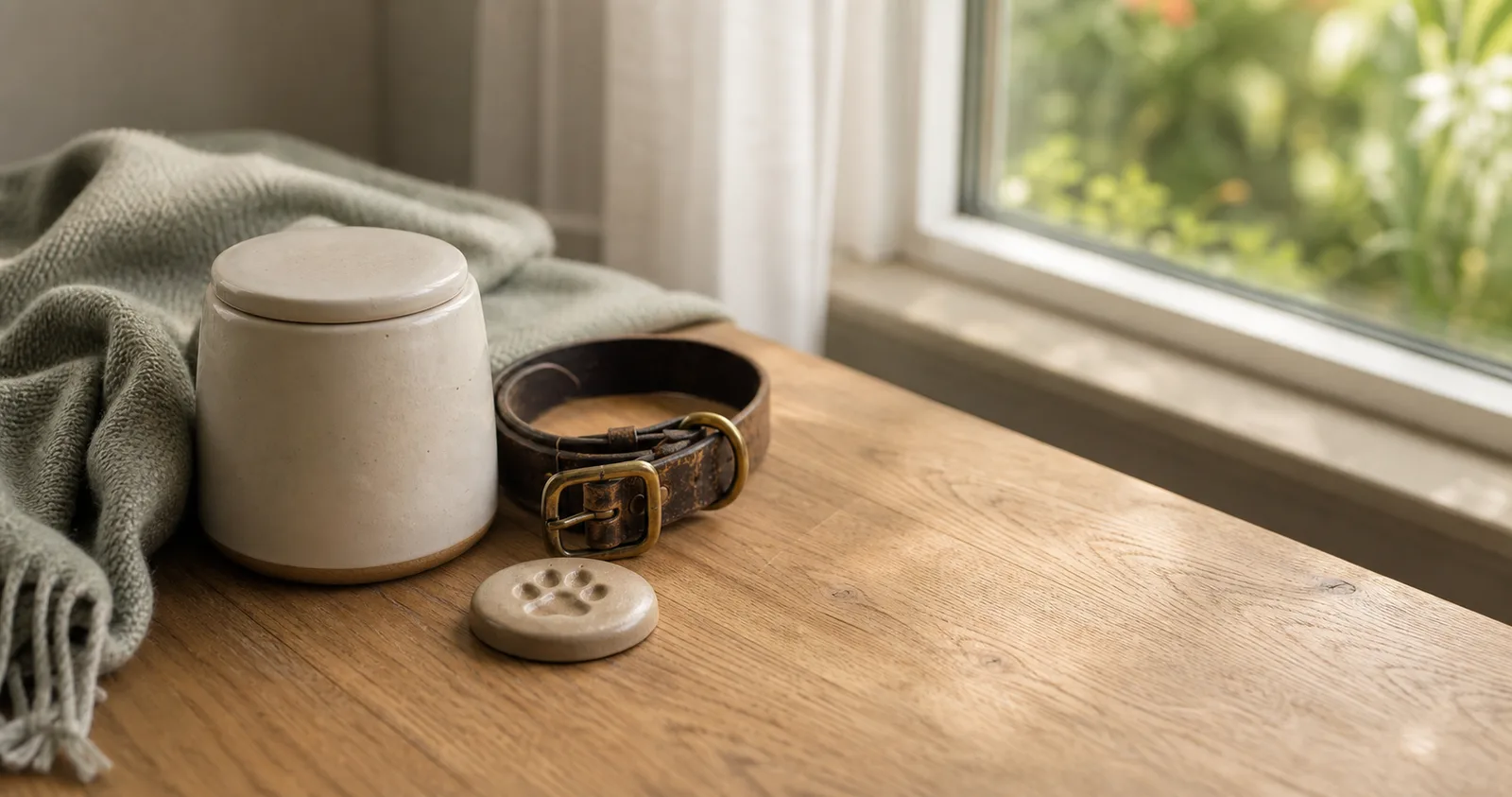
Educational atmosphere photography — not a local facility directory.
Visual Guide

Planning context
Original editorial context for planning context; not a provider, facility, customer, or service result.
AI-created editorial image for education; not a photographed provider, facility, customer, or service result.
Options to compare
Original editorial context for options to compare; not a provider, facility, customer, or service result.
AI-created editorial image for education; not a photographed provider, facility, customer, or service result.
Questions to ask
Original editorial context for questions to ask; not a provider, facility, customer, or service result.
AI-created editorial image for education; not a photographed provider, facility, customer, or service result.
Memorial considerations
Original editorial context for memorial considerations; not a provider, facility, customer, or service result.
AI-created editorial image for education; not a photographed provider, facility, customer, or service result.
Original visual guide
Decision brief
Zoo/Wildlife aftercare — regional orientation
Narrated brand film for aftercare planning. Unmute for voice.
Compare the available paths
Ask for written evidence
Choose the next specialist
Read the guide
AI-created editorial image for education; not a photographed provider, facility, customer, or service result.
Original AI-created editorial imagery. Illustrative only — not a provider, facility, customer, inventory item, or service result.
Zoos · Sanctuaries · Rehab
Institutional aftercarewithout household pet clutter.
Educational directory framing for facility teams. Providers set capabilities, coverage, and contract terms.
B2B framing•Documentation prompts•No fake certifications
“
We needed custody language and capacity questions — not a rainbow-bridge homepage.
Z
Planning note
sanctuary operations