Zoo and wildlife cremation in Miami Gardens
Most aftercare providers in Miami Gardens are set up for dogs and cats. We help zoo vets, curators, rehabbers and private keepers find the ones that can handle their species, size and paperwork.
- Options for rehabbers, sanctuaries and private keepers
- Biosecurity rules flagged before transport
- Per-job quotes you can put in front of finance
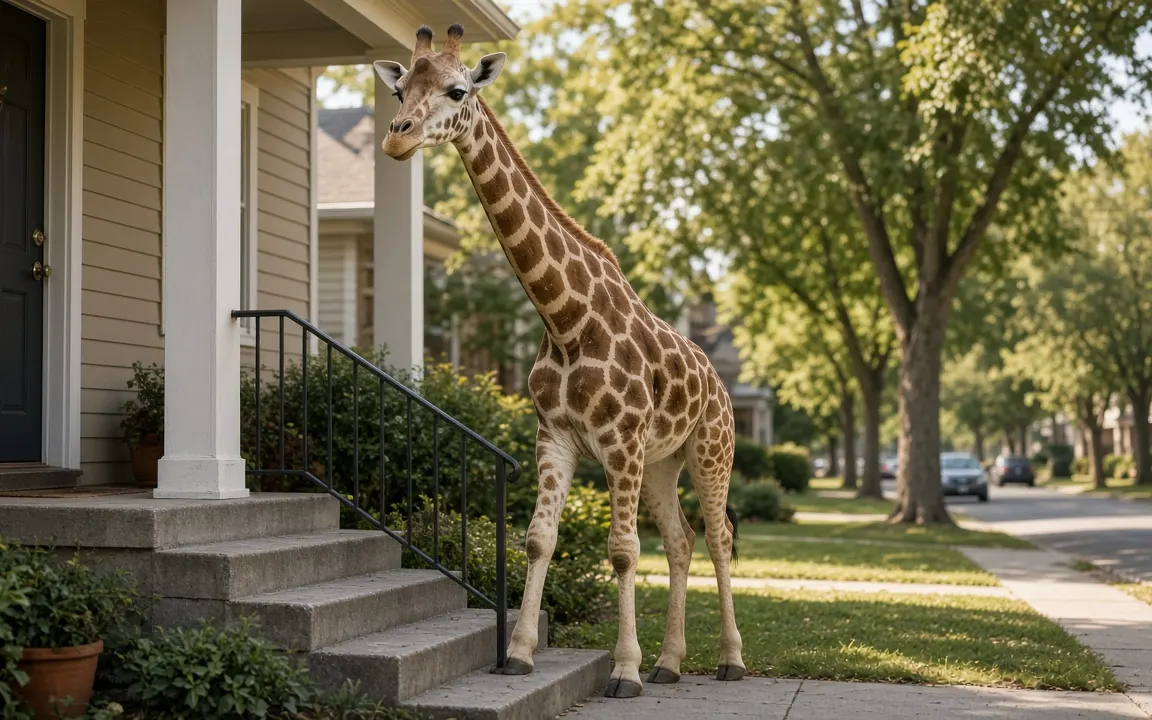
Miami Gardens, Florida
Zoo, rehab and sanctuary aftercare options near Miami Gardens
Miami Gardens is almost wholly residential, and large animals within its limits are rare beyond the odd backyard goat or flock of hens where rules permit. Families here who own horses or livestock usually keep them twenty to forty minutes away, in the ranch-zoned streets of Southwest Ranches and Davie in Broward, or among the nurseries and small farms of the Redland in south Miami-Dade. Give providers that farm's address, gate details and footing.
Large-animal owners from Miami Gardens are a small but real group: riders boarding a horse in western Broward, families raising goats or chickens on a relative's land, and a few who keep a retired horse at a farm in the Redland. Getting a horse's ashes back after its own cremation costs many times what removal does. Ask each provider to spell out the trip, the cremation and any return charge separately.
Necropsy access from Miami Gardens usually means a state or university diagnostic lab, which may be some distance away. Before you need it, find out which lab serves your area, whether they accept intact large animals or only samples, how they want submissions packed and chilled and whether they'll release remains to a crematory afterwards. If the answer to that last question is no, and ashes matter to your team, you may need a local vet to take samples and send the body directly to cremation.
About 113,579 people live in Miami Gardens, which makes it the 21st-largest of the 235 Florida communities we cover. Some of the providers who serve Miami Gardens are based about 7 miles away in Hialeah, the nearest larger centre, so collection times reflect that drive.
Nearby, we also have local pages for Miramar (5 miles), North Miami Beach (5 miles) and Pembroke Pines (5 miles), which can help if your vet or the provider you prefer is based there.
72.5%[1]
The NFDA projected Florida's cremation rate at 72.5% for 2024.
$600-$1,000[2]
Cremating a 1,000-pound horse was reported to cost about $600-$1,000, depending on location and the price of propane.
3-5% of body weight[3]
Embrace notes cremated remains typically weigh about 3-5% of the pet's original body weight.
The published sources behind those figures are Extension Horses (eXtension national Cooperative Extension) and Embrace Pet Insurance.
Burial and cremation habits in Florida
Cremation is the norm in Florida: about 72.5%[1] of people who die there are cremated. That familiarity shows up in the pet trade too, with plenty of crematories for small and mid-size animals and staff who are used to confirming individual cremation in writing. It says nothing, though, about large-animal capacity. Even where cremation is this common, chambers big enough for hoofstock or large carnivores are few, so always ask about weight limits directly.
We take the Florida rate from NFDA 2024 Cremation & Burial Report state projections (via Occasional Sage) (2024). It is a human statistic; there is no equivalent pet figure for Miami Gardens, and we would rather show a real number than invent one.
Seasonal risks for remains and transport in Miami Gardens
The people doing the lifting in Miami Gardens's summer need protecting too. Keepers moving a heavy animal in August heat are at risk of exhaustion, and flies and fluids raise the chance of zoonotic infection. Build rest breaks, water, gloves, eye protection and a disinfectant station into the summer version of your protocol. A two-person job in April may need four people in July.
Big bodies hold heat. A 900 lb animal that dies on a 91°F afternoon stays warm inside for many hours even in the shade, so hosing or covering it with ice buys less time than people expect. In Miami Gardens's hottest months, the realistic plan is fast transport to cold storage or directly to the lab. Agree with your pathologist in advance how long they'll accept a delay in summer.

Per-job pricing for Miami Gardens institutions and keepers
Standing arrangements usually beat one-off calls on price. Institutions around Miami Gardens with frequent small losses often negotiate a fixed price per weight band and per-job pricing above a set weight. The benchmarks below give you a starting point for that conversation; the final schedule depends on your volume and the provider's equipment.
We keep the detailed Florida price table on one page so it stays current: see Florida prices.

Free tool
Cremation cost calculator
Estimate a realistic price range for your pet's size, location and the type of cremation.
Permits, disease reporting and disposal law in Florida
Moving remains on public roads is regulated more than people realize. Most places expect a covered, leak-proof vehicle and, for disease cases, a direct route with no stops. Some movements need a permit or a veterinary declaration, especially near disease control zones. The usual position in Florida is summarized below; your vet or animal health office can confirm the details.
Florida keeps an official directory of local governments; use it to reach the county or city office that covers Miami Gardens.
Home burial and scattering are governed at the Florida level first; our Florida rules summary has the detail. Then check whether Miami Gardens or your HOA adds anything.
A practical sequence for keepers, vets and rehabbers
- Separate and bag the body and assign an intake number, using gloves and protective gear whenever disease can't be ruled out.
- Check whether the species needs reporting or testing, especially birds during avian influenza outbreaks, rabies-vector mammals and cervids near chronic wasting disease areas.
- Chill or freeze routine cases using a labeled freezer kept only for this, well clear of food and patient spaces.
- Log the disposition against your permit records, including species, date and route.
- Send routine cases on your scheduled pickup, communal unless someone asked for individual cremation.
- Flag special cases, such as a long-term education animal or a protected species, so they get individual handling and a certificate.
Ways Miami Gardens teams mark the loss of an animal
Afternoon downpours from late spring into fall leave South Florida pastures waterlogged and farm lanes rutted, and a heavy truck may not reach a paddock until it drains. With highs near 91F, a horse's or cow's body cannot safely wait, so collection within hours to a day is the aim. A hurricane can halt every service for days, which is why owners of an aging animal plan before the season opens.
the planning tools turn your pet's details into figures, or compare your instinct with the poll results, there are guides for the big decisions and articles for the details, See what each option includes on our services page. You can also browse every city in the United States. Nearby, we also cover St. Petersburg, Orlando, Tampa and Miami, and every city in Florida.

Reader polls
What would you choose?
Vote anonymously and see how other readers answered. The results are live counts from people who visit this site, so they show real opinions, not a scientific sample.
How does your organization arrange aftercare today?
Tap an answer to vote and see how others answered. Anonymous.
For your largest animals, what's the hardest part of aftercare?
Tap an answer to vote and see how others answered. Anonymous.
If you had to decide today, which aftercare would you choose for your pet?
Tap an answer to vote and see how others answered. Anonymous.

Free tools to help you plan
Cremation cost calculator
Estimate a realistic price range for your pet's size, location and the type of cremation.

Livestock mortality planner
Plan disposal capacity and costs for farm losses, from one animal to a herd.

Ashes weight estimator
See roughly how much ash to expect back, by species and body weight.
Questions people ask
When is the hardest time of year to arrange a burial in Miami Gardens?
There is no frozen-ground season here; average lows stay above freezing all year. The other pressure point is August, when highs around 91°F mean a body needs cooling and collecting quickly.
Will I have to travel to Hialeah to arrange things?
Not usually. Providers based in Hialeah (roughly 7 miles from Miami Gardens) collect from here as a matter of routine, and the paperwork is done by email or phone. If you want to be present for a witnessed cremation, that is when the drive matters.
Is cremation common in Florida?
For people, yes: about 72.5%[1] of Florida deaths end in cremation, according to NFDA 2024 Cremation & Burial Report state projections (via Occasional Sage) (2024). Nobody publishes the same figure for pets, but in our experience pet choices in Miami Gardens follow the human pattern closely, so cremation is the default most families here start from.
Can a provider from a neighbouring town collect from Miami Gardens?
Usually yes. Miramar is about 5 miles away, North Miami Beach is about 5 miles away and Pembroke Pines is about 5 miles away, all inside a normal collection radius. Get the mileage written into the quote so there is no surprise on the day.
Do we need permission to cremate a protected species?
Cremation itself isn't usually the issue; the permit is. Protected birds, marine mammals and endangered species often come with conditions about what happens to remains, and some must be offered to researchers or returned to the agency. Your compliance lead owns those permits. Ask the provider for a certificate that matches the permit record.
How long does it take to cremate a very large animal?
Much longer than a pet. Large-animal chambers burn at around 250 lb/hour[5], so by our estimate a horse-size body of 1,100 lb needs at least 4.4 hours[6] of burn time alone, before preheating and cooling. Add collection, any necropsy and processing, and ashes usually return in days to a few weeks. Ask the provider for a realistic date in writing.


Sources and our estimates
- [1] The NFDA projected Florida's cremation rate at 72.5% for 2024. NFDA 2024 Cremation & Burial Report state projections (via Occasional Sage), 2024.
- [2] Cremating a 1,000-pound horse was reported to cost about $600-$1,000, depending on location and the price of propane. Extension Horses (eXtension national Cooperative Extension) - Horse Disposal Options, 2019, 2019.
- [3] Embrace notes cremated remains typically weigh about 3-5% of the pet's original body weight. Embrace Pet Insurance - Bury or Cremate Your Dog? Costs, Pros & Cons, 2025.
- [4] Midpoint horse cremation cost works out to about $0.80 per pound of body weight, versus about $0.14 per pound for rendering pickup and $0.23 per pound for on-farm composting. Our estimate: cremation $800 / 1,000 lb; rendering $137.50 / 1,000 lb; composting $275 / 1,200 lb. How we calculate.
- [5] A commercial pet crematory rated for 1,000 lb loads cremates at an average of about 250 lb per hour (manufacturer specification). B&L Cremation Systems (manufacturer) - BLP-1000 Pet Crematory specifications.
- [6] At an average rate of 250 lb per hour, the burn phase for a 1,100 lb horse would take at least about 4.4 hours, not counting preheating and cool-down. Our estimate: 1,100 lb / 250 lb per hour. How we calculate.
Tell us the species, weight and location
Tell us what you need and where you are. We'll reply by email with clear options and prices so you can decide in your own time.