When an animal in your care dies in Santa Maria: zoo and wildlife aftercare
Whether you run a collection, a rehab center or a sanctuary in Santa Maria, the order is the same: vet or pathologist first, cold storage second, cremation third. Here's how that works locally and what it costs.
- Options for rehabbers, sanctuaries and private keepers
- Biosecurity rules flagged before transport
- Per-job quotes you can put in front of finance
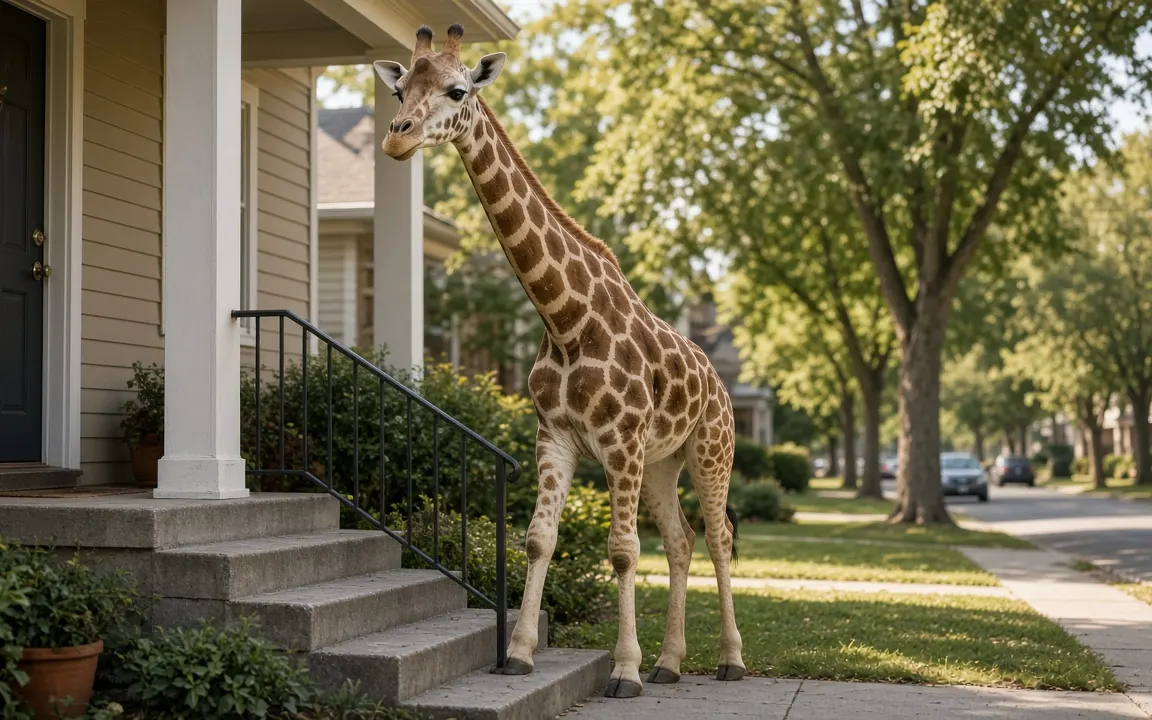
Santa Maria, California
Arranging aftercare for exotic and wild animals in Santa Maria
Ranch families around Santa Maria have long ways of marking a working animal's life: a brand, a bell or a worn saddle kept in the barn. Even when individual cremation of a horse or steer is not realistic, a lock of mane or tail, a hoof print, a shoe or an ear tag can be saved before collection. Some people bury a small keepsake under an oak on the property instead.
The valley's cool summers are a quiet advantage when a large animal dies: a body can wait a little longer than it would in the Central Valley heat. Wind is the bigger nuisance, so weigh down any tarp you use to cover the animal. Keep herd mates away, note where the ground is soft from irrigation, and arrange collection the same day or the next morning.
Nature centers, college biology programs and educational animal collections in and around Santa Maria tend to have small, long-lived animals: owls, hawks, snakes, turtles, a fox or two. They're often known to local schoolchildren by name. Aftercare is usually simple in scale but careful in records, especially for animals held under a wildlife or education permit. Keep the permit number, the animal's ID and the disposition in one file, and ask the provider for a certificate that uses the same ID.
Santa Maria is home to about 111,390 people, the 57th-largest of the 307 California communities we cover.
Nearby, we also have local pages for Arroyo Grande (15 miles), San Luis Obispo (26 miles) and Atascadero (41 miles), which can help if your vet or the provider you prefer is based there.
70.5%[1]
The NFDA projected California's cremation rate at 70.5% for 2024.
$600-$1,000[2]
Cremating a 1,000-pound horse was reported to cost about $600-$1,000, depending on location and the price of propane.
3-5% of body weight[3]
Embrace notes cremated remains typically weigh about 3-5% of the pet's original body weight.
Where these figures come from: Embrace Pet Insurance and Extension Horses (eXtension national Cooperative Extension).
What local funeral customs in California mean for animal aftercare
Because about 70.5%[1] of people in California choose cremation, pet crematories here face real competition, and many of them will negotiate for regular institutional work. Use that. Ask two or three for a written schedule by weight, a price for communal loads from a rehab center and a firm answer on the largest animal they can take. Some also offer aquamation, a water-based alternative, which is worth asking about if your board cares about emissions.
The California figure comes from NFDA 2024 Cremation & Burial Report state projections (via Occasional Sage) (2024). It describes people, not pets, so read it as a sign of local attitudes rather than a pet statistic.
Heat, cold and necropsy timing in Santa Maria
Seasons change the workload as much as the logistics. Hot spells raise deaths among birds and older animals, migration seasons can bring disease into rehab intake, and wet or frozen ground limits burial. Review your protocol with your vet once a year so it fits the months ahead.

Price benchmarks for a quote in Santa Maria
Weight drives price more than species. By our estimate, cremation at typical horse prices works out to about $0.80/lb[4] of body weight, against roughly 14 cents a pound for rendering pickup. That makes the cremation cost calculator a useful first check for a bear, a camel or a big tortoise. Quotes in Santa Maria will still add transport, handling and any lab fees.
For a line-by-line price table, see the California overview; for what's included in each option, see our services.

Free tool
Cremation cost calculator
Estimate a realistic price range for your pet's size, location and the type of cremation.
Permits, disease reporting and disposal law in California
For zoo and wildlife animals, rules come from several directions at once: disposal deadlines written for livestock, disease rules that follow outbreaks rather than borders, wildlife permits and, for accredited institutions, their own standards. The notes below cover what usually applies in California. Species under federal or international protection add their own conditions, which your compliance lead should own.
California keeps an official directory of local governments; use it to reach the county or city office that covers Santa Maria.
For California's rules on burying a pet at home or scattering ashes, see the California guide. Local rules in Santa Maria can be stricter than the state's, especially in homeowners' associations and rentals.
From enclosure to certificate, step by step
- Activate the written protocol and name one coordinator for the day.
- Confirm with the pathologist where and when the necropsy will happen, and how the remains will be released afterwards.
- Move the body out of public view by the agreed route, ideally before opening hours.
- Record each hand-off from enclosure to cooler to lab to crematory, with times and signatures.
- Brief the communications lead with what can be said now and what waits for results.
- Plan the staff gathering and let the keepers decide how they want the animal remembered.
- Review the case afterwards and update the protocol while it's fresh.
Remembering animals the keepers and public loved
Santa Maria is farm and ranch country as much as a city. Cattle graze the hills toward Sisquoc and the Cuyama road, horses are kept on properties around Orcutt and the valley edges, and 4-H families raise sheep, goats and pigs for the county fair. Because the valley is some distance from the bigger cities, ask early how far a large-animal collection truck will travel and how access to your gate and pasture looks.
run the numbers with the free planning tools, or compare your instinct with the poll results, there are guides for the big decisions and articles for the details, The services page is the place to compare what is included. You can also browse every city in the United States. Nearby, we also cover San Diego, Los Angeles, Fresno and San Jose, and every city in California.

Reader polls
What would you choose?
Vote anonymously and see how other readers answered. The results are live counts from people who visit this site, so they show real opinions, not a scientific sample.
How do you keep chain-of-custody records for remains?
Tap an answer to vote and see how others answered. Anonymous.
After a death in your collection, how often is there a necropsy before aftercare?
Tap an answer to vote and see how others answered. Anonymous.
If you had to decide today, which aftercare would you choose for your pet?
Tap an answer to vote and see how others answered. Anonymous.

Free tools to help you plan
Cremation cost calculator
Estimate a realistic price range for your pet's size, location and the type of cremation.

Livestock mortality planner
Plan disposal capacity and costs for farm losses, from one animal to a herd.

Ashes weight estimator
See roughly how much ash to expect back, by species and body weight.
Questions people ask
Can a provider from a neighbouring town collect from Santa Maria?
Usually yes. Arroyo Grande is about 15 miles away, San Luis Obispo is about 26 miles away and Atascadero is about 41 miles away, all inside a normal collection radius. Get the mileage written into the quote so there is no surprise on the day.
Is cremation common in California?
For people, yes: about 70.5%[1] of California deaths end in cremation, according to NFDA 2024 Cremation & Burial Report state projections (via Occasional Sage) (2024). Nobody publishes the same figure for pets, but in our experience pet choices in Santa Maria follow the human pattern closely, so cremation is the default most families here start from.
What do we do with a bird that may have had avian influenza?
Don't send it to a crematory yet. Bag it, keep it chilled and separate from other remains, wear protective equipment and call your state wildlife agency or animal health office. Wild bird surveillance in the US logged 15,542 detections[6] of H5 avian influenza from late 2021 to 2025, so agencies have clear testing and disposal routes.
Can a sanctuary compost a large animal instead of cremating it?
Often, where state rules allow it, and it's far cheaper. According to extension guidance, an intact horse-size carcass takes about 9-10 months[7] to compost fully, and the pile must reach high temperatures and be covered deeply enough to keep scavengers out. Some states restrict composting of mammal tissue, so ask your agriculture department first. Composting returns no ashes; many sanctuaries cremate only residents the team wants to keep close.
Can several small animals be cremated together and still be tracked?
Yes, as long as you log them individually before they go. Communal cremation means the ashes are mixed and not returned, but your records can still list every animal by intake number, species, date and route. Ask the provider for a manifest that matches your list, and flag any animal that needs individual cremation so it's kept apart.
Is water cremation an option for zoo and wildlife animals?
Sometimes. Alkaline hydrolysis, also called aquamation or tissue digestion, is offered by some pet providers and used by some university labs for large animals. At one university lab it cost roughly a third of incineration per pound [8]. Lab digesters usually don't return remains, while pet aquamation services return bone ash much like cremation. Ask which kind you're being offered.


Sources and our estimates
- [1] The NFDA projected California's cremation rate at 70.5% for 2024. NFDA 2024 Cremation & Burial Report state projections (via Occasional Sage), 2024.
- [2] Cremating a 1,000-pound horse was reported to cost about $600-$1,000, depending on location and the price of propane. Extension Horses (eXtension national Cooperative Extension) - Horse Disposal Options, 2019, 2019.
- [3] Embrace notes cremated remains typically weigh about 3-5% of the pet's original body weight. Embrace Pet Insurance - Bury or Cremate Your Dog? Costs, Pros & Cons, 2025.
- [4] Midpoint horse cremation cost works out to about $0.80 per pound of body weight, versus about $0.14 per pound for rendering pickup and $0.23 per pound for on-farm composting. Our estimate: cremation $800 / 1,000 lb; rendering $137.50 / 1,000 lb; composting $275 / 1,200 lb. How we calculate.
- [5] Horse rendering costs about $0.14 per pound and composting about $0.23 per pound, both well below incineration at $0.75 per pound, and composting is comparable to a biodigester at $0.25 per pound. Our estimate: $275 / 1,200 lb (composting); $137.50 / 1,000 lb (rendering); $0.25 and $0.75 per lb from extension. How we calculate.
- [6] Wild bird surveillance recorded 15,542 H5Nx HPAI detections in at least 193 wild bird species between December 2021 and September 2025, including 8,073 in sick or dead birds. USDA APHIS CEAH - Status and Epidemiologic Analyses of HPAI-affected Poultry Flocks, September 30, 2025 Interim Report, 2025.
- [7] An intact horse carcass takes approximately 9-10 months to compost, and piles should reach at least 130 F. Extension Horses (eXtension national Cooperative Extension) - Horse Disposal Options, 2019, 2019.
- [8] A biodigester at the Wisconsin Veterinary Diagnostic Laboratory cost $900,000 and processes carcasses for about 25 cents per pound, versus about 75 cents per pound for incinerators. Extension Horses (eXtension national Cooperative Extension) - Horse Disposal Options, 2019, 2019.
Plan aftercare for an animal in your care
Tell us what you need and where you are. We'll reply by email with clear options and prices so you can decide in your own time.