Zoo animal and wildlife aftercare in Jurupa Valley, California
A 2 lb raptor and a 1,500 lb bison need very different routes. This page covers necropsy access, capacity, disease rules and records for animals in and around Jurupa Valley.
- Options for rehabbers, sanctuaries and private keepers
- Biosecurity rules flagged before transport
- Per-job quotes you can put in front of finance
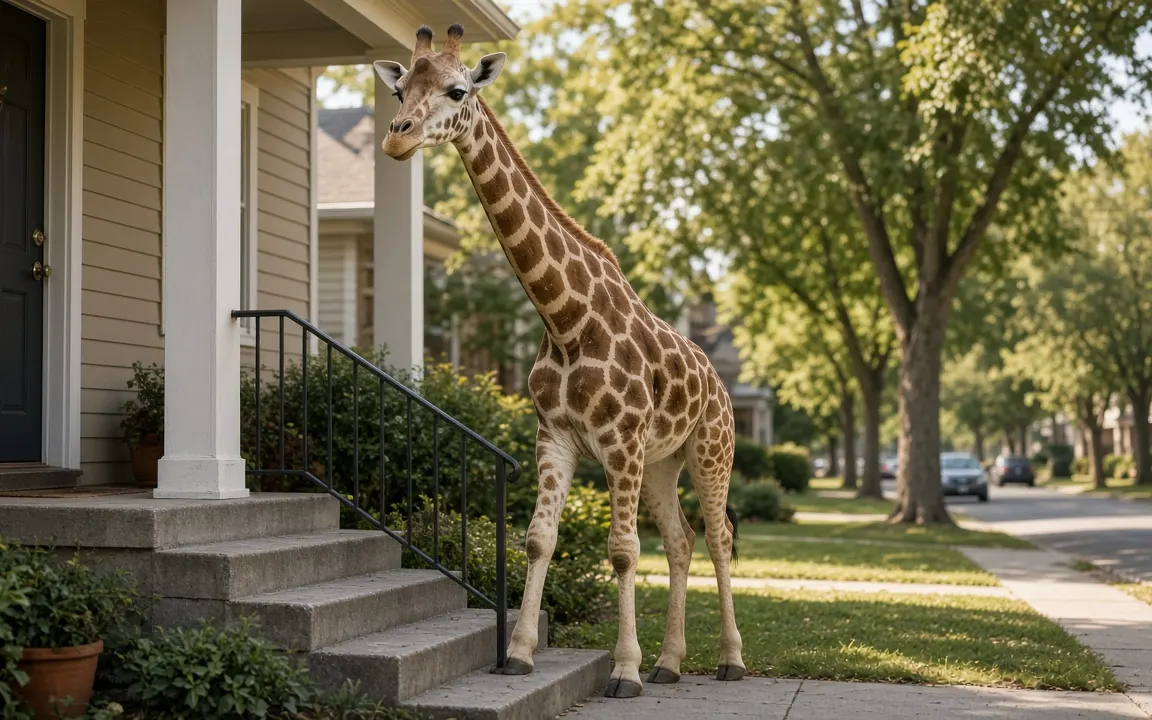
Jurupa Valley, California
Zoo, rehab and sanctuary aftercare options near Jurupa Valley
Jurupa Valley has a strong rural and equestrian identity: many streets in Pedley, Glen Avon and Rubidoux are zoned for horses and livestock, and trails link properties to the river bottom. Families keep horses, goats, sheep, pigs and backyard poultry. When one of the bigger animals dies, how a truck reaches it matters most, so describe your gate, ground and any narrow side yard when you ask for options.
Inland heat is the main concern after a large animal dies in Jurupa Valley, especially from June to September. Rig shade over the body, lay a tarp across it, lead herd mates to another pen and ask for a pickup that same afternoon or evening. During Santa Ana wind events, getting live animals out comes first, and a provider can come for the one that has died once the roads are clear.
Many cities the size of Jurupa Valley depend on one crematory for almost everything, which works until that chamber is down for maintenance or booked solid. Institutions and rehabbers here should name a second provider, even a distant one, and confirm it will take their species. Ask the main provider how long repairs usually take and whether they'll warn you before planned downtime. A backup you've never called is only half a plan.
With roughly 107,311 residents, Jurupa Valley is the 61st-largest of the 307 California communities we cover. The nearest larger centre is Riverside, about 6 miles (9 km) away, which is where some providers serving Jurupa Valley are based.
The closest communities we cover are Riverside (5 miles, a larger centre), Fontana (6 miles, a larger centre) and Eastvale (7 miles). Providers serving those towns often travel to Jurupa Valley too, so it can be worth asking them for a quote.
70.5%[1]
The NFDA projected California's cremation rate at 70.5% for 2024.
$600-$1,000[2]
Cremating a 1,000-pound horse was reported to cost about $600-$1,000, depending on location and the price of propane.
3-5% of body weight[3]
Embrace notes cremated remains typically weigh about 3-5% of the pet's original body weight.
The published sources behind those figures are Embrace Pet Insurance and Extension Horses (eXtension national Cooperative Extension).
Local attitudes to cremation and memorials
In California, with roughly 70.5%[1] of human deaths ending in cremation, scattering ashes is a familiar ritual, and keepers often ask to scatter a portion of an animal's ashes somewhere it lived. Think twice before doing that in an occupied habitat or aviary: other animals may dig or eat it, and your vet may see it as a biosecurity question. A garden bed, a staff area or land outside the exhibit usually works better.
The California figure comes from NFDA 2024 Cremation & Burial Report state projections (via Occasional Sage) (2024). It describes people, not pets, so read it as a sign of local attitudes rather than a pet statistic.
Planning around Jurupa Valley's climate
Local weather affects three things for zoo and wildlife aftercare: how fast a body needs cold storage, whether heavy equipment can reach it and whether burial is possible. Providers around Jurupa Valley know the seasons well, so ask them what they'd plan for at this time of year.

How providers near Jurupa Valley price large and exotic animals
Chamber size quietly shapes the bill. Large animal units are commonly built for about a 1,500 lb load[4], and by our estimate a 1,100 lb animal uses about 73% of that [5], so it's cremated alone. Anything heavier may need sectioning and several loads, each adding time and labor. Ask providers in Jurupa Valley to quote the whole job, not a price per load.
For a line-by-line price table, see the California overview; for what's included in each option, see our services.

Free tool
Cremation cost calculator
Estimate a realistic price range for your pet's size, location and the type of cremation.
Who sets the rules for animal remains in California
Public health officials can have a say too. When a rabies-vector species dies after contact with people, or a zoonotic disease is suspected, the local health department may need the body before any aftercare happens. Wildlife and agriculture rules for California are summarized below; add your health department's number to your protocol alongside them.
To find your county or city office in California, start with the official California local government directory.
The rules that apply across California (home burial, scattering and who oversees pet cremation) are summarized on our California page. Jurupa Valley may add its own conditions, so check with the city or county before digging.
When an animal in your care dies: step by step
- Take a moment. If you keep an exotic animal privately, the loss can be as hard as any, and nothing has to happen in the next hour.
- Call your exotic-animal vet to confirm death and ask whether a necropsy would help, especially if other animals share the enclosure.
- Keep the body cool and away from other animals and scavengers.
- Check any permit you hold for the species; some require notifying the issuing agency.
- Contact a provider that can take the species and weight, or ask us for options.
- Choose individual cremation when you'd like the ashes returned, and request a certificate that names the species.
Memorials, keepsakes and staff grief
Horse and livestock families in Jurupa Valley often have generations of ranch tradition, and they mark losses in practical, personal ways. Tail hair can be braided, a shoe nailed above the barn door, a halter hung in the tack room or a hoof pressed in clay before collection. Where the property allows, some families set a flat stone or plant a pepper tree near the old paddock.
run the numbers with the free planning tools, or see what other families chose in the poll results, The services page is the place to compare what is included, read our guides and latest articles. You can also browse every city in the United States. Nearby, we also cover San Jose, San Francisco, San Diego and Fresno, and every city in California.

Reader polls
What would you choose?
Vote anonymously and see how other readers answered. The results are live counts from people who visit this site, so they show real opinions, not a scientific sample.
How should a zoo mark the death of an animal visitors loved?
Tap an answer to vote and see how others answered. Anonymous.
For your largest animals, what's the hardest part of aftercare?
Tap an answer to vote and see how others answered. Anonymous.
If you had to decide today, which aftercare would you choose for your pet?
Tap an answer to vote and see how others answered. Anonymous.

Free tools to help you plan
Cremation cost calculator
Estimate a realistic price range for your pet's size, location and the type of cremation.

Livestock mortality planner
Plan disposal capacity and costs for farm losses, from one animal to a herd.

Ashes weight estimator
See roughly how much ash to expect back, by species and body weight.
Questions people ask
Can a provider from a neighbouring town collect from Jurupa Valley?
Usually yes. Riverside is about 5 miles away, Fontana is about 6 miles away and Eastvale is about 7 miles away, all inside a normal collection radius. Get the mileage written into the quote so there is no surprise on the day.
Will I have to travel to Riverside to arrange things?
Not usually. Providers based in Riverside (roughly 6 miles from Jurupa Valley) collect from here as a matter of routine, and the paperwork is done by email or phone. If you want to be present for a witnessed cremation, that is when the drive matters.
Is cremation common in California?
For people, yes: about 70.5%[1] of California deaths end in cremation, according to NFDA 2024 Cremation & Burial Report state projections (via Occasional Sage) (2024). Nobody publishes the same figure for pets, but in our experience pet choices in Jurupa Valley follow the human pattern closely, so cremation is the default most families here start from.
Is water cremation an option for zoo and wildlife animals?
Sometimes. Alkaline hydrolysis, also called aquamation or tissue digestion, is offered by some pet providers and used by some university labs for large animals. At one university lab it cost roughly a third of incineration per pound [7]. Lab digesters usually don't return remains, while pet aquamation services return bone ash much like cremation. Ask which kind you're being offered.
Do we need permission to cremate a protected species?
Cremation itself isn't usually the issue; the permit is. Protected birds, marine mammals and endangered species often come with conditions about what happens to remains, and some must be offered to researchers or returned to the agency. Your compliance lead owns those permits. Ask the provider for a certificate that matches the permit record.
What do we do with a bird that may have had avian influenza?
Don't send it to a crematory yet. Bag it, keep it chilled and separate from other remains, wear protective equipment and call your state wildlife agency or animal health office. Wild bird surveillance in the US logged 15,542 detections[8] of H5 avian influenza from late 2021 to 2025, so agencies have clear testing and disposal routes.


Sources and our estimates
- [1] The NFDA projected California's cremation rate at 70.5% for 2024. NFDA 2024 Cremation & Burial Report state projections (via Occasional Sage), 2024.
- [2] Cremating a 1,000-pound horse was reported to cost about $600-$1,000, depending on location and the price of propane. Extension Horses (eXtension national Cooperative Extension) - Horse Disposal Options, 2019, 2019.
- [3] Embrace notes cremated remains typically weigh about 3-5% of the pet's original body weight. Embrace Pet Insurance - Bury or Cremate Your Dog? Costs, Pros & Cons, 2025.
- [4] An animal incinerator sized for agricultural and animal-control use holds up to 1,500 lb per load with a maximum burn rate of 250 lb per hour (manufacturer specification). B&L Cremation Systems (manufacturer) - BLI-1500 Animal Incinerator specifications.
- [5] A 1,100 lb horse uses about 73% of a 1,500 lb animal incinerator load, so large-animal units generally cremate one horse at a time. Our estimate: 1,100 / 1,500 x 100. How we calculate.
- [6] A 1,100 lb horse would be expected to return roughly 38.5 lb of cremated remains (plausible range 33-55 lb). Our estimate: 1,100 lb x 3.5% (range 3%-5%). How we calculate.
- [7] A biodigester at the Wisconsin Veterinary Diagnostic Laboratory cost $900,000 and processes carcasses for about 25 cents per pound, versus about 75 cents per pound for incinerators. Extension Horses (eXtension national Cooperative Extension) - Horse Disposal Options, 2019, 2019.
- [8] Wild bird surveillance recorded 15,542 H5Nx HPAI detections in at least 193 wild bird species between December 2021 and September 2025, including 8,073 in sick or dead birds. USDA APHIS CEAH - Status and Epidemiologic Analyses of HPAI-affected Poultry Flocks, September 30, 2025 Interim Report, 2025.
Get zoo and wildlife aftercare options for Jurupa Valley
Tell us what you need and where you are. We'll reply by email with clear options and prices so you can decide in your own time.