Cremation and necropsy logistics for exotic and wild animals in Garden Grove
Good aftercare for zoo and wildlife animals in Garden Grove is planned before it's needed. Start with what's realistic locally, then send us the species and weight for written options.
- Plain answers on lab disposal vs cremation
- Help with memorials for animals the public loved
- No pressure, just written options by email
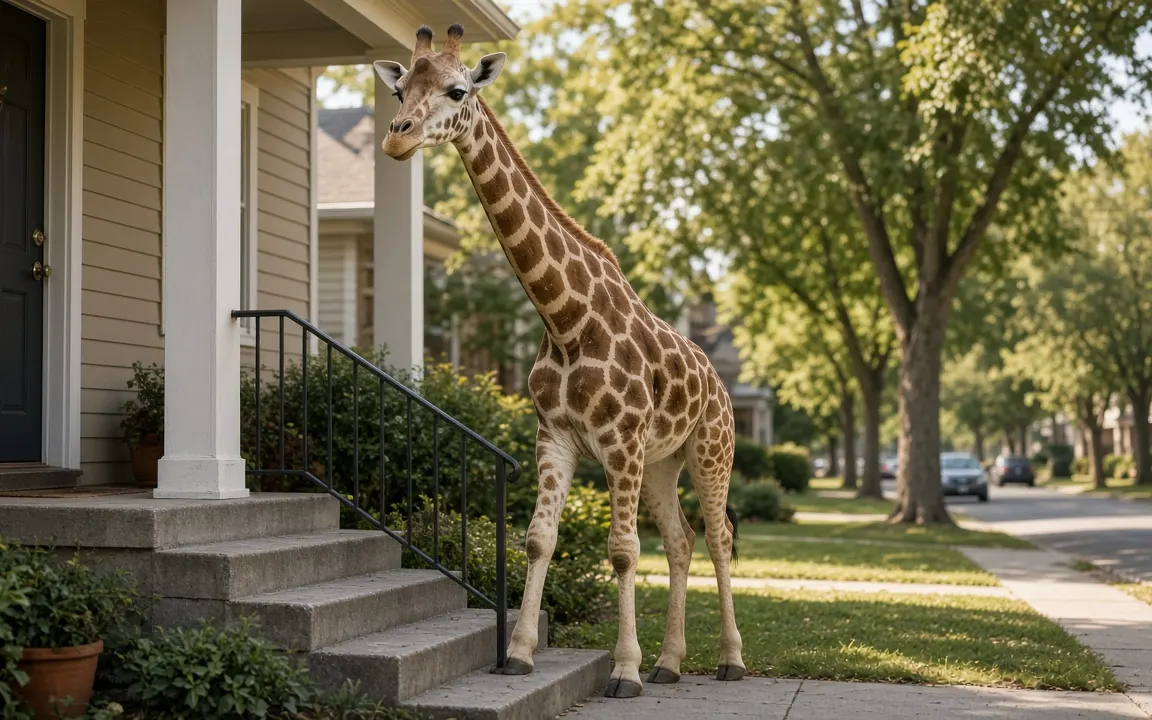
Garden Grove, California
Who handles zoo, rehab and sanctuary losses around Garden Grove
Garden Grove itself is almost entirely suburban, with very few large animals. Horse keeping in Orange County is concentrated elsewhere, in areas like San Juan Capistrano, Orange Park Acres and the canyons, and further inland in Riverside County. If you keep a horse, goat or other large animal at a boarding stable outside the city, the stable's location, not your home, will decide which providers can help.
Families in Garden Grove sometimes keep goats, chickens or a pot-bellied pig on larger residential lots, or have a horse boarded at a stable in east Orange County. For smaller animals, individual cremation with ashes returned is often possible with the same providers who serve pets. For a horse, fewer providers handle the weight and costs rise, so ask for a written total including transport.
If local capacity doesn't fit, look outward. Providers serving Los Angeles may also reach Garden Grove, and an equine crematory within a couple of hours can make individual cremation possible for animals up to roughly the size of a horse. Ask each one about chamber size, whether they can take the animal intact, how they'll collect it and what mileage adds to the price. Compare those answers side by side before an emergency rather than during one.
About 170,455 people live in Garden Grove, which makes it the 29th-largest of the 307 California communities we cover. Some of the providers who serve Garden Grove are based about 5 miles away in Anaheim, the nearest larger centre, so collection times reflect that drive.
Nearby, we also have local pages for Stanton (2 miles), Westminster (3 miles) and Fountain Valley (5 miles), which can help if your vet or the provider you prefer is based there.
70.5%[1]
The NFDA projected California's cremation rate at 70.5% for 2024.
$600-$1,000[2]
Cremating a 1,000-pound horse was reported to cost about $600-$1,000, depending on location and the price of propane.
3-5% of body weight[3]
Embrace notes cremated remains typically weigh about 3-5% of the pet's original body weight.
The numbers above come from Extension Horses (eXtension national Cooperative Extension) and Embrace Pet Insurance, if you'd like to read the original sources.
How California thinks about cremation, and what that means for your animals
About 70.5%[1] of people in California are cremated, one of the higher rates around. For zoos and sanctuaries, that tends to mean competitive pricing for birds, reptiles and small mammals and a public that readily understands why a beloved animal's ashes might come home for a memorial. The harder part is the rare very large animal, which may still need a lab, a digester or a specialist provider further afield.
Source for the California number: NFDA 2024 Cremation & Burial Report state projections (via Occasional Sage) (2024). Nobody publishes a pet cremation rate for Garden Grove, so the human figure is the best local signal available.
When the weather in Garden Grove sets the clock
Pleasant weather in Garden Grove tempts teams to do a field necropsy outdoors or to leave a body under a tarp for a later pickup. Both carry risks: flies, scavengers, contaminated ground and a public that may see more than you'd like. A small, screened area with a hard floor and a hose, set aside for this work, keeps things controlled whatever the season.
Garden Grove's climate is fairly mild, which gives teams a little breathing room after a death, though never as much as it feels. Tissues still break down at room temperature, and a pathologist will always prefer a body that went into a cooler within a few hours. Treat mild weather as time to plan transport calmly, not as a reason to wait.

Budgeting aftercare for large and exotic animals in Garden Grove
Standing arrangements usually beat one-off calls on price. Institutions around Garden Grove with frequent small losses often negotiate a fixed price per weight band and per-job pricing above a set weight. The benchmarks below give you a starting point for that conversation; the final schedule depends on your volume and the provider's equipment.
We keep the detailed California price table on one page so it stays current: see California prices.

Free tool
Cremation cost calculator
Estimate a realistic price range for your pet's size, location and the type of cremation.
Who sets the rules for animal remains in California
Cremation itself rarely needs a permit. What gets regulated is everything around it: how fast a dead animal must be disposed of, whether it can be buried and where, what happens during a disease outbreak and what records protected species need. Here's the general picture for California; your state veterinarian or agriculture department has the final word.
To find your county or city office in California, start with the official California local government directory.
Home burial and scattering are governed at the California level first; our California rules summary has the detail. Then check whether Garden Grove or your HOA adds anything.
A practical sequence for keepers, vets and rehabbers
- Call the attending vet or pathologist first, before anyone moves the body. They decide whether a necropsy is needed, what samples to take and whether anything reportable is suspected.
- Start the record now: the animal's ID and species, when it died, who discovered it and who carried it. From this point on, each hand-off needs a signed name.
- Get the body cold using a cooler or a refrigerated trailer. Hold off on freezing until the vet confirms no samples are wanted.
- Give keepers a few minutes with the animal if they want it, before pathology takes over.
- Confirm the route in writing: lab disposal, individual cremation with ashes returned, digestion or burial. Put the ashes request on the lab submission form if it applies.
- Book transport and any heavy-lift equipment, and settle beforehand how the body will be brought out of the habitat.
- File the certificate against the animal's ID and note any tissues or skeleton retained.
After the paperwork: remembering them
Heat and access are the main practical questions for large animals in Orange County. A horse or goat that dies on a hot day needs shade and quick collection, and many stables have tight lanes and limited parking. Share clear directions, gate details and where a truck with a winch can reach the animal. Your stable manager or vet can often help coordinate.
Every option Garden Grove families choose between is on the services page, use the free tools before you ring anyone, or look at how readers voted in our polls, the guides answer the longer questions and the blog the newer ones. More local pages: Los Angeles, Sacramento, Fresno and San Diego, the California overview and every city in the United States.

Reader polls
What would you choose?
Vote anonymously and see how other readers answered. The results are live counts from people who visit this site, so they show real opinions, not a scientific sample.
For your largest animals, what's the hardest part of aftercare?
Tap an answer to vote and see how others answered. Anonymous.
After a death in your collection, how often is there a necropsy before aftercare?
Tap an answer to vote and see how others answered. Anonymous.
If you had to decide today, which aftercare would you choose for your pet?
Tap an answer to vote and see how others answered. Anonymous.

Free tools to help you plan
Cremation cost calculator
Estimate a realistic price range for your pet's size, location and the type of cremation.

Livestock mortality planner
Plan disposal capacity and costs for farm losses, from one animal to a herd.

Ashes weight estimator
See roughly how much ash to expect back, by species and body weight.
Questions people ask
Is cremation common in California?
For people, yes: about 70.5%[1] of California deaths end in cremation, according to NFDA 2024 Cremation & Burial Report state projections (via Occasional Sage) (2024). Nobody publishes the same figure for pets, but in our experience pet choices in Garden Grove follow the human pattern closely, so cremation is the default most families here start from.
When is the hardest time of year to arrange a burial in Garden Grove?
There is no frozen-ground season here; average lows stay above freezing all year. The other pressure point is August, when highs around 85°F mean a body needs cooling and collecting quickly.
Can a provider from a neighbouring town collect from Garden Grove?
Usually yes. Stanton is about 2 miles away, Westminster is about 3 miles away and Fountain Valley is about 5 miles away, all inside a normal collection radius. Get the mileage written into the quote so there is no surprise on the day.
Will I have to travel to Anaheim to arrange things?
Not usually. Providers based in Anaheim (roughly 5 miles from Garden Grove) collect from here as a matter of routine, and the paperwork is done by email or phone. If you want to be present for a witnessed cremation, that is when the drive matters.
How much ash comes back from a large zoo animal?
Cremated remains typically weigh about 3-5% of body weight[3], mostly bone. A 400 lb big cat would return roughly 12 to 20 lb, and a 1,100 lb animal around 33 to 55 lb, far more than a standard urn holds. Many teams keep a portion for a memorial and scatter or bury the rest.
How much does zoo animal cremation cost near Garden Grove?
Small animals cost about the same as pet cremation, roughly $100 to $500 or more for private cremation depending on weight. Larger animals are quoted per job. Cremating a 1,000 lb horse has been reported at $600-$1,000[2], a useful benchmark for hoofstock and bears. Transport, lifting equipment and after-hours work add to that.


Sources and our estimates
- [1] The NFDA projected California's cremation rate at 70.5% for 2024. NFDA 2024 Cremation & Burial Report state projections (via Occasional Sage), 2024.
- [2] Cremating a 1,000-pound horse was reported to cost about $600-$1,000, depending on location and the price of propane. Extension Horses (eXtension national Cooperative Extension) - Horse Disposal Options, 2019, 2019.
- [3] Embrace notes cremated remains typically weigh about 3-5% of the pet's original body weight. Embrace Pet Insurance - Bury or Cremate Your Dog? Costs, Pros & Cons, 2025.
- [4] A 1,100 lb horse uses about 73% of a 1,500 lb animal incinerator load, so large-animal units generally cremate one horse at a time. Our estimate: 1,100 / 1,500 x 100. How we calculate.
Plan aftercare for an animal in your care
Tell us what you need and where you are. We'll reply by email with clear options and prices so you can decide in your own time.