Zoo animal and wildlife aftercare in Murcia, Spain
Whether you run a collection, a rehab center or a sanctuary in Murcia, the order is the same: vet or pathologist first, cold storage second, cremation third. Here's how that works locally and what it costs.
- Options for rehabbers, sanctuaries and private keepers
- Biosecurity rules flagged before transport
- Per-job quotes you can put in front of finance
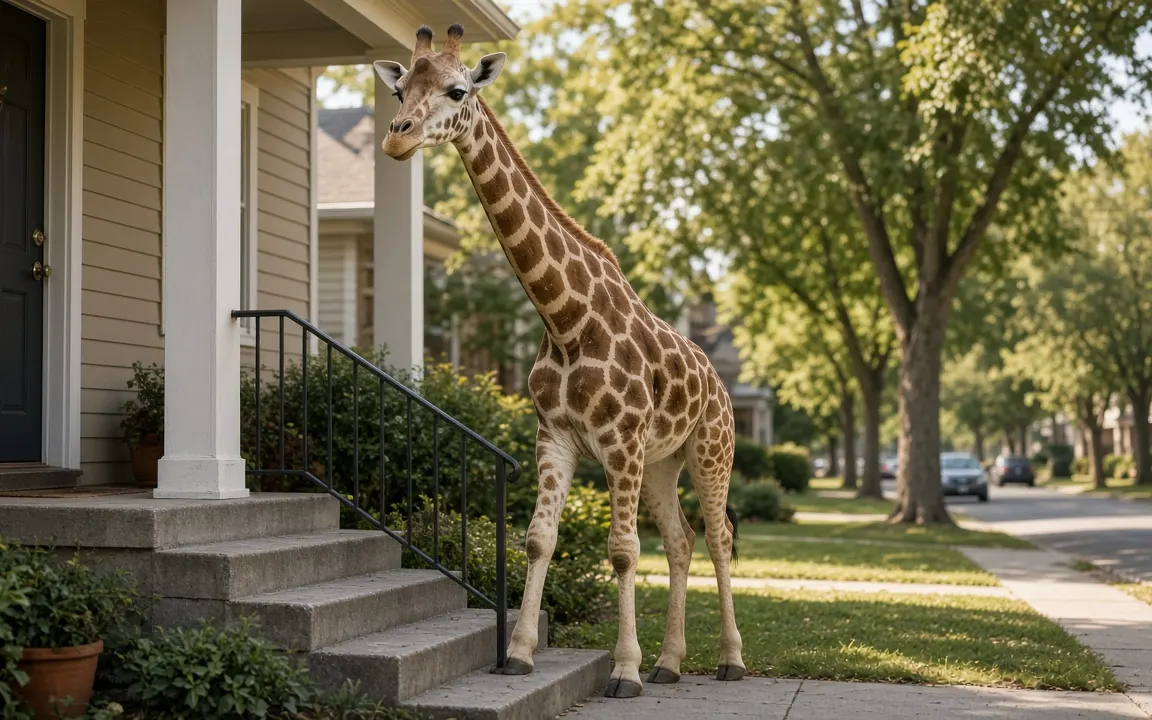
Murcia, Spain
How a death in your collection gets handled around Murcia
The Region of Murcia is farming country. Beyond the irrigated huerta around the city there are goat herds, including the dairy Murciano-Granadina breed, large pig farms further inland, and horses kept on fincas and at riding centres. When a large animal dies here, what shapes the next steps is vehicle access to the land, the animal's size, and whether you want its ashes back or a collection by an authorised service.
Summer heat in the Murcia countryside is intense, and a large body deteriorates quickly when temperatures rise past 40°C. Farm animals normally go through the authorised fallen-stock collection system, while horses and pet goats or sheep may be cremated individually instead. Ask any provider what access their lorry needs, how they will load the animal, and which papers, such as the horse's identification document, they need from you.
If local capacity doesn't fit, look outward. Providers serving Spain may also reach Murcia, and an equine crematory within a couple of hours can make individual cremation possible for animals up to roughly the size of a horse. Ask each one about chamber size, whether they can take the animal intact, how they'll collect it and what mileage adds to the price. Compare those answers side by side before an emergency rather than during one.
With roughly 447,000 residents, Murcia is one of the Spain communities we cover.
For a second opinion on price, Alicante (43 miles), Valencia (110 miles) and Granada (146 miles) are close enough that their providers cover Murcia routinely. Two written quotes tell you more than any price list.
50.11%[1]
In 2024, cremations overtook burials in Spain for the first time: 50.11% of deaths (218,538 cremations).
$600-$1,000[2]
Cremating a 1,000-pound horse was reported to cost about $600-$1,000, depending on location and the price of propane.
3-5% of body weight[3]
Embrace notes cremated remains typically weigh about 3-5% of the pet's original body weight.
The published sources behind those figures are Embrace Pet Insurance and Extension Horses (eXtension national Cooperative Extension).
What local funeral customs in Spain mean for animal aftercare
About 50.11%[1] of people who die in Spain are cremated, so cremation is familiar without being universal. For public-facing institutions, that means a memorial for a well-known animal can take many forms, from a plaque over buried remains to a planting with a portion of ashes. Ask your keepers and your visitors what feels right; local custom gives you room either way.
We take the Spain rate from Infobae, citing PANASEF (Spanish funeral services association) (2024). It is a human statistic; there is no equivalent pet figure for Murcia, and we would rather show a real number than invent one.
Murcia weather, cold storage and timing
Wherever you are, the rules of timing are the same: get the body cool quickly, keep it away from scavengers, and don't freeze it before necropsy unless your vet agrees. Heat shortens the window for useful pathology; cold stretches it but brings frozen ground and difficult access for heavy vehicles.

Budgeting aftercare for large and exotic animals in Murcia
In several European countries, collection of larger dead animals by the approved rendering service is partly publicly funded or charged at a set fee, while private cremation is priced freely. Ask your national veterinary authority what the approved route costs for your species before comparing it with a private crematorium's quote. Prices vary by country and region.
For a line-by-line price table, see the Spain overview; for what's included in each option, see our services.

Free tool
Cremation cost calculator
Estimate a realistic price range for your pet's size, location and the type of cremation.
Permits, disease reporting and disposal law in Spain
An inspector's question after a death is usually simple: show me where this animal went. Keep the death record, necropsy report, custody signatures and the provider's certificate together, filed by animal ID, for as long as your license or permit requires. The disposal rules for Spain below set the legal minimum; your records prove you met it.
In Spain, larger dead animals are usually collected under animal by-products rules, and pet crematoria handle smaller species with individual or collective cremation. Regional authorities set some rules, so ask the local veterinary service about zoo or wildlife species. Summer heat in much of Spain makes cold storage and prompt collection especially important.
When an animal in your care dies: step by step
- Tell the staff and volunteers first, face to face or on the phone, ahead of any public announcement.
- Decide what to say to school groups and regular visitors, thinking especially of the children who knew the animal.
- Choose individual cremation when the center would like ashes for a memorial, and record that choice on any lab paperwork.
- Keep a few mementos, such as a shed feather, a molted skin or a favorite enrichment toy, if the vet agrees.
- Update the education program so the next group isn't told to expect an animal that has died.
- Plan a small memorial once the ashes return, with the people who handled the animal most.
Remembering animals the keepers and public loved
Horses have a special place in the region's culture, most famously in the Caballos del Vino festival in Caravaca de la Cruz, where decorated horses race uphill each May. Families who have kept and shown horses for years often want a personal farewell rather than a routine collection. Individual cremation of a horse can be arranged in Spain, but it takes specialist equipment and is not offered everywhere, so start asking early.
or see what other families chose in the poll results, For a plain comparison of the choices, open services, go deeper with the guides or catch up on recent articles, use the free tools before you ring anyone. the full list for Spain and for Spain is a click away.

Reader polls
What would you choose?
Vote anonymously and see how other readers answered. The results are live counts from people who visit this site, so they show real opinions, not a scientific sample.
When a long-time animal dies, what support do the keepers get?
Tap an answer to vote and see how others answered. Anonymous.
How should a zoo mark the death of an animal visitors loved?
Tap an answer to vote and see how others answered. Anonymous.
If you had to decide today, which aftercare would you choose for your pet?
Tap an answer to vote and see how others answered. Anonymous.

Free tools to help you plan
Cremation cost calculator
Estimate a realistic price range for your pet's size, location and the type of cremation.

Livestock mortality planner
Plan disposal capacity and costs for farm losses, from one animal to a herd.

Ashes weight estimator
See roughly how much ash to expect back, by species and body weight.
Questions people ask
How do Spain attitudes to cremation compare?
Infobae, citing PANASEF (Spanish funeral services association) (2024) puts the Spain human cremation rate at about 50.11%[1]. We show it on the Murcia page because pet aftercare choices tend to track it: where cremation is normal for people, communal and private pet cremation are both easy to find.
Can a provider from a neighbouring town collect from Murcia?
Usually yes. Alicante is about 43 miles away, Valencia is about 110 miles away and Granada is about 146 miles away, all inside a normal collection radius. Get the mileage written into the quote so there is no surprise on the day.
What should we ask a cremation provider in Murcia before signing?
Ask about chamber size and weight limits, whether they can take the animal intact, after-hours response, how animals are identified from pickup to certificate, what the paperwork packet contains and how they price by weight. Our questions institutions should ask vendors goes further.
Can a private exotic keeper in Murcia use a regular pet crematory?
Usually, yes, for animals that fit the chamber: parrots, reptiles, small primates where legal and most mid-size mammals. Ask for individual cremation if you want ashes back and a certificate naming the species. For very heavy animals, or if you hold a permit for the species, check capacity and any reporting conditions first.
Where can a wildlife rehabilitator in Murcia send animals that die in care?
Most rehabbers use a local vet's regular crematory pickup for routine cases, often communal cremation. Suspected avian influenza, rabies-vector species and protected animals may need testing or approved disposal first, so check with your state wildlife agency. For long-term education animals, ask for individual cremation and a certificate matching your records.
What if no provider near Murcia can take our largest animal?
Then the choices are travel, a lab or a route without ashes. A university or state diagnostic lab may accept the animal for necropsy and disposal. A distant large-animal crematory may be worth the drive if ashes matter. Where it's legal and practical, on-site burial is another option. Providers serving Spain are also worth asking.


Sources and our estimates
- [1] In 2024, cremations overtook burials in Spain for the first time: 50.11% of deaths (218,538 cremations). Infobae, citing PANASEF (Spanish funeral services association), 2024.
- [2] Cremating a 1,000-pound horse was reported to cost about $600-$1,000, depending on location and the price of propane. Extension Horses (eXtension national Cooperative Extension) - Horse Disposal Options, 2019, 2019.
- [3] Embrace notes cremated remains typically weigh about 3-5% of the pet's original body weight. Embrace Pet Insurance - Bury or Cremate Your Dog? Costs, Pros & Cons, 2025.
- [4] Midpoint horse cremation cost works out to about $0.80 per pound of body weight, versus about $0.14 per pound for rendering pickup and $0.23 per pound for on-farm composting. Our estimate: cremation $800 / 1,000 lb; rendering $137.50 / 1,000 lb; composting $275 / 1,200 lb. How we calculate.
Get zoo and wildlife aftercare options for Murcia
Tell us what you need and where you are. We'll reply by email with clear options and prices so you can decide in your own time.