Aftercare for zoo, sanctuary and rehab animals in Valladolid
Aftercare for an animal in your care is part pathology, part logistics and part grief. Here's the practical picture for Valladolid, written for the people who have to arrange it.
- From songbirds to hoofstock, sized honestly
- Records matched to your animal IDs
- Local weather and timing built into the plan
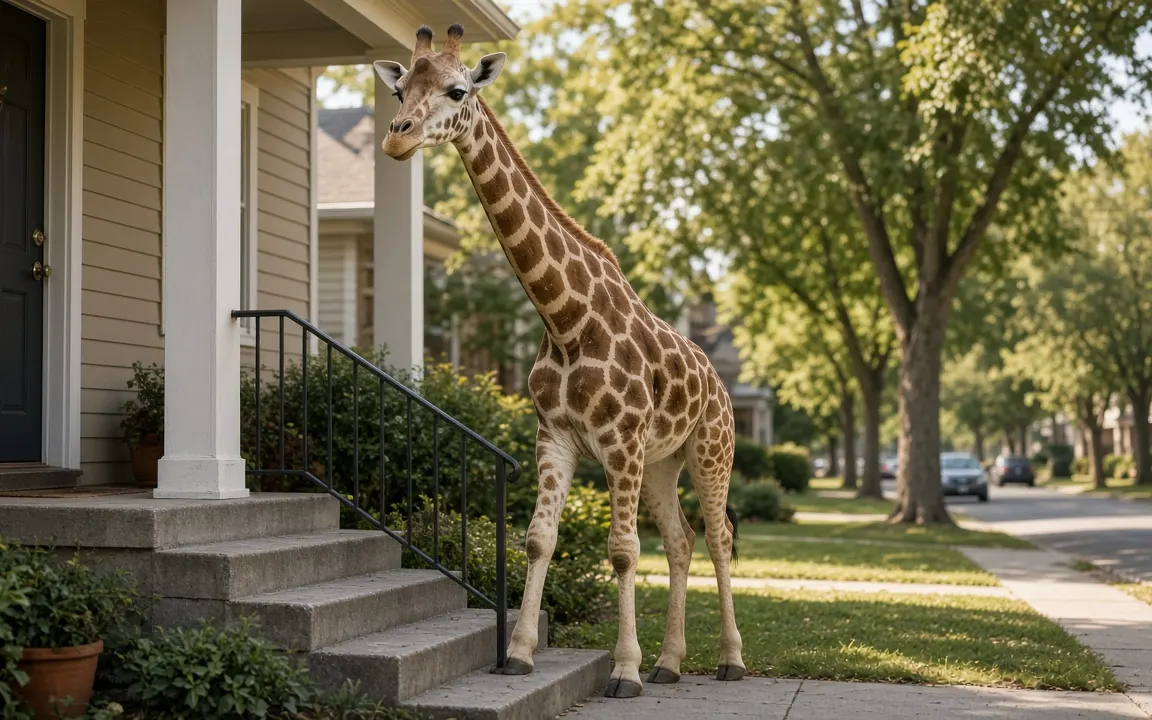
Valladolid, Castile and Leon
Zoo, rehab and sanctuary aftercare options near Valladolid
For livestock in Spain, collection usually goes through the regulated agricultural disposal system, which doesn't return ashes. Individual cremation for a horse, donkey or pet goat is possible but offered by fewer providers, and it costs more than for a pet. If you'd like the ashes back, say so clearly when you ask, and check that the cremation will be individual.
Valladolid is surrounded by the broad cereal plains of Castile and León, a region known for sheep, especially the flocks behind its famous roast lamb, and for cattle, horses and goats on farms across the province. For an animal on a farm in the province, let us know the town and describe the access to the farm or stable, since that shapes what vehicle can come.
In a place like Valladolid, the resident animals at a nature center or rehab facility often feel like community property. School groups visit them, volunteers raise them and local papers cover their birthdays. When one dies, the response can be surprisingly public. It helps to decide in advance whether ashes will return for a memorial, where a small marker could go and how you'll tell volunteers before they read it online. Those decisions shape which aftercare route you choose.
Valladolid is home to about 299,000 people.
For a second opinion on price, Madrid (101 miles, a larger centre), Oviedo (131 miles) and Santander (133 miles) are close enough that their providers cover Valladolid routinely. Two written quotes tell you more than any price list.
50.11%[1]
In 2024, cremations overtook burials in Spain for the first time: 50.11% of deaths (218,538 cremations).
$600-$1,000[2]
Cremating a 1,000-pound horse was reported to cost about $600-$1,000, depending on location and the price of propane.
3-5% of body weight[3]
Embrace notes cremated remains typically weigh about 3-5% of the pet's original body weight.
The published sources behind those figures are Extension Horses (eXtension national Cooperative Extension) and Embrace Pet Insurance.
Local attitudes to cremation and memorials
About 50.11%[1] of people in Spain are cremated, a share that has been rising for years. Pet cremation has grown alongside it, so providers for small and mid-size animals are reasonably easy to find. Large-animal options have grown more slowly. Sanctuaries and rehabbers here often use a mix: cremation for animals the team was close to, lab disposal or burial for the rest.
Infobae, citing PANASEF (Spanish funeral services association) (2024) is where the Spain figure comes from. It counts people; we use it because attitudes to cremating a pet in Valladolid tend to follow attitudes to cremation generally.
Heat, cold and necropsy timing in Valladolid
Seasons change the workload as much as the logistics. Hot spells raise deaths among birds and older animals, migration seasons can bring disease into rehab intake, and wet or frozen ground limits burial. Review your protocol with your vet once a year so it fits the months ahead.

What zoo and wildlife aftercare costs around Valladolid
Across Europe, published pet cremation prices give a benchmark for small and mid-size collection animals: a German guide lists individual cremation at €165 to €375 [4]. Zoo hoofstock and very large animals are usually handled under animal by-products rules through approved collectors, and quoted per job.
The Castile and Leon price table breaks costs down by size; our services page explains what sits behind each line.

Free tool
Cremation cost calculator
Estimate a realistic price range for your pet's size, location and the type of cremation.
What Castile and Leon regulates, and who to call
Cremation itself rarely needs a permit. What gets regulated is everything around it: how fast a dead animal must be disposed of, whether it can be buried and where, what happens during a disease outbreak and what records protected species need. Here's the general picture for Castile and Leon; your state veterinarian or agriculture department has the final word.
In Spain, larger dead animals are usually collected under animal by-products rules, and pet crematoria handle smaller species with individual or collective cremation. Regional authorities set some rules, so ask the local veterinary service about zoo or wildlife species. Summer heat in much of Spain makes cold storage and prompt collection especially important.
When an animal in your care dies: step by step
- Take a moment. If you keep an exotic animal privately, the loss can be as hard as any, and nothing has to happen in the next hour.
- Call your exotic-animal vet so they can certify the death, and ask if a necropsy makes sense, particularly when other animals share the enclosure.
- Keep the body cool and away from other animals and scavengers.
- Check any permit you hold for the species; some require notifying the issuing agency.
- Contact a provider that can take the species and weight, or ask us for options.
- Choose individual cremation if you want ashes back, and ask for a certificate naming the species.
Keeping an animal's story alive
Summers on the Castilian plateau are hot and dry, so a large animal that dies in July or August needs attention the same day. In winter, fog and frost can slow travel on country roads. For an older horse or a donkey kept as a companion, it's worth asking about options before the day comes, so nothing has to be decided in a hurry.
or compare your instinct with the poll results, Compare every option on our services page, the planning tools turn your pet's details into figures, the guides answer the longer questions and the blog the newer ones. the full list for Castile and Leon and for Spain is a click away.

Reader polls
What would you choose?
Vote anonymously and see how other readers answered. The results are live counts from people who visit this site, so they show real opinions, not a scientific sample.
When a long-time animal dies, what support do the keepers get?
Tap an answer to vote and see how others answered. Anonymous.
How should a zoo mark the death of an animal visitors loved?
Tap an answer to vote and see how others answered. Anonymous.
If you had to decide today, which aftercare would you choose for your pet?
Tap an answer to vote and see how others answered. Anonymous.

Free tools to help you plan
Cremation cost calculator
Estimate a realistic price range for your pet's size, location and the type of cremation.

Livestock mortality planner
Plan disposal capacity and costs for farm losses, from one animal to a herd.

Ashes weight estimator
See roughly how much ash to expect back, by species and body weight.
Questions people ask
Can a provider from a neighbouring town collect from Valladolid?
Usually yes. Madrid is about 101 miles away, Oviedo is about 131 miles away and Santander is about 133 miles away, all inside a normal collection radius. Get the mileage written into the quote so there is no surprise on the day.
Is cremation common in Spain?
For people, yes: about 50.11%[1] of Spain deaths end in cremation, according to Infobae, citing PANASEF (Spanish funeral services association) (2024). Nobody publishes the same figure for pets, but in our experience pet choices in Valladolid follow the human pattern closely, so cremation is the default most families here start from.
Where can a wildlife rehabilitator in Valladolid send animals that die in care?
Most rehabbers use a local vet's regular crematory pickup for routine cases, often communal cremation. Suspected avian influenza, rabies-vector species and protected animals may need testing or approved disposal first, so check with your state wildlife agency. For long-term education animals, ask for individual cremation and a certificate matching your records.
How much does zoo animal cremation cost in Valladolid?
It depends on species, weight and whether ashes are returned. Small animals are usually priced like household pets. Heavier animals are quoted per job, and in many countries hoofstock falls under animal by-products rules with approved collectors. Ask for a written quote in local currency that separates collection, cremation and certificate.
How long does it take to cremate a very large animal?
Much longer than a pet. Large-animal chambers burn at around 250 lb/hour[6], so by our estimate a horse-size body of 1,100 lb needs at least 4.4 hours[7] of burn time alone, before preheating and cooling. Add collection, any necropsy and processing, and ashes usually return in days to a few weeks. Ask the provider for a realistic date in writing.
How do you cremate an animal as large as a giraffe or elephant?
Rarely intact. Very few chambers can take an animal much over 1,500 lb, so large cases are usually sectioned after necropsy and cremated in several loads, sent to a lab digester, rendered or buried on grounds where the law allows. If ashes matter, ask how every load will be tracked and combined, and get that promise in writing.


Sources and our estimates
- [1] In 2024, cremations overtook burials in Spain for the first time: 50.11% of deaths (218,538 cremations). Infobae, citing PANASEF (Spanish funeral services association), 2024.
- [2] Cremating a 1,000-pound horse was reported to cost about $600-$1,000, depending on location and the price of propane. Extension Horses (eXtension national Cooperative Extension) - Horse Disposal Options, 2019, 2019.
- [3] Embrace notes cremated remains typically weigh about 3-5% of the pet's original body weight. Embrace Pet Insurance - Bury or Cremate Your Dog? Costs, Pros & Cons, 2025.
- [4] A German consumer guide lists collective pet cremation at EUR 85-205 and individual cremation at EUR 165-375. deine-tierwelt.de - Tierbestattung: Diese Moeglichkeiten gibt es und das kosten sie (Nov 2023), 2023.
- [5] Horse rendering costs about $0.14 per pound and composting about $0.23 per pound, both well below incineration at $0.75 per pound, and composting is comparable to a biodigester at $0.25 per pound. Our estimate: $275 / 1,200 lb (composting); $137.50 / 1,000 lb (rendering); $0.25 and $0.75 per lb from extension. How we calculate.
- [6] A commercial pet crematory rated for 1,000 lb loads cremates at an average of about 250 lb per hour (manufacturer specification). B&L Cremation Systems (manufacturer) - BLP-1000 Pet Crematory specifications.
- [7] At an average rate of 250 lb per hour, the burn phase for a 1,100 lb horse would take at least about 4.4 hours, not counting preheating and cool-down. Our estimate: 1,100 lb / 250 lb per hour. How we calculate.
Get zoo and wildlife aftercare options for Valladolid
Tell us what you need and where you are. We'll reply by email with clear options and prices so you can decide in your own time.