Cremation and necropsy logistics for exotic and wild animals in Palma de Mallorca
A 2 lb raptor and a 1,500 lb bison need very different routes. This page covers necropsy access, capacity, disease rules and records for animals in and around Palma de Mallorca.
- Plain answers on lab disposal vs cremation
- Help with memorials for animals the public loved
- No pressure, just written options by email
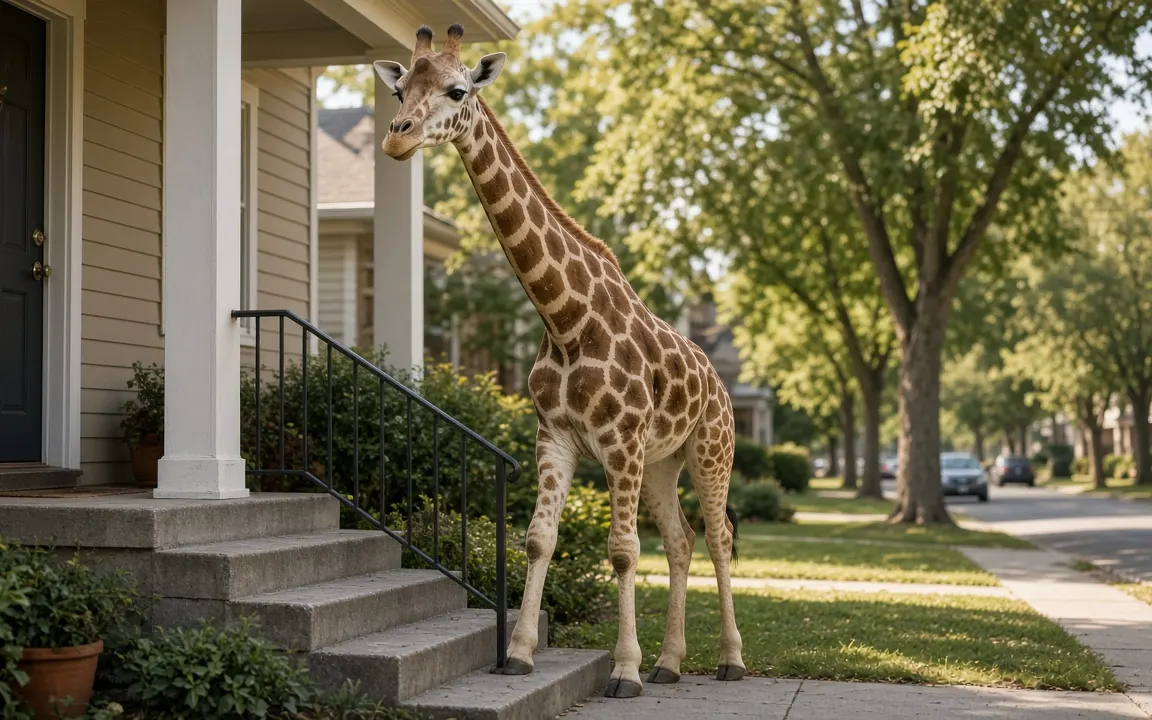
Palma de Mallorca, Balearic Islands
Arranging aftercare for exotic and wild animals in Palma de Mallorca
Palma is the island's capital, but just beyond it lies rural Mallorca, with fincas, olive and almond groves, sheep, goats, and the black Mallorcan pigs raised for sobrasada. Horses are kept all over the island, and harness racing, known locally as trot, has a long following here. When a large animal dies, its location and how a vehicle can reach it shape what happens next.
Mallorca's terrain ranges from flat farmland in the centre to steep, terraced land in the Serra de Tramuntana. On a hillside finca, a heavy vehicle may not be able to reach the stable, and in the July heat collection cannot wait long. Tell any provider about access roads, gates and slopes, and ask what equipment they have for lifting a horse or a heavy sow.
Sanctuaries on the edge of Palma de Mallorca, whether farm-animal, big cat, primate or equine, face the widest range of sizes. The same week can bring a chicken and a draft horse. Many have land for burial and use it where rules allow, but burial of a heavy animal needs equipment, setbacks from wells and water and, if the animal was euthanized, deep cover to protect scavenging wildlife. Cremation, even of a portion, is often chosen for residents the volunteers knew best.
With roughly 409,000 residents, Palma de Mallorca is one of the Balearic Islands communities we cover.
Nearby, we also have local pages for Barcelona (128 miles, a larger centre), which can help if your vet or the provider you prefer is based there.
50.11%[1]
In 2024, cremations overtook burials in Spain for the first time: 50.11% of deaths (218,538 cremations).
$600-$1,000[2]
Cremating a 1,000-pound horse was reported to cost about $600-$1,000, depending on location and the price of propane.
3-5% of body weight[3]
Embrace notes cremated remains typically weigh about 3-5% of the pet's original body weight.
To check the figures yourself, see Embrace Pet Insurance and Extension Horses (eXtension national Cooperative Extension).
What local funeral customs in Spain mean for animal aftercare
About 50.11%[1] of people in Spain are cremated, a share that has been rising for years. Pet cremation has grown alongside it, so providers for small and mid-size animals are reasonably easy to find. Large-animal options have grown more slowly. Sanctuaries and rehabbers here often use a mix: cremation for animals the team was close to, lab disposal or burial for the rest.
Source for the Spain number: Infobae, citing PANASEF (Spanish funeral services association) (2024). Nobody publishes a pet cremation rate for Palma de Mallorca, so the human figure is the best local signal available.
How the seasons in Palma de Mallorca change aftercare logistics
Wherever you are, the rules of timing are the same: get the body cool quickly, keep it away from scavengers, and don't freeze it before necropsy unless your vet agrees. Heat shortens the window for useful pathology; cold stretches it but brings frozen ground and difficult access for heavy vehicles.

Budgeting aftercare for large and exotic animals in Palma de Mallorca
The gap between collective and individual cremation is steep for mid-size animals. In France, a 20 kg animal is listed at €70 to €120 collective against €150 to €250 individual [4]. Rehab centers and wildlife hospitals in Spain can keep costs down by using collective cremation for routine cases and paying for individual cremation only where ashes are wanted.
We keep the detailed Balearic Islands price table on one page so it stays current: see Balearic Islands prices.

Free tool
Cremation cost calculator
Estimate a realistic price range for your pet's size, location and the type of cremation.
Disposal, disease and permit rules in Balearic Islands
Wildlife rehabilitators work under permits that often say what happens to remains, especially for protected birds and mammals. Sanctuaries and zoos may have their own licenses and inspections. Read your permit conditions alongside the general rules for Balearic Islands below, and keep a copy of both with your aftercare plan.
In Spain, larger dead animals are usually collected under animal by-products rules, and pet crematoria handle smaller species with individual or collective cremation. Regional authorities set some rules, so ask the local veterinary service about zoo or wildlife species. Summer heat in much of Spain makes cold storage and prompt collection especially important.
What to do, in order, after a loss in your care
- Tell the staff and volunteers first, face to face or on the phone, ahead of any public announcement.
- Decide what to say to school groups and regular visitors, thinking especially of the children who knew the animal.
- Choose individual cremation if the center wants ashes for a memorial, and note it on any lab form.
- Keep a few mementos, such as a shed feather, a molted skin or a favorite enrichment toy, if the vet agrees.
- Update the education program to make sure the next group isn't expecting to meet an animal that has died.
- Plan a small memorial once the ashes return, with the people who handled the animal most.
Ways Palma de Mallorca teams mark the loss of an animal
Island logistics matter for large animals in Mallorca. Farm animals normally go through an authorised fallen-stock collection system, while a horse or much-loved companion animal may be cremated individually if a suitable service is available on the island. Ask early what can be done locally, whether transport off the island would be needed, and what documents, such as a horse's passport, are required.
the planning tools turn your pet's details into figures, or see what other families chose in the poll results, browse in-depth guides or recent articles, For a plain comparison of the choices, open services. the full list for Balearic Islands and for Spain is a click away.

Reader polls
What would you choose?
Vote anonymously and see how other readers answered. The results are live counts from people who visit this site, so they show real opinions, not a scientific sample.
How do you keep chain-of-custody records for remains?
Tap an answer to vote and see how others answered. Anonymous.
For your largest animals, what's the hardest part of aftercare?
Tap an answer to vote and see how others answered. Anonymous.
If you had to decide today, which aftercare would you choose for your pet?
Tap an answer to vote and see how others answered. Anonymous.

Free tools to help you plan
Cremation cost calculator
Estimate a realistic price range for your pet's size, location and the type of cremation.

Livestock mortality planner
Plan disposal capacity and costs for farm losses, from one animal to a herd.

Ashes weight estimator
See roughly how much ash to expect back, by species and body weight.
Questions people ask
Is cremation common in Spain?
For people, yes: about 50.11%[1] of Spain deaths end in cremation, according to Infobae, citing PANASEF (Spanish funeral services association) (2024). Nobody publishes the same figure for pets, but in our experience pet choices in Palma de Mallorca follow the human pattern closely, so cremation is the default most families here start from.
Is there a zoo crematory in Palma de Mallorca?
Dedicated zoo crematories are rare anywhere. Most institutions around Palma de Mallorca use a mix: a pet crematory for small animals, an equine or large-animal provider for mid-size ones and a diagnostic lab for necropsy and very large cases. Send us the species, weight and location, and we'll reply with what's realistically within reach.
Can a zoo animal be cremated after a necropsy?
Yes, and it's common. The remains may be incomplete because tissues are kept for histology, and some institutions retain the skeleton or skin for collections. Tell the lab before the necropsy that you want ashes returned, and put it on the submission form, so the remains are released to a crematory rather than disposed of at the lab.
Can a private exotic keeper in Palma de Mallorca use a regular pet crematory?
Usually, yes, for animals that fit the chamber: parrots, reptiles, small primates where legal and most mid-size mammals. Ask for individual cremation if you want ashes back and a certificate naming the species. For very heavy animals, or if you hold a permit for the species, check capacity and any reporting conditions first.
How long does it take to cremate a very large animal?
Much longer than a pet. Large-animal chambers burn at around 250 lb/hour[6], so by our estimate a horse-size body of 1,100 lb needs at least 4.4 hours[7] of burn time alone, before preheating and cooling. Add collection, any necropsy and processing, and ashes usually return in days to a few weeks. Ask the provider for a realistic date in writing.
How much does zoo animal cremation cost in Palma de Mallorca?
It depends on species, weight and whether ashes are returned. Small animals are usually priced like household pets. Heavier animals are quoted per job, and in many countries hoofstock falls under animal by-products rules with approved collectors. Ask for a written quote in local currency that separates collection, cremation and certificate.


Sources and our estimates
- [1] In 2024, cremations overtook burials in Spain for the first time: 50.11% of deaths (218,538 cremations). Infobae, citing PANASEF (Spanish funeral services association), 2024.
- [2] Cremating a 1,000-pound horse was reported to cost about $600-$1,000, depending on location and the price of propane. Extension Horses (eXtension national Cooperative Extension) - Horse Disposal Options, 2019, 2019.
- [3] Embrace notes cremated remains typically weigh about 3-5% of the pet's original body weight. Embrace Pet Insurance - Bury or Cremate Your Dog? Costs, Pros & Cons, 2025.
- [4] SantéVet lists French dog cremation at EUR 70-120 collective vs EUR 150-250 individual for a 20 kg dog, and EUR 130-180 vs EUR 300-400 for a 50 kg dog. SantéVet - Quel est le prix pour incinérer un chien? (updated Mar 2026), 2026.
- [5] A 1,100 lb horse uses about 73% of a 1,500 lb animal incinerator load, so large-animal units generally cremate one horse at a time. Our estimate: 1,100 / 1,500 x 100. How we calculate.
- [6] A commercial pet crematory rated for 1,000 lb loads cremates at an average of about 250 lb per hour (manufacturer specification). B&L Cremation Systems (manufacturer) - BLP-1000 Pet Crematory specifications.
- [7] At an average rate of 250 lb per hour, the burn phase for a 1,100 lb horse would take at least about 4.4 hours, not counting preheating and cool-down. Our estimate: 1,100 lb / 250 lb per hour. How we calculate.
Tell us the species, weight and location
Tell us what you need and where you are. We'll reply by email with clear options and prices so you can decide in your own time.