Zoo and wildlife cremation in Singapore
Whether you run a collection, a rehab center or a sanctuary in Singapore, the order is the same: vet or pathologist first, cold storage second, cremation third. Here's how that works locally and what it costs.
- Standing arrangements with weight-band pricing
- Heavy-lift and transport planned in advance
- Ashes returned when your team wants them
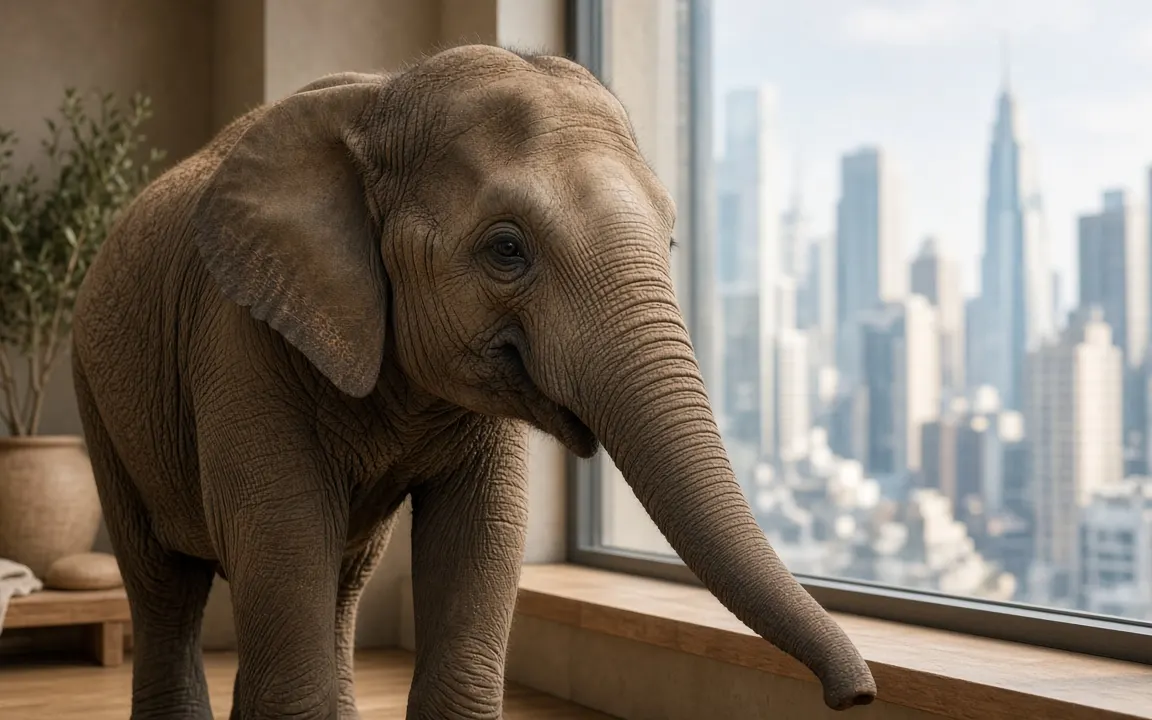
Singapore, Central
Zoo, rehab and sanctuary aftercare options near Singapore
Singapore's constant heat and humidity mean a large animal's body must be handled quickly, often within hours rather than days. If you look after an ageing horse or farm animal, it's worth asking in advance which provider can collect, whether individual cremation is possible, and whether heavy rain or a public holiday could affect timing. Your vet can often help coordinate the first steps.
Large animals are uncommon in Singapore, but they're not absent: there are riding clubs and polo grounds, a handful of farms in the Lim Chu Kang and Kranji countryside with goats and other livestock, and large zoological collections in the north. Horse racing at Kranji ended in 2024, so fewer racehorses are stabled here now. Aftercare for a large animal is specialized, so give the exact location and animal size when asking.
Moving a large animal through a big-city zoo is its own project. Crane or telehandler access, a flatbed with a winch, a route that avoids visitor paths and a vehicle that can legally park on a busy street all need arranging, and most teams in Singapore schedule the move before opening. If a death happens mid-day, a screened holding area and a cooler or refrigerated trailer buy time. Write the access route into your protocol now, with measurements, so nobody has to improvise it with the public watching.
About 5,637,000 people live in Singapore, which makes it the largest of the 5 Central communities we cover.
Our pages for Bukit Timah (2 miles), Orchard (3 miles) and Marina Bay (6 miles) describe the same choices from those towns' point of view, and the providers overlap, so a quote from one often covers Singapore as well.
81.16%[1]
In 2023, 81.16% of deaths in Singapore were cremated (4 crematoria).
$600-$1,000[2]
Cremating a 1,000-pound horse was reported to cost about $600-$1,000, depending on location and the price of propane.
3-5% of body weight[3]
Embrace notes cremated remains typically weigh about 3-5% of the pet's original body weight.
If a number here surprises you, the primary material is Extension Horses (eXtension national Cooperative Extension) and Embrace Pet Insurance; we only apply it to this.
What local funeral customs in Singapore mean for animal aftercare
Cremation is well established in Singapore, where about 81.16%[1] of people are cremated. That broad acceptance helps when a zoo or sanctuary wants to explain its choices to donors and visitors, and it means individual cremation for smaller animals is easy to find. It doesn't settle disease cases, though: when avian influenza or another reportable condition is suspected, the state veterinarian decides the route, not local custom.
That Singapore rate is a human one, published by Cremation Society of Great Britain, International Cremation Statistics 2023 (2023). We quote it for Singapore only as a pointer to how families here already think about cremation.
Singapore weather, cold storage and timing
Wherever you are, the rules of timing are the same: get the body cool quickly, keep it away from scavengers, and don't freeze it before necropsy unless your vet agrees. Heat shortens the window for useful pathology; cold stretches it but brings frozen ground and difficult access for heavy vehicles.

Reading an aftercare quote in Singapore
Pet funeral packages in the region can be elaborate, while institutional disposal of large or diseased animals follows government rules. The table shows published examples for heavier animals in the region; for anything larger, ask for a per-job quote.
We keep the detailed Central price table on one page so it stays current: see Central prices.

Free tool
Cremation cost calculator
Estimate a realistic price range for your pet's size, location and the type of cremation.
Permits, disease reporting and disposal law in Central
Rules for burying a large animal are usually stricter than for a household pet: deeper cover, bigger setbacks from wells and water and tighter deadlines. Animals euthanized with barbiturates carry extra conditions because of the risk to scavenging wildlife. Here's what Central generally allows.
In Singapore, space rules out burial for almost everyone, so cremation is the norm for smaller animals. Larger or diseased animals follow government disposal routes. Ask providers whether they accept exotic species and whether a columbarium niche is priced separately from the cremation itself.
The first hours, in order
- Activate the written protocol and put one person in charge of coordinating the day.
- Confirm with the pathologist the time and place of the necropsy, and the way the remains get handed back once it's done.
- Move the body out of public view by the agreed route, ideally before opening hours.
- Record each hand-off from enclosure to cooler to lab to crematory, with times and signatures.
- Brief the communications lead with what can be said now and what waits for results.
- Plan the staff gathering and let the keepers decide how they want the animal remembered.
- Review the case afterwards and update the protocol while it's fresh.
Remembering animals the keepers and public loved
With so little farmland, a goat, pig or pony kept in Singapore is usually on a farm, at a riding school or with an animal welfare group rather than in a backyard. Individual cremation for animals of that size needs equipment many pet crematoria don't have. Tell us the species, approximate weight and where the animal is, and we'll reply by email with what's possible.
Compare every option on our services page, go deeper with the guides or catch up on recent articles, or see how other readers answered in our polls, use the free tools before you ring anyone. More local pages: Bukit Timah, Sentosa, Orchard and Marina Bay, the Central overview and every city in Singapore.

Reader polls
What would you choose?
Vote anonymously and see how other readers answered. The results are live counts from people who visit this site, so they show real opinions, not a scientific sample.
How do you keep chain-of-custody records for remains?
Tap an answer to vote and see how others answered. Anonymous.
For your largest animals, what's the hardest part of aftercare?
Tap an answer to vote and see how others answered. Anonymous.
If you had to decide today, which aftercare would you choose for your pet?
Tap an answer to vote and see how others answered. Anonymous.

Free tools to help you plan
Cremation cost calculator
Estimate a realistic price range for your pet's size, location and the type of cremation.

Livestock mortality planner
Plan disposal capacity and costs for farm losses, from one animal to a herd.

Ashes weight estimator
See roughly how much ash to expect back, by species and body weight.
Questions people ask
Can a provider from a neighbouring town collect from Singapore?
Usually yes. Bukit Timah is about 2 miles away, Orchard is about 3 miles away and Marina Bay is about 6 miles away, all inside a normal collection radius. Get the mileage written into the quote so there is no surprise on the day.
How do Singapore attitudes to cremation compare?
Cremation Society of Great Britain, International Cremation Statistics 2023 (2023) puts the Singapore human cremation rate at about 81.16%[1]. We show it on the Singapore page because pet aftercare choices tend to track it: where cremation is normal for people, communal and private pet cremation are both easy to find.
Where can a wildlife rehabilitator in Singapore send animals that die in care?
Most rehabbers use a local vet's regular crematory pickup for routine cases, often communal cremation. Suspected avian influenza, rabies-vector species and protected animals may need testing or approved disposal first, so check with your state wildlife agency. For long-term education animals, ask for individual cremation and a certificate matching your records.
Is water cremation an option for zoo and wildlife animals?
Sometimes. Alkaline hydrolysis, also called aquamation or tissue digestion, is offered by some pet providers and used by some university labs for large animals. At one university lab it cost roughly a third of incineration per pound [5]. Lab digesters usually don't return remains, while pet aquamation services return bone ash much like cremation. Ask which kind you're being offered.
How do we move a large animal out of a public zoo in Singapore?
Plan it before you need it. Most teams use a crane or telehandler, a flatbed or trailer with a winch and a route that avoids visitor paths, usually early in the morning. Record gate widths, load limits and turning space. Screening panels help if the move can't wait until the site is closed.
Can a zoo animal be cremated after a necropsy?
Yes, and it's common. The remains may be incomplete because tissues are kept for histology, and some institutions retain the skeleton or skin for collections. Tell the lab before the necropsy that you want ashes returned, and put it on the submission form, so the remains are released to a crematory rather than disposed of at the lab.


Sources and our estimates
- [1] In 2023, 81.16% of deaths in Singapore were cremated (4 crematoria). Cremation Society of Great Britain, International Cremation Statistics 2023, 2023.
- [2] Cremating a 1,000-pound horse was reported to cost about $600-$1,000, depending on location and the price of propane. Extension Horses (eXtension national Cooperative Extension) - Horse Disposal Options, 2019, 2019.
- [3] Embrace notes cremated remains typically weigh about 3-5% of the pet's original body weight. Embrace Pet Insurance - Bury or Cremate Your Dog? Costs, Pros & Cons, 2025.
- [4] Horse rendering costs about $0.14 per pound and composting about $0.23 per pound, both well below incineration at $0.75 per pound, and composting is comparable to a biodigester at $0.25 per pound. Our estimate: $275 / 1,200 lb (composting); $137.50 / 1,000 lb (rendering); $0.25 and $0.75 per lb from extension. How we calculate.
- [5] A biodigester at the Wisconsin Veterinary Diagnostic Laboratory cost $900,000 and processes carcasses for about 25 cents per pound, versus about 75 cents per pound for incinerators. Extension Horses (eXtension national Cooperative Extension) - Horse Disposal Options, 2019, 2019.
Tell us the species, weight and location
Tell us what you need and where you are. We'll reply by email with clear options and prices so you can decide in your own time.