Zoo and wildlife cremation in Stavanger
A 2 lb raptor and a 1,500 lb bison need very different routes. This page covers necropsy access, capacity, disease rules and records for animals in and around Stavanger.
- Necropsy and cold storage handled in the right order
- Capacity checked against your animal's weight
- Written custody terms before anything moves
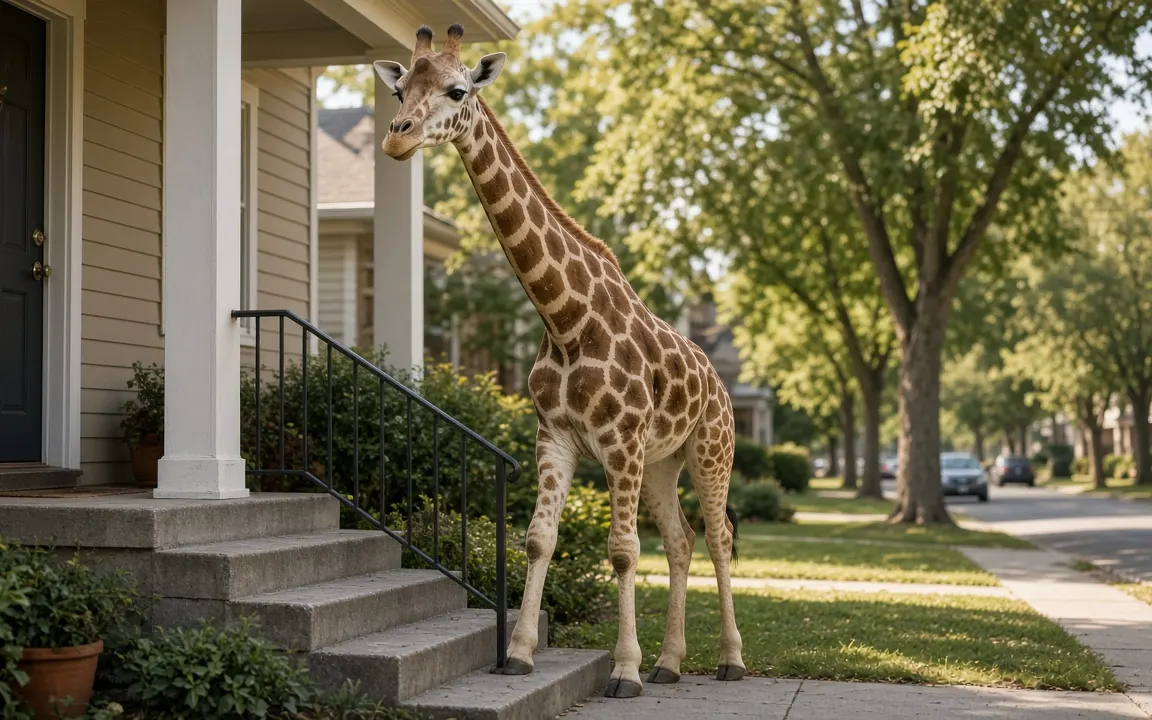
Stavanger, Rogaland
The local picture for institutions and keepers in Stavanger
Stavanger's riding stables and small hobby farms sit mostly on the edges of town and out across Jæren and toward Ryfylke. Wind, rain and narrow farm roads all affect how a large animal can be moved, and ferry or tunnel connections matter if you are across the fjord. When you request help, describe how close a vehicle can get to the animal and whether there is hard standing, so a provider can say honestly what is possible.
Few providers handle horses, cattle or other large animals individually, and Bergen is the nearest large city for a wider choice. It makes sense to plan ahead if you keep an older horse, a donkey or a sanctuary animal around Stavanger. Ask in advance about collection, individual cremation and whether ashes can be returned, so that when the day comes you are choosing between known options rather than making calls in a hurry.
Many cities the size of Stavanger depend on one crematory for almost everything, which works until that chamber is down for maintenance or booked solid. Institutions and rehabbers here should name a second provider, even a distant one, and confirm it will take their species. Ask the main provider how long repairs usually take and whether they'll warn you before planned downtime. A backup you've never called is only half a plan.
Stavanger is home to about 144,000 people.
Stavanger sits within easy reach of Bergen (99 miles). A provider based in any of them will usually collect from Stavanger; ask what the mileage adds to the bill.
49.27%[1]
In 2023, 49.27% of deaths in Norway were cremated (25 crematoria).
$600-$1,000[2]
Cremating a 1,000-pound horse was reported to cost about $600-$1,000, depending on location and the price of propane.
3-5% of body weight[3]
Embrace notes cremated remains typically weigh about 3-5% of the pet's original body weight.
Sources for the statistics above: Extension Horses (eXtension national Cooperative Extension) and Embrace Pet Insurance.
What local funeral customs in Norway mean for animal aftercare
In Norway, about 49.27%[1] of people are cremated, lower than in much of the country. That shouldn't steer your decision for an animal in your care, but it can affect logistics: fewer providers, more mileage and sometimes longer waits for ashes. Rehabilitators with steady volumes often do well by agreeing a regular pickup schedule with one provider rather than calling around each time.
We take the Norway rate from Cremation Society of Great Britain, International Cremation Statistics 2023 (2023). It is a human statistic; there is no equivalent pet figure for Stavanger, and we would rather show a real number than invent one.
Stavanger weather, cold storage and timing
Seasons change the workload as much as the logistics. Hot spells raise deaths among birds and older animals, migration seasons can bring disease into rehab intake, and wet or frozen ground limits burial. Review your protocol with your vet once a year so it fits the months ahead.

Budgeting aftercare for large and exotic animals in Stavanger
In Stavanger, as in most of Europe, pet crematoria serve smaller species, while large or infectious cases usually go through approved rendering or incineration under animal by-products rules. The table shows published examples from several countries to give your team a starting point.
For a line-by-line price table, see the Rogaland overview; for what's included in each option, see our services.

Free tool
Cremation cost calculator
Estimate a realistic price range for your pet's size, location and the type of cremation.
Who sets the rules for animal remains in Rogaland
Before any remains leave your site, three questions need answers: is a necropsy or disease test required, can the remains legally travel where you want to send them, and does any permit set conditions on disposal? The general rules for Rogaland are below; disease events and protected species can override them.
What to do, in order, after a loss in your care
- Call the attending vet or pathologist first, before anyone moves the body. They decide whether a necropsy is needed, what samples to take and whether anything reportable is suspected.
- Start the record now: animal ID, species, time of death, who found it and who moved it. Every later hand-off gets a signature.
- Get the body cold using a cooler or a refrigerated trailer. Hold off on freezing until the vet confirms no samples are wanted.
- Give keepers a few minutes with the animal if they want it, before pathology takes over.
- Confirm the route in writing: disposal through the lab, individual cremation with the ashes coming back, digestion or burial. If ashes are wanted, that request belongs on the lab submission form itself.
- Book transport and any heavy-lift equipment, and settle beforehand how the body will be brought out of the habitat.
- File the certificate against the animal's ID and note any tissues or skeleton retained.
After the paperwork: remembering them
Jæren, the flat coastal plain just south of Stavanger, is one of Norway's most important farming districts, with dairy cattle, sheep, pigs and poultry on stone-walled fields. Commercial livestock that dies on a farm is normally handled through Norway's regulated animal disposal system. If the animal was a companion rather than production stock, such as an old ewe, a pet goat or a retired pony, individual cremation may be possible, so explain that when you ask for options.
or compare your instinct with the poll results, the planning tools turn your pet's details into figures, there are guides for the big decisions and articles for the details, Our services overview lays out every option side by side. the full list for Rogaland and for Norway is a click away.

Reader polls
What would you choose?
Vote anonymously and see how other readers answered. The results are live counts from people who visit this site, so they show real opinions, not a scientific sample.
For your largest animals, what's the hardest part of aftercare?
Tap an answer to vote and see how others answered. Anonymous.
How should a zoo mark the death of an animal visitors loved?
Tap an answer to vote and see how others answered. Anonymous.
If you had to decide today, which aftercare would you choose for your pet?
Tap an answer to vote and see how others answered. Anonymous.

Free tools to help you plan
Cremation cost calculator
Estimate a realistic price range for your pet's size, location and the type of cremation.

Livestock mortality planner
Plan disposal capacity and costs for farm losses, from one animal to a herd.

Ashes weight estimator
See roughly how much ash to expect back, by species and body weight.
Questions people ask
How do Norway attitudes to cremation compare?
Cremation Society of Great Britain, International Cremation Statistics 2023 (2023) puts the Norway human cremation rate at about 49.27%[1]. We show it on the Stavanger page because pet aftercare choices tend to track it: where cremation is normal for people, communal and private pet cremation are both easy to find.
Is there a zoo crematory in Stavanger?
Dedicated zoo crematories are rare anywhere. Most institutions around Stavanger use a mix: a pet crematory for small animals, an equine or large-animal provider for mid-size ones and a diagnostic lab for necropsy and very large cases. Send us the species, weight and location, and we'll reply with what's realistically within reach.
Where can a wildlife rehabilitator in Stavanger send animals that die in care?
Most rehabbers use a local vet's regular crematory pickup for routine cases, often communal cremation. Suspected avian influenza, rabies-vector species and protected animals may need testing or approved disposal first, so check with your state wildlife agency. For long-term education animals, ask for individual cremation and a certificate matching your records.
Is water cremation an option for zoo and wildlife animals?
Sometimes. Alkaline hydrolysis, also called aquamation or tissue digestion, is offered by some pet providers and used by some university labs for large animals. At one university lab it cost roughly a third of incineration per pound [5]. Lab digesters usually don't return remains, while pet aquamation services return bone ash much like cremation. Ask which kind you're being offered.
Do we need permission to cremate a protected species?
Cremation itself isn't usually the issue; the permit is. Protected birds, marine mammals and endangered species often come with conditions about what happens to remains, and some must be offered to researchers or returned to the agency. Your compliance lead owns those permits. Ask the provider for a certificate that matches the permit record.
What if no provider near Stavanger can take our largest animal?
Then the choices are travel, a lab or a route without ashes. A university or state diagnostic lab may accept the animal for necropsy and disposal. A distant large-animal crematory may be worth the drive if ashes matter. Where it's legal and practical, on-site burial is another option. Providers serving Rogaland are also worth asking.


Sources and our estimates
- [1] In 2023, 49.27% of deaths in Norway were cremated (25 crematoria). Cremation Society of Great Britain, International Cremation Statistics 2023, 2023.
- [2] Cremating a 1,000-pound horse was reported to cost about $600-$1,000, depending on location and the price of propane. Extension Horses (eXtension national Cooperative Extension) - Horse Disposal Options, 2019, 2019.
- [3] Embrace notes cremated remains typically weigh about 3-5% of the pet's original body weight. Embrace Pet Insurance - Bury or Cremate Your Dog? Costs, Pros & Cons, 2025.
- [4] A 1,100 lb horse uses about 73% of a 1,500 lb animal incinerator load, so large-animal units generally cremate one horse at a time. Our estimate: 1,100 / 1,500 x 100. How we calculate.
- [5] A biodigester at the Wisconsin Veterinary Diagnostic Laboratory cost $900,000 and processes carcasses for about 25 cents per pound, versus about 75 cents per pound for incinerators. Extension Horses (eXtension national Cooperative Extension) - Horse Disposal Options, 2019, 2019.
Plan aftercare for an animal in your care
Tell us what you need and where you are. We'll reply by email with clear options and prices so you can decide in your own time.