Zoo & Wildlife Cremation in Mexico
Good aftercare for zoo and wildlife animals in Mexico is planned before it's needed. Start with what's realistic locally, then send us the species and weight for written options.
- From songbirds to hoofstock, sized honestly
- Records matched to your animal IDs
- Local weather and timing built into the plan
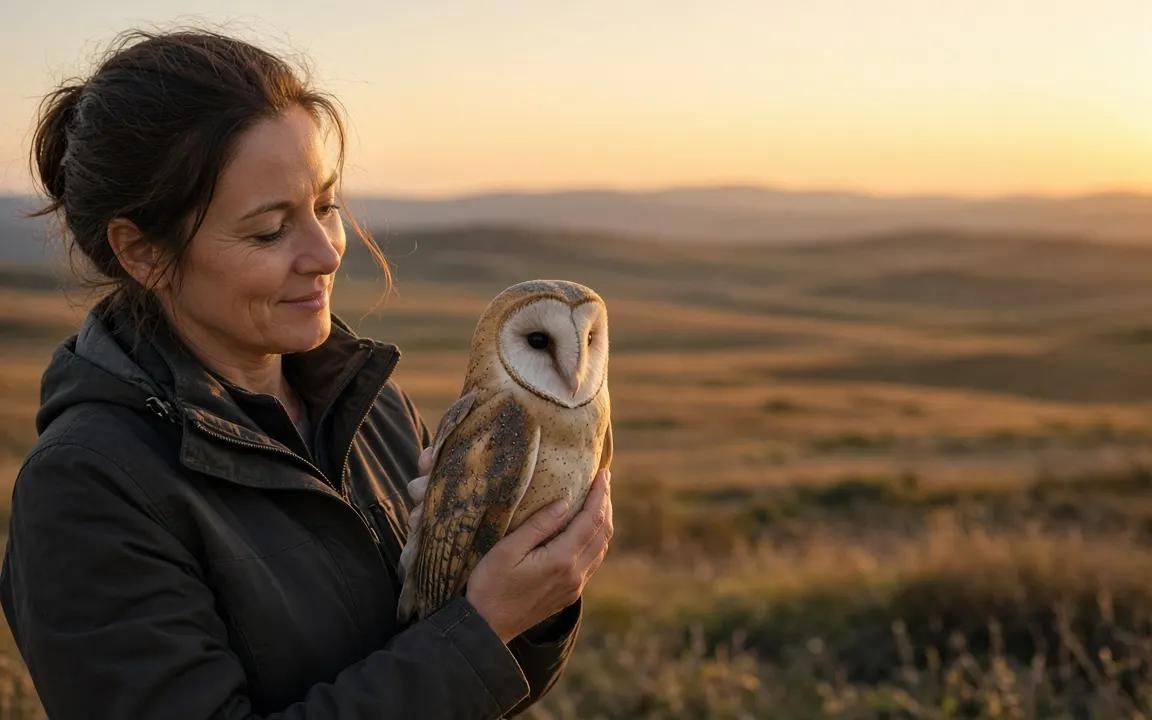
Mexico
Zoo & Wildlife Cremation in Mexico: what to know
Pathology in Mexico usually runs through national, regional or university diagnostic labs. They're the first stop for any death that might be infectious and often the cheapest route for very large animals. Learn which one covers you, what it accepts and whether it hands bodies on to a crematorium when ashes are wanted.
Zoo and wildlife aftercare in Mexico follows the same logic as anywhere: pathology first, then a route that fits the animal's size, disease status and whether ashes are wanted. What differs is who regulates it, which approved routes exist for large animals and how far a collection may have to send remains. This page covers Mexico as a whole; each city page adds local detail.
We cover 3 communities in Mexico, from Mexico City, Guadalajara and Monterrey.

Browse Mexico by region
Pick your state or region to see every community we cover there, or jump straight to one of the largest cities.
How Mexico thinks about cremation, and what that means for your animals
Whatever the local customs around human funerals, zoos, sanctuaries and rehabilitators around Mexico generally choose between a handful of routes: individual cremation with ashes returned, communal cremation, lab disposal after necropsy, tissue digestion, rendering or burial where it's allowed. Species, size and disease status narrow the list quickly.
What zoo and wildlife aftercare costs around Mexico
Because services and rules differ from country to country, the first call in Mexico is usually to the attending vet, who will know which providers accept exotic or large animals. The table shows published prices from elsewhere as a rough guide to how weight drives cost.
Lab routes can be a cheap benchmark where they exist. A biodigester at one US university lab processes carcasses for roughly a quarter of a dollar per pound [1], a useful reference point for very large animals when no local crematory can take them. Ask any lab in your area if it handles exotic species and what it charges.
| Place | Figure | Note |
|---|---|---|
| UAE (up to 30 kg) | AED 2,300 to 2,700 | Separate (individual) cremation |
| United States (1,000 lb animal) | $600-$1,000[2] | Equine benchmark |
| United States (lab digestion) | about $0.25 per lb | No ashes unless arranged |

Free tool
Cremation cost calculator
Estimate a realistic price range for your pet's size, location and the type of cremation.
What Mexico regulates, and who to call
Most disposal rules in Mexico were written with farm animals and household pets in mind, and zoo species don't always fit neatly. When in doubt, ask the regulator directly and write the answer into your protocol. It's far easier to get a clear ruling on a quiet Tuesday than after a death on a Friday night.
The first hours, in order
- Tell the owning institution straight away if the animal was on loan or a breeding agreement. They usually decide what happens to the remains.
- Get the receiving vet's findings on paper whenever the animal died on the road or at a hospital away from your site.
- Check the permits under which the animal moved; some require the issuing agency to be told of the death.
- Keep the body cold where it is until the owner confirms necropsy and disposal instructions.
- Arrange transport to the lab or provider the owner chooses, with a custody form for each leg.
- Send copies of the necropsy report and certificate to everyone named in the agreement.
Ways Mexico teams mark the loss of an animal
An animal's records can outlive it in a useful way. Longevity, breeding and health data feed the species studbooks and research that improve care for others: across more than 50 mammal species, zoo populations have been found to live longer than wild ones in 84%[4] of cases. Sharing the necropsy findings with the studbook keeper is a quiet tribute that keepers often appreciate.
From here: services and prices, the free tools, what readers voted in the polls, or the map of every location.

Reader polls
What would you choose?
Vote anonymously and see how other readers answered. The results are live counts from people who visit this site, so they show real opinions, not a scientific sample.
How do you keep chain-of-custody records for remains?
Tap an answer to vote and see how others answered. Anonymous.
How does your organization arrange aftercare today?
Tap an answer to vote and see how others answered. Anonymous.
If you had to decide today, which aftercare would you choose for your pet?
Tap an answer to vote and see how others answered. Anonymous.

Free tools to help you plan
Cremation cost calculator
Estimate a realistic price range for your pet's size, location and the type of cremation.

Livestock mortality planner
Plan disposal capacity and costs for farm losses, from one animal to a herd.

Ashes weight estimator
See roughly how much ash to expect back, by species and body weight.
Questions people ask
Is cremation common in Mexico?
For people, about a majority of deaths in Mexico end in cremation, which is a fair signal of how many crematories exist for small animals. It says little about large-animal capacity, so always ask a provider about weight limits directly.
What's the largest animal a crematory in Mexico can take?
Large-animal incinerators are commonly rated for up to about a 1,500 lb load[5] (one manufacturer's rating). Heavier animals are usually divided and run through more than one load, or go to a lab or a legal burial instead. Ask each provider for its real limit for an intact animal.
What should we do after a death in the heat?
Get the body into a cooler or refrigerated trailer within hours, especially for a large animal, which holds heat internally. In hot parts of Mexico, such as Mexico where summer highs average about °F, schedule lifts and transport for early morning.
Is there a large-animal crematory in Mexico?
Often there's at least one equine-size provider, but not always close to you, and very few chambers anywhere can take an intact animal much over 1,500 lb. Send us the species and weight and we'll tell you what's realistically within reach, including labs and alternatives.
How much does zoo and wildlife cremation cost in Mexico?
Small animals are priced like household pets, rising with weight. Larger animals are quoted per job based on weight, access, distance and after-hours work. Lab routes such as tissue digestion can cost less per pound but don't return ashes unless arranged. Ask every provider for an itemized written total.
How should a sanctuary in Mexico plan the euthanasia of a large resident?
Book the vet, the provider and any lifting equipment for the same morning, confirm the euthanasia drug so the disposal route fits and prepare firm, screened ground where a vehicle can reach. Give the caregivers time to say goodbye, and settle beforehand whether the team wants ashes.

Sources and our estimates
- [1] A biodigester at the Wisconsin Veterinary Diagnostic Laboratory cost $900,000 and processes carcasses for about 25 cents per pound, versus about 75 cents per pound for incinerators. Extension Horses (eXtension national Cooperative Extension) - Horse Disposal Options, 2019, 2019.
- [2] Cremating a 1,000-pound horse was reported to cost about $600-$1,000, depending on location and the price of propane. Extension Horses (eXtension national Cooperative Extension) - Horse Disposal Options, 2019, 2019.
- [3] Horse rendering costs about $0.14 per pound and composting about $0.23 per pound, both well below incineration at $0.75 per pound, and composting is comparable to a biodigester at $0.25 per pound. Our estimate: $275 / 1,200 lb (composting); $137.50 / 1,000 lb (rendering); $0.25 and $0.75 per lb from extension. How we calculate.
- [4] Across more than 50 mammal species, zoo populations lived longer than wild populations in 84% of species. Tidiere M et al. Comparative analyses of longevity and senescence reveal variable survival benefits of living in zoos across mammals. Scientific Reports, 2016 (PMID 27819303), 2016.
- [5] An animal incinerator sized for agricultural and animal-control use holds up to 1,500 lb per load with a maximum burn rate of 250 lb per hour (manufacturer specification). B&L Cremation Systems (manufacturer) - BLI-1500 Animal Incinerator specifications.
Plan aftercare for an animal in your care
Tell us what you need and where you are. We'll reply by email with clear options and prices so you can decide in your own time.