Zoo & Wildlife Cremation in Miyagi
A 2 lb raptor and a 1,500 lb bison need very different routes. This page covers necropsy access, capacity, disease rules and records for animals in and around Miyagi.
- Standing arrangements with weight-band pricing
- Heavy-lift and transport planned in advance
- Ashes returned when your team wants them
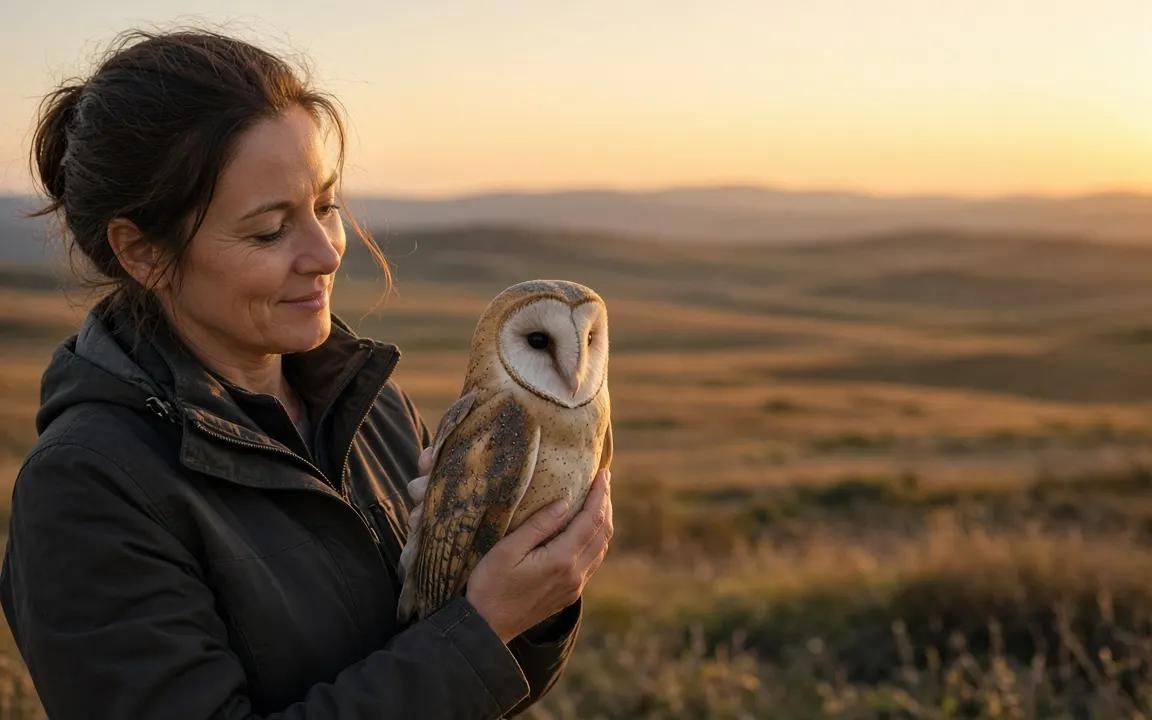
Miyagi, Japan
Zoo & Wildlife Cremation in Miyagi: what to know
Remembering an animal matters in Miyagi as much as anywhere. A long-lived zoo resident, a sanctuary's oldest horse or a rehab center's education owl may be known to thousands of people. The aftercare route decides what's possible later, so if ashes will be wanted for a memorial, choose individual cremation and say so before the necropsy.
Most of the institutions that need this service in Miyagi aren't zoos. They're wildlife rehabilitators, farm and exotic sanctuaries, nature centers, university programs and private keepers of large or unusual animals. Their needs overlap more than they differ: fast cold storage, a provider with the right capacity, records that stand up to an inspection and a respectful way to remember animals people cared for.
We cover 1 community in Miyagi, from Sendai.
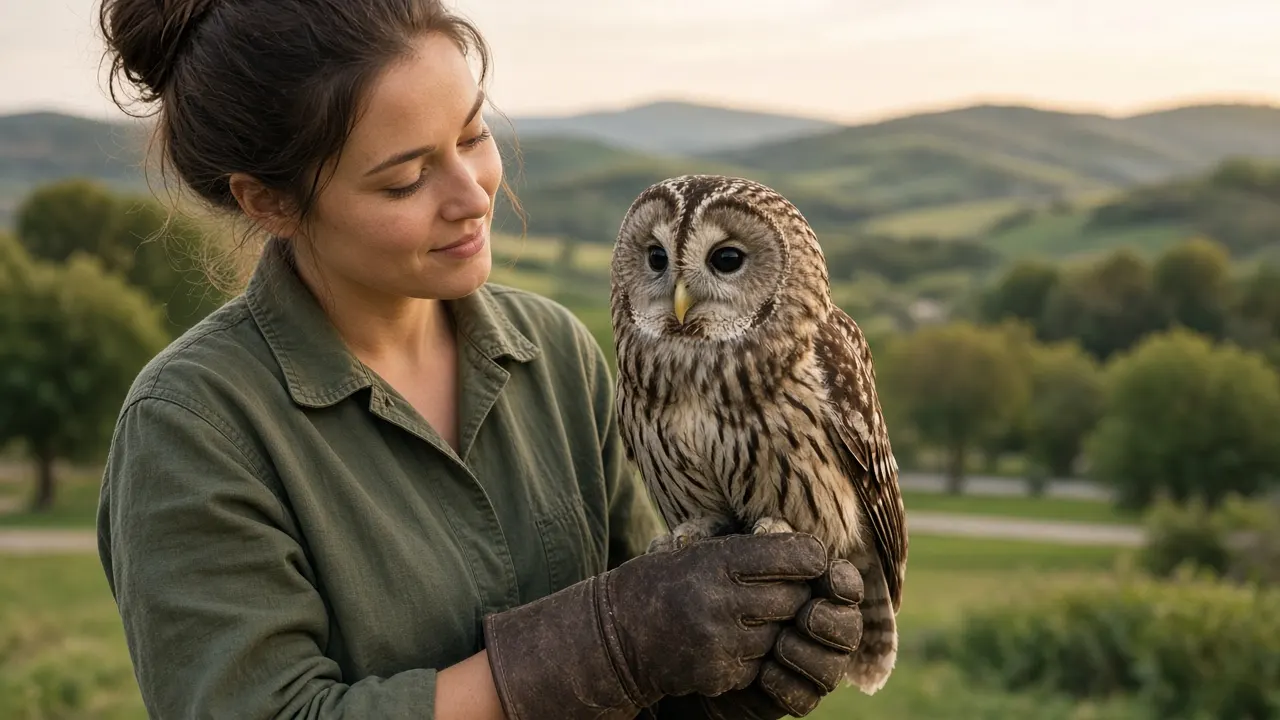

Every Miyagi community we cover
Choose your city or town for local prices, weather and timing, and rules. 1 communities in Miyagi, largest first below.
Cremation culture in Miyagi and its effect on local capacity
Cremation is the norm in Miyagi: about 99.97%[1] of people who die there are cremated. That familiarity shows up in the pet trade too, with plenty of crematories for small and mid-size animals and staff who are used to confirming individual cremation in writing. It says nothing, though, about large-animal capacity. Even where cremation is this common, chambers big enough for hoofstock or large carnivores are few, so always ask about weight limits directly.
That Miyagi rate is a human statistic published by Cremation Society of Great Britain, International Cremation Statistics 2023 (2023); there is no pet equivalent, so we use it as a signal of how families here already think.
Price benchmarks for a quote in Miyagi
Pet funeral packages in the region can be elaborate, while institutional disposal of large or diseased animals follows government rules. The table shows published examples for heavier animals in the region; for anything larger, ask for a per-job quote.
In Japan, communal cremation is often about half the price of a higher-tier individual service [2]. The same logic holds across much of the region: shared cremation for routine cases, individual cremation with a ceremony for animals people were attached to. Institutions in Miyagi can agree a price list with one provider for both.
| Place | Example | Note |
|---|---|---|
| Hong Kong (over 50 kg) | HKD 6,000 | Basic individual cremation |
| Tokyo (20 to 30 kg) | JPY 38,500 individual | JPY 60,500 witnessed |
| Singapore (10 to 20 kg) | SGD 480 private | Columbarium niche extra |
| Larger animals | Per job | Often government or university routes |

Free tool
Cremation cost calculator
Estimate a realistic price range for your pet's size, location and the type of cremation.
Disposal, disease and permit rules in Miyagi
Before any remains leave your site, three questions need answers: is a necropsy or disease test required, can the remains legally travel where you want to send them, and does any permit set conditions on disposal? The general rules for Miyagi are below; disease events and protected species can override them.
In Japan, deceased animals are legally treated as waste and no comprehensive law governs pet burial, while burying animals in public places such as parks is illegal [2]. University veterinary pathology departments see many exotic cases: at the University of Tokyo, exotic animals made up 20.5%[4] of necropsies from 2006 to 2020. Pet funeral providers handle smaller species with ceremony.
What to do, in order, after a loss in your care
- Separate and bag the body and assign an intake number, using gloves and protective gear whenever disease can't be ruled out.
- Check whether the species needs reporting or testing, especially birds during avian influenza outbreaks, rabies-vector mammals and cervids near chronic wasting disease areas.
- Chill or freeze routine cases using a labeled freezer kept only for this, well clear of food and patient spaces.
- Log the disposition against your permit records, including species, date and route.
- Send routine cases on your scheduled pickup, communal unless someone asked for individual cremation.
- Flag special cases, such as a long-term education animal or a protected species, so they get individual handling and a certificate.
Remembering animals the keepers and public loved
Anniversaries matter. Many institutions mark the date an animal died with a note to staff, a social media post or a small gathering at the habitat. It's a gentle way to acknowledge grief that often goes unspoken in animal care work.
Compare every option on our services page, try the free planning tools or see how other readers answered in our polls. You can also go back to all locations.

Reader polls
What would you choose?
Vote anonymously and see how other readers answered. The results are live counts from people who visit this site, so they show real opinions, not a scientific sample.
When a long-time animal dies, what support do the keepers get?
Tap an answer to vote and see how others answered. Anonymous.
How do you keep chain-of-custody records for remains?
Tap an answer to vote and see how others answered. Anonymous.
If you had to decide today, which aftercare would you choose for your pet?
Tap an answer to vote and see how others answered. Anonymous.

Free tools to help you plan
Cremation cost calculator
Estimate a realistic price range for your pet's size, location and the type of cremation.

Livestock mortality planner
Plan disposal capacity and costs for farm losses, from one animal to a herd.

Ashes weight estimator
See roughly how much ash to expect back, by species and body weight.
Questions people ask
What's the largest animal a crematory in Miyagi can take?
Large-animal incinerators are commonly rated for up to about a 1,500 lb load[5] (one manufacturer's rating). Heavier animals are usually divided and run through more than one load, or go to a lab or a legal burial instead. Ask each provider for its real limit for an intact animal.
How much does zoo and wildlife cremation cost in Miyagi?
Small animals are priced like household pets, rising with weight. Larger animals are quoted per job based on weight, access, distance and after-hours work. Lab routes such as tissue digestion can cost less per pound but don't return ashes unless arranged. Ask every provider for an itemized written total.
Do institutions in Miyagi use standing contracts for aftercare?
Many do. A standing arrangement agrees weight-band pricing, capacity limits, after-hours response and custody paperwork before a death happens. Institutions with frequent small losses and occasional large ones often keep two agreements: one local and one with large-animal capacity.
How is zoo animal aftercare handled in Miyagi?
Smaller species usually go to pet crematoria, and larger or diseased animals follow national animal health rules through approved collectors, labs or government routes. The attending vet is the best first call, because they'll know which providers accept exotic species locally.
Is cremation common in Miyagi?
For people, about 99.97%[1] of deaths in Miyagi end in cremation, which is a fair signal of how many crematories exist for small animals. It says little about large-animal capacity, so always ask a provider about weight limits directly.
How many communities do you cover in Miyagi?
We have local guides for 1 communities in Miyagi, including Sendai. Each page covers local weather and timing, price benchmarks, rules and what capacity is usually within reach. For your specific animal, send us the species, weight and location.

Sources and our estimates
- [1] In 2023, 99.97% of deaths in Japan were cremated (1364 crematoria). Cremation Society of Great Britain, International Cremation Statistics 2023, 2023.
- [2] In Japan, communal (goudou) pet cremation is often about half the price of higher-tier individual services, and it is illegal to bury animals in public places such as parks or forests. GaijinPot - When Your Pet Dies in Japan (Feb 2024), 2024.
- [3] A 1,100 lb horse uses about 73% of a 1,500 lb animal incinerator load, so large-animal units generally cremate one horse at a time. Our estimate: 1,100 / 1,500 x 100. How we calculate.
- [4] At the University of Tokyo, exotic animals made up 20.5% of necropsy cases in 2006-2020, and the median age at death of necropsied dogs rose from 2 years (1903-1914) to 10 years. Nakayama H et al. Chronological transition of necropsy cases of animals in Tokyo, Japan. J Vet Med Sci, 2023 (PMID 36385043), 2023.
- [5] An animal incinerator sized for agricultural and animal-control use holds up to 1,500 lb per load with a maximum burn rate of 250 lb per hour (manufacturer specification). B&L Cremation Systems (manufacturer) - BLI-1500 Animal Incinerator specifications.
Get zoo and wildlife aftercare options for Miyagi
Tell us what you need and where you are. We'll reply by email with clear options and prices so you can decide in your own time.