Zoo animal and wildlife aftercare in Yokohama, Kanagawa
Good aftercare for zoo and wildlife animals in Yokohama is planned before it's needed. Start with what's realistic locally, then send us the species and weight for written options.
- Plain answers on lab disposal vs cremation
- Help with memorials for animals the public loved
- No pressure, just written options by email
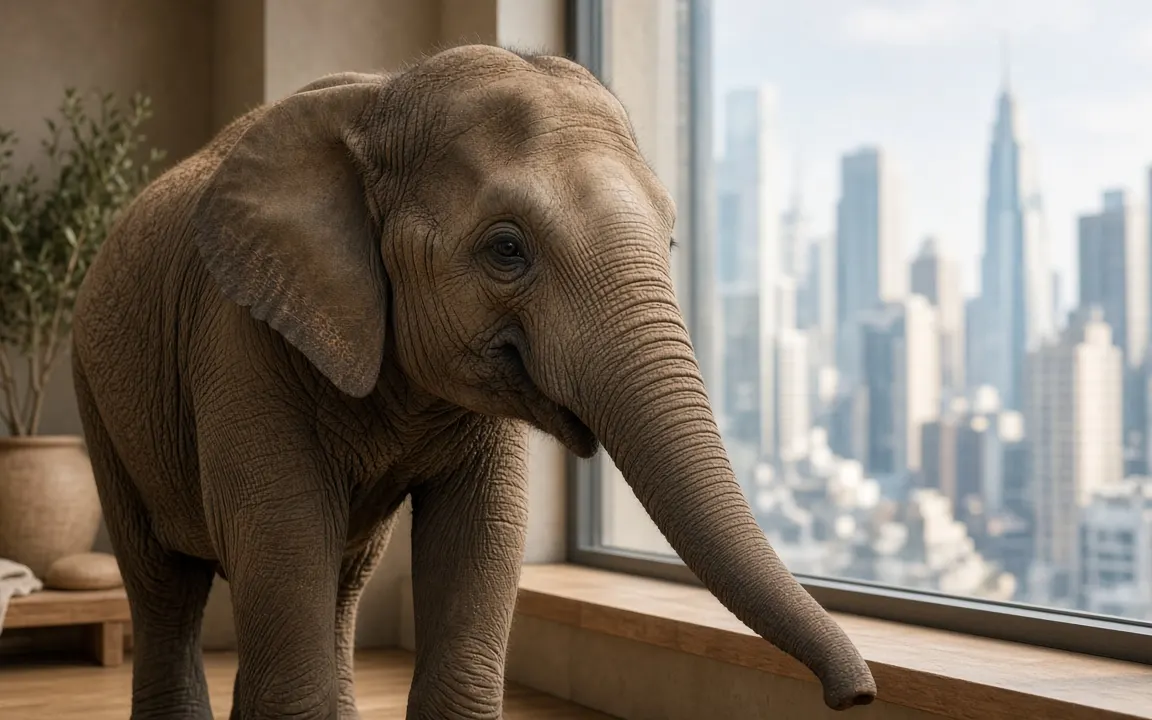
Yokohama, Kanagawa
Arranging aftercare for exotic and wild animals in Yokohama
Kanagawa's farms, mostly inland and toward the Miura Peninsula with its vegetable fields, keep cattle, pigs, goats and poultry, and some families keep a goat or pony as a pet. A companion animal can often be cremated individually, while commercial livestock usually goes through agricultural disposal channels. Tell us whether the animal was a pet or part of a farm, plus its size and where it's kept.
Yokohama has a place in Japanese horse history as the site of the country's first Western-style racecourse at Negishi, and today large animals are kept at riding clubs, on farms in the Kanagawa countryside and in the city's zoological parks. When a horse, cow or other large animal dies, the first things to organize are access for a lifting vehicle and whether individual cremation is possible. Share the address and gate details when you ask for options.
Universities, natural history museums and veterinary schools around Yokohama are often keen to receive bodies that zoos would otherwise cremate. A skeleton, a skin or a set of tissues can go into a teaching or research collection, and some museums will collect. That changes the aftercare plan: remains may need to be kept whole and cold rather than sectioned, and ashes may only be possible from part of the animal. Settle which requests you'll honor in your written protocol, not on the phone that day.
About 3,724,000 people live in Yokohama, which makes it the largest of the 2 Kanagawa communities we cover.
For a second opinion on price, Kawasaki (7 miles), Setagaya (14 miles) and Tokyo (16 miles, a larger centre) are close enough that their providers cover Yokohama routinely. Two written quotes tell you more than any price list.
99.97%[1]
In 2023, 99.97% of deaths in Japan were cremated (1364 crematoria).
$600-$1,000[2]
Cremating a 1,000-pound horse was reported to cost about $600-$1,000, depending on location and the price of propane.
3-5% of body weight[3]
Embrace notes cremated remains typically weigh about 3-5% of the pet's original body weight.
The numbers above come from Embrace Pet Insurance and Extension Horses (eXtension national Cooperative Extension), if you'd like to read the original sources.
How Japan thinks about cremation, and what that means for your animals
In Japan, with roughly 99.97%[1] of human deaths ending in cremation, scattering ashes is a familiar ritual, and keepers often ask to scatter a portion of an animal's ashes somewhere it lived. Think twice before doing that in an occupied habitat or aviary: other animals may dig or eat it, and your vet may see it as a biosecurity question. A garden bed, a staff area or land outside the exhibit usually works better.
The Japan percentage above is from Cremation Society of Great Britain, International Cremation Statistics 2023 (2023) and refers to human funerals. Treat it as context for Yokohama, not as a count of pets.
Planning around Yokohama's climate
Wherever you are, the rules of timing are the same: get the body cool quickly, keep it away from scavengers, and don't freeze it before necropsy unless your vet agrees. Heat shortens the window for useful pathology; cold stretches it but brings frozen ground and difficult access for heavy vehicles.

Per-job pricing for Yokohama institutions and keepers
Around Yokohama, individual cremation with a short farewell is common for household pets, and the same providers often take birds, reptiles and small mammals from collections. Ask exactly what's included, especially whether ashes are returned, and what the price is for your animal's weight.
For a line-by-line price table, see the Kanagawa overview; for what's included in each option, see our services.

Free tool
Cremation cost calculator
Estimate a realistic price range for your pet's size, location and the type of cremation.
Disposal, disease and permit rules in Kanagawa
Before any remains leave your site, three questions need answers: is a necropsy or disease test required, can the remains legally travel where you want to send them, and does any permit set conditions on disposal? The general rules for Kanagawa are below; disease events and protected species can override them.
In Japan, deceased animals are legally treated as waste and no comprehensive law governs pet burial, while burying animals in public places such as parks is illegal [5]. University veterinary pathology departments see many exotic cases: at the University of Tokyo, exotic animals made up 20.5%[6] of necropsies from 2006 to 2020. Pet funeral providers handle smaller species with ceremony.
What to do, in order, after a loss in your care
- Tell the owning institution straight away whenever the animal was held on loan or under a breeding agreement. In most cases, they decide what becomes of the remains.
- Get the receiving vet's findings on paper whenever the animal died on the road or at a hospital away from your site.
- Check the permits under which the animal moved; some require the issuing agency to be told of the death.
- Keep the body cold where it is until the owner confirms necropsy and disposal instructions.
- Arrange transport to the lab or provider the owner chooses, with a custody form for each leg.
- Send copies of both the necropsy report and the certificate to each party named in the agreement.
After the paperwork: remembering them
Typhoon rain and summer heat both complicate large animal aftercare around Yokohama, and the city's hilly terrain and narrow roads can make it hard for a big vehicle to reach a stable. If you look after an older horse, cow or pet goat, find out now whether a lifting truck can get into the yard, which providers cover Kanagawa, and whether they can return individual ashes for an animal of that size.
there are guides for the big decisions and articles for the details, try the free planning tools, See what each option includes on our services page, or look at how readers voted in our polls. You can also browse every city in Japan. Nearby, we also cover Kawasaki, and every city in Kanagawa.

Reader polls
What would you choose?
Vote anonymously and see how other readers answered. The results are live counts from people who visit this site, so they show real opinions, not a scientific sample.
When a long-time animal dies, what support do the keepers get?
Tap an answer to vote and see how others answered. Anonymous.
How should a zoo mark the death of an animal visitors loved?
Tap an answer to vote and see how others answered. Anonymous.
If you had to decide today, which aftercare would you choose for your pet?
Tap an answer to vote and see how others answered. Anonymous.

Free tools to help you plan
Cremation cost calculator
Estimate a realistic price range for your pet's size, location and the type of cremation.

Livestock mortality planner
Plan disposal capacity and costs for farm losses, from one animal to a herd.

Ashes weight estimator
See roughly how much ash to expect back, by species and body weight.
Questions people ask
Is cremation common in Japan?
For people, yes: about 99.97%[1] of Japan deaths end in cremation, according to Cremation Society of Great Britain, International Cremation Statistics 2023 (2023). Nobody publishes the same figure for pets, but in our experience pet choices in Yokohama follow the human pattern closely, so cremation is the default most families here start from.
Which nearby towns can I compare with Yokohama?
The closest communities we cover are Kawasaki (about 7 miles), Setagaya (about 14 miles) and Tokyo (about 16 miles). Providers based in those places often serve Yokohama too. Ask each one for a written total that includes collection, so the distance is priced in.
How long does it take to cremate a very large animal?
Much longer than a pet. Large-animal chambers burn at around 250 lb/hour[7], so by our estimate a horse-size body of 1,100 lb needs at least 4.4 hours[8] of burn time alone, before preheating and cooling. Add collection, any necropsy and processing, and ashes usually return in days to a few weeks. Ask the provider for a realistic date in writing.
Do we need permission to cremate a protected species?
Cremation itself isn't usually the issue; the permit is. Protected birds, marine mammals and endangered species often come with conditions about what happens to remains, and some must be offered to researchers or returned to the agency. Your compliance lead owns those permits. Ask the provider for a certificate that matches the permit record.
Can several small animals be cremated together and still be tracked?
Yes, as long as you log them individually before they go. Communal cremation means the ashes are mixed and not returned, but your records can still list every animal by intake number, species, date and route. Ask the provider for a manifest that matches your list, and flag any animal that needs individual cremation so it's kept apart.
How do we move a large animal out of a public zoo in Yokohama?
Plan it before you need it. Most teams use a crane or telehandler, a flatbed or trailer with a winch and a route that avoids visitor paths, usually early in the morning. Record gate widths, load limits and turning space. Screening panels help if the move can't wait until the site is closed.


Sources and our estimates
- [1] In 2023, 99.97% of deaths in Japan were cremated (1364 crematoria). Cremation Society of Great Britain, International Cremation Statistics 2023, 2023.
- [2] Cremating a 1,000-pound horse was reported to cost about $600-$1,000, depending on location and the price of propane. Extension Horses (eXtension national Cooperative Extension) - Horse Disposal Options, 2019, 2019.
- [3] Embrace notes cremated remains typically weigh about 3-5% of the pet's original body weight. Embrace Pet Insurance - Bury or Cremate Your Dog? Costs, Pros & Cons, 2025.
- [4] Horse rendering costs about $0.14 per pound and composting about $0.23 per pound, both well below incineration at $0.75 per pound, and composting is comparable to a biodigester at $0.25 per pound. Our estimate: $275 / 1,200 lb (composting); $137.50 / 1,000 lb (rendering); $0.25 and $0.75 per lb from extension. How we calculate.
- [5] In Japan, communal (goudou) pet cremation is often about half the price of higher-tier individual services, and it is illegal to bury animals in public places such as parks or forests. GaijinPot - When Your Pet Dies in Japan (Feb 2024), 2024.
- [6] At the University of Tokyo, exotic animals made up 20.5% of necropsy cases in 2006-2020, and the median age at death of necropsied dogs rose from 2 years (1903-1914) to 10 years. Nakayama H et al. Chronological transition of necropsy cases of animals in Tokyo, Japan. J Vet Med Sci, 2023 (PMID 36385043), 2023.
- [7] A commercial pet crematory rated for 1,000 lb loads cremates at an average of about 250 lb per hour (manufacturer specification). B&L Cremation Systems (manufacturer) - BLP-1000 Pet Crematory specifications.
- [8] At an average rate of 250 lb per hour, the burn phase for a 1,100 lb horse would take at least about 4.4 hours, not counting preheating and cool-down. Our estimate: 1,100 lb / 250 lb per hour. How we calculate.
Get zoo and wildlife aftercare options for Yokohama
Tell us what you need and where you are. We'll reply by email with clear options and prices so you can decide in your own time.