Zoo & Wildlife Cremation in Sicily
A 2 lb raptor and a 1,500 lb bison need very different routes. This page covers necropsy access, capacity, disease rules and records for animals in and around Sicily.
- Necropsy and cold storage handled in the right order
- Capacity checked against your animal's weight
- Written custody terms before anything moves
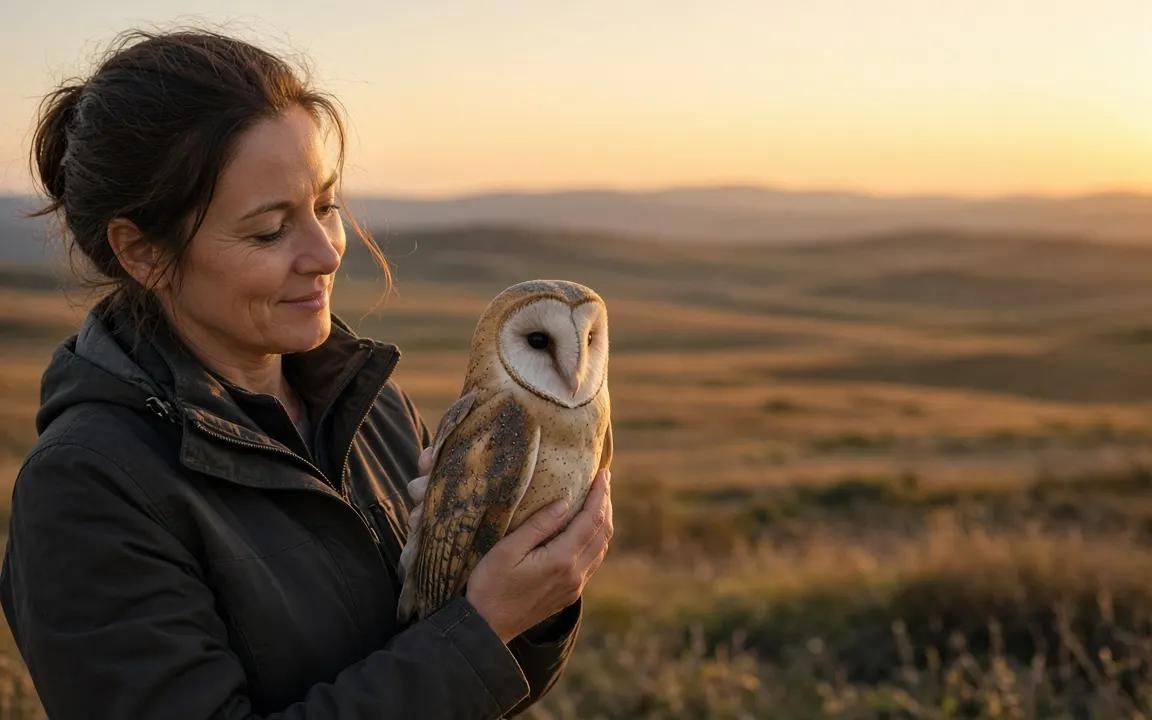
Sicily, Italy
Zoo & Wildlife Cremation in Sicily: what to know
Remembering an animal matters in Sicily as much as anywhere. A long-lived zoo resident, a sanctuary's oldest horse or a rehab center's education owl may be known to thousands of people. The aftercare route decides what's possible later, so if ashes will be wanted for a memorial, choose individual cremation and say so before the necropsy.
If you run a collection or rehab center in Sicily, the most useful thing you can do is write your aftercare plan before you need it: who calls whom, where bodies are kept cold, which lab and which providers you'll use by weight band and how every hand-off is recorded. The city pages below add local weather, capacity and cost notes.
We cover 2 communities in Sicily, from Palermo and Catania.

Every Sicily community we cover
Choose your city or town for local prices, weather and timing, and rules. 2 communities in Sicily, largest first below.
What the human cremation rate in Sicily does and doesn't tell you
Cremation of people runs at about 38.16%[1] in Sicily, and the closest crematory able to take a big or unusual animal may sit across a state, provincial or regional border. That's usually legal, but disease rules can apply to remains that travel, especially for deer, elk and birds. Check with your vet or wildlife agency before booking a provider on the other side.
The cremation figure for Sicily comes from Cremation Society of Great Britain, International Cremation Statistics 2023 (2023). It counts people, not pets, so treat it as a guide to local attitudes rather than a pet statistic.
How providers near Sicily price large and exotic animals
In Sicily, as in most of Europe, pet crematoria serve smaller species, while large or infectious cases usually go through approved rendering or incineration under animal by-products rules. The table shows published examples from several countries to give your team a starting point.
In several European countries, collection of larger dead animals by the approved rendering service is partly publicly funded or charged at a set fee, while private cremation is priced freely. Ask your national veterinary authority what the approved route costs for your species before comparing it with a private crematorium's quote. Prices vary by country and region.
| Country | Collective | Individual |
|---|---|---|
| Germany (all sizes) | €85 to €205 | €165 to €375 |
| France (50 kg) | €130 to €180 | €300 to €400 |
| Norway (51 to 90 kg) | NOK 1,895 | NOK 4,990 |
| Hoofstock, very large animals | Approved collectors | Quoted per job |

Free tool
Cremation cost calculator
Estimate a realistic price range for your pet's size, location and the type of cremation.
Permits, disease reporting and disposal law in Sicily
Rules for burying a large animal are usually stricter than for a household pet: deeper cover, bigger setbacks from wells and water and tighter deadlines. Animals euthanized with barbiturates carry extra conditions because of the risk to scavenging wildlife. Here's what Sicily generally allows.
In Italy, larger dead animals are generally handled under animal by-products rules through approved collectors, while pet crematoria offer individual or collective cremation for smaller species. Regional veterinary services (ASL) can advise on zoo species. Confirm in writing whether an individual cremation returns ashes and what certificate you'll receive.
What to do, in order, after a loss in your care
- Take a moment. If you keep an exotic animal privately, the loss can be as hard as any, and nothing has to happen in the next hour.
- Call your exotic-animal vet to confirm death and ask whether a necropsy would help, especially if other animals share the enclosure.
- Keep the body cool, out of reach of other animals and scavengers.
- Check any permit you hold for the species; some require notifying the issuing agency.
- Contact a provider whose equipment suits the species and its size, or else ask us for options.
- Choose individual cremation when you'd like the ashes returned, and request a certificate that names the species.
After the paperwork: remembering them
An animal's records can outlive it in a useful way. Longevity, breeding and health data feed the species studbooks and research that improve care for others: across more than 50 mammal species, zoo populations have been found to live longer than wild ones in 84%[3] of cases. Sharing the necropsy findings with the studbook keeper is a quiet tribute that keepers often appreciate.
If Sicily is not quite where you are, all locations has the rest. Otherwise the services page, the tools and the poll results are the useful next stops.

Reader polls
What would you choose?
Vote anonymously and see how other readers answered. The results are live counts from people who visit this site, so they show real opinions, not a scientific sample.
How do you keep chain-of-custody records for remains?
Tap an answer to vote and see how others answered. Anonymous.
After a death in your collection, how often is there a necropsy before aftercare?
Tap an answer to vote and see how others answered. Anonymous.
If you had to decide today, which aftercare would you choose for your pet?
Tap an answer to vote and see how others answered. Anonymous.

Free tools to help you plan
Cremation cost calculator
Estimate a realistic price range for your pet's size, location and the type of cremation.

Livestock mortality planner
Plan disposal capacity and costs for farm losses, from one animal to a herd.

Ashes weight estimator
See roughly how much ash to expect back, by species and body weight.
Questions people ask
What should we do after a death in the heat?
Get the body into a cooler or refrigerated trailer within hours, especially for a large animal, which holds heat internally. In hot parts of Sicily, such as Sicily where summer highs average about °F, schedule lifts and transport for early morning.
What's the largest animal a crematory in Sicily can take?
Large-animal incinerators are commonly rated for up to about a 1,500 lb load[4] (one manufacturer's rating). Heavier animals are usually divided and run through more than one load, or go to a lab or a legal burial instead. Ask each provider for its real limit for an intact animal.
How are zoo hoofstock handled in Sicily?
Zoo ruminants and other hoofstock are usually treated like farm animals under animal by-products rules, which means approved collectors, incinerators or renderers. Smaller zoo species can go to pet crematoria. Check with the national animal health authority if a species doesn't fit neatly.
How should a sanctuary in Sicily plan the euthanasia of a large resident?
Book the vet, the provider and any lifting equipment for the same morning, confirm the euthanasia drug so the disposal route fits and prepare firm, screened ground where a vehicle can reach. Give the caregivers time to say goodbye, and settle beforehand whether the team wants ashes.
Is there a large-animal crematory in Sicily?
Often there's at least one equine-size provider, but not always close to you, and very few chambers anywhere can take an intact animal much over 1,500 lb. Send us the species and weight and we'll tell you what's realistically within reach, including labs and alternatives.
Can we get ashes back after a lab necropsy in Sicily?
Yes, if you arrange it before the necropsy. Many labs dispose of remains themselves by incineration or digestion unless the submission form says the remains should be released to a crematory. Put the request in writing and confirm who collects from the lab.

Sources and our estimates
- [1] In 2023, 38.16% of deaths in Italy were cremated (91 crematoria). Cremation Society of Great Britain, International Cremation Statistics 2023, 2023.
- [2] Midpoint horse cremation cost works out to about $0.80 per pound of body weight, versus about $0.14 per pound for rendering pickup and $0.23 per pound for on-farm composting. Our estimate: cremation $800 / 1,000 lb; rendering $137.50 / 1,000 lb; composting $275 / 1,200 lb. How we calculate.
- [3] Across more than 50 mammal species, zoo populations lived longer than wild populations in 84% of species. Tidiere M et al. Comparative analyses of longevity and senescence reveal variable survival benefits of living in zoos across mammals. Scientific Reports, 2016 (PMID 27819303), 2016.
- [4] An animal incinerator sized for agricultural and animal-control use holds up to 1,500 lb per load with a maximum burn rate of 250 lb per hour (manufacturer specification). B&L Cremation Systems (manufacturer) - BLI-1500 Animal Incinerator specifications.
Plan aftercare for an animal in your care
Tell us what you need and where you are. We'll reply by email with clear options and prices so you can decide in your own time.