Zoo and wildlife cremation in Jakarta
Good aftercare for zoo and wildlife animals in Jakarta is planned before it's needed. Start with what's realistic locally, then send us the species and weight for written options.
- Necropsy and cold storage handled in the right order
- Capacity checked against your animal's weight
- Written custody terms before anything moves
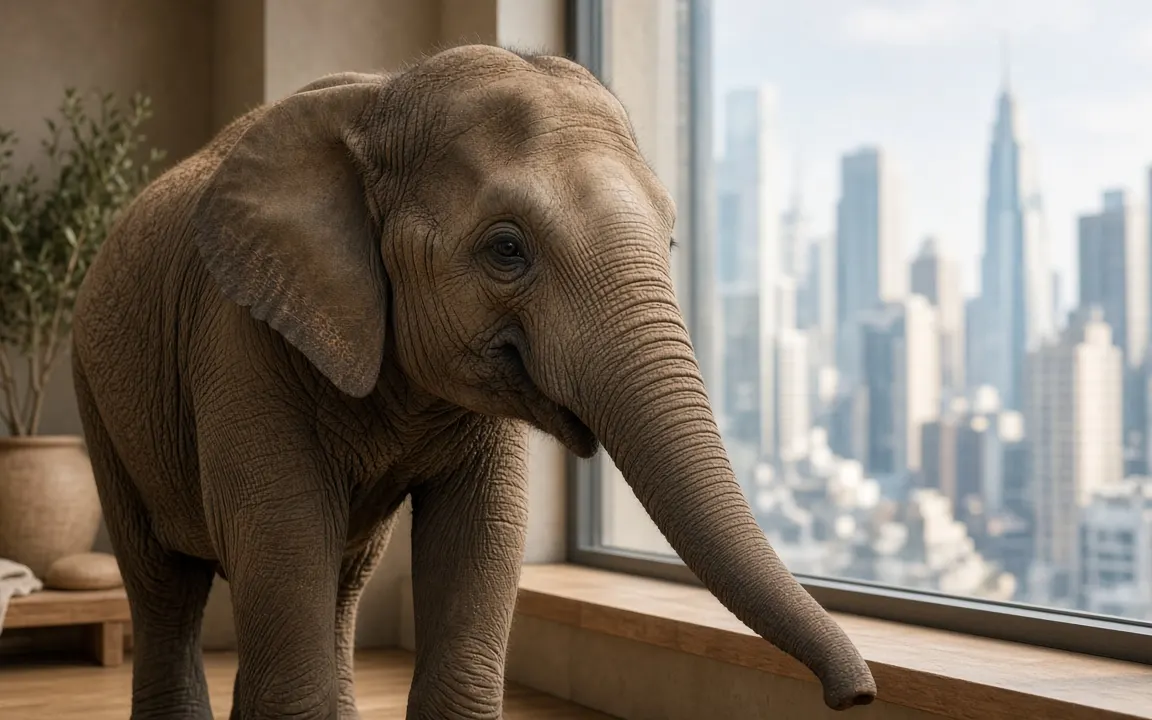
Jakarta, Indonesia
Zoo, rehab and sanctuary aftercare options near Jakarta
Jakarta has an international equestrian venue, riding clubs and horses on the city's edge, and livestock is kept across the wider region, especially toward Bogor and the countryside of West Java and Banten. Around Eid al-Adha, goats and cattle are also brought into the city for sacrifice. If a large animal dies, share the location, the road access and whether a vehicle with a winch can reach it.
Heat and humidity mean a large body in Jakarta must be moved quickly, and rainy-season flooding can make roads impassable. If you keep an older horse, goat, cow or sanctuary animal on the fringe of the city, it helps to ask in advance which providers can handle large animals and whether individual cremation is possible, or whether burial on your land is more practical.
A city the size of Jakarta usually has more aftercare choice than any single institution needs, but most of it is built for dogs and cats. Pet crematories are plentiful; chambers that can take a 600 lb bear or a zebra are not, and they're often outside the city limits where zoning allows bigger equipment. The practical question for a zoo, aquarium or sanctuary here is rarely whether help exists. It's which provider matches this species, this weight and this paperwork, and how fast they can respond after hours.
About 10,560,000 people live in Jakarta.
$600-$1,000[1]
Cremating a 1,000-pound horse was reported to cost about $600-$1,000, depending on location and the price of propane.
3-5% of body weight[2]
Embrace notes cremated remains typically weigh about 3-5% of the pet's original body weight.
If a number here surprises you, the primary material is Extension Horses (eXtension national Cooperative Extension) and Embrace Pet Insurance; we only apply it to this.
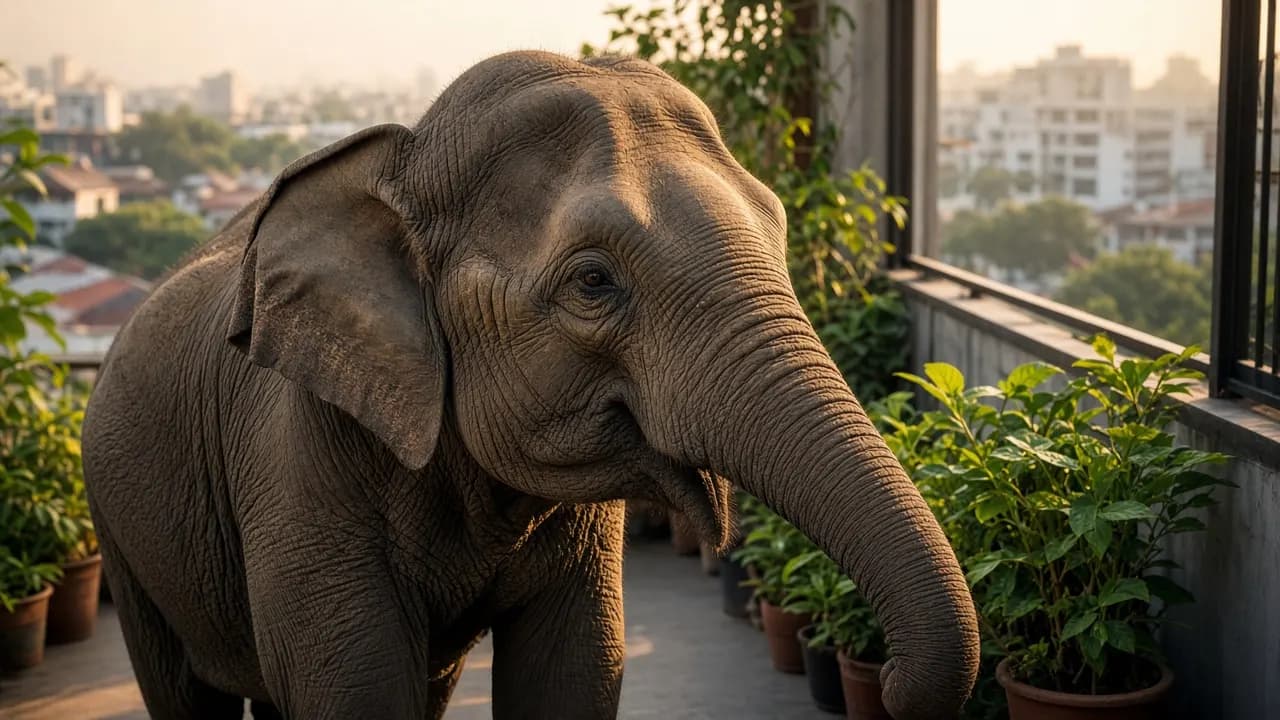
Burial and cremation habits in Indonesia
We don't have a reliable local cremation figure for Jakarta, and for this kind of work it matters less than you might think. Ask your own team instead: what would the keepers, volunteers and supporters who knew this animal want? Their answer, weighed against pathology, disease rules and cost, usually points to one route quickly.
Jakarta weather, cold storage and timing
Wherever you are, the rules of timing are the same: get the body cool quickly, keep it away from scavengers, and don't freeze it before necropsy unless your vet agrees. Heat shortens the window for useful pathology; cold stretches it but brings frozen ground and difficult access for heavy vehicles.

What zoo and wildlife aftercare costs around Jakarta
In Japan, communal cremation is often about half the price of a higher-tier individual service [3]. The same logic holds across much of the region: shared cremation for routine cases, individual cremation with a ceremony for animals people were attached to. Institutions in Jakarta can agree a price list with one provider for both.
The Indonesia price table breaks costs down by size; our services page explains what sits behind each line.

Free tool
Cremation cost calculator
Estimate a realistic price range for your pet's size, location and the type of cremation.
Permits, disease reporting and disposal law in Indonesia
Rules for burying a large animal are usually stricter than for a household pet: deeper cover, bigger setbacks from wells and water and tighter deadlines. Animals euthanized with barbiturates carry extra conditions because of the risk to scavenging wildlife. Here's what Indonesia generally allows.
A checklist for the next few hours
- Pick the day together: vet, curator or sanctuary lead and the keepers who know the animal best.
- Book the provider and any lift equipment together, for that same morning, and check they're expecting the right weight.
- Ask the vet which drugs they'll use and tell the provider, so burial or rendering isn't planned by mistake.
- Prepare the spot: solid ground, some shade, room for the vehicle to reach it and a screen so visitors and other animals can't see.
- Let the keepers say goodbye ahead of the sedation if they wish, and give them a few minutes once it's over.
- Load and send the body promptly, signing the custody form at the gate on the way out.
- Give the team the rest of the day off where you can. Planning a loss doesn't make it smaller.
Remembering animals the keepers and public loved
Many large animals around Jakarta belong to riding clubs, small farms, educational parks or rescue groups rather than big operations. For a family animal, ask whether individual cremation with ashes returned is possible. For farm stock, agricultural disposal or burial is more common. Be clear about which applies, and check any local rules on burying large animals before choosing that route.
use the free tools before you ring anyone, or look at how readers voted in our polls, browse in-depth guides or recent articles, For a plain comparison of the choices, open services. Every other community in Indonesia, and all of Indonesia, is listed too.

Reader polls
What would you choose?
Vote anonymously and see how other readers answered. The results are live counts from people who visit this site, so they show real opinions, not a scientific sample.
When a long-time animal dies, what support do the keepers get?
Tap an answer to vote and see how others answered. Anonymous.
How does your organization arrange aftercare today?
Tap an answer to vote and see how others answered. Anonymous.
If you had to decide today, which aftercare would you choose for your pet?
Tap an answer to vote and see how others answered. Anonymous.

Free tools to help you plan
Cremation cost calculator
Estimate a realistic price range for your pet's size, location and the type of cremation.

Livestock mortality planner
Plan disposal capacity and costs for farm losses, from one animal to a herd.

Ashes weight estimator
See roughly how much ash to expect back, by species and body weight.
Questions people ask
Where can a wildlife rehabilitator in Jakarta send animals that die in care?
Most rehabbers use a local vet's regular crematory pickup for routine cases, often communal cremation. Suspected avian influenza, rabies-vector species and protected animals may need testing or approved disposal first, so check with your state wildlife agency. For long-term education animals, ask for individual cremation and a certificate matching your records.
How do we move a large animal out of a public zoo in Jakarta?
Plan it before you need it. Most teams use a crane or telehandler, a flatbed or trailer with a winch and a route that avoids visitor paths, usually early in the morning. Record gate widths, load limits and turning space. Screening panels help if the move can't wait until the site is closed.
Can we be present for the cremation?
Some providers allow keepers or staff to attend the start of a cremation, and for a long-term resident it can mean a lot. It usually needs booking ahead and may cost more. Large-animal providers near Jakarta vary widely in what they allow, so ask on the first call rather than assuming.
Is there a zoo crematory in Jakarta?
Dedicated zoo crematories are rare anywhere. Most institutions around Jakarta use a mix: a pet crematory for small animals, an equine or large-animal provider for mid-size ones and a diagnostic lab for necropsy and very large cases. Send us the species, weight and location, and we'll reply with what's realistically within reach.
How much ash comes back from a large zoo animal?
Cremated remains typically weigh about 3-5% of body weight[2], mostly bone. A 400 lb big cat would return roughly 12 to 20 lb, and a 1,100 lb animal around 33 to 55 lb, far more than a standard urn holds. Many teams keep a portion for a memorial and scatter or bury the rest.
What happens to a zoo animal that dies with a reportable disease?
The state or national animal health authority takes the lead. They'll specify testing, handling and an approved disposal route, which may be incineration, digestion or another method. A crematory can't make that decision for you. Keep the body isolated and chilled and call your vet and the authority before moving it.


Sources and our estimates
- [1] Cremating a 1,000-pound horse was reported to cost about $600-$1,000, depending on location and the price of propane. Extension Horses (eXtension national Cooperative Extension) - Horse Disposal Options, 2019, 2019.
- [2] Embrace notes cremated remains typically weigh about 3-5% of the pet's original body weight. Embrace Pet Insurance - Bury or Cremate Your Dog? Costs, Pros & Cons, 2025.
- [3] In Japan, communal (goudou) pet cremation is often about half the price of higher-tier individual services, and it is illegal to bury animals in public places such as parks or forests. GaijinPot - When Your Pet Dies in Japan (Feb 2024), 2024.
- [4] A 1,100 lb horse uses about 73% of a 1,500 lb animal incinerator load, so large-animal units generally cremate one horse at a time. Our estimate: 1,100 / 1,500 x 100. How we calculate.
Plan aftercare for an animal in your care
Tell us what you need and where you are. We'll reply by email with clear options and prices so you can decide in your own time.