Zoo & Wildlife Cremation in North Rhine-Westphalia
Whether you run a collection, a rehab center or a sanctuary in North Rhine-Westphalia, the order is the same: vet or pathologist first, cold storage second, cremation third. Here's how that works locally and what it costs.
- Standing arrangements with weight-band pricing
- Heavy-lift and transport planned in advance
- Ashes returned when your team wants them
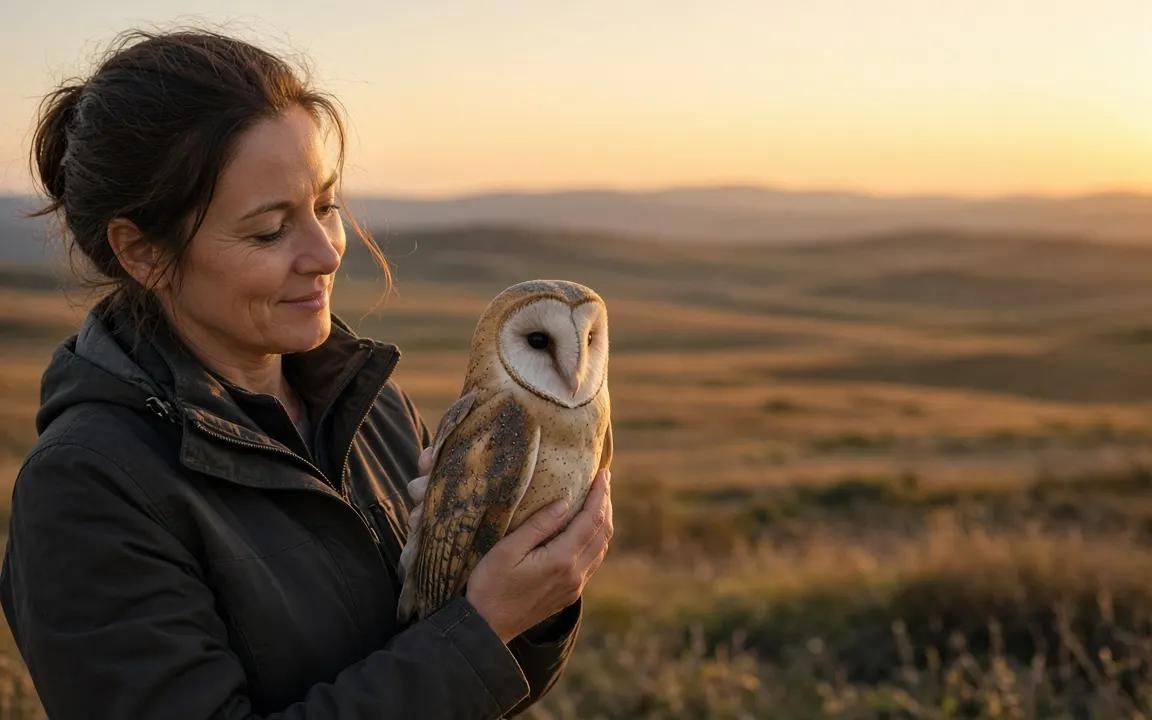
North Rhine-Westphalia, Germany
Zoo & Wildlife Cremation in North Rhine-Westphalia: what to know
Wildlife rehab centers in North Rhine-Westphalia often see more deaths than any zoo, sometimes hundreds of small patients a year. Most need a steady, affordable pickup rather than a one-off service, plus a clear route for the handful of cases that need testing. Our local pages for 6 communities show which providers are usually within reach.
Disease rules can decide the route before anyone calls a crematory. In North Rhine-Westphalia, as across the country, a bird death during an avian influenza outbreak may need testing, and deer or elk remains from a chronic wasting disease area may not be allowed to leave the area whole. The state veterinarian and wildlife agency set those rules; this page explains how they affect aftercare.
We cover 6 communities in North Rhine-Westphalia, from Cologne, Dusseldorf and Dortmund to smaller towns.

Every North Rhine-Westphalia community we cover
Choose your city or town for local prices, weather and timing, and rules. 6 communities in North Rhine-Westphalia, largest first below.
How North Rhine-Westphalia thinks about cremation, and what that means for your animals
Because about 76.0%[1] of people in North Rhine-Westphalia choose cremation, pet crematories here face real competition, and many of them will negotiate for regular institutional work. Use that. Ask two or three for a written schedule by weight, a price for communal loads from a rehab center and a firm answer on the largest animal they can take. Some also offer aquamation, a water-based alternative, which is worth asking about if your board cares about emissions.
That North Rhine-Westphalia rate is a human statistic published by Cremation Society of Great Britain, International Cremation Statistics 2023 (2023); there is no pet equivalent, so we use it as a signal of how families here already think.
How providers near North Rhine-Westphalia price large and exotic animals
Across Europe, published pet cremation prices give a benchmark for small and mid-size collection animals: a German guide lists individual cremation at €165 to €375 [2]. Zoo hoofstock and very large animals are usually handled under animal by-products rules through approved collectors, and quoted per job.
Prices in Germany follow the same logic as elsewhere: weight, individual or collective cremation, and collection. In France, individual cremation of a 50 kg animal is listed at €300 to €400 [3], a reasonable guide for a mid-size zoo mammal. Ask for a written quote in local currency.
| Country | Collective | Individual |
|---|---|---|
| Germany (all sizes) | €85 to €205 | €165 to €375 |
| France (50 kg) | €130 to €180 | €300 to €400 |
| Norway (51 to 90 kg) | NOK 1,895 | NOK 4,990 |
| Hoofstock, very large animals | Approved collectors | Quoted per job |

Free tool
Cremation cost calculator
Estimate a realistic price range for your pet's size, location and the type of cremation.
Rules in North Rhine-Westphalia that can decide the route for you
Public health officials can have a say too. When a rabies-vector species dies after contact with people, or a zoonotic disease is suspected, the local health department may need the body before any aftercare happens. Wildlife and agriculture rules for North Rhine-Westphalia are summarized below; add your health department's number to your protocol alongside them.
In Germany, animal by-products law requires most dead animals to go through approved rendering (Tierkörperbeseitigung), with pet crematoria (Tierkrematorium) handling individual cremation for smaller species. Home burial is allowed only with at least 50 cm of soil cover and outside water-protection areas [5]. For zoo species, check with the local veterinary office (Veterinäramt).
A checklist for the next few hours
- Tell the staff and volunteers first, face to face or on the phone, ahead of any public announcement.
- Decide what to say to school groups and regular visitors, thinking especially of the children who knew the animal.
- Choose individual cremation when the center would like ashes for a memorial, and record that choice on any lab paperwork.
- Keep a few mementos, such as a shed feather, a molted skin or a favorite enrichment toy, if the vet agrees.
- Update the education program so the next group isn't told to expect an animal that has died.
- Plan a small memorial for when the ashes come back, with the people who worked with the animal most.
Memorials, keepsakes and staff grief
Rehabilitators rarely memorialize every patient, but the long-term ones, an education owl or a non-releasable fox, deserve a moment. Many centers keep a small memorial garden, a plaque listing names or a photo wall. Volunteers who raised the animal often appreciate being asked before anything is decided.
Compare every option on our services page, try the free planning tools or see how other readers answered in our polls. You can also go back to all locations.

Reader polls
What would you choose?
Vote anonymously and see how other readers answered. The results are live counts from people who visit this site, so they show real opinions, not a scientific sample.
How do you keep chain-of-custody records for remains?
Tap an answer to vote and see how others answered. Anonymous.
For your largest animals, what's the hardest part of aftercare?
Tap an answer to vote and see how others answered. Anonymous.
If you had to decide today, which aftercare would you choose for your pet?
Tap an answer to vote and see how others answered. Anonymous.

Free tools to help you plan
Cremation cost calculator
Estimate a realistic price range for your pet's size, location and the type of cremation.

Livestock mortality planner
Plan disposal capacity and costs for farm losses, from one animal to a herd.

Ashes weight estimator
See roughly how much ash to expect back, by species and body weight.
Questions people ask
What's the largest animal a crematory in North Rhine-Westphalia can take?
Large-animal incinerators are commonly rated for up to about a 1,500 lb load[6] (one manufacturer's rating). Heavier animals are usually divided and run through more than one load, or go to a lab or a legal burial instead. Ask each provider for its real limit for an intact animal.
Do institutions in North Rhine-Westphalia use standing contracts for aftercare?
Many do. A standing arrangement agrees weight-band pricing, capacity limits, after-hours response and custody paperwork before a death happens. Institutions with frequent small losses and occasional large ones often keep two agreements: one local and one with large-animal capacity.
How much does zoo and wildlife cremation cost in North Rhine-Westphalia?
Small animals are priced like household pets, rising with weight. Larger animals are quoted per job based on weight, access, distance and after-hours work. Lab routes such as tissue digestion can cost less per pound but don't return ashes unless arranged. Ask every provider for an itemized written total.
How should a sanctuary in North Rhine-Westphalia plan the euthanasia of a large resident?
Book the vet, the provider and any lifting equipment for the same morning, confirm the euthanasia drug so the disposal route fits and prepare firm, screened ground where a vehicle can reach. Give the caregivers time to say goodbye, and settle beforehand whether the team wants ashes.
How do winters in North Rhine-Westphalia affect aftercare?
In the colder parts of North Rhine-Westphalia, frozen ground can rule out burial for months and snow can block heavy vehicles. In North Rhine-Westphalia, one of the coldest places we cover, winter lows average about °F. Keep a cremation or lab fallback and don't freeze a body before necropsy unless the vet agrees.
How are zoo hoofstock handled in North Rhine-Westphalia?
Zoo ruminants and other hoofstock are usually treated like farm animals under animal by-products rules, which means approved collectors, incinerators or renderers. Smaller zoo species can go to pet crematoria. Check with the national animal health authority if a species doesn't fit neatly.

Sources and our estimates
- [1] In 2023, 76.0% of deaths in Germany were cremated (164 crematoria). Cremation Society of Great Britain, International Cremation Statistics 2023, 2023.
- [2] A German consumer guide lists collective pet cremation at EUR 85-205 and individual cremation at EUR 165-375. deine-tierwelt.de - Tierbestattung: Diese Moeglichkeiten gibt es und das kosten sie (Nov 2023), 2023.
- [3] SantéVet lists French dog cremation at EUR 70-120 collective vs EUR 150-250 individual for a 20 kg dog, and EUR 130-180 vs EUR 300-400 for a 50 kg dog. SantéVet - Quel est le prix pour incinérer un chien? (updated Mar 2026), 2026.
- [4] A 1,100 lb horse uses about 73% of a 1,500 lb animal incinerator load, so large-animal units generally cremate one horse at a time. Our estimate: 1,100 / 1,500 x 100. How we calculate.
- [5] German home burial of pets requires at least 50 cm of soil cover and is not permitted in water- or nature-protection areas. deine-tierwelt.de - Tierbestattung: Diese Moeglichkeiten gibt es und das kosten sie (Nov 2023), 2023.
- [6] An animal incinerator sized for agricultural and animal-control use holds up to 1,500 lb per load with a maximum burn rate of 250 lb per hour (manufacturer specification). B&L Cremation Systems (manufacturer) - BLI-1500 Animal Incinerator specifications.
Tell us the species, weight and location
Tell us what you need and where you are. We'll reply by email with clear options and prices so you can decide in your own time.