Zoo and wildlife cremation in Bremen
Good aftercare for zoo and wildlife animals in Bremen is planned before it's needed. Start with what's realistic locally, then send us the species and weight for written options.
- Plain answers on lab disposal vs cremation
- Help with memorials for animals the public loved
- No pressure, just written options by email
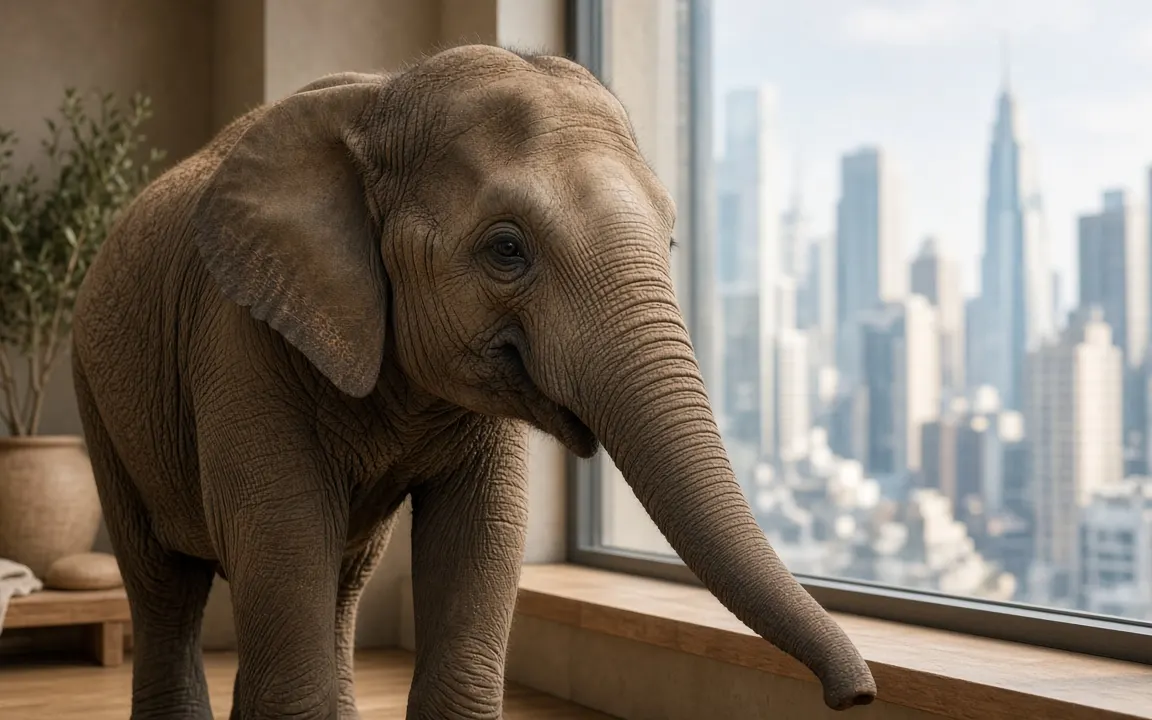
Bremen, Germany
Zoo, rehab and sanctuary aftercare options near Bremen
Many large animals around Bremen are family companions: a riding school pony, a pair of pet sheep, a rescued donkey. The city's most famous animals are the Town Musicians, the donkey, dog, cat and rooster of the Grimm fairy tale, and their statue beside the town hall is a reminder of how much animals mean here. Owners who want something gentler than the official collection route can ask their vet now, while nothing is urgent, what an individual cremation would cost.
The land around Bremen is flat, low and often waterlogged, especially in winter, and meadows can be too soft for heavy vehicles. Say whether the animal lies in a stall, on a hard yard or out on the marsh pasture, and how far a truck with a crane arm would need to travel off the paved road. Marshland drainage ditches along field edges can also block a vehicle's approach.
Universities, natural history museums and veterinary schools around Bremen are often keen to receive bodies that zoos would otherwise cremate. A skeleton, a skin or a set of tissues can go into a teaching or research collection, and some museums will collect. That changes the aftercare plan: remains may need to be kept whole and cold rather than sectioned, and ashes may only be possible from part of the animal. Settle which requests you'll honor in your written protocol, not on the phone that day.
Bremen's population is around 569,000.
For a second opinion on price, Hamburg (59 miles, a larger centre), Hanover (62 miles) and Munster (92 miles) are close enough that their providers cover Bremen routinely. Two written quotes tell you more than any price list.
76.0%[1]
In 2023, 76.0% of deaths in Germany were cremated (164 crematoria).
$600-$1,000[2]
Cremating a 1,000-pound horse was reported to cost about $600-$1,000, depending on location and the price of propane.
3-5% of body weight[3]
Embrace notes cremated remains typically weigh about 3-5% of the pet's original body weight.
Where these figures come from: Embrace Pet Insurance and Extension Horses (eXtension national Cooperative Extension).
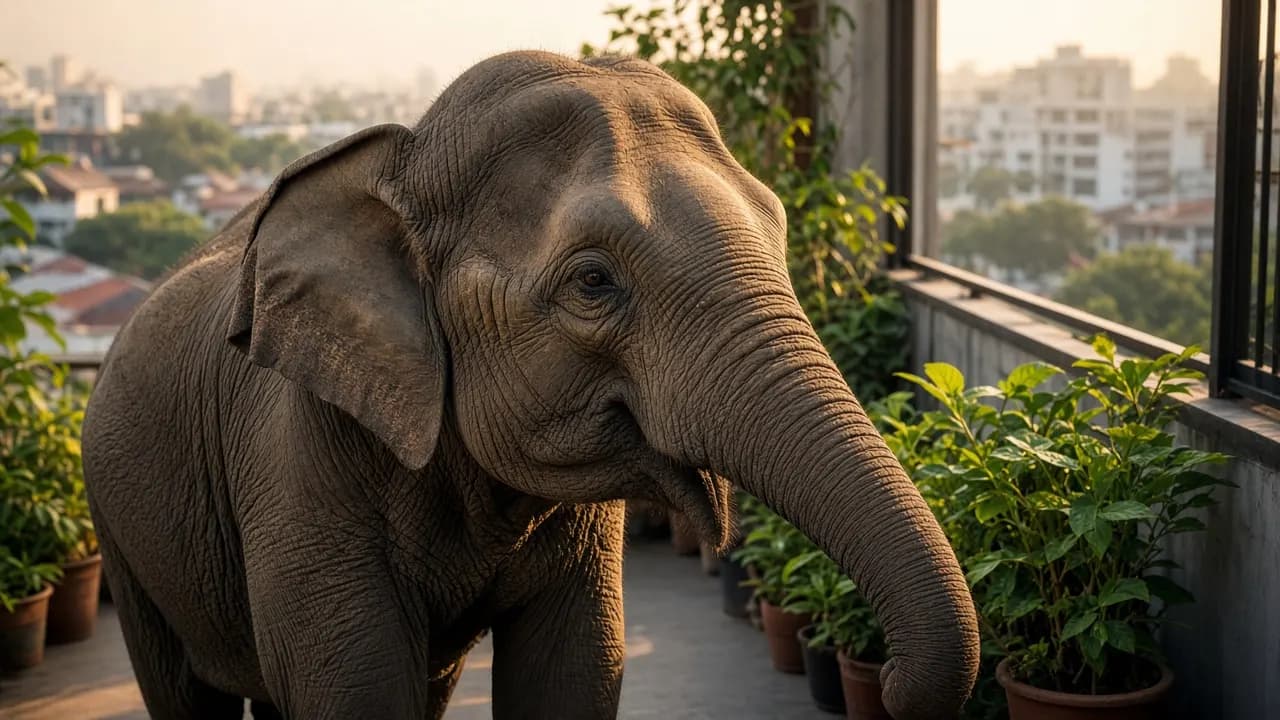
Local attitudes to cremation and memorials
Because about 76.0%[1] of people in Germany choose cremation, pet crematories here face real competition, and many of them will negotiate for regular institutional work. Use that. Ask two or three for a written schedule by weight, a price for communal loads from a rehab center and a firm answer on the largest animal they can take. Some also offer aquamation, a water-based alternative, which is worth asking about if your board cares about emissions.
Source for the Germany number: Cremation Society of Great Britain, International Cremation Statistics 2023 (2023). Nobody publishes a pet cremation rate for Bremen, so the human figure is the best local signal available.
When the weather in Bremen sets the clock
Whatever the local climate, cold storage fails in the same ways: a power cut, a door left ajar or a freezer too full to close. A max-min thermometer in each unit, a weekly check on a log sheet and a backup site you've already asked about cover most of it. They cost little and protect the necropsy cases that matter most.

Reading an aftercare quote in Bremen
Across Europe, published pet cremation prices give a benchmark for small and mid-size collection animals: a German guide lists individual cremation at €165 to €375 [4]. Zoo hoofstock and very large animals are usually handled under animal by-products rules through approved collectors, and quoted per job.
The Germany price table breaks costs down by size; our services page explains what sits behind each line.

Free tool
Cremation cost calculator
Estimate a realistic price range for your pet's size, location and the type of cremation.
What Germany regulates, and who to call
For zoo and wildlife animals, rules come from several directions at once: disposal deadlines written for livestock, disease rules that follow outbreaks rather than borders, wildlife permits and, for accredited institutions, their own standards. The notes below cover what usually applies in Germany. Species under federal or international protection add their own conditions, which your compliance lead should own.
In Germany, animal by-products law requires most dead animals to go through approved rendering (Tierkörperbeseitigung), with pet crematoria (Tierkrematorium) handling individual cremation for smaller species. Home burial is allowed only with at least 50 cm of soil cover and outside water-protection areas [6]. For zoo species, check with the local veterinary office (Veterinäramt).
A checklist for the next few hours
- Call the attending vet or pathologist first, before anyone moves the body. They decide whether a necropsy is needed, what samples to take and whether anything reportable is suspected.
- Start the record now: the animal's ID and species, when it died, who discovered it and who carried it. From this point on, each hand-off needs a signed name.
- Get the body cold in a cooler or refrigerated trailer. Don't freeze it unless the vet says samples aren't needed.
- Give keepers a few minutes alone with the animal, if that's what they'd like, ahead of the pathology work.
- Confirm the route in writing: disposal through the lab, individual cremation with the ashes coming back, digestion or burial. If ashes are wanted, that request belongs on the lab submission form itself.
- Book transport and any heavy-lift equipment, and settle beforehand how the body will be brought out of the habitat.
- File the certificate under the animal's ID, and record whether any tissues or the skeleton were kept.
Remembering animals the keepers and public loved
Bremen is surrounded by Lower Saxony's farming and horse country, with the town of Verden, known for its horse auctions, just to the southeast and dairy cattle grazing the Blockland and Wümme meadows. When a farm animal dies, German rules normally route it to official carcass collection. Individual cremation with ashes returned is a private option for large animals kept as companions.
or see how other readers answered in our polls, try the free planning tools, See what each option includes on our services page, look through our guides and the blog. Every other community in Germany, and all of Germany, is listed too.

Reader polls
What would you choose?
Vote anonymously and see how other readers answered. The results are live counts from people who visit this site, so they show real opinions, not a scientific sample.
How should a zoo mark the death of an animal visitors loved?
Tap an answer to vote and see how others answered. Anonymous.
For your largest animals, what's the hardest part of aftercare?
Tap an answer to vote and see how others answered. Anonymous.
If you had to decide today, which aftercare would you choose for your pet?
Tap an answer to vote and see how others answered. Anonymous.

Free tools to help you plan
Cremation cost calculator
Estimate a realistic price range for your pet's size, location and the type of cremation.

Livestock mortality planner
Plan disposal capacity and costs for farm losses, from one animal to a herd.

Ashes weight estimator
See roughly how much ash to expect back, by species and body weight.
Questions people ask
Can a provider from a neighbouring town collect from Bremen?
Usually yes. Hamburg is about 59 miles away, Hanover is about 62 miles away and Munster is about 92 miles away, all inside a normal collection radius. Get the mileage written into the quote so there is no surprise on the day.
Is cremation common in Germany?
For people, yes: about 76.0%[1] of Germany deaths end in cremation, according to Cremation Society of Great Britain, International Cremation Statistics 2023 (2023). Nobody publishes the same figure for pets, but in our experience pet choices in Bremen follow the human pattern closely, so cremation is the default most families here start from.
What happens to a zoo animal that dies with a reportable disease?
The state or national animal health authority takes the lead. They'll specify testing, handling and an approved disposal route, which may be incineration, digestion or another method. A crematory can't make that decision for you. Keep the body isolated and chilled and call your vet and the authority before moving it.
Can several small animals be cremated together and still be tracked?
Yes, as long as you log them individually before they go. Communal cremation means the ashes are mixed and not returned, but your records can still list every animal by intake number, species, date and route. Ask the provider for a manifest that matches your list, and flag any animal that needs individual cremation so it's kept apart.
How do you cremate an animal as large as a giraffe or elephant?
Rarely intact. Very few chambers can take an animal much over 1,500 lb, so large cases are usually sectioned after necropsy and cremated in several loads, sent to a lab digester, rendered or buried on grounds where the law allows. If ashes matter, ask how every load will be tracked and combined, and get that promise in writing.
What should we ask a cremation provider in Bremen before signing?
Ask about chamber size and weight limits, whether they can take the animal intact, after-hours response, how animals are identified from pickup to certificate, what the paperwork packet contains and how they price by weight. Our questions institutions should ask vendors goes further.


Sources and our estimates
- [1] In 2023, 76.0% of deaths in Germany were cremated (164 crematoria). Cremation Society of Great Britain, International Cremation Statistics 2023, 2023.
- [2] Cremating a 1,000-pound horse was reported to cost about $600-$1,000, depending on location and the price of propane. Extension Horses (eXtension national Cooperative Extension) - Horse Disposal Options, 2019, 2019.
- [3] Embrace notes cremated remains typically weigh about 3-5% of the pet's original body weight. Embrace Pet Insurance - Bury or Cremate Your Dog? Costs, Pros & Cons, 2025.
- [4] A German consumer guide lists collective pet cremation at EUR 85-205 and individual cremation at EUR 165-375. deine-tierwelt.de - Tierbestattung: Diese Moeglichkeiten gibt es und das kosten sie (Nov 2023), 2023.
- [5] Horse rendering costs about $0.14 per pound and composting about $0.23 per pound, both well below incineration at $0.75 per pound, and composting is comparable to a biodigester at $0.25 per pound. Our estimate: $275 / 1,200 lb (composting); $137.50 / 1,000 lb (rendering); $0.25 and $0.75 per lb from extension. How we calculate.
- [6] German home burial of pets requires at least 50 cm of soil cover and is not permitted in water- or nature-protection areas. deine-tierwelt.de - Tierbestattung: Diese Moeglichkeiten gibt es und das kosten sie (Nov 2023), 2023.
Get zoo and wildlife aftercare options for Bremen
Tell us what you need and where you are. We'll reply by email with clear options and prices so you can decide in your own time.