Zoo and wildlife cremation in Munich
Most aftercare providers in Munich are set up for dogs and cats. We help zoo vets, curators, rehabbers and private keepers find the ones that can handle their species, size and paperwork.
- Plain answers on lab disposal vs cremation
- Help with memorials for animals the public loved
- No pressure, just written options by email

Munich, Bavaria
What zoo and wildlife aftercare looks like in Munich
Winter in the Bavarian foothills brings snow and frozen ground, which can make access to a barn or field difficult and rule out burial on your land until spring. In summer, heat and sudden thunderstorms mean a cow, horse or goat lost out on the pasture has to be dealt with promptly. Talking through aftercare with your vet while an older animal is still well, and keeping a provider's number handy, is especially useful here.
Upper Bavaria is cattle and horse country, from riding yards on Munich's outskirts to alpine farms in the foothills where cows are brought down from summer pastures each autumn. Sheep, goats and pigs are kept on smaller holdings, and the city's zoo sits on the Isar. If you care for a large animal around Munich, ask each provider whether they collect from the farm and how far they travel.
Rehab centers in a dense city like Munich see a different mix of patients from rural ones: birds that hit glass towers during spring and fall migration, pigeons, gulls, bats found in buildings and animals injured in traffic. Intake spikes bring losses in batches, so freezer space and pickup frequency matter more than anything else. Ask your provider whether they'll collect weekly during migration peaks and whether a large communal load is priced differently from a few individual cases.
About 1,472,000 people live in Munich, which makes it the largest of the 5 Bavaria communities we cover.
Munich sits within easy reach of Starnberg (14 miles), Augsburg (35 miles) and Regensburg (65 miles). A provider based in any of them will usually collect from Munich; ask what the mileage adds to the bill.
76.0%[1]
In 2023, 76.0% of deaths in Germany were cremated (164 crematoria).
$600-$1,000[2]
Cremating a 1,000-pound horse was reported to cost about $600-$1,000, depending on location and the price of propane.
3-5% of body weight[3]
Embrace notes cremated remains typically weigh about 3-5% of the pet's original body weight.
The numbers above come from Embrace Pet Insurance and Extension Horses (eXtension national Cooperative Extension), if you'd like to read the original sources.
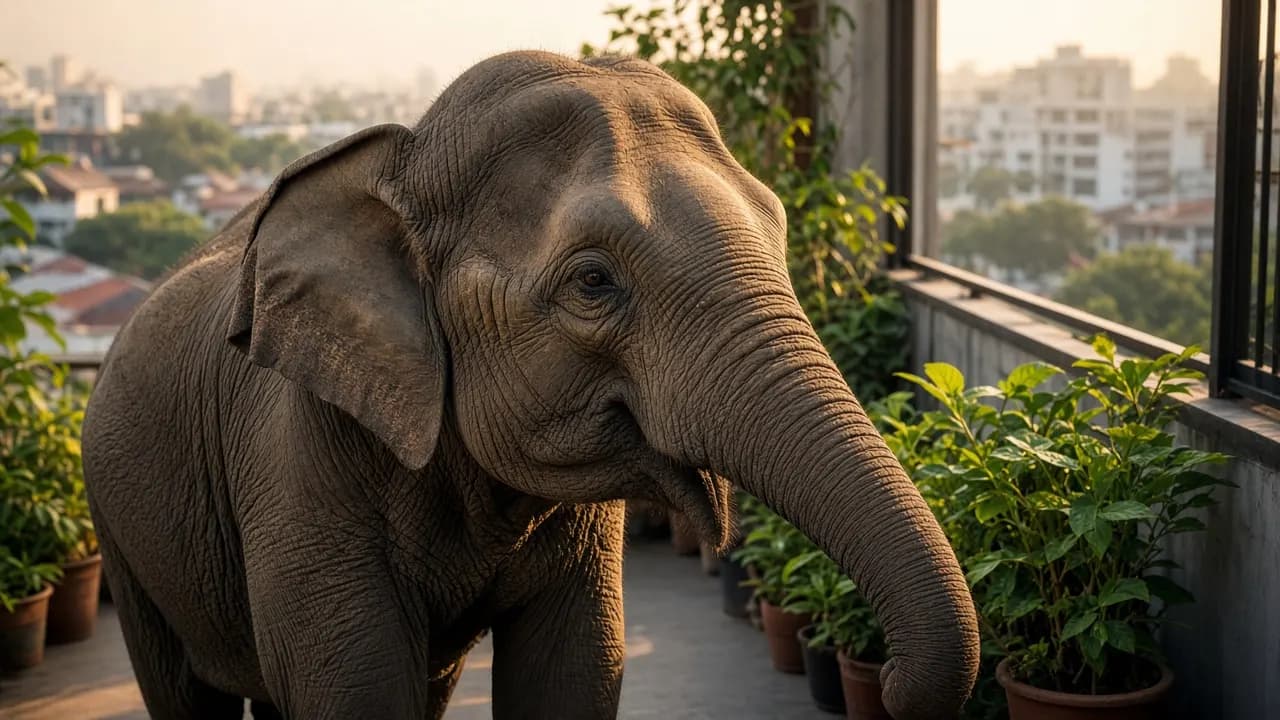
Local attitudes to cremation and memorials
About 76.0%[1] of people in Germany are cremated, one of the higher rates around. For zoos and sanctuaries, that tends to mean competitive pricing for birds, reptiles and small mammals and a public that readily understands why a beloved animal's ashes might come home for a memorial. The harder part is the rare very large animal, which may still need a lab, a digester or a specialist provider further afield.
Source for the Germany number: Cremation Society of Great Britain, International Cremation Statistics 2023 (2023). Nobody publishes a pet cremation rate for Munich, so the human figure is the best local signal available.
How the seasons in Munich change aftercare logistics
Whatever the local climate, cold storage fails in the same ways: a power cut, a door left ajar or a freezer too full to close. A max-min thermometer in each unit, a weekly check on a log sheet and a backup site you've already asked about cover most of it. They cost little and protect the necropsy cases that matter most.

How providers near Munich price large and exotic animals
In several European countries, collection of larger dead animals by the approved rendering service is partly publicly funded or charged at a set fee, while private cremation is priced freely. Ask your national veterinary authority what the approved route costs for your species before comparing it with a private crematorium's quote. Prices vary by country and region.
We keep the detailed Bavaria price table on one page so it stays current: see Bavaria prices.

Free tool
Cremation cost calculator
Estimate a realistic price range for your pet's size, location and the type of cremation.
Rules in Bavaria that can decide the route for you
Rules about remains assume someone has the right to decide what happens to them. For animals on loan, on a breeding agreement or held under a government permit, that may not be you. Check the loan or permit terms before choosing a route, then look at the general rules for Bavaria below. The owning institution or agency may want the necropsy report, tissues or the whole body.
Munich's own guidance is published by City of Munich Abfallwirtschaftsbetrieb München; it covers public collection, which is separate from arranging a private cremation.
In Germany, animal by-products law requires most dead animals to go through approved rendering (Tierkörperbeseitigung), with pet crematoria (Tierkrematorium) handling individual cremation for smaller species. Home burial is allowed only with at least 50 cm of soil cover and outside water-protection areas [5]. For zoo species, check with the local veterinary office (Veterinäramt).
A checklist for the next few hours
- Stop all animal movements into or out of the affected area the moment you notice more than one or two deaths.
- Call your vet and lay out the pattern: which species, how many, over what period and what signs showed first.
- Isolate and chill the bodies separately, each bagged and labeled, with a note of where it was found.
- Let the vet choose which animals go for necropsy; often a few representative cases are enough.
- Report to the animal health authority if the vet suspects anything notifiable.
- Use the approved disposal route for the rest, and log every animal individually even if they're cremated together.
Honoring an animal in Munich
Few crematoria in Germany are built to take a whole horse or cow individually, and Munich owners may need to look further afield in Bavaria or neighbouring regions. Commercial livestock normally goes through authorised collection services instead. For a family horse, a pet sheep or a sanctuary animal, ask about weight limits, collection, the timescale and whether ashes can be returned in full or in part, and get the total in writing.
See what each option includes on our services page, or see what other families chose in the poll results, use the free tools before you ring anyone, go deeper with the guides or catch up on recent articles. More local pages: Augsburg, Nuremberg, Starnberg and Regensburg, the Bavaria overview and every city in Germany.

Reader polls
What would you choose?
Vote anonymously and see how other readers answered. The results are live counts from people who visit this site, so they show real opinions, not a scientific sample.
For your largest animals, what's the hardest part of aftercare?
Tap an answer to vote and see how others answered. Anonymous.
When a long-time animal dies, what support do the keepers get?
Tap an answer to vote and see how others answered. Anonymous.
If you had to decide today, which aftercare would you choose for your pet?
Tap an answer to vote and see how others answered. Anonymous.

Free tools to help you plan
Cremation cost calculator
Estimate a realistic price range for your pet's size, location and the type of cremation.

Livestock mortality planner
Plan disposal capacity and costs for farm losses, from one animal to a herd.

Ashes weight estimator
See roughly how much ash to expect back, by species and body weight.
Questions people ask
Can a provider from a neighbouring town collect from Munich?
Usually yes. Starnberg is about 14 miles away, Augsburg is about 35 miles away and Regensburg is about 65 miles away, all inside a normal collection radius. Get the mileage written into the quote so there is no surprise on the day.
Why does the Munich page quote a human cremation rate?
Because it is the best local signal we have. Cremation Society of Great Britain, International Cremation Statistics 2023 (2023) reports about 76.0%[1] of Germany residents are cremated. There is no official pet equivalent, and inventing one would be worse than quoting a real, clearly labelled number.
Do we need a standing contract with a cremation provider?
You don't have to have one, but it helps a lot. A standing arrangement settles capacity limits, after-hours response, weight-band pricing, invoicing and the custody paperwork before anyone is under pressure. Many institutions keep two: one local provider for small and mid-size animals and one with genuine large-animal capacity.
How much does zoo animal cremation cost in Munich?
It depends on species, weight and whether ashes are returned. Small animals are usually priced like household pets. Heavier animals are quoted per job, and in many countries hoofstock falls under animal by-products rules with approved collectors. Ask for a written quote in local currency that separates collection, cremation and certificate.
What happens to a zoo animal that dies with a reportable disease?
The state or national animal health authority takes the lead. They'll specify testing, handling and an approved disposal route, which may be incineration, digestion or another method. A crematory can't make that decision for you. Keep the body isolated and chilled and call your vet and the authority before moving it.
Is water cremation an option for zoo and wildlife animals?
Sometimes. Alkaline hydrolysis, also called aquamation or tissue digestion, is offered by some pet providers and used by some university labs for large animals. At one university lab it cost roughly a third of incineration per pound [6]. Lab digesters usually don't return remains, while pet aquamation services return bone ash much like cremation. Ask which kind you're being offered.


Sources and our estimates
- [1] In 2023, 76.0% of deaths in Germany were cremated (164 crematoria). Cremation Society of Great Britain, International Cremation Statistics 2023, 2023.
- [2] Cremating a 1,000-pound horse was reported to cost about $600-$1,000, depending on location and the price of propane. Extension Horses (eXtension national Cooperative Extension) - Horse Disposal Options, 2019, 2019.
- [3] Embrace notes cremated remains typically weigh about 3-5% of the pet's original body weight. Embrace Pet Insurance - Bury or Cremate Your Dog? Costs, Pros & Cons, 2025.
- [4] At an average rate of 250 lb per hour, the burn phase for a 1,100 lb horse would take at least about 4.4 hours, not counting preheating and cool-down. Our estimate: 1,100 lb / 250 lb per hour. How we calculate.
- [5] German home burial of pets requires at least 50 cm of soil cover and is not permitted in water- or nature-protection areas. deine-tierwelt.de - Tierbestattung: Diese Moeglichkeiten gibt es und das kosten sie (Nov 2023), 2023.
- [6] A biodigester at the Wisconsin Veterinary Diagnostic Laboratory cost $900,000 and processes carcasses for about 25 cents per pound, versus about 75 cents per pound for incinerators. Extension Horses (eXtension national Cooperative Extension) - Horse Disposal Options, 2019, 2019.
Request written aftercare options by email
Tell us what you need and where you are. We'll reply by email with clear options and prices so you can decide in your own time.